

U.S. President Donald Trump returned to the White House earlier than expected from Camp David on Saturday as fighting in Yemen escalated following a Houthi ballistic missile attack targeting the Saudi capital, Riyadh.
The White House gave no explanation for Trump’s early return from the presidential retreat in Maryland, a day before he had originally been scheduled to leave. His return came as the United States issued another series of warnings about tensions in the Middle East, this time specifically citing the Houthis alongside Iran.
Gallery
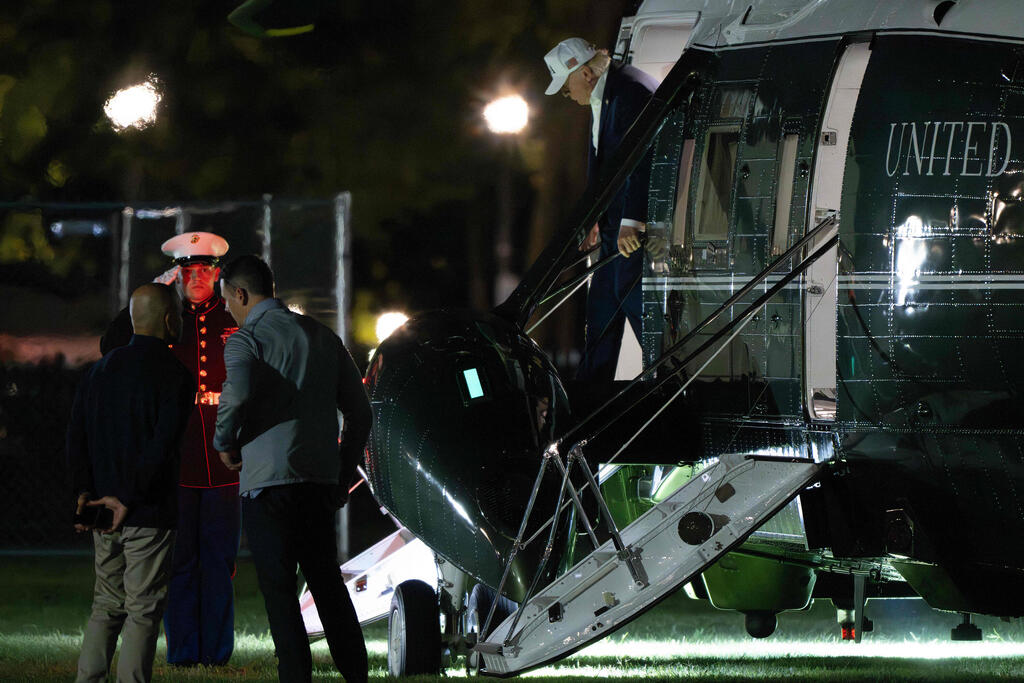
US President Donald Trump returns to the White House after cutting Camp David stay short
(Photo: Jim WATSON / AFP)
“Due to tensions in the Middle East, the security environment remains complex with the potential for unforeseen escalation,” the U.S. warning said, urging Americans in the region to remain vigilant and prepare for possible flight cancellations, airspace closures and other travel disruptions.
The warning said the Iran-backed Houthis were engaged in hostilities against Saudi Arabia, including attacks affecting civilian airports, and cautioned that the conflict could escalate rapidly.
The State Department urged Americans to reconsider travel to or through the Middle East. It also reiterated that U.S. diplomatic facilities, including those outside the region, have previously been targeted and warned that Iran and Iran-aligned groups could target other U.S. interests, businesses, institutions and citizens overseas.
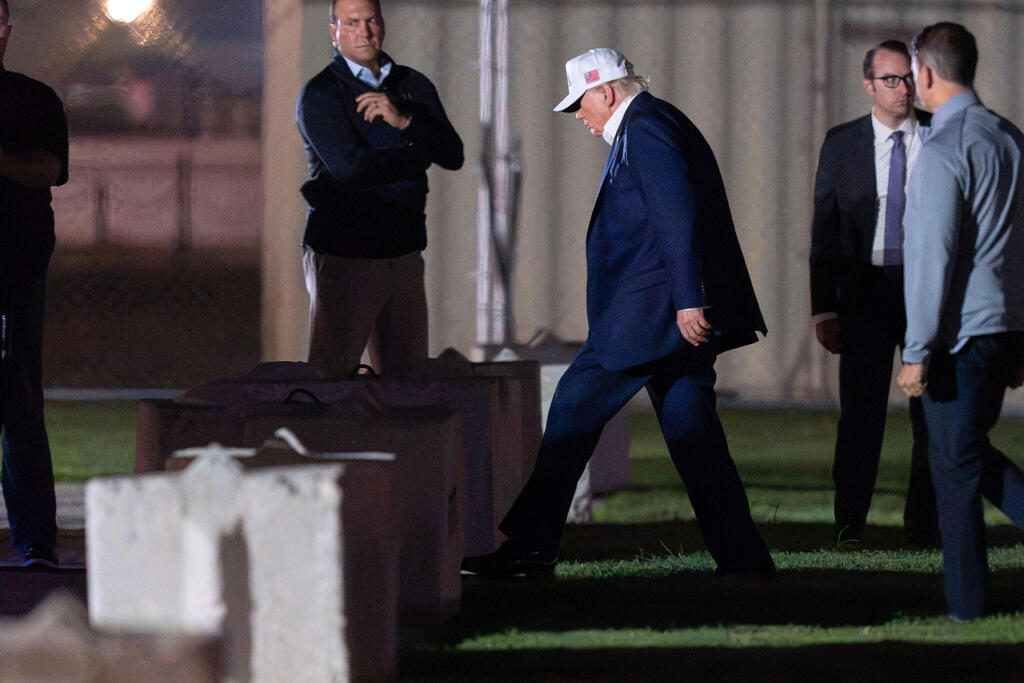
US President Donald Trump returns to the White House after cutting Camp David stay short
(Photo: AP Photo/Jose Luis Magana)
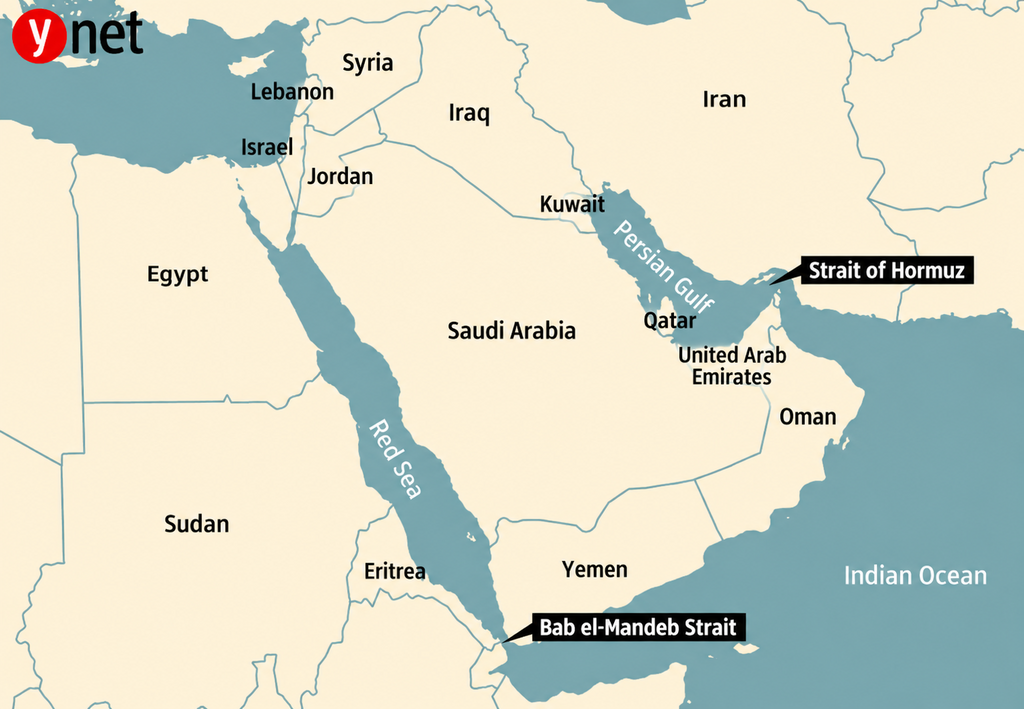
Warnings were issued by U.S. embassies across the region, including in Israel, Oman, Lebanon, Iraq, Bahrain, Jordan, Kuwait, Qatar, Saudi Arabia and the United Arab Emirates.
Saudi Arabia said the Houthi attack on Riyadh involved a ballistic missile that was intercepted. Residents reported hearing explosions, and flames and thick smoke were seen near the airport. Saudi authorities reported no casualties or damage from the missile itself.
The Saudi-led coalition also said the Houthis attempted to strike civilian infrastructure in the Red Sea port city of Yanbu, as well as Taif, Baysh and Farasan, but that those attacks were thwarted. Yanbu is a crucial outlet for Saudi oil exports.
The Houthis offered a different account, saying they had attacked “sensitive sites” in Riyadh and facilities belonging to Saudi oil giant Aramco in Yanbu. Houthi military spokesman Yahya Saree claimed the strikes caused major fires. The claims were not independently verified.
Iranian parliament speaker Mohammad Bagher Ghalibaf, meanwhile, said Tehran would not return to the previous terms for negotiations with Washington or allow normal passage through the Strait of Hormuz until Iran’s demands were met and the United States honored its commitments.
Iran lays out its conditions
Mohsen Rezaei, secretary of Iran’s Supreme National Security Council, told Qatar’s Al Jazeera on Saturday that Tehran was prepared for what he called a “decisive war” while saying Iran had presented the Trump administration with seven conditions for reopening negotiations.
Rezaei also said Iran’s current nuclear doctrine remained unchanged and that Tehran continued to abide by a religious decree prohibiting nuclear weapons, though he suggested future developments could affect its position.
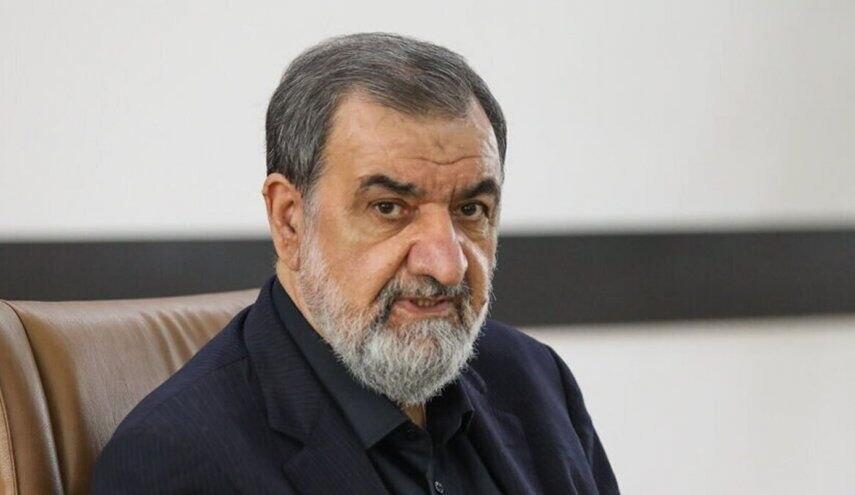
Mohsen Rezaei
“Trump’s threats will not achieve any results,” Rezaei told Al Jazeera. “We are prepared for a decisive war.”
Rezaei said Iran was in contact with mediators Qatar and Pakistan and that Doha had relayed Tehran’s conditions to Washington. He said Iran was awaiting Trump’s response.
The publicly disclosed conditions include ending the war on all fronts, releasing frozen Iranian funds and lifting the U.S. naval blockade restricting Iranian oil exports. Tehran has not publicly detailed all seven demands.
The demands resemble conditions Iran previously raised in connection with restrictions on passage through the Strait of Hormuz, the strategic waterway through which a significant share of the world’s oil trade normally passes.
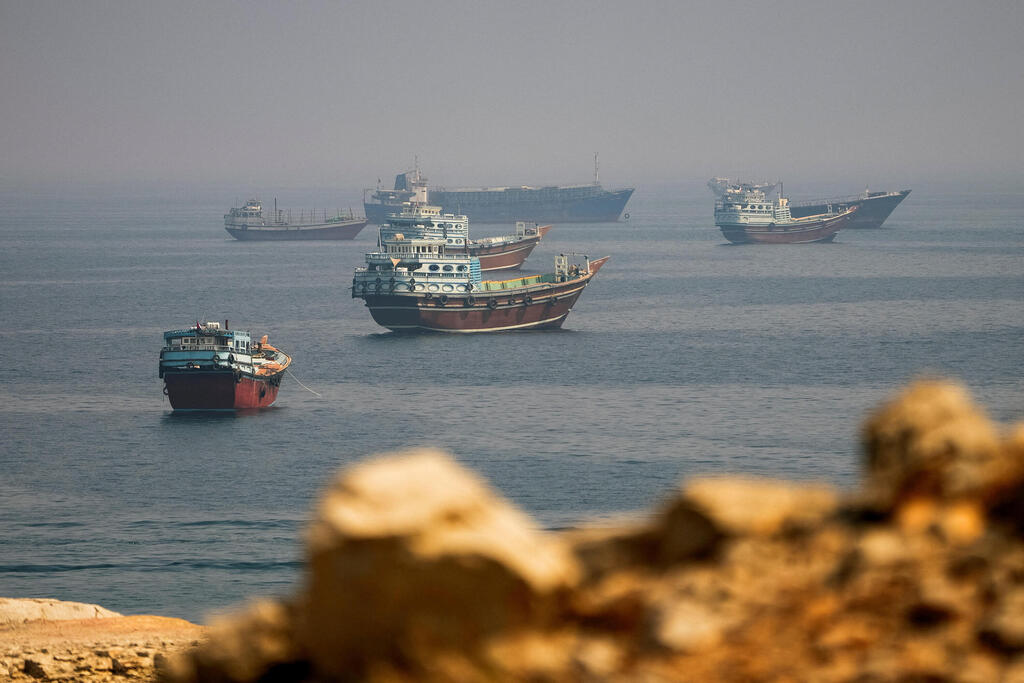
Strait of Hormuz
(Photo: REUTERS/Stringer)
The United States has been conducting operations aimed at protecting shipping and maintaining the flow of oil through the region as the conflict has disrupted energy markets and kept crude prices elevated.
The escalation has increasingly drawn the Houthis into the wider regional confrontation. The group has launched missile and one-way attack drone strikes against Saudi oil and energy infrastructure, while Saudi Arabia has carried out waves of airstrikes against Houthi-controlled areas in Yemen as it supports forces aligned with Yemen’s internationally recognized government.
Saree confirmed that the Houthis launched their first attack on Riyadh since the latest escalation overnight Friday into Saturday. He said the group struck “sensitive sites” in the Saudi capital and an Aramco facility in Yanbu.
Yanbu has become increasingly important to Saudi Arabia as an alternative outlet for oil exports amid severe disruption around the Strait of Hormuz. Saudi energy infrastructure has also faced attacks elsewhere during the regional conflict, adding to concerns over the reliability of alternative export routes.

Houthi operatives in Sanaa, Yemen
(Photo: AP)
The Houthis said their attacks were retaliation for continuing Saudi airstrikes in Yemen. Saree claimed Saudi Arabia had carried out 732 airstrikes since the latest escalation, a figure that could not be independently verified.
The Houthi spokesman also rejected Saudi allegations that the group had launched a drone toward Mecca, Islam’s holiest city, calling the accusation false. Saudi Arabia had accused the Houthis of targeting the city earlier in the week, an allegation the group denied.
Saree said the Houthis would continue what he described as a policy of “blockade for blockade” and “escalation for escalation” until Saudi attacks ended and restrictions imposed on Houthi-controlled Yemen were lifted.
The Houthis have long accused Saudi Arabia of imposing an air and sea blockade on areas under their control. Even before the latest escalation, the group had announced what it called a naval blockade targeting Saudi shipping.
It remains unclear how the renewed Saudi-Houthi fighting will affect the broader confrontation involving Iran and the United States. The Houthis, who are aligned with Tehran but maintain their own leadership and decision-making structure, have made rapid territorial gains in Yemen in recent weeks and expanded their position along the Red Sea coast.
The escalation has heightened concerns over both Saudi oil exports and shipping through the Red Sea and the Bab el-Mandab, one of the world’s most important maritime chokepoints.
Former U.S. diplomat Joey Hood told CNN that Houthi advances in the Red Sea could strengthen Iran’s position in its broader confrontation with Washington and complicate attempts to negotiate with Tehran.
“Iran is now in an existential struggle and is mobilizing all its proxies to fight,” Hood said, according to CNN. He added that while the Houthis are not remotely controlled by Tehran, they rely on Iranian support, meaning their stated reasons for launching the current offensive may not fully explain the timing of the escalation.