



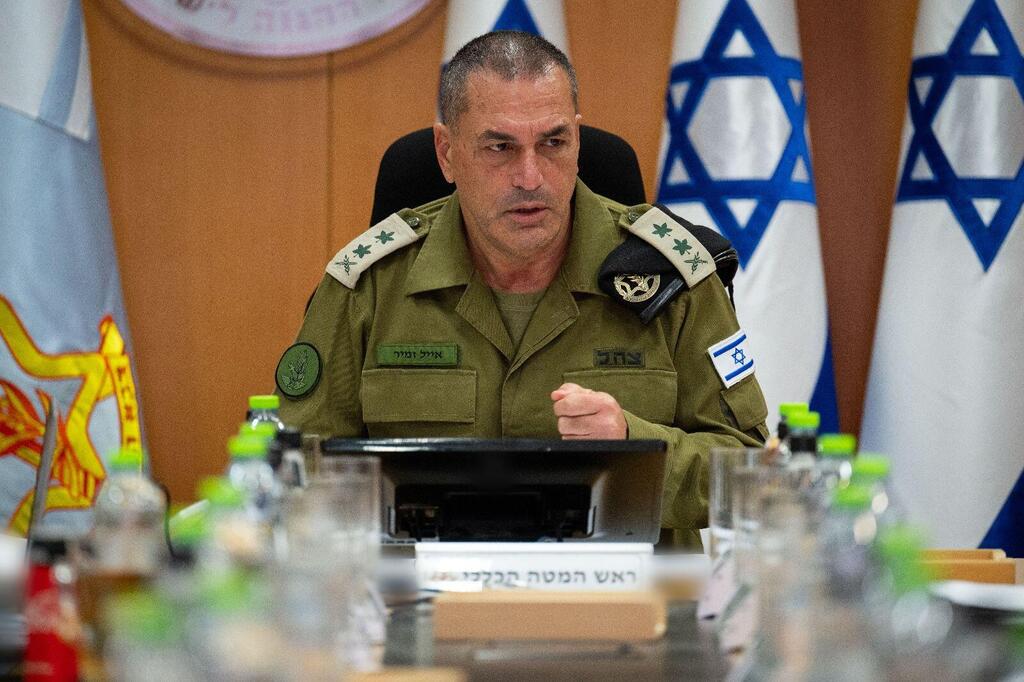
Israel’s security cabinet met Thursday night to debate whether to approve a full military conquest of the Gaza Strip, as IDF Chief of Staff Lt. Gen. Eyal Zamir warned that such an operation would endanger the lives of hostages still held by Hamas.
Zamir, addressing ministers during the high-stakes meeting, repeated his support for a strategy of encirclement and said advancing into densely populated areas would make it impossible to ensure the hostages’ safety. He also warned that a full conquest would come at significant cost to the military’s strength and readiness.
Protests across Israel over Netanyahu's push for full conquest of Gaza
(Video: Or Hedar, Ziv Shama Communications, Tzvika Golan, Eilat Markovich, Ilan Figenboim, Martin Wilder)


“The deeper we go into sensitive areas, the greater the risk to the hostages,” Zamir said, noting that Israeli forces would not be able to protect them once ground operations reach core urban zones.
Prime Minister Benjamin Netanyahu rejected that approach and argued that the current strategy had failed to produce results. “I don’t want to preserve Hamas — I want to defeat it,” he told the cabinet, defending the proposed campaign despite warnings from military leadership and families of the hostages, who have been in captivity for 671 days.
A clear majority of ministers appeared likely to support Netanyahu’s position. The plan reportedly includes a call for Gazan civilians to evacuate south, followed by an ultimatum to Hamas to surrender. If the terror group refuses, Israeli forces would move into Gaza City as the first stage of a broader campaign to take control of the entire territory.
Netanyahu said the military action would be staged and reversible. “Even during an operation to take the Strip, we can stop the fighting if Hamas accepts Israel’s conditions,” he said. Far-right ministers Itamar Ben-Gvir and Bezalel Smotrich pushed for a more aggressive approach and urged the government not to waver.
Outside the meeting, hostage families and former captives protested across the country, including in Tel Aviv, where demonstrators blocked roads and burned tires.
Some ministers questioned the results of Operation Gideon's Chariots, which has been ongoing for weeks. Zamir defended the operation, saying it had achieved significant tactical gains and created conditions for a potential hostage deal — one that has not yet materialized.
Shas party leader Aryeh Deri, who does not hold a ministerial role but was invited to attend the meeting, aligned himself with Zamir and lobbied other ministers to amend Netanyahu’s proposal and avoid a full conquest.
Negotiators told the cabinet that indirect messages from mediators suggest Hamas may be softening and could be willing to return to talks. But several ministers dismissed those reports as a stall tactic and accused international mediators of shielding Hamas from military defeat.
A security official presented video footage of Hamas fighters allegedly shooting women and children in the limbs to prevent them from fleeing combat zones. Prime Minister’s Office spokesperson Ziv Agmon criticized the media for not airing the footage, calling it a public diplomacy failure.
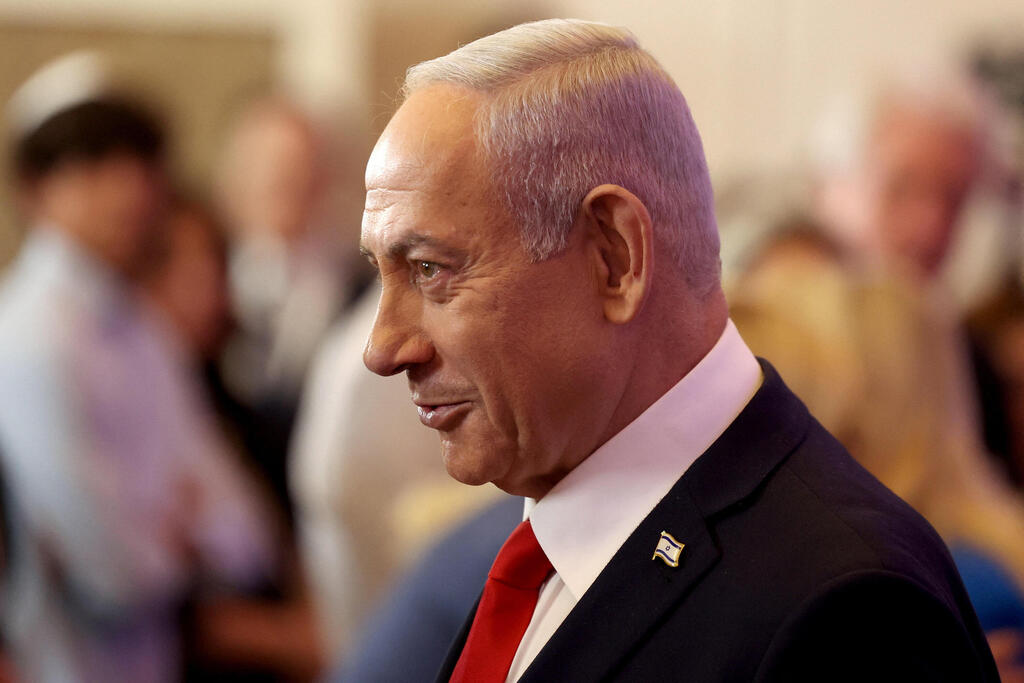
Prime Minister Benjamin Netanyahu
(Photo: Ronen Zvulun/REUTERS)
Earlier Thursday, Netanyahu gave interviews to international outlets to explain his position, amid growing criticism abroad. He told Indian reporters that Israel does not intend to annex Gaza. In an interview with Fox News, he acknowledged that Israel aims to take military control of the Strip but not to govern it permanently.
“We want to transfer it to Arab forces that will manage it properly,” Netanyahu said. “We want to free ourselves — and them. Hamas is holding two million Gazans hostage.”
Hamas responded by accusing Netanyahu of pursuing a policy of destruction and displacement. “His comments reveal his real intentions — to sacrifice the hostages for personal and political gain,” a statement from the group said. “Expanding the aggression will not be a picnic. The cost will be heavy.”
Get the Ynetnews app on your smartphone: Google Play: https://bit.ly/4eJ37pE | Apple App Store: https://bit.ly/3ZL7iNv
Several Arab states rejected Netanyahu’s vision for post-Hamas Gaza. A senior Jordanian official told Reuters that Arab countries would only support a solution accepted by the Palestinian leadership. “Only legitimate Palestinian institutions should be responsible for security,” the official said.
The United States, meanwhile, is expanding humanitarian operations in the Strip. U.S. Ambassador to Israel Mike Huckabee said Washington plans to increase the number of aid distribution centers run by the Global Humanitarian Foundation in Gaza from four to 16.