


From the statements issued by both sides after the preliminary U.S.-Iran talks held in Oman last Friday, it was already clear that Iran was showing very little willingness to move from its positions, while the United States appeared ready to compromise on a nuclear agreement that would lift sanctions. Such an agreement would indirectly help the Iranian regime survive, recover and once again threaten its surroundings.
Worse still, an agreement between the United States and the ayatollahs could tie Israel’s hands and limit its ability to independently thwart Iran’s nuclear and missile threats. Alternatively, it could place Prime Minister Benjamin Netanyahu on a direct collision course with President Donald Trump.
Gallery
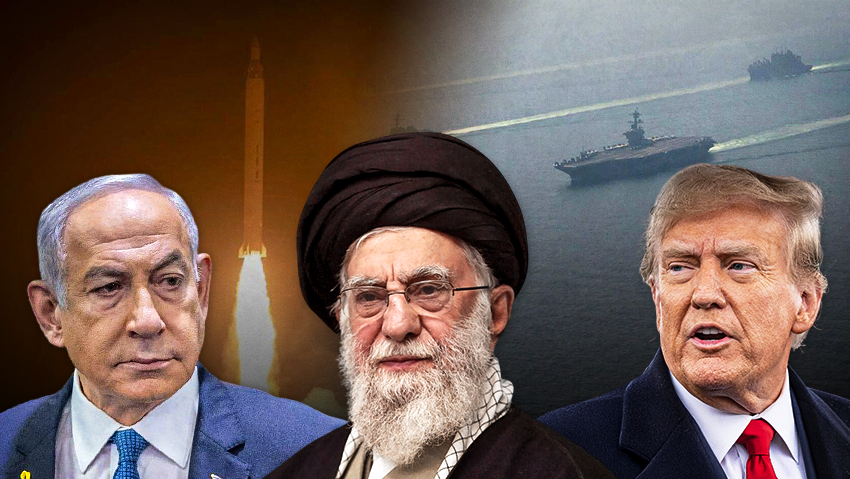
Benjamin Netanyahu, Ali Khamenei and Donald Trump
(Photo: Lev Radin/ Shutterstock, AP, Haim Goldberg/ Flash90)
That is why Netanyahu decided to move up his trip to Washington by two weeks. The urgency stems from two main reasons. The first is the need to persuade Trump in advance to narrow the scope of compromises that US envoys Steve Witkoff and Jared Kushner might agree to with the Iranians, starting with the procedures governing the talks and extending to the substance of any agreement.
The second reason is the pace at which Iran is rebuilding its ballistic missile and drone capabilities. Based on lessons drawn from the 12-day war, the regime in Tehran now sees ballistic missiles as its primary deterrent as long as it does not possess nuclear weapons. As a result, Iran is rapidly restoring its missile development, production and launch systems.
Iran has a heavy metallurgical industry and missile and fuel development centers spread across its vast territory, which made it impossible for Israel to destroy all of them during Operation Rising Lion. At the same time, Iran managed to penetrate Israeli air defenses with a limited number of missiles that nonetheless caused casualties and damage.
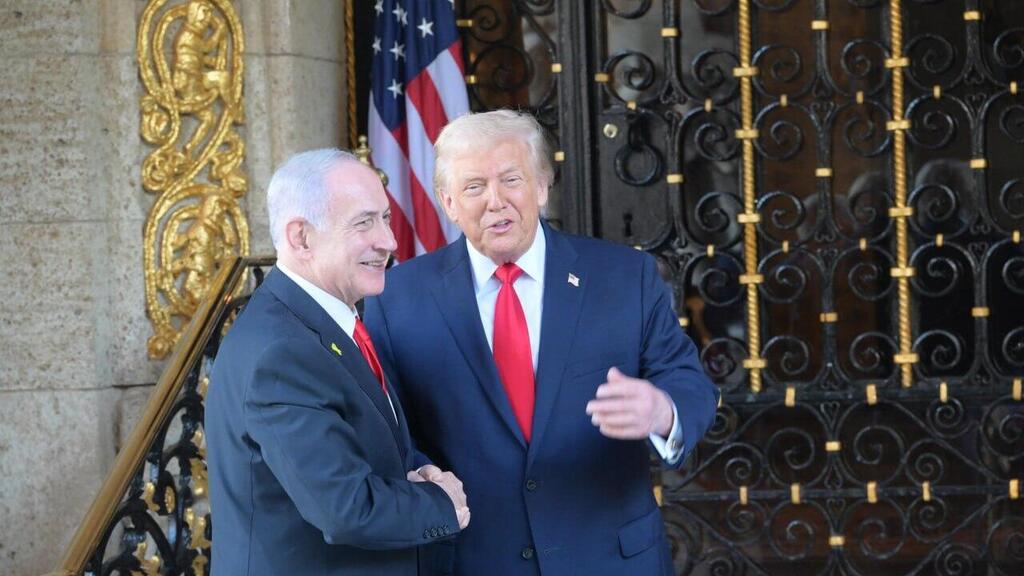
Netanyahu and Trump
(Photo: Amos Ben Gershom/ GPO)
Using what remains of its infrastructure, Iran is now producing hundreds of ballistic missiles each month. Most are liquid-fueled, but some are precision missiles powered by solid fuel. The quality may be limited, but the sheer quantity could overwhelm both Israeli and American air defense systems. Every passing day, Iran increases its ability to threaten its neighbors and deter both Israel and the United States. Prolonged negotiations serve Iran’s interests and raise the cost for Washington of maintaining an offensive military posture in the region.
Iran set strict preconditions for entering negotiations. From statements by Iranian Foreign Minister Abbas Araghchi, it is clear that Supreme Leader Ali Khamenei sharply limited his mandate. Iran is prepared to discuss only certain restrictions that would “freeze” its nuclear program, which is currently inactive due to damage sustained during the 12-day war. Tehran refuses to fully dismantle the nuclear project or relinquish capabilities that could allow it to break out toward a nuclear weapon in the future.
On ballistic missiles, on ending support for its proxies and on halting the brutal suppression of internal protests, Iran has refused to engage in discussions with the Americans, directly or indirectly.
According to experts, Khamenei would rather risk war than concede to American demands, fearing that any display of weakness could threaten his personal survival, the regime’s stability and the Islamic Revolution itself. What worries Israel most is that the United States appears willing to accept many of Iran’s preconditions.
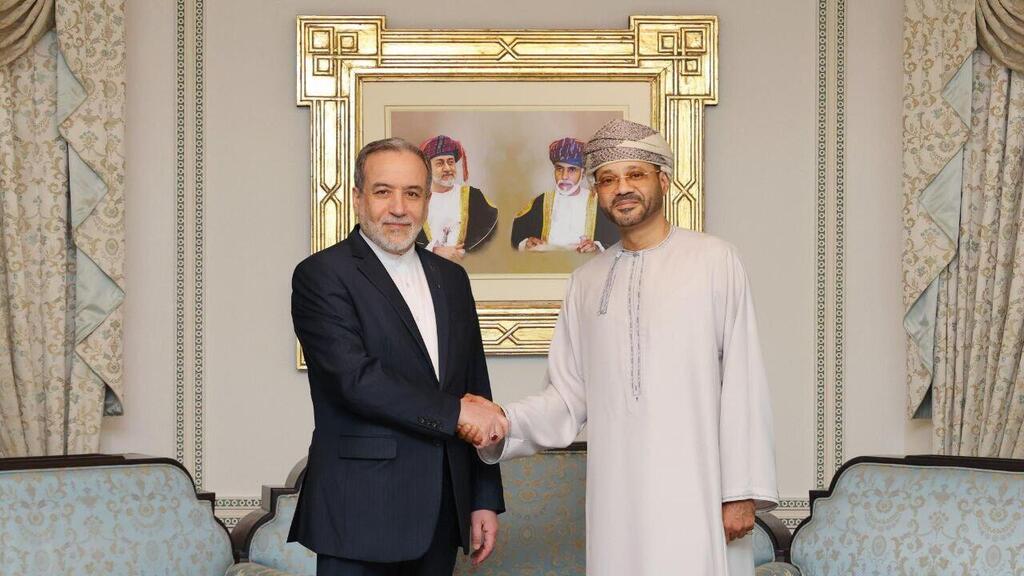
Iranian Foreign Minister Abbas Araghchi in Oman
(Photo: Oman Foreign Ministry)
Trump repeatedly refers only to Iran’s nuclear program and avoids mentioning missiles or proxies. In Israel, there is growing concern that Washington would settle for a nuclear agreement that Trump could present as a major achievement, claiming it is better than the deal reached under the Obama administration in 2015.
From Israel’s perspective, however, a deal that does not limit the range of Iran’s ballistic missiles would be highly problematic. Lifting sanctions would allow Iran to resume oil and gas exports, ease domestic economic pressure and reduce public unrest, helping the regime stabilize itself.
Experience shows that a significant share of the funds Iran gains from sanctions relief would be directed to military projects, primarily missiles and attack drones. Hezbollah, the Houthis, Iraqi militias and Hamas would also benefit. This is exactly what happened when the Biden administration eased sanctions to entice Iran back to negotiations.
(Video: Reuters)


Any agreement that lacks strict limits on missiles and nuclear capabilities could also deprive Israel of the freedom to act militarily against these projects, even if they grow into an existential threat. Once Trump declares “regional peace,” no Israeli government would risk undermining it.
Trump, for his part, will not authorize an attack unless he is assured it would be short, decisive and not drag the United States into a prolonged air and naval campaign. According to officials familiar with US preparations, those conditions are currently not met. The United States lacks the intelligence needed to deliver a decisive blow within days, including regime change, destruction of the nuclear program and dismantling Iran’s missile infrastructure.

CENTCOM commander Brad Cooper, Jared Kushner and Steve Witkoff aboard the USS Abraham Lincoln
(Photo: X)
A prolonged conflict would also weaken U.S. deterrence in East Asia, where forces have been diverted from the Pacific, and could trigger a global oil crisis if the Strait of Hormuz were closed. Trump also faces strong isolationist pressure within his party and upcoming midterm elections.
Netanyahu’s goals in Washington are therefore clear. He will seek to shorten negotiations as much as possible, prevent Iran from buying time, and insist on permanent dismantling of the nuclear program, including zero enrichment and intrusive inspections. He will also demand limits on the range and quantity of ballistic missiles and a gradual lifting of sanctions to prevent Iran from rapidly funding Hezbollah and the Houthis.
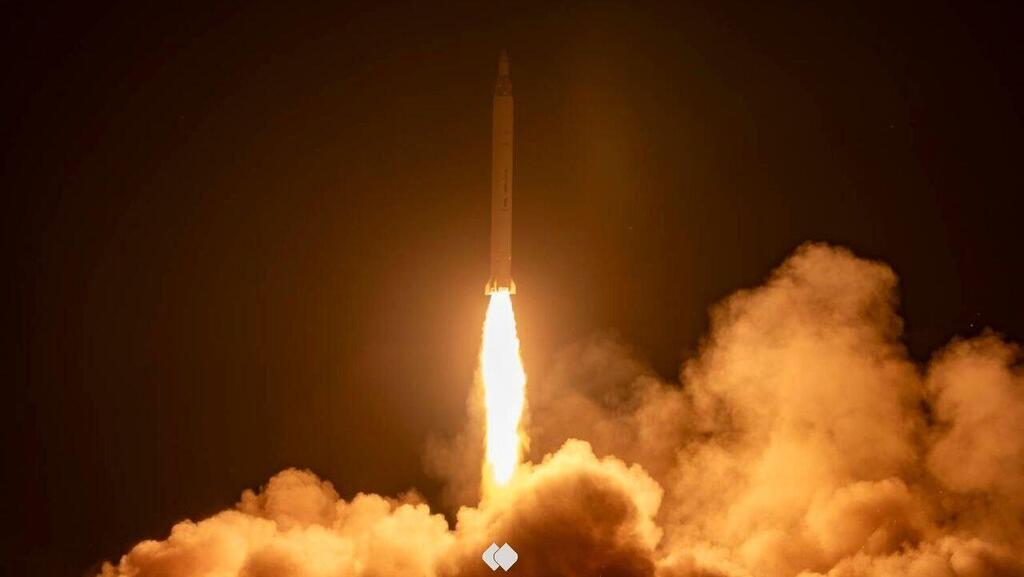
Iranian missile launched toward Israel
If Iran rejects these terms, Netanyahu is likely to propose joint U.S.-Israeli military action on a scale far greater than previous operations.
A secondary reason for the trip relates to Gaza. Netanyahu fears being drawn into diplomatic frameworks that would allow reconstruction before Hamas is disarmed. Israel’s position remains firm: no reconstruction without disarmament and full demilitarization of Gaza.