


The IDF said Sunday that its forces had captured Beaufort Castle in southern Lebanon and were “establishing themselves in the area,” as part of a broad ground operation on the Beaufort ridge and around the Saluki stream.
The military said the operation was aimed at removing what it described as a direct threat to the Galilee Panhandle and Metula. According to the IDF, large ground forces from the Golani Brigade, the 7th Brigade, the Givati Brigade, the Fire Brigade and the Multidimensional Unit crossed the Litani River several days ago as part of the maneuver.
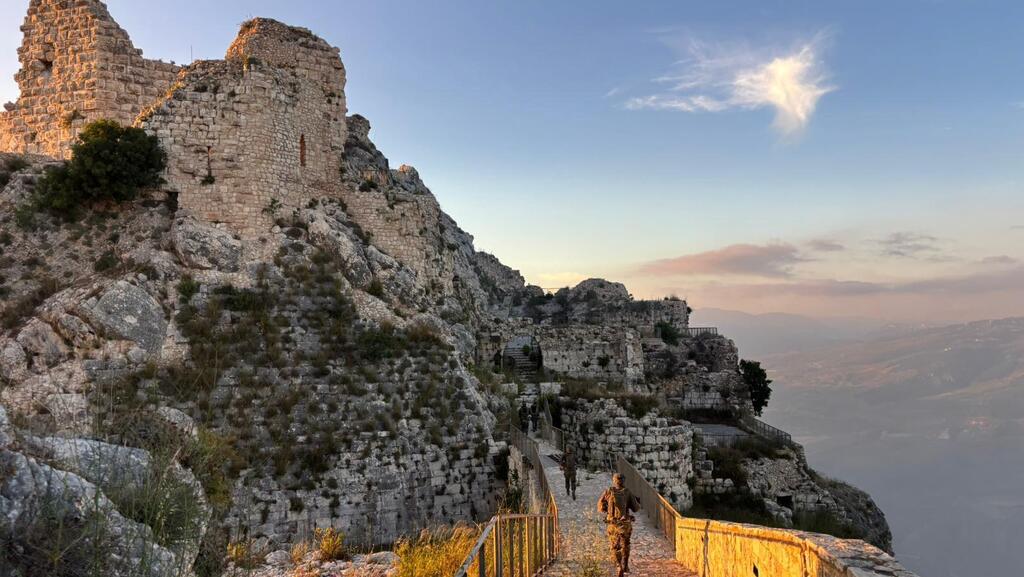
The Beaufort area, north of the Litani, is seen by the IDF as a key Hezbollah zone because of its commanding position over large parts of southern Lebanon and the Israeli border area. The Crusader-era fortress sits on a high ridge near the bend of the Litani and has long been considered one of the most strategically sensitive points in southern Lebanon.
The IDF said the operation was approved by the chief of staff and preceded by organized battle procedures, preparatory fire and operational groundwork led by Northern Command. The military said the forces were working to secure control of the Beaufort ridge and the Saluki area, while striking Hezbollah and destroying infrastructure built there under Iranian guidance.
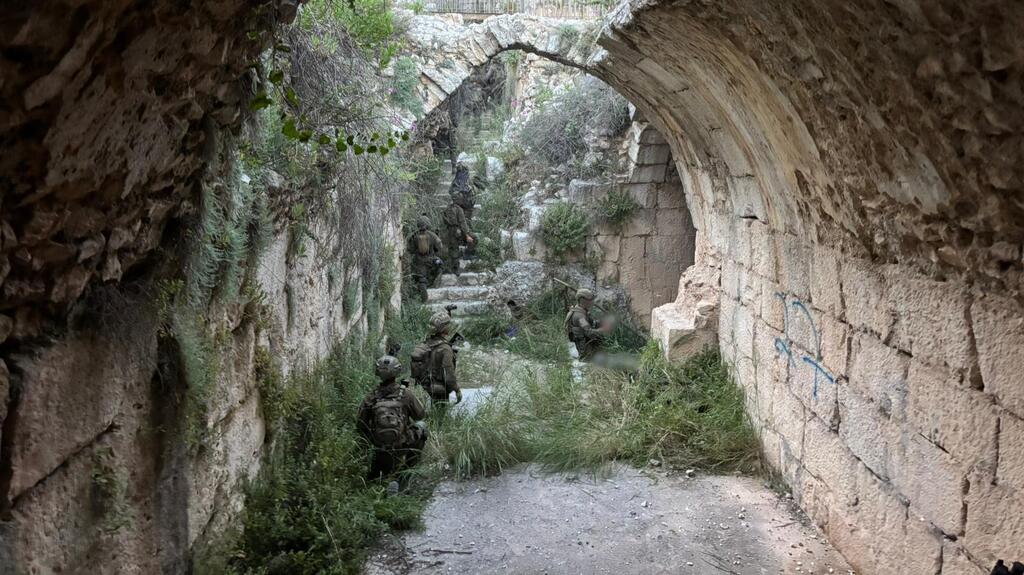
(Photo: IDF)
Before the ground forces entered, the Air Force carried out extensive strikes on Hezbollah targets, alongside artillery and tank fire, the IDF said.
“The IDF is operating near Nabatieh, which constitutes a significant Hezbollah power center in southern Lebanon, and is prepared and ready to expand the offensive as required,” the military said.
Beaufort Castle holds a deep place in Israeli military memory. Before the First Lebanon War, it was held by PLO fighters, who used its elevated position to fire mortars and Katyusha rockets at communities in the Galilee and to observe possible IDF routes northward.
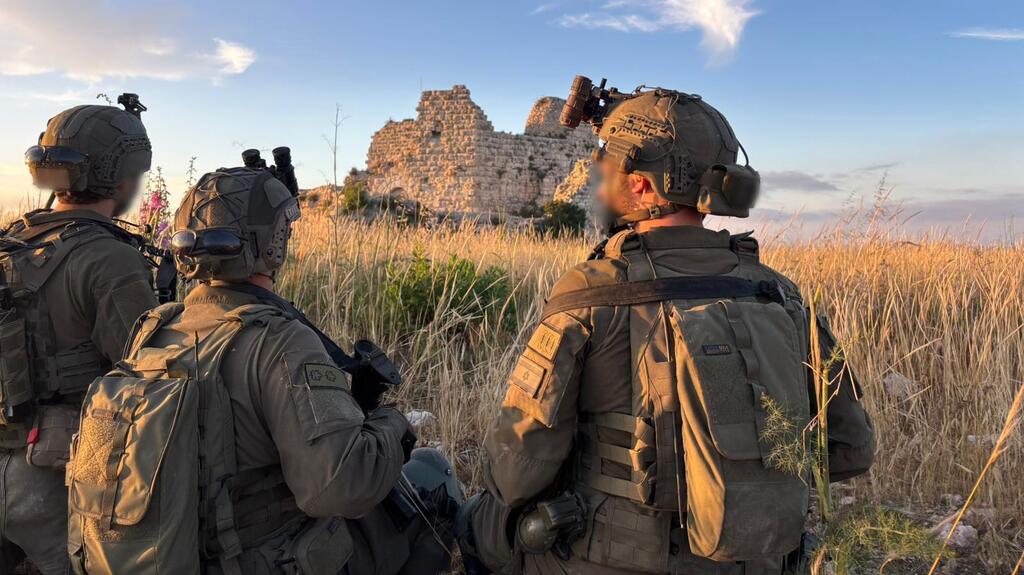
(Photo: IDF)
At the start of Operation Peace for Galilee in 1982, capturing the fortress became one of the IDF’s first and most symbolic objectives. The mission was assigned to the Golani Reconnaissance Unit, whose troops fought their way up the steep, narrow approach to the fortress on the night of June 6-7, battling at close range in trenches and fortified positions.
The battle ended with the capture of the fortress, but at a heavy cost: six Golani troops and commanders were killed, including the unit commander, Maj. Goni Hernik, and Lt. Avikam Sharf.
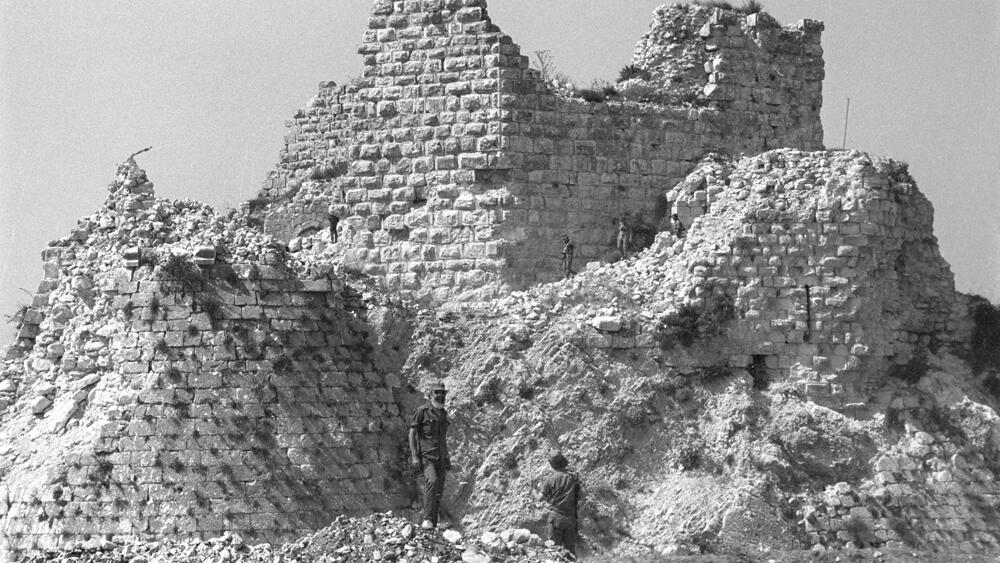
Beaufort after its capture in 1982
(Photo: IDF Archive)
After the IDF withdrew to the security zone in 1985, Beaufort’s role changed. It became an isolated forward outpost in the heart of southern Lebanon, manned by Israeli troops for about 15 years under persistent Hezbollah fire. The route leading to it became known as the “axis of blood” because of the roadside bombs and attacks that killed and wounded soldiers over the years.
For a generation of Israeli troops and families, Beaufort became one of the defining symbols of Israel’s long and bloody presence in Lebanon.
The previous Israeli chapter at Beaufort ended on the night of May 23-24, 2000, during the IDF withdrawal from southern Lebanon. Israeli troops evacuated the outpost under secrecy and later blew up the military compound built around the fortress to deny Hezbollah a victory image at the site.
First published: 06:42, 05.31.26