

On a remote island in the Andaman Sea, bulldozers are carving through untouched rainforest that serves as home to “the most isolated people in the world.” The work is part of an ambitious Indian government plan to develop the Andaman and Nicobar Islands, a territory about 1,200 km east of mainland India, aimed at countering China’s growing influence in the Indian Ocean. The $9 billion project includes a massive seaport, airport and a new city on Great Nicobar Island, in the southern part of the archipelago, closer to Southeast Asia than to the Indian subcontinent.
Authorities in India have promised a sweeping economic transformation at the gateway to one of the world’s busiest shipping lanes, the Malacca Strait, through which about 30% of global trade passes. “The Great Nicobar project has strategic, security and national importance and will turn the region into a key hub of maritime and air connectivity in the Indian Ocean region,” Prime Minister Narendra Modi said in September.
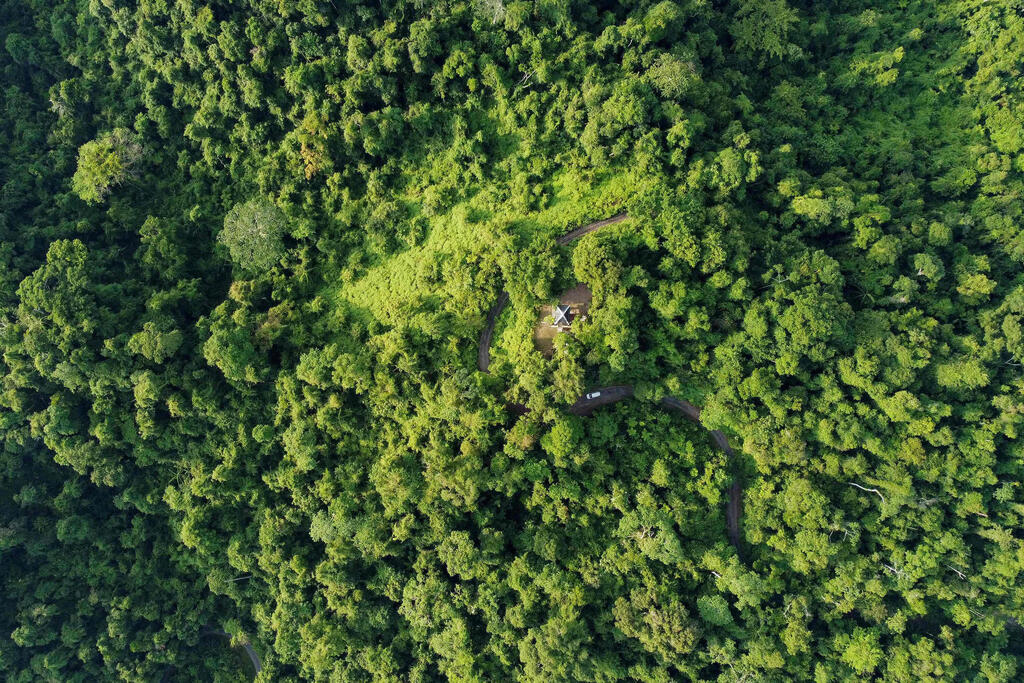
Opposition has grown among residents and environmental activists. Access to parts of the island currently requires special permits, particularly regarding Indigenous groups living there. But under the plan, roads, bridges and jetties will be built on an island surrounded by lagoons and coral reefs. About 95% of its area is covered in biodiverse forests that have not been fully studied, and completing the project would require clearing about a fifth of this green cover.
Human rights group Survival International has warned that Indigenous communities face “genocide in the name of ‘mega-development’.” The island’s Indigenous population, about 1,200 people, includes the Nicobarese and the Shompen, a hunter-gatherer tribe that avoids all contact with outsiders and is described by the group as among the most isolated on Earth.
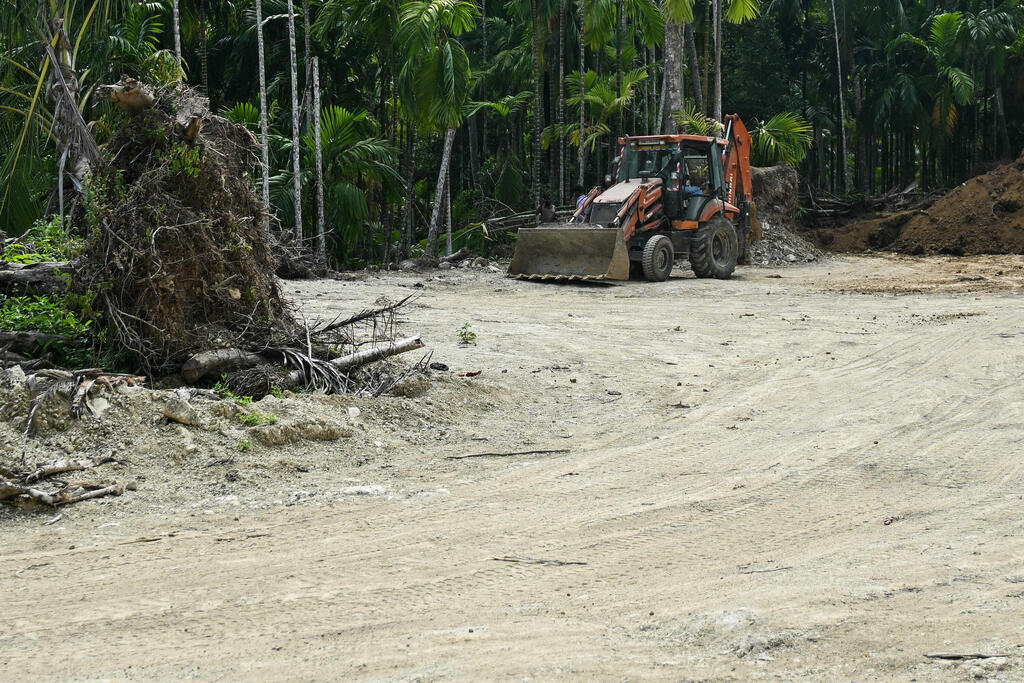
Bulldozers on Great Nicobar Island
(Photo: R. Satish BABU / AFP)
The Indian government insists it has met all environmental requirements for the project and has pledged to protect the island’s Indigenous people as well as its unique flora and fauna through designated protected zones. India’s environmental court ruled it “found no strong grounds to intervene” in the plan.
At the same time, even the court appears to give priority to competition with China over conservation on Great Nicobar. “The area falls within China’s ‘String of Pearls’ strategy, which Indian authorities seek to counter under India’s ‘Act East’ policy,” the court noted in its ruling.
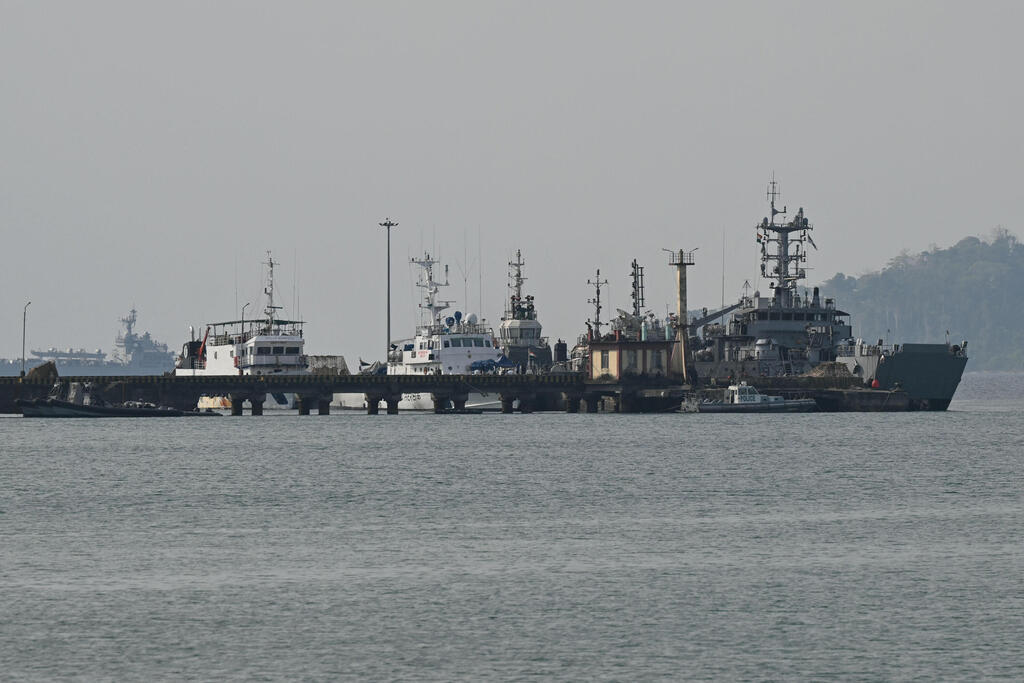
Ships in Campbell Bay on Great Nicobar Island
(Photo: R. Satish BABU / AFP)
Beijing has long been developing infrastructure across the Indian Ocean under its “String of Pearls” initiative, building ports, military bases and logistics facilities along key maritime routes connecting it to the Middle East and Africa. Critics of China say the strategy also aims to contain India’s rise alongside securing Chinese economic interests.
India’s environment minister Bhupender Yadav said the project “poses no threat to the island’s tribes, does not harm any species and does not endanger the ecological sensitivity of the region.” The archipelago’s administrator, former admiral Devendra Kumar Joshi, said the first phase, including a port and airport worth $4 billion, is expected to be completed within three years. Once finished, the seaport is expected to become one of India’s three largest and compete with ports in Malaysia and Indonesia.
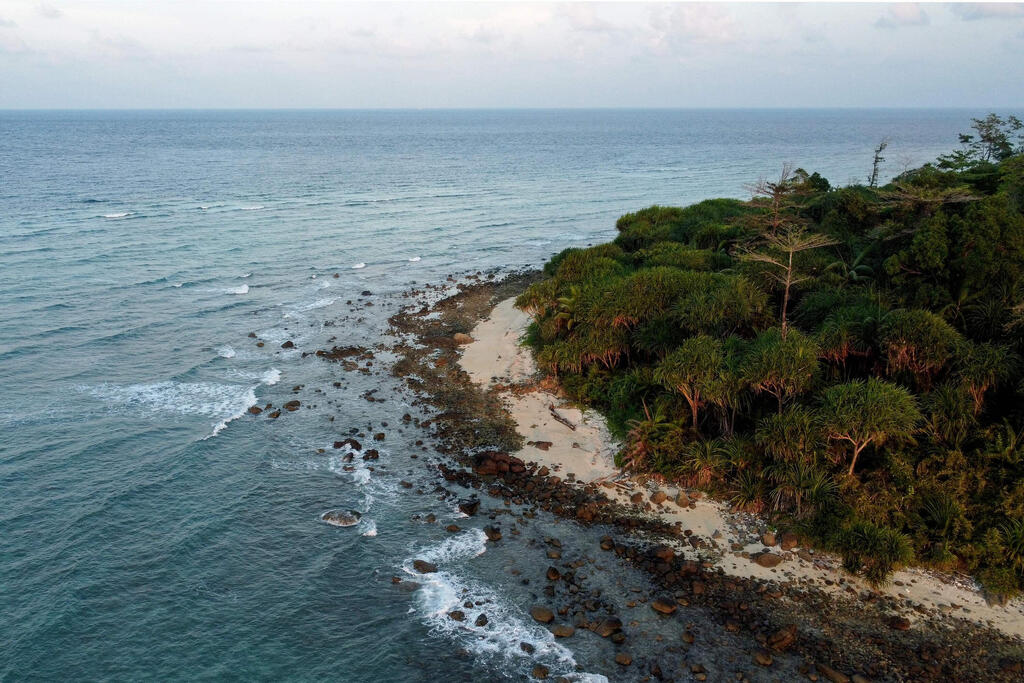
The beaches of Campbell Bay on Great Nicobar Island
(Photo: Shubham KOUL / AFP)
The port is the flagship element of the plan, but the broader development on the southern tip of the 836-island archipelago is part of a larger vision for the region spanning 800 kilometers. Government plans also include expanding maritime and air infrastructure across the islands. A new airport is planned for the capital, Sri Vijaya Puram, and existing runways will be extended for both military and commercial use.
While the military dimension remains largely undisclosed, the island’s strategic location is undisputed. Over centuries, from the Chola dynasty to British rule, it has served as a naval outpost, sitting just 175 km from Indonesia. “Great Nicobar is like an unsinkable aircraft carrier,” said Nitin Gokhale, a security analyst in New Delhi.
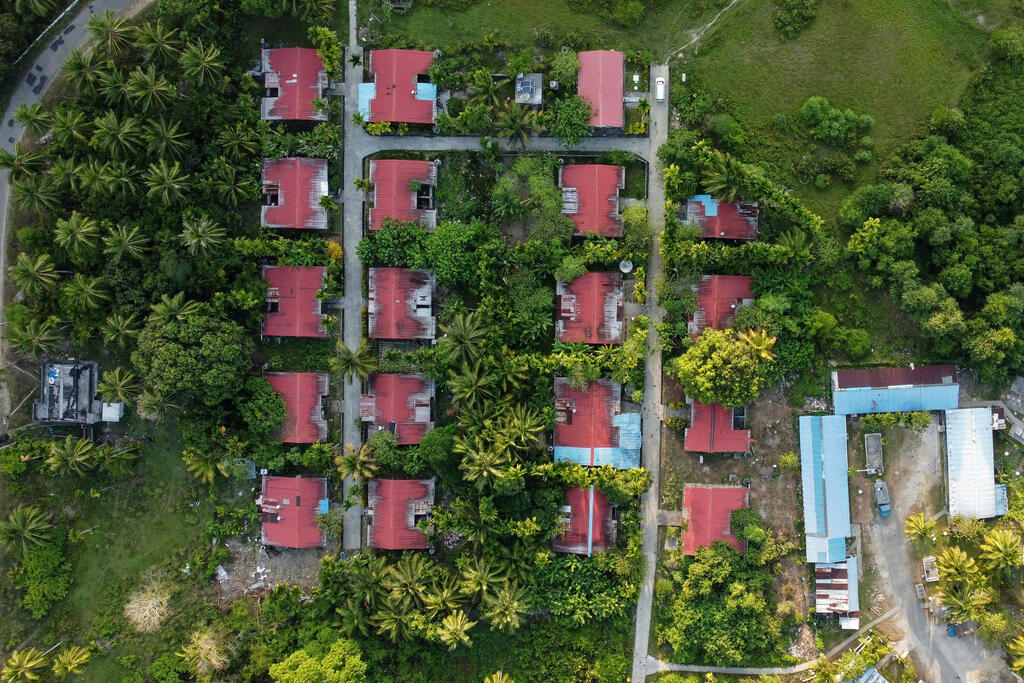
Urban development on Great Nicobar Island
(Photo: Shubham KOUL / AFP)
The project also includes a gas and diesel power plant, hotels and a city spanning 161 square kilometers, significantly larger than the archipelago’s capital. The population of Great Nicobar is expected to grow from about 9,000 residents to 336,000 by 2055, while tourism could exceed one million visitors annually.
Environmental activists are watching the plans with alarm. “I simply don’t understand the logic behind the project,” said Chandi, one of the few people who regularly visits small villages of the Nicobarese, where entry is restricted without permission. He also questioned the economic rationale, saying it is unclear how such massive investments would be recouped.
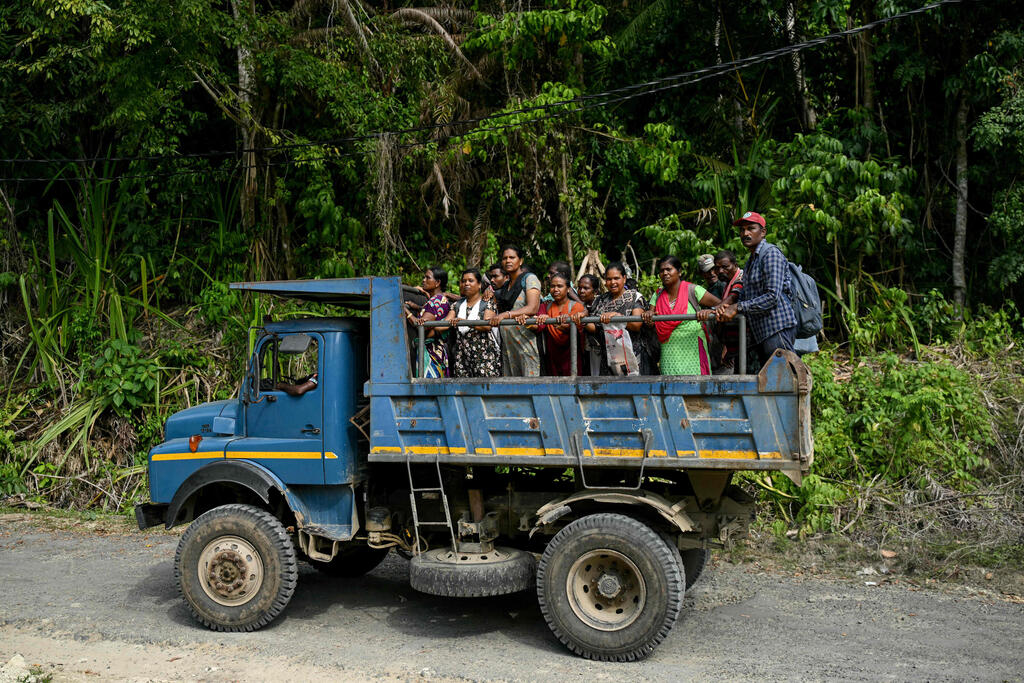
The indigenous population of Great Nicobar Island
(Photo: R. Satish BABU / AFP)
The government has promised to offset forest loss by planting saplings in Haryana, a state in northern India. “All of this is nonsense,” Chandi said. “We are removing crocodiles from their natural habitat and claiming we are conserving them.”
Residents warn that a culture thousands of years old could disappear. “If we lose control of this land, our culture will also be lost,” said Barnabas Mangju, 54, a senior Nicobarese leader. Skepticism is also present among settlers from mainland India, whose families began arriving in 1969 under a government settlement program aimed at asserting control over the sparsely populated territory.
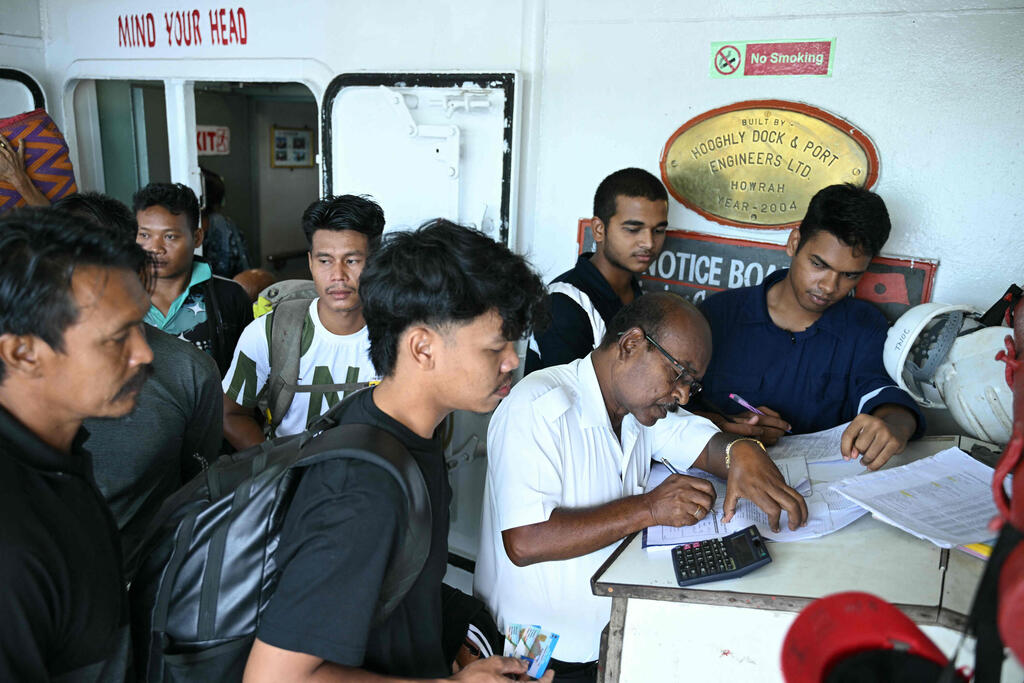
Tourists arrive on Great Nicobar Island
(Photo: R. Satish BABU / AFP)
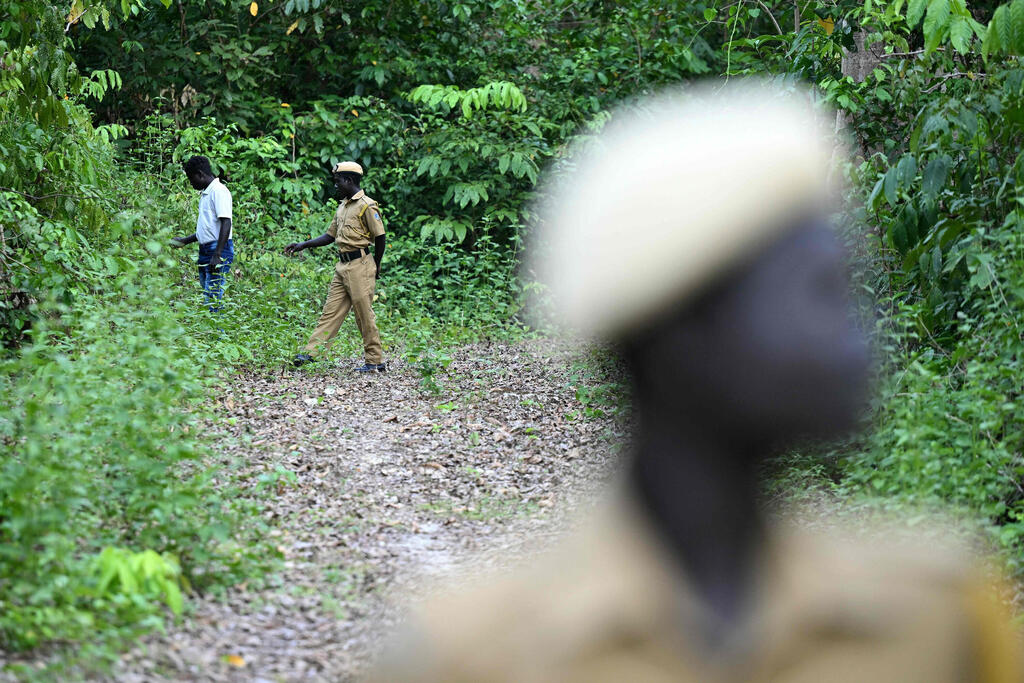
About 400 km from Great Nicobar, changes are already beginning to affect Little Andaman Island, which Admiral Joshi said would “experience the next wave of development.” Around 143 members of the Onge tribe live there in isolation, in thatched huts, fishing coral reefs and hunting wild boar in the forest.
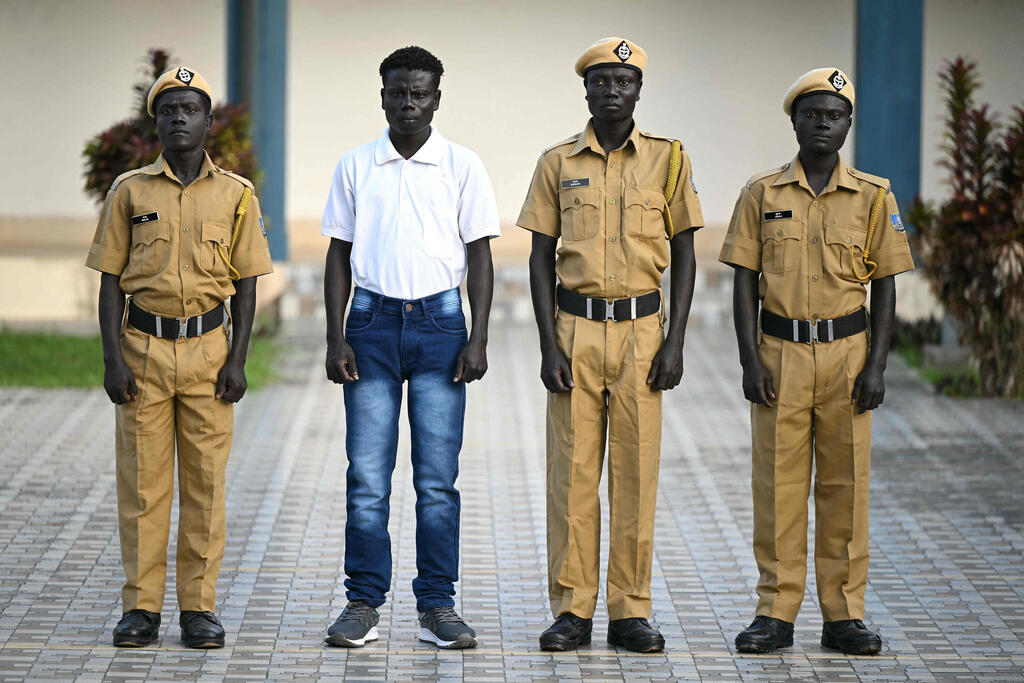
Local tribal people appointed as local guards on Little Andaman Island in the Andaman and Nicobar Islands group of India
(Photo: R. Satish BABU / AFP)
“We don’t need anything from the government or anyone else. We have everything,” said Raja, an Onge man recruited by authorities as a local guard amid growing concern over the impact of rising tourism across the islands.
Local tribal people appointed as local guards on Little Andaman Island in the Andaman and Nicobar Islands group of India
(Photo: R. Satish BABU / AFP)