


IDF chief of staff Lt. Gen. Eyal Zamir told lawmakers he has not received clear guidance from Prime Minister Benjamin Netanyahu on the next steps in Gaza, raising concerns about the army’s preparedness as it prepares to expand its offensive into Gaza City.
Zamir briefed the Knesset Subcommittee on Intelligence on Friday about expected combat operations, according to officials familiar with the closed-door session. The classified committee, part of parliament’s Foreign Affairs and Defense Committee, is one of the most secretive forums in the Knesset.
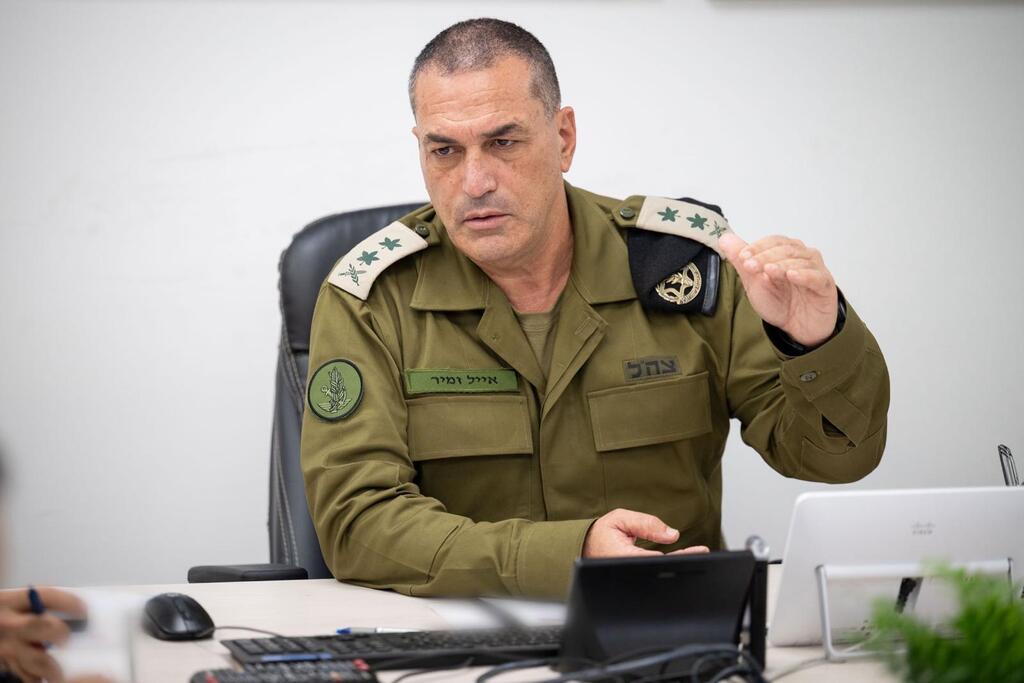
"The prime minister is not telling us what comes next, we don’t know what to prepare for,” Zamir told lawmakers, according to the officials. “If they want a military government, then they should say military government.”
Zamir criticized an American-backed aid program for Gaza, operated by the Gaza Humanitarian Foundation, which distributes food and relief through local centers. He called the effort “a failure,” questioning why the number of distribution centers was being expanded to 12 after he said the program did not succeed with four. Asked about a possible siege once civilians are evacuated, he said humanitarian aid would continue to enter Gaza as long as civilians remain, in line with international law.
The military chief reiterated warnings he made during a cabinet meeting two weeks earlier, when he outlined what he viewed as shortcomings in the government’s chosen plan for Gaza compared with his own alternative, which was not adopted. Among the concerns he listed were risks to soldiers, danger to hostages, lack of international legitimacy and the challenge of evacuating civilians.
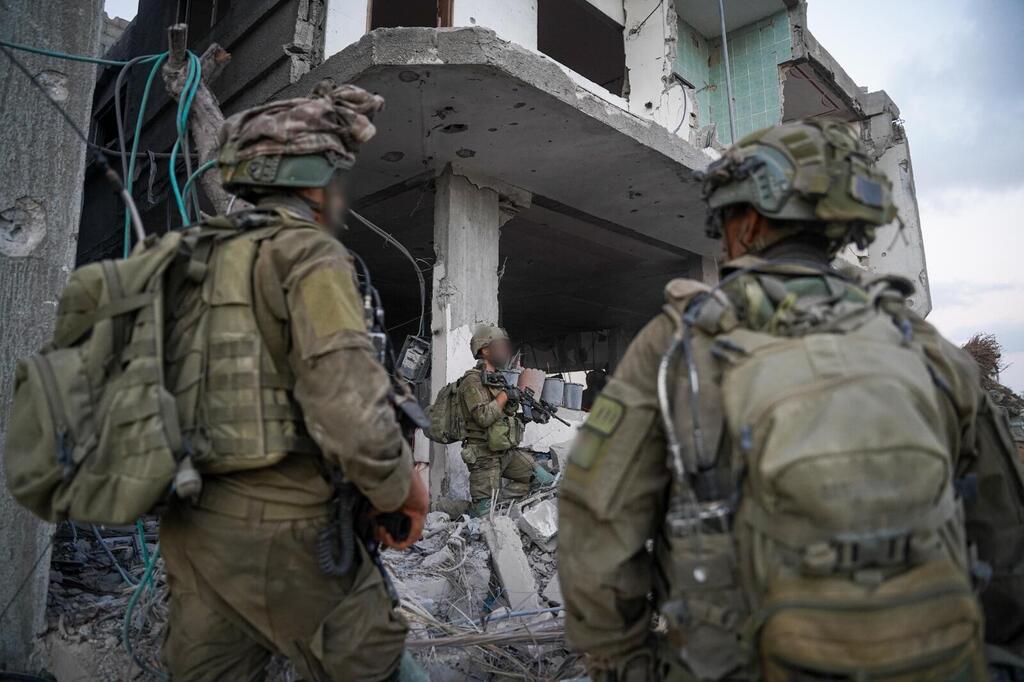
IDF forces in Gaza
(Photo: IDF Spokesperson's Unit)
Despite the disagreements, Zamir stressed the military would carry out the directives of the political leadership. In the earlier cabinet session, he cautioned that without a different decision, the operation would ultimately lead Israeli forces into Gaza’s central refugee camps, effectively placing large swaths of territory under military rule — a scenario he said the army does not want.
Ministers told Ynet and Yedioth Ahronoth that Zamir’s stance made clear he was implementing the plan solely because it was ordered by the government, not because he believed it was the correct course of action.