


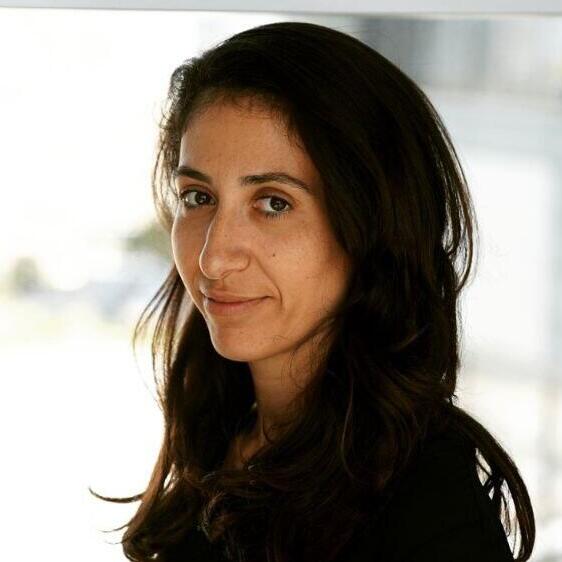
Esmail Qaani, commander of Iran’s Islamic Revolutionary Guard Corps' Quds Force, survived the 12-day war with Israel, but analysts say his once-feared organization has grown increasingly irrelevant — a trend that began even before the latest conflict and the targeted killings of some of Iran's most senior generals.
Qaani, who succeeded Qasem Soleimani after his assassination in a U.S. drone strike in 2020, has long been viewed as lacking his predecessor’s charisma and strategic command. Under his leadership, the Quds Force has seen its influence diminish both within Iran and among Tehran’s regional proxies, including Hezbollah and Hamas.

Just one day before Israel launched its large-scale strike on Iran, Qaani had declared that Iran’s regional axis remained strong and ready to fight in its defense. That declaration proved hollow as Israel executed a wide-ranging campaign targeting key IRGC officials involved in arming, financing and coordinating with Iran’s proxy militias.
Among those killed was Behnam Shahriyari, a senior Quds Force commander responsible for overseeing weapons transfers to Iranian proxies across the region, according to the IDF. Another high-profile target, Saeed Izadi, had reportedly financed and armed Hamas ahead of the October 7 massacre in southern Israel. Izadi was also instrumental in training Palestinian terror groups in Gaza and the West Bank, facilitating coordination between Hamas and Hezbollah, and fostering ties with the Assad regime in Syria.
Get the Ynetnews app on your smartphone: Google Play: https://bit.ly/4eJ37pE | Apple App Store: https://bit.ly/3ZL7iN
Danny Citrinowicz, a former head of the Iran branch in IDF Military Intelligence and currently a senior fellow at the Institute for National Security Studies in Tel Aviv, said the so-called “Axis of Resistance” — Iran’s coalition of regional militias — began unraveling after Soleimani’s death. “Hezbollah remained strong, but internal coordination within the axis weakened. There was no central figure to synchronize its various fronts,” he said.
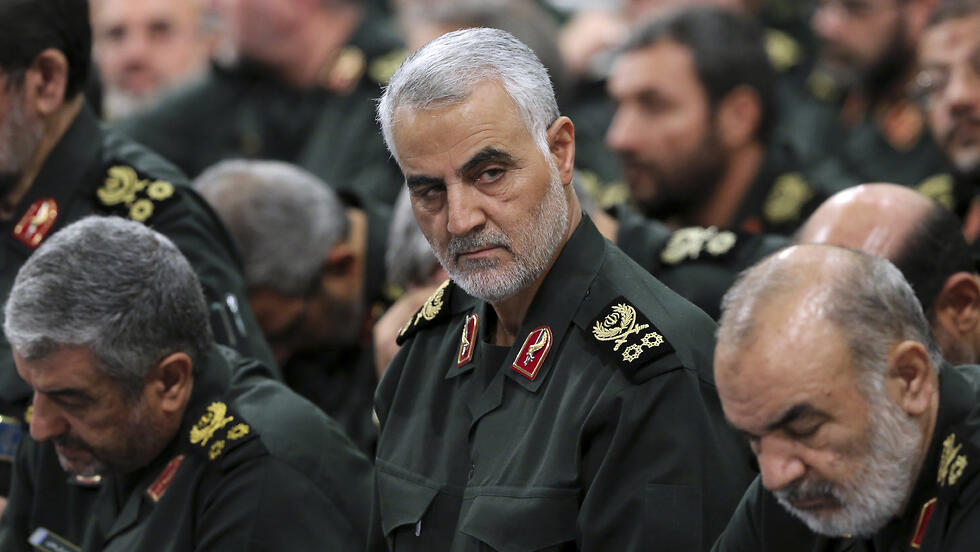
Qasem Soleimani
(Photo: AP)
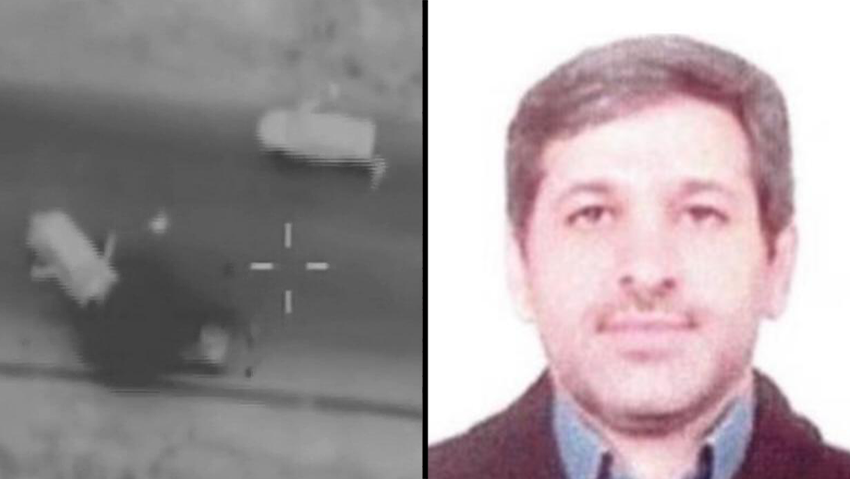
Behnam Shahriyari
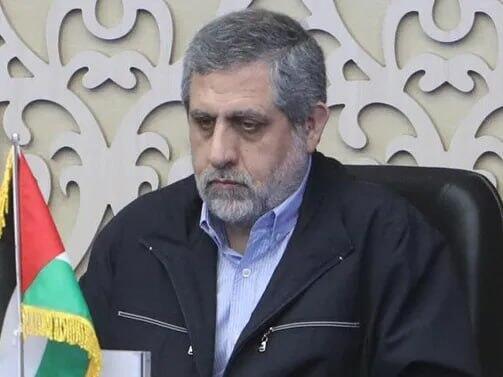
Saeed Izadi
“From the outset, it was clear that Qaani, unlike his predecessor, was becoming irrelevant. That played a part in the failure of Iran’s strategy,” Citrinowicz added. He noted that Hezbollah’s losses in the war with Israel further reflected the absence of Soleimani’s leadership. “Perhaps this wouldn’t have happened had he still been there.”
Citrinowicz said Qaani was “in over his head” and that Hezbollah had become the dominant force within Iran’s network. “Without Soleimani and without effective leadership, the axis lost its strategic coherence,” he said. As a result, he warned, Iran may now feel compelled to reassert itself through other means, including a possible renewed push for nuclear capabilities. “I believe the Iranians understand they must restore deterrence,” he said, “and that could mean rebuilding their nuclear program as part of their broader security doctrine.”