


The Pentagon is warning of mounting strain on U.S. missile stockpiles as it seeks more than $3.5 billion in emergency funding to replace interceptors deployed in Israel since October 2023, Bloomberg reported on Wednesday. The request highlights both the rising cost of America’s presence in the Middle East and growing concern over whether production can keep up with demand.
According to budget documents obtained by Bloomberg, the request is the latest in a series dating back to late 2023, shortly after Hamas’ Oct. 7 attack and the first American deployments in the conflict. The largest spike came in April 2024, when Iran launched more than 110 ballistic missiles, 30 cruise missiles and 150 drones at Israel in its first direct mass strike. The newest request was filed this month.
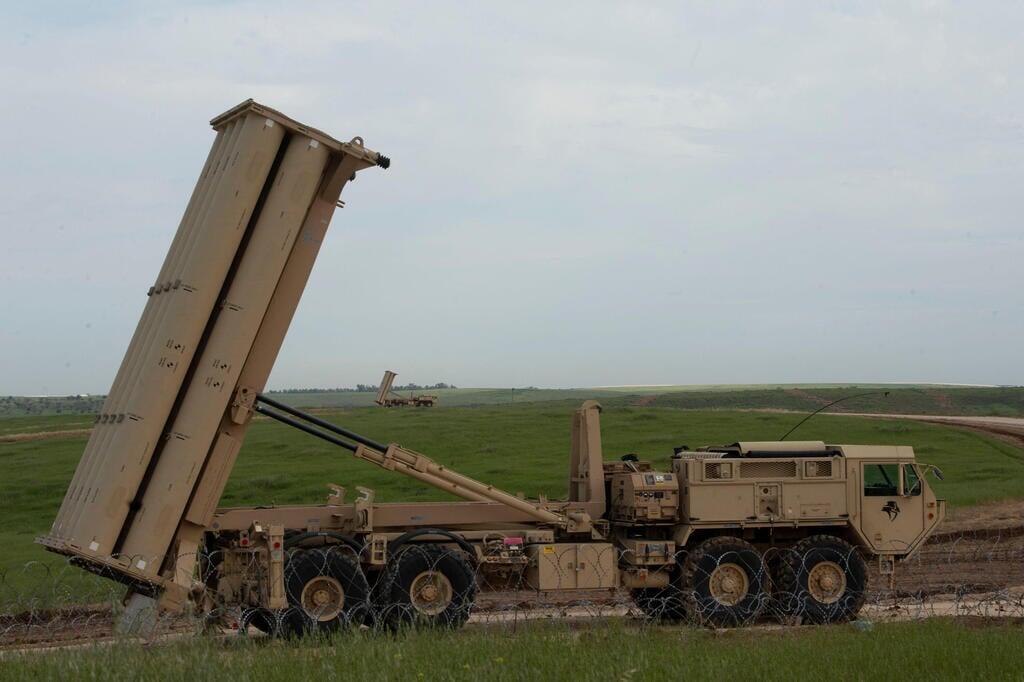
The Pentagon warned that U.S. stockpiles have been depleted at an unsustainable pace. During Israel's war with Iran in June, American forces fired more than 100 Terminal High Altitude Area Defense, or THAAD, interceptors — roughly a quarter of the system’s operational inventory. Only 11 new interceptors were produced last year, with 12 expected this year.
“This is not something the United States can afford to keep doing,” experts cautioned.
The latest request includes $1 billion for SM-3 interceptors made by RTX Corp., which were fired by Navy destroyers in April at a cost of $9 million to $12 million apiece. The Pentagon also asked to replenish THAAD interceptors, fund $9.2 million in radar maintenance, and cover special flight missions, munitions transport and naval upkeep.
U.S. Navy destroyers, including the USS Arleigh Burke and USS The Sullivans, worked with Army THAAD batteries deployed in the eastern Mediterranean and operated in coordination with Israel. While the combined defense shot down a portion of Iran’s missiles and drones, several still struck Israeli targets.
The emergency requests do not include the roughly $4 billion in weapons and equipment the U.S. has already supplied to Israel since Oct. 7. Those shipments were covered separately. Instead, the Pentagon said the funding is meant to offset costs incurred by U.S. Central Command during operations carried out “at Israel’s request or in coordination with Israel” to defend its territory, personnel or assets.
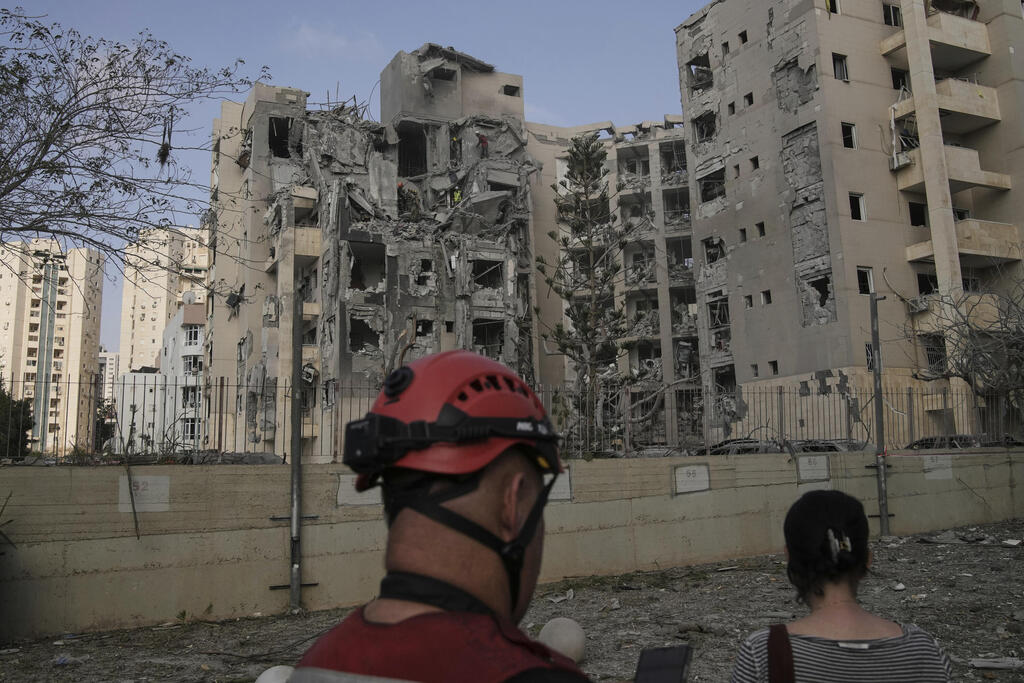
Aftermath of an Iranian missile attack on Be'er Sheba
(Photo: AP Photo/Leo Correa)
Looking ahead, the Pentagon’s 2026 budget plans call for expanding production capacity, purchasing 37 new THAAD interceptors and investing billions to strengthen the supply chain. Still, officials acknowledge the heavy U.S. commitment to Israel has come at a price.The latest emergency request includes $1 billion for SM-3 interceptors made by RTX Corp., each costing $9 million to $12 million, which were launched by Navy destroyers in the eastern Mediterranean. The Pentagon also asked to replenish THAAD stocks, requested $9.2 million for radar maintenance, and sought funds for special flights, munitions transport and naval upkeep.
During the June war, the USS Arleigh Burke and USS The Sullivans joined Army-operated THAAD batteries in the region, coordinating with Israel to intercept incoming fire. While many missiles and drones were destroyed, several still struck targets in Israel.
The emergency requests are separate from the roughly $4 billion in weapons and equipment the U.S. has already delivered to Israel since Oct. 7. Pentagon officials said the funding is needed to cover costs incurred by U.S. Central Command in operations conducted “at Israel’s request or in coordination with Israel” during Iranian and proxy attacks.
Looking ahead, the Defense Department’s 2026 budget plans include acquiring 37 new THAAD interceptors and investing billions to expand production capacity. But officials acknowledge that the heavy U.S. commitment to Israel has come at a cost to American readiness.
“The stockpiles are running low. We need more — and fast,” one former senior officer said.