


Former IDF chief of staff and cabinet minister Gadi Eisenkot, who now leads the Yeshar! party, has held a series of meetings in recent weeks with former Shin Bet director Yoram Cohen. According to information obtained by Ynet, Eisenkot has invited Cohen to join his party as Israel’s political landscape begins to shift in anticipation of the next national election.
In a joint response, Eisenkot and Cohen said, “The two served together for more than 20 years, maintain a close friendship, and meet periodically.”
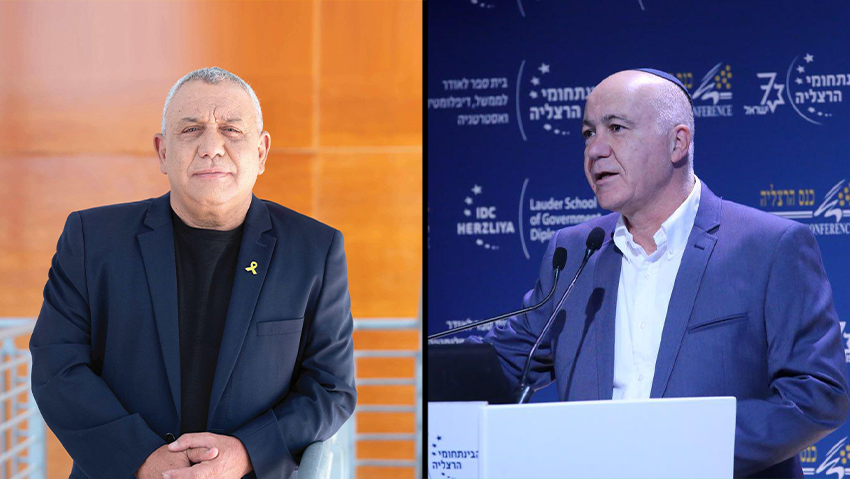
Cohen and Eisenkot served concurrently as Shin Bet chief and IDF chief of staff during Cohen’s final year in office. Both held their senior posts under Prime Minister Benjamin Netanyahu. Cohen, who is viewed as a moderate conservative critical of Netanyahu but capable of appealing to soft right-wing voters disillusioned with him, has reportedly been approached by several political figures exploring possible alliances.
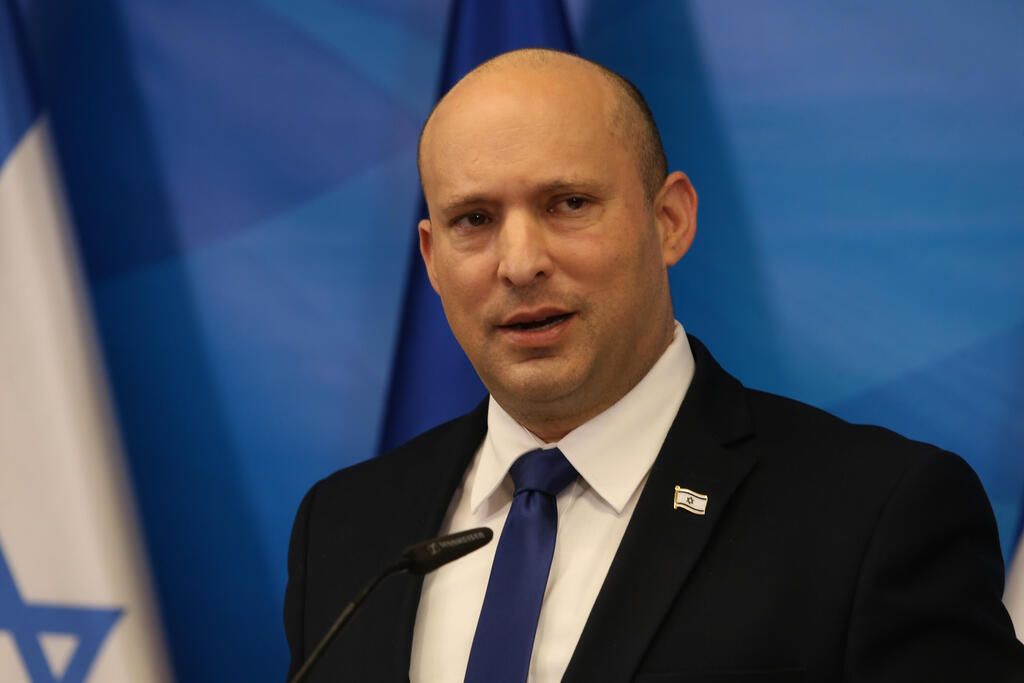
While it is not yet clear whether Cohen intends to formally enter politics, political sources said an alliance with former Prime Minister Naftali Bennett is also under discussion. Analysts believe that if Cohen decides to run, it would likely be alongside either Eisenkot or Bennett.
Israel’s political establishment is already preparing for elections scheduled for 2026, though the possibility of an early vote is being widely discussed. Netanyahu is working to extend his government’s tenure for as long as possible, including passing a new budget and legislation granting draft exemptions to ultra-Orthodox Israelis—measures aimed at maintaining his coalition with Haredi parties. At the same time, politicians across the spectrum are quietly conducting talks and forming potential partnerships in case elections are called sooner.
In the opposition camp, Bennett is reportedly seeking to create a broad alliance with Eisenkot and possibly with Yisrael Beiteinu chairman Avigdor Lieberman, aiming to build a centrist bloc capable of drawing undecided voters. Eisenkot, however, is said to be proceeding cautiously. He is focusing on building political momentum and intends to wait until closer to the election to finalize alliances. His goal, according to people familiar with his plans, is to unite centrist parties under one electoral list to challenge Netanyahu, with the leadership determined by who can bring in the most votes. Lieberman, for now, is said to oppose an early merger.
(Photo: Amit Shaabi)
Cohen, who led the Shin Bet from 2011 to 2016, has in recent months been one of Netanyahu’s sharpest critics among Israel’s former security chiefs. He strongly condemned the prime minister’s decision to dismiss Shin Bet director Ronen Bar following the Oct. 7 Hamas-led assault on southern Israel.
In a letter sent to the Grunis Committee before it confirmed David Zini as Bar’s successor, Cohen warned that “there is concern that he will, in practice, be influenced by those who appointed him and will use his powers—including security and civilian authorities—in ways that may not meet professional standards and perhaps not even comply with the law.”
Cohen also cited several earlier incidents involving Netanyahu. He recalled that the prime minister had once sought to revoke Naftali Bennett’s security clearance due to what he described as “a reliability issue” from Bennett’s service in the elite Sayeret Matkal commando unit. Cohen further referred to claims made by former Shin Bet director Nadav Argaman, who said Netanyahu had asked him to release a public statement asserting that former defense minister Benny Gantz could not serve as prime minister because he was “compromised” and allegedly vulnerable to Iranian blackmail.
“These examples,” Cohen wrote, “illustrate a recurring and intensifying pattern of behavior by Netanyahu—one that continued during Ronen Bar’s tenure as Shin Bet director.”