

As IDF forces press the ground offensive in Gaza, the military is grappling with a surge in so-called lone-wolf terror attacks in the West Bank. Recent incidents include the deadly shooting at Jerusalem’s Ramot junction, an improvised explosive device near the Nitzanei Oz crossing and a stabbing at a hotel in Kibbutz Tzuba. While the attacks are unconnected, officials say that is precisely what defines the phenomenon.
“Less than an hour after the Jerusalem attack, we were already at the homes of the terrorists,” a senior security official said. “We know that quick, decisive action—closing off villages, retracing the attacker’s steps and detaining anyone involved—sends a clear message: any village that produces an attack will pay a price.”
IDF forces operating in the West Bank
(Video: IDF Spokesperson's Unit)


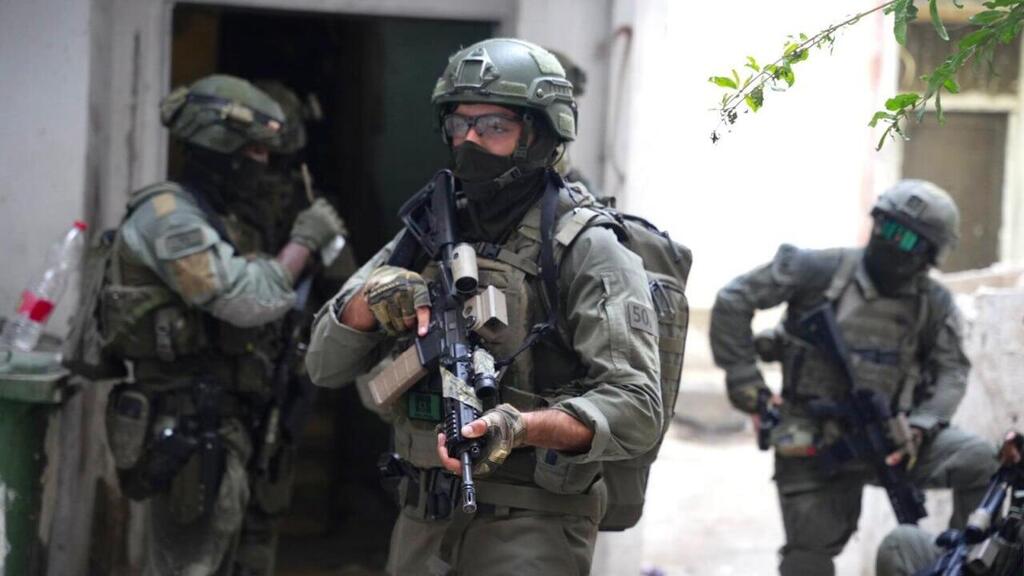
According to the official, organized terror networks in northern West Bank refugee camps like Jenin and Tulkarm have been dismantled, reducing overall activity. But the risk has shifted. “The fear now is a wave of lone attackers,” he said. “When an attack ends with casualties, it can encourage copycats.”
IDF Central Command chief Maj. Gen. Avi Bluth has directed rapid actions for deterrence. If an attack cannot be stopped in advance, the aim is to swiftly reach the perpetrator and impose consequences.
That includes sealing off homes immediately after attacks, pending legal proceedings and demolition orders. “Residents must know that if an attacker comes from their village, the army will shine a spotlight on it,” the officer explained. “That village will face increased scrutiny, law enforcement and action against illegal building.”
Crackdown on terror incitement
Security forces are also targeting terror incitement, which they see as fueling lone attacks. Data obtained by Ynet show that since the start of 2025, 255 indictments have been filed for incitement and support of hostile organizations out of 433 cases opened by police. Some 343 suspects were arrested, with 294 held until the end of proceedings.

IDF troops sealing house of Jerusalem terrorist
(Photo: IDF Spokesperson's Unit)
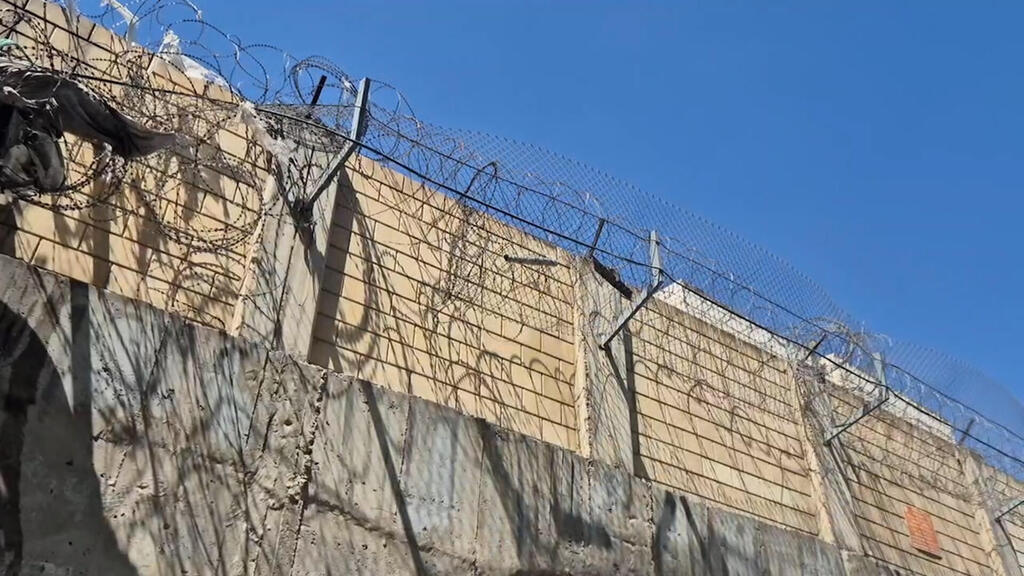
Jepordized border fence used by Jerusalem terrorist
(Photo: Alex Gamburg)
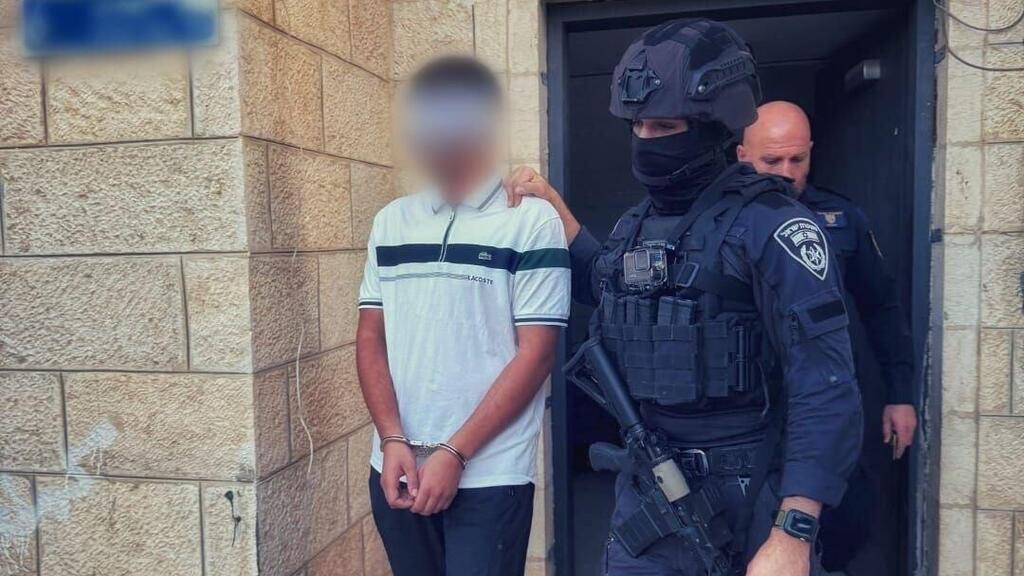
Detaining terror inciters
(Photo: Israel Police)
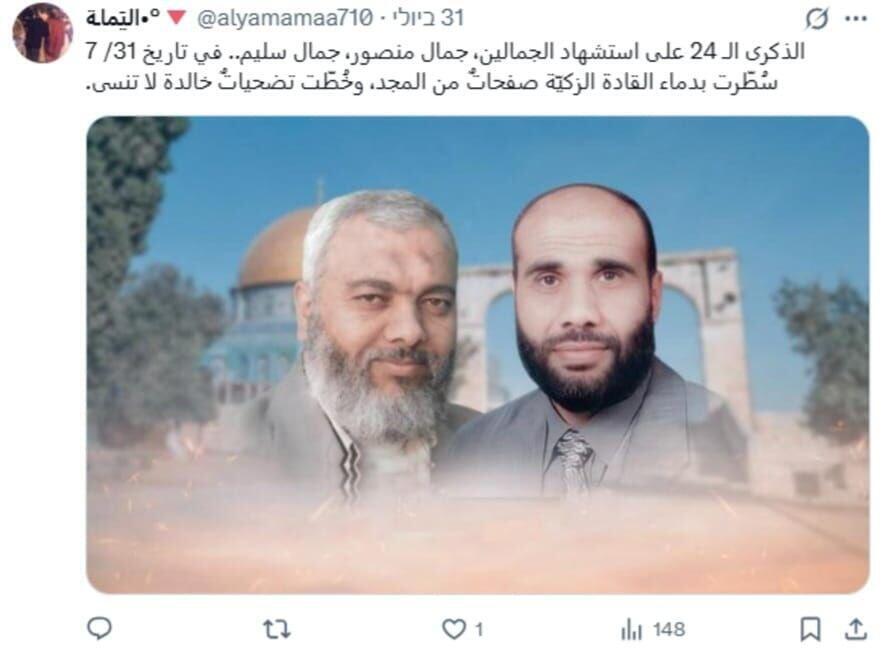
Terror inciting post
(Photo: Israel Police)
In Hebron alone, eight suspects—including a schoolteacher—were recently arrested for praising terror groups and calling for attacks on Israeli soldiers and civilians. Indictments cite social media posts such as: “Long live jihad, long live liberation—the armies will march until the final reckoning with the enemy,” and “Uproot the Jewish entity completely, carry the flag of jihad and liberate al-Aqsa.”
The Israel Police’s Judea and Samaria District stresses that social media feeds have become “a crime scene,” requiring intensive monitoring, device seizures, translation of Arabic posts, and joint work with the IDF, Shin Bet and prosecutors to bring swift charges.
IDF adapting tactics to face threat
Officials say the army has scaled back airstrikes in the West Bank, relying instead on ground operations. “I can reach a target within minutes, so why launch an airstrike?” the senior officer asked. He said expanded patrols, new access roads and round-the-clock presence of troops have made aerial strikes largely unnecessary.
Still, failures remain. The officer cited the murder of Tzeela Gez and her infant son Ravid, noting that the terrorist had previously carried out at least two attacks without being caught. “That cannot happen again,” he said.
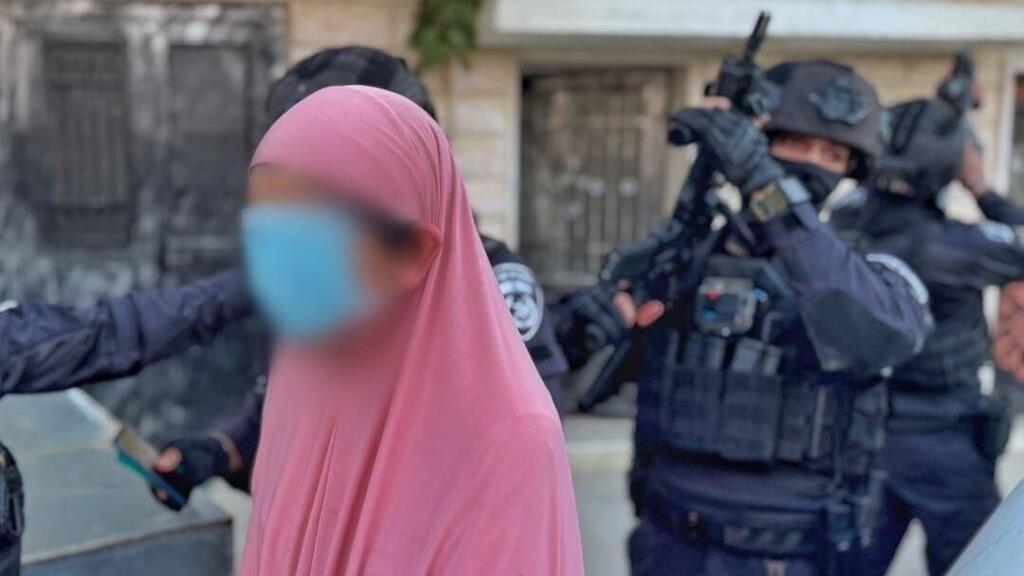
(Photo: Israel Police)
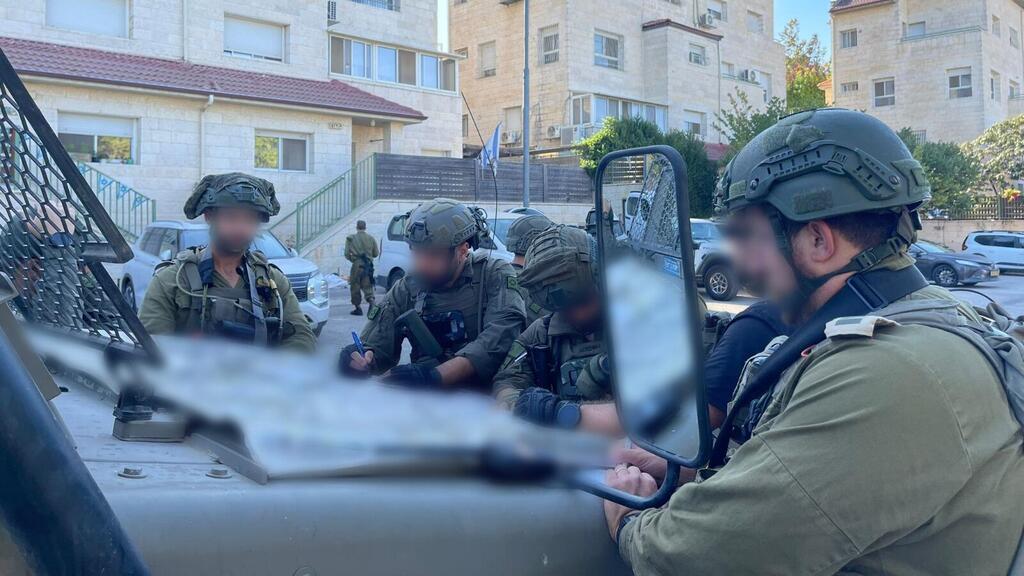
(Photo: IDF Spokesperson's Unit)
Preparing for political shifts
The IDF is also preparing for possible political developments, such as international recognition of a Palestinian state or an Israeli move to annex West Bank territory. Plans are in place to maintain stability under any scenario.
Military officials warn that fighting in Gaza could spill over into the West Bank, drawing more Palestinians into violence. “There is always an undercurrent here,” the officer said. “The greatest concern is something now taking shape beneath the surface—before we can even see it.”