


Israel is reviewing a new framework proposed by U.S. special envoy Steve Witkoff that includes the release of 10 living hostages and the remains of 18 others held by Hamas in exchange for a 60-day ceasefire, officials confirmed Thursday. The plan, presented overnight, aims to facilitate negotiations to end the war and secure the release of additional hostages.
Under the framework, the 10 living hostages and half of the deceased will be returned in two phases, a week apart. The fate of the remaining hostages would depend on the outcome of ceasefire negotiations. If no agreement is reached within the 60-day period, Israel would have the option to resume military operations.
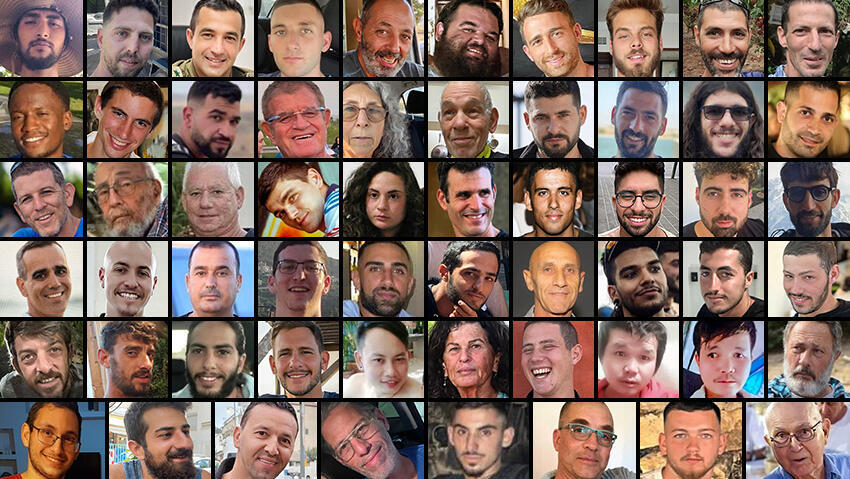
The framework also stipulates that Hamas will provide a complete list of all hostages, including detailed medical reports, by the 10th day of the ceasefire. In return, Israel would release 125 prisoners serving life sentences, 1,111 terrorists from Gaza arrested after October 7 and 180 bodies of terrorists, also in two phases.
Who comes home first?
Despite the proposed plan, the order of hostages to be released remains uncertain and contentious. Israeli officials insist that Hamas has historically determined the sequence of releases in coordination with mediators. As of now, 20 hostages are classified as "alive with certainty," while the number of deceased is estimated at "up to 38."
Families of the hostages are deeply concerned about who will be included in the initial list for release. Israeli officials acknowledge that choosing between hostages is a "cruel decision" that could "tear families apart." While Israel has requested the prioritization of humanitarian cases, officials admitted that after more than 600 days under harsh captivity conditions, "everyone is already considered humanitarian."
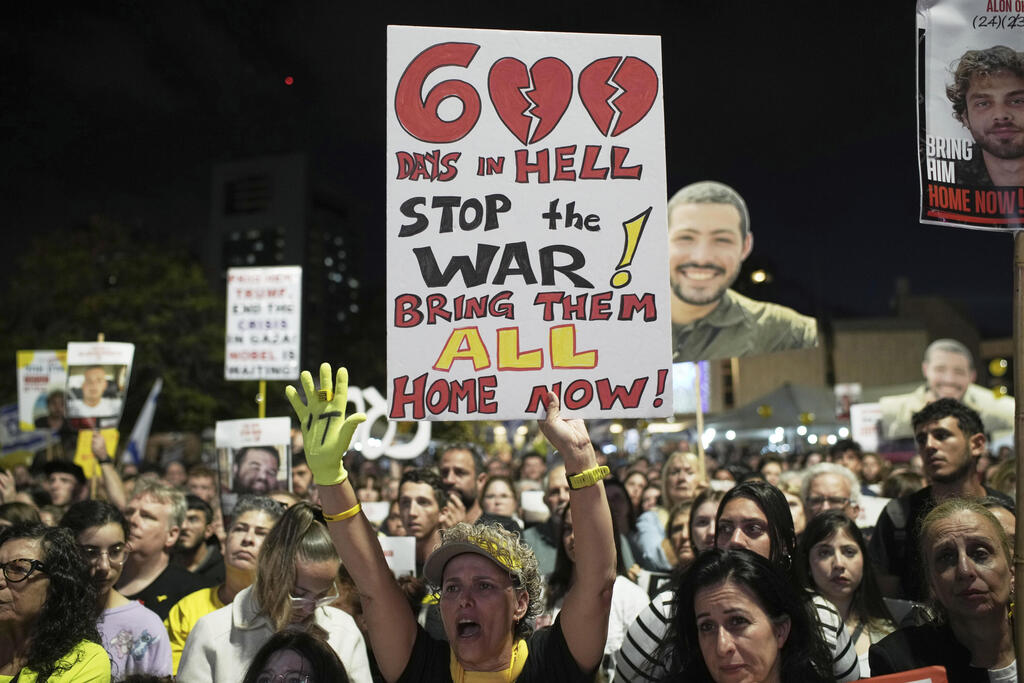
Hostage Square, Tel Aviv
(Photo: AP Photo/Leo Correa)
If implemented, the ceasefire would see humanitarian aid to Gaza restored through the United Nations and international organizations. This would mark a reversal of Israel’s efforts to bypass Hamas in delivering aid directly to Gaza residents. Critics warn that a reprise of the old distribution method could strengthen Hamas’ control over the enclave.
Get the Ynetnews app on your smartphone: Google Play: https://bit.ly/4eJ37pE | Apple App Store: https://bit.ly/3ZL7iNv
The framework further requires Israeli forces to withdraw to positions held prior to the collapse of the previous ceasefire in mid-March. While Israel would maintain its presence along the Philadelphi Corridor, which stretches the Gaza-Egypt border, it would pull back from the Morag Corridor between Rafah and Khan Younis.
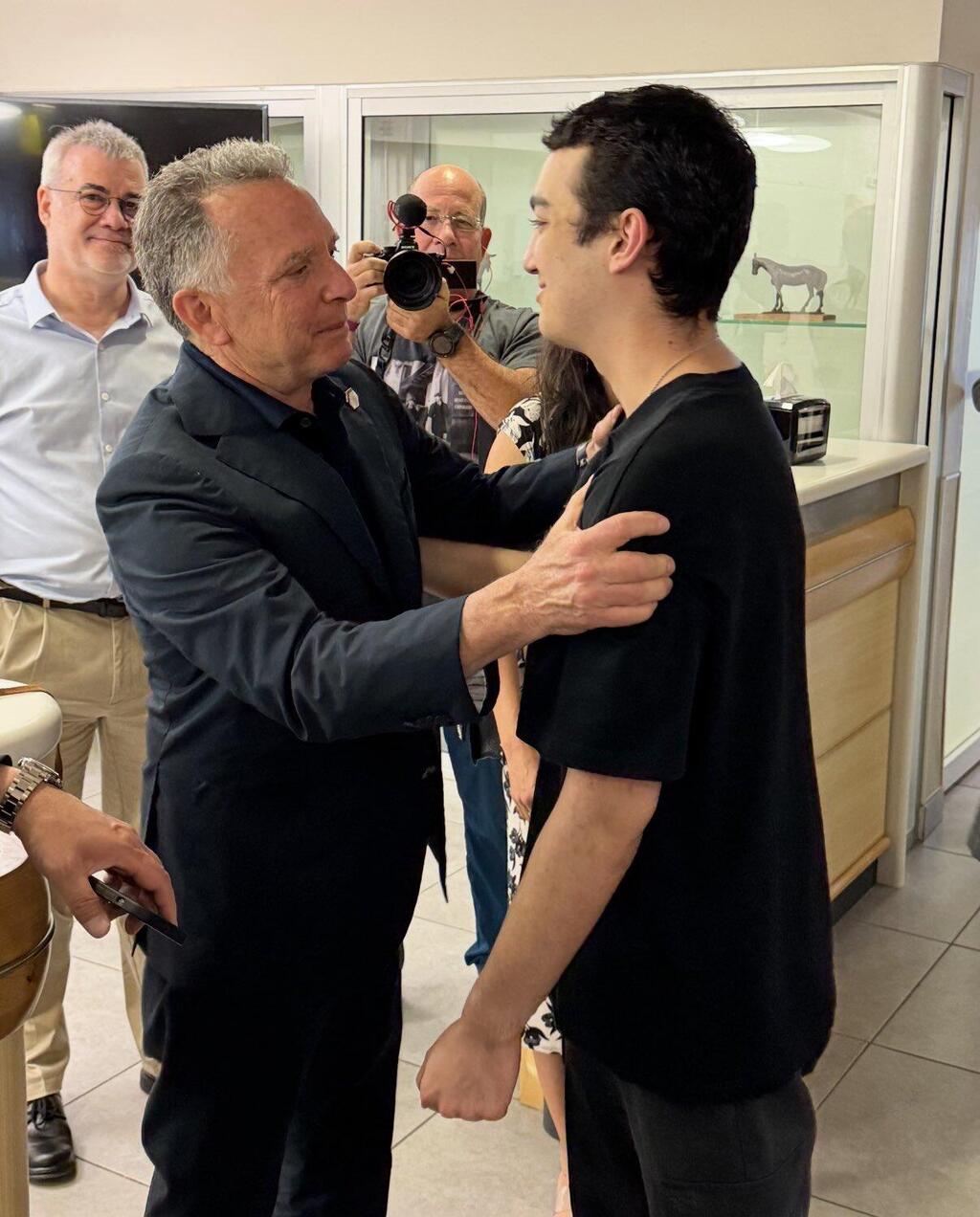
Steve Witkoff with freed US-Israeli hostage Edan Alexander
Witkoff, who represents President Donald Trump, has emphasized his commitment to facilitating a deal. If the framework moves forward, Trump would formally announce the ceasefire, with guarantees provided by the U.S., Qatar and Egypt. Witkoff is expected to visit the region to finalize the details.
As the framework is reviewed, discussions about the release of hostages and terms of the ceasefire are expected to continue during proximity talks mediated by international parties.