

Negotiations between the United States and Iran are expected to continue into the night between Saturday and Sunday, following hours of high-level talks in Islamabad that have exposed deep disagreements over key issues including the Strait of Hormuz and the scope of a fragile ceasefire.
Iranian state television reported that a third round of talks is set to take place overnight, describing it as potentially decisive. “The third round will determine whether the talks will lead to a result or not,” the report said, adding that Iran arrived in Pakistan with a full delegation including political, military, legal and security teams and was participating “in good faith,” despite continued distrust of the U.S. side.
Gallery
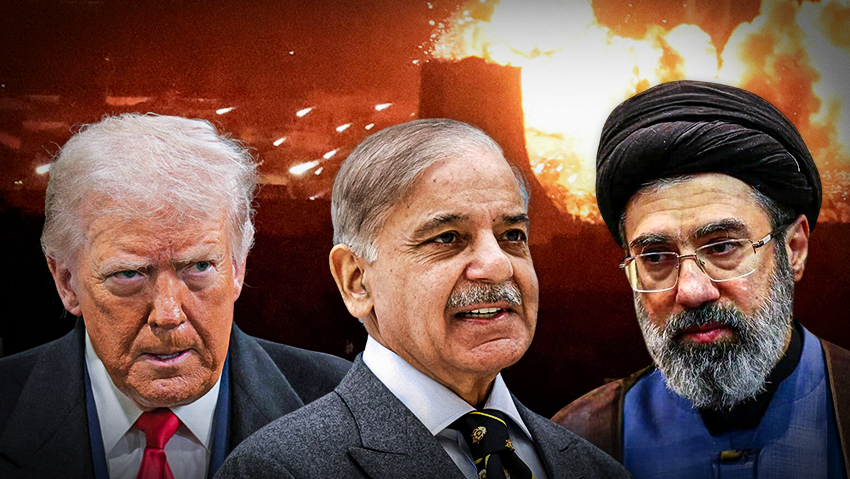
(Photo: Anna Moneymaker / AFP, ATTA KENARE / AFP, Sputnik/Alexander Kazakov/Pool via REUTERS)
At the same time, Iranian media indicated the talks are unlikely to extend into another day.
The negotiations — led by U.S. Vice President JD Vance and Iranian Parliament Speaker Mohammad Bagher Qalibaf — mark the most senior direct engagement between the two countries since the 1979 Islamic Revolution severed diplomatic ties.
However, officials and reports point to significant gaps. Iran’s Fars news agency, citing a source close to the negotiating team, said Washington is making “excessive demands” regarding the Strait of Hormuz, the strategic waterway Iran effectively closed during the war and now claims control over. The United States is demanding the immediate reopening of the strait to free navigation without fees.
“It seems that what the United States did not achieve in 40 days of war, it now expects to achieve easily in negotiations,” the source said, adding that Iran’s delegation is determined to defend what it has gained on the ground.
Earlier, the Financial Times reported that disagreements over control of the strait had led to a “stalemate” in the talks.
A source familiar with the negotiations told the Qatari outlet Al-Araby Al-Jadeed that the inclusion of Lebanon remains a major obstacle. “The Iranian side insists that any solution must include Lebanon, and the American delegation is not willing to accept that,” the source said.
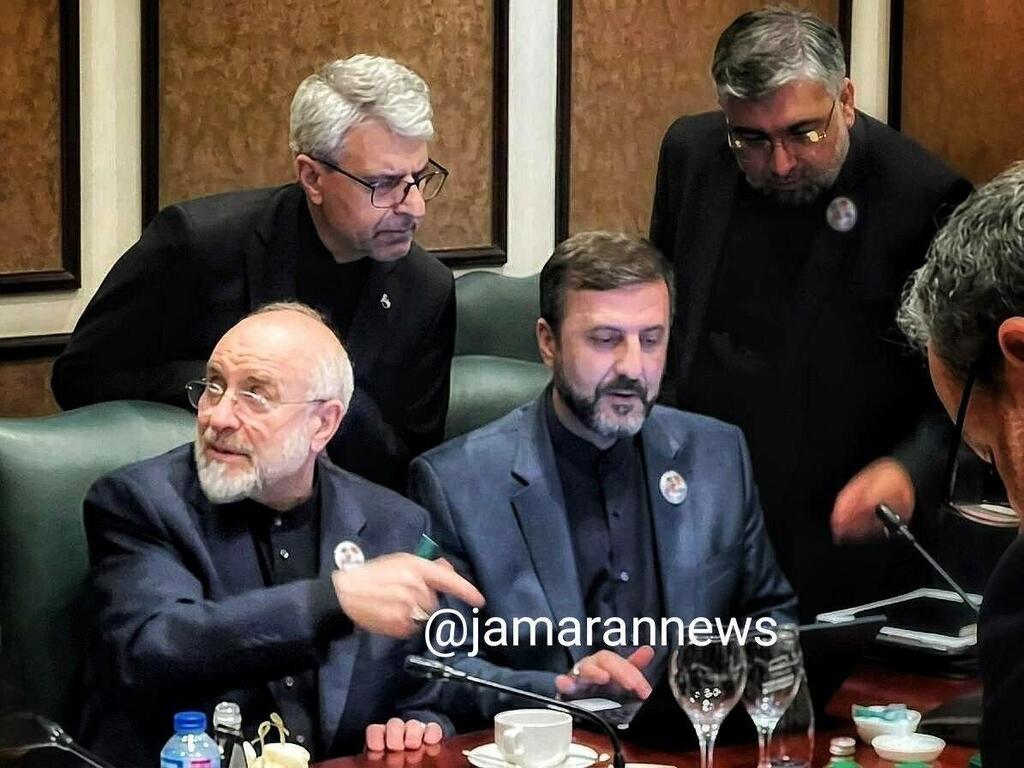
The Iranian delegation
Iran has demanded that a full ceasefire in Lebanon be part of any agreement, arguing that it was included in the terms of the current temporary ceasefire. The United States has aligned with Israel in rejecting that position, maintaining that fighting with Hezbollah is a separate issue.
Despite earlier threats from Tehran to walk away from the talks if a Lebanon ceasefire was not secured, Iran agreed to proceed after a reduction in strikes in Beirut in recent days. Still, Iranian officials have said they will continue to press the issue in negotiations.
From Israel’s perspective, officials said the talks are being taken seriously but expressed skepticism about their outcome. A source familiar with the discussions said there is a “high likelihood” the negotiations could collapse.
“It is a very serious negotiation — no one is stalling,” the source said. “But the gaps are very large, and it will be very difficult for Iran to compromise.”
At the same time, officials in Israel said Vance, along with senior envoys Jared Kushner and Steve Witkoff, are eager to secure a diplomatic achievement.
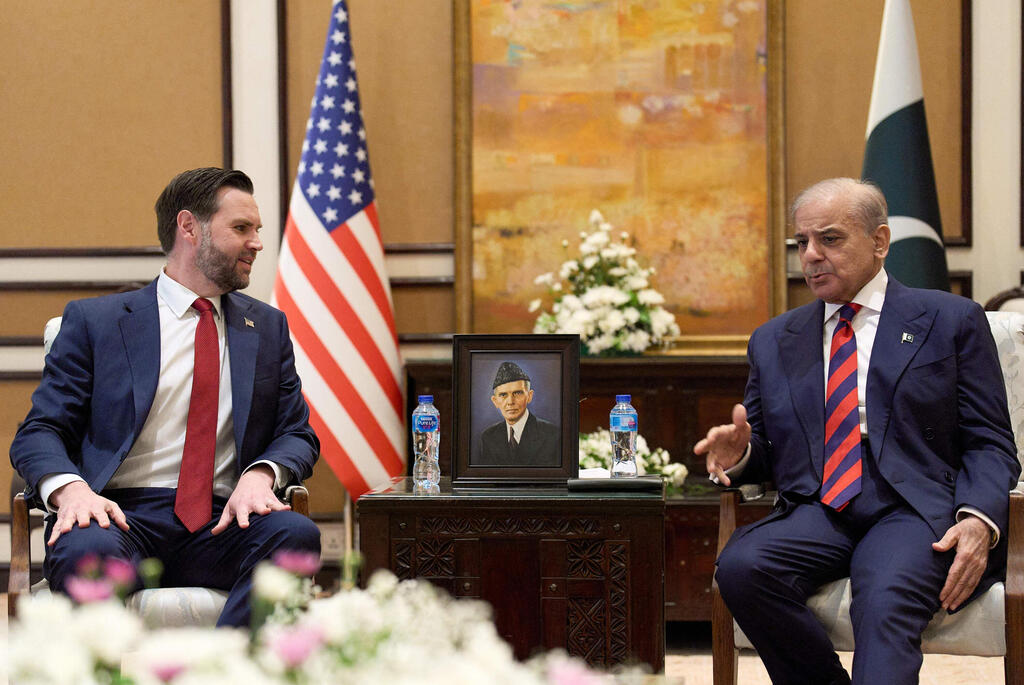
(Photo: Jacquelyn Martin / POOL / AFP)
Parallel to the talks, both Israel and the United States are preparing for the possibility that fighting could resume before the current ceasefire expires. Israeli officials said that in such a scenario, plans are being readied for a broad campaign targeting infrastructure and energy facilities.
The ongoing U.S. military airlift of weapons and aircraft to Israel is continuing, officials said.
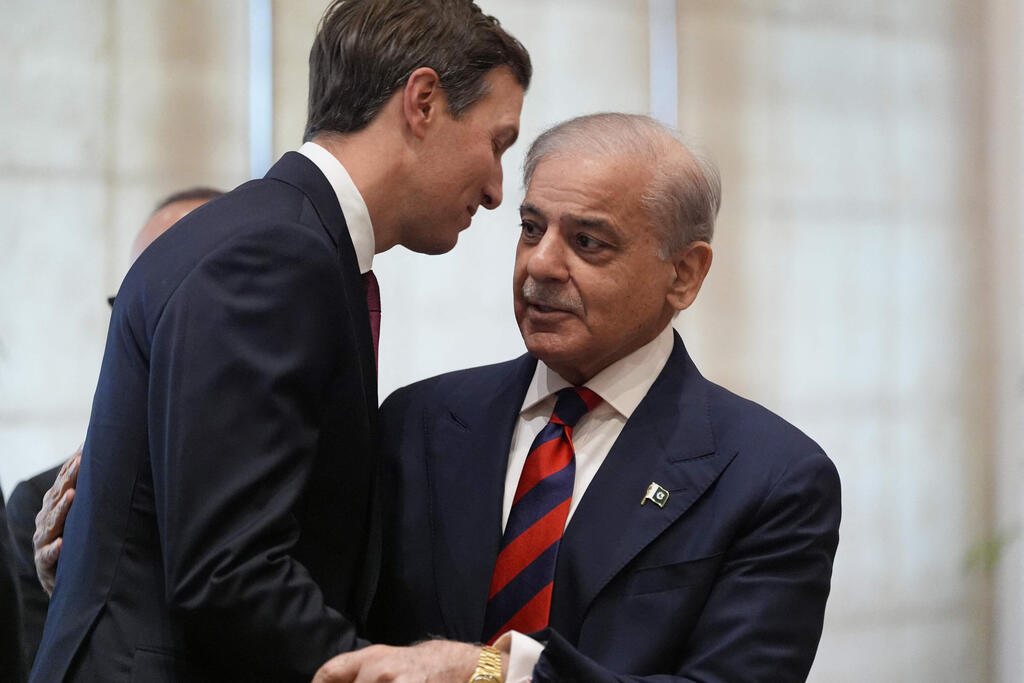
(Photo: Jacquelyn Martin / POOL / AFP)
In Jerusalem, there is alignment with Washington on core demands from Iran, particularly the removal of enriched uranium and the dismantling of Iran’s nuclear program.
Meanwhile, the United States has asked Israel to moderate its strikes in Lebanon ahead of both the ongoing talks and planned direct negotiations between Israeli and Lebanese representatives in Washington on Tuesday. Israel has complied in part, refraining from strikes in Beirut for now, with any such operation requiring special political approval.
However, the IDF continues to carry out strikes in southern Lebanon, focusing operations there.
Another central point of contention remains the Strait of Hormuz, through which roughly one-fifth of the world’s oil supply typically passes. The U.S. military said it has begun “establishing conditions” for a mine-clearing operation in the waterway, after Iran seeded it with naval mines during the conflict.
Rallies in Tehran


As part of that effort, two U.S. guided-missile destroyers transited the strait for the first time since the war began, despite earlier Iranian denials. The U.S. military has said it will act to ensure free passage for commercial vessels and oil tankers.
President Donald Trump said earlier that the United States would begin clearing mines from the strait as “a favor to the world,” adding that it would “open soon.”
Iran’s actions in Hormuz have had major global repercussions. Since the war began on Feb. 28, Tehran has warned it would target any vessel entering the strait without its authorization, disrupting global energy markets and driving up oil prices. In a significant shift, Iran has also asserted sovereignty over the waterway and demanded fees for transit — a move that challenges longstanding international norms guaranteeing freedom of navigation.
The outcome of the talks remains uncertain, with officials on all sides acknowledging both the high stakes and the deep divisions that continue to define the negotiations.