

The past week has marked a major turning point in the fighting in Rafah. After weeks of entrenchment and incremental Israeli advances into the underground network housing Hamas operatives, terrorists have begun abandoning their tunnel hideouts—some attempting to flee, others preparing for suicide attacks.
The IDF is maintaining close surveillance over the entire tunnel zone, using a range of observation and intelligence tools. Some terrorists are eliminated from the air, while others are captured and taken in for interrogation.
Israeli forces eliminate terrorists emerging from underground tunnels in eastern Rafah, Gaza
(Video: IDF)


Israeli forces are systematically dismantling Hamas infrastructure in the area. Engineering and infantry units operating on the ground are applying pressure on terrorists holed up in underground compounds once considered impenetrable by the terror organization.
On Wednesday, the Israeli Air Force struck a group of terrorists spotted emerging from the tunnels. Following the strike, the Nahal Brigade’s combat team searched a nearby building, where they encountered one armed terrorist who was eliminated, followed by three more armed operatives. The soldiers engaged at close range and killed them. Two additional terrorists found in the building were arrested.
Over the past week, more than 20 terrorists have been killed and eight others arrested while attempting to escape the tunnel network in Rafah. With time, Israeli forces are steadily shrinking the tunnel zone—using various methods to force the terrorists to surface.
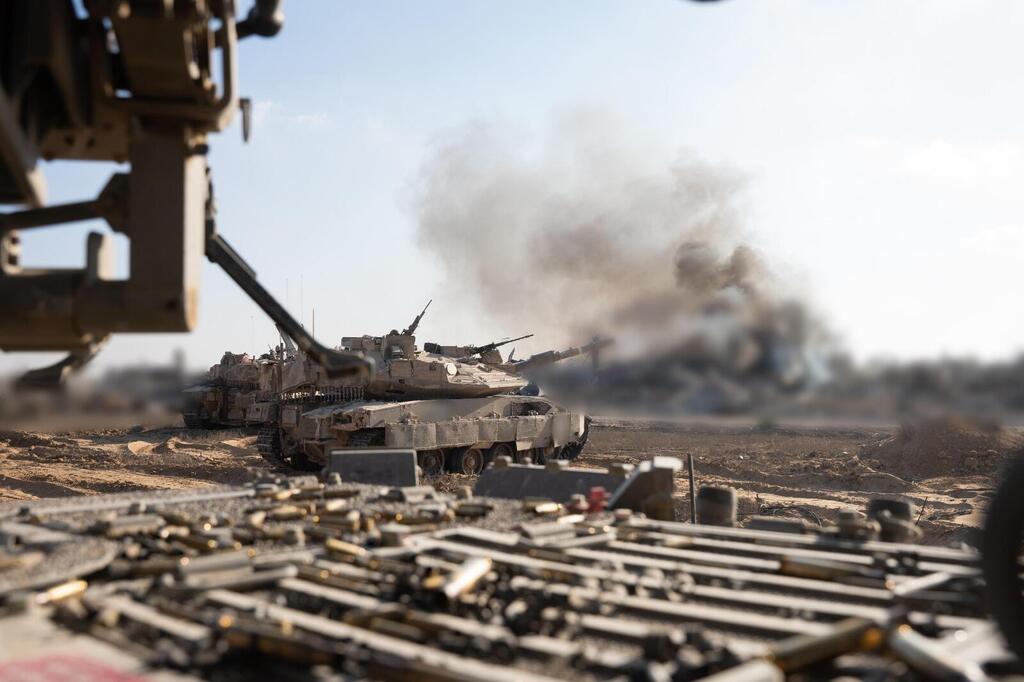
The tunnel system in Rafah is highly complex. Terrorists who remained in place after the ceasefire, including a battalion commander from the Rafah sector, had prepared for prolonged underground stays. However, as the IDF continues to tighten its control over their positions and supplies dwindle, they are increasingly forced to emerge—only to find Israeli troops waiting.
'We came out because there was no water'
The IDF estimates that dozens of Hamas operatives remain in isolated pockets of Rafah’s underground tunnel network. Golani Brigade Commander Col. Adi Ganon told our correspondent this week, while standing amid the ruins of the southern Gaza city, that IDF forces are working around the clock, using multiple methods and technologies to locate the remaining militants.
“We’re using every tool, in the air and on the ground,” Ganon said. “Conditions allow us all the firepower we need. It’s simple: they surrender or we kill them all.”
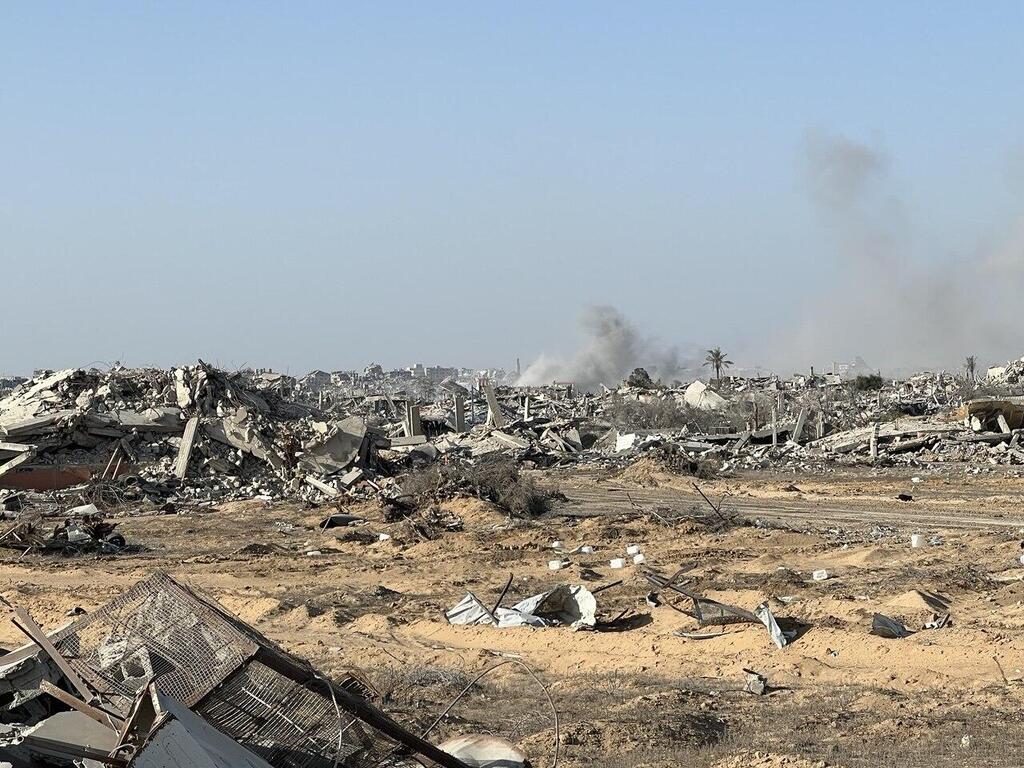
(Photo: Rom Crissy)
Interrogations of captured terrorists shed light on the deteriorating conditions inside the tunnels. Last Friday, around 15 operatives attempted to flee underground positions; five were captured by Israeli forces. One of them revealed during questioning that he had been underground with a Hamas battalion commander, about 30 other operatives and 10 bodies of dead fighters. He said those who tried to escape were looking for food and water.
This outcome is viewed as a direct result of the IDF’s operational strategy—not just locating and encircling terrorists, but applying pressure on their survival systems. The IDF reiterates at every opportunity that tunnel-bound Hamas operatives face two options: surrender or death. Troops securing the area are operating accordingly.
Earlier this month, IDF Chief of Staff Lt. Gen. Eyal Zamir said he would consider allowing trapped Hamas operatives to leave Rafah only in exchange for the remains of fallen soldier Lt. Hadar Goldin. Goldin’s body has since been returned and laid to rest in Israel.
Prime Minister Benjamin Netanyahu was reported to have considered the proposal but, following backlash from some Cabinet ministers, clarified that no such arrangement would be made. “The prime minister never considered allowing Hamas terrorists to leave,” officials said at the time. “He is fully committed to implementing the plan as approved.” His office also denied the existence of any deal with Hamas involving the release of terrorists in exchange for the return of the remains of hostages.
Now, day by day, terrorists are surfacing from the tunnels—some voluntarily, others out of necessity—only to be arrested or eliminated. Each exit provides troops with valuable intelligence and an opportunity to chip away at Hamas’ underground infrastructure.
This past week is increasingly seen not as just another stage in the war, but as a turning point—the beginning of the collapse of Hamas’ underground stronghold in Rafah.
The remains of two hostages are still held in Gaza: Sgt. First Class Ran Gvili and Sudthisak Rinthalak.