

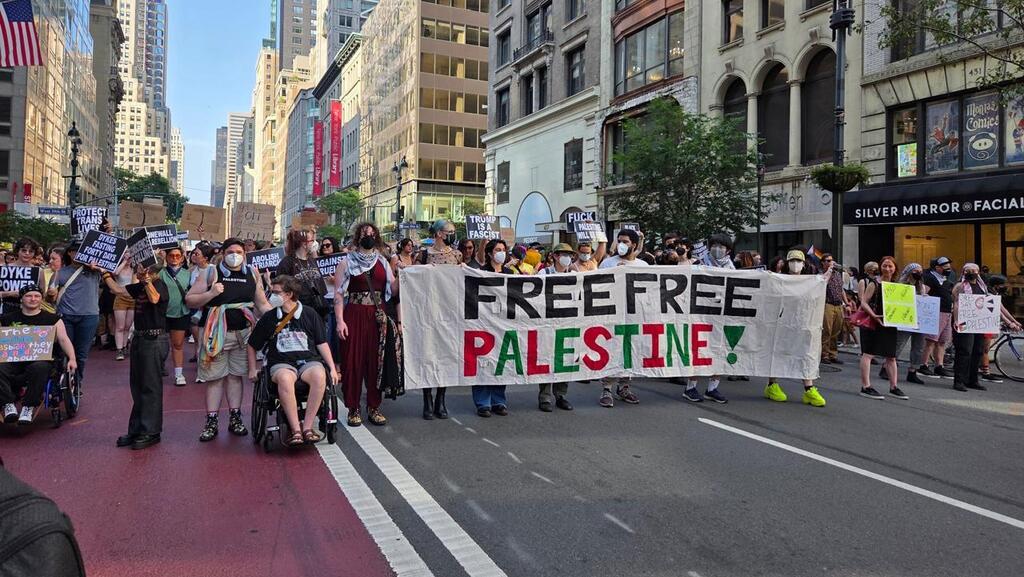
Nearly 30,000 people marched through Manhattan’s Fifth Avenue on Saturday for New York’s annual Dyke March—a protest-driven, anti-establishment queer event now in its 32nd year. But this year’s demonstration, held on the eve of the city’s official Pride Parade, was marked by rising internal tensions within the LGBTQ+ community over the Israel–Hamas war.
Alongside rainbow flags and signs denouncing fascism, demonstrators waved massive Palestinian flags and held "Free Palestine" placards. Though the march’s official theme was “Dykes Against Fascism”—in reference to the new Donald Trump administration—organizers also issued a statement aligning themselves “with global liberation struggles and against all forms of genocide.”
Months before the march, organizers had declared “Zionists are not welcome” under a new policy aimed at supporting Palestinian liberation and “opposing all forms of oppression, including Zionism.” The definition of who qualifies as a “Zionist” remained vague—but the fallout was concrete.
One of the casualties was Jodi Kreines, the only Jewish member of the organizing committee. A lesbian from Brooklyn and longtime march organizer, Kreines was expelled last week after voicing opposition to the exclusion policy.
Though she never identified as a Zionist, Kreines argued that anyone who identifies as a dyke should be welcome, regardless of politics. A viral TikTok video framing the march as “Zionist,” based on her statements, reportedly triggered a backlash from within the group.
Soon after, Kreines received an email from another Jewish organizer urging her to resign “out of mutual respect.” Hours later, an official email from the committee stated her comments had “violated the platform and caused harm to BIPOC communities.”
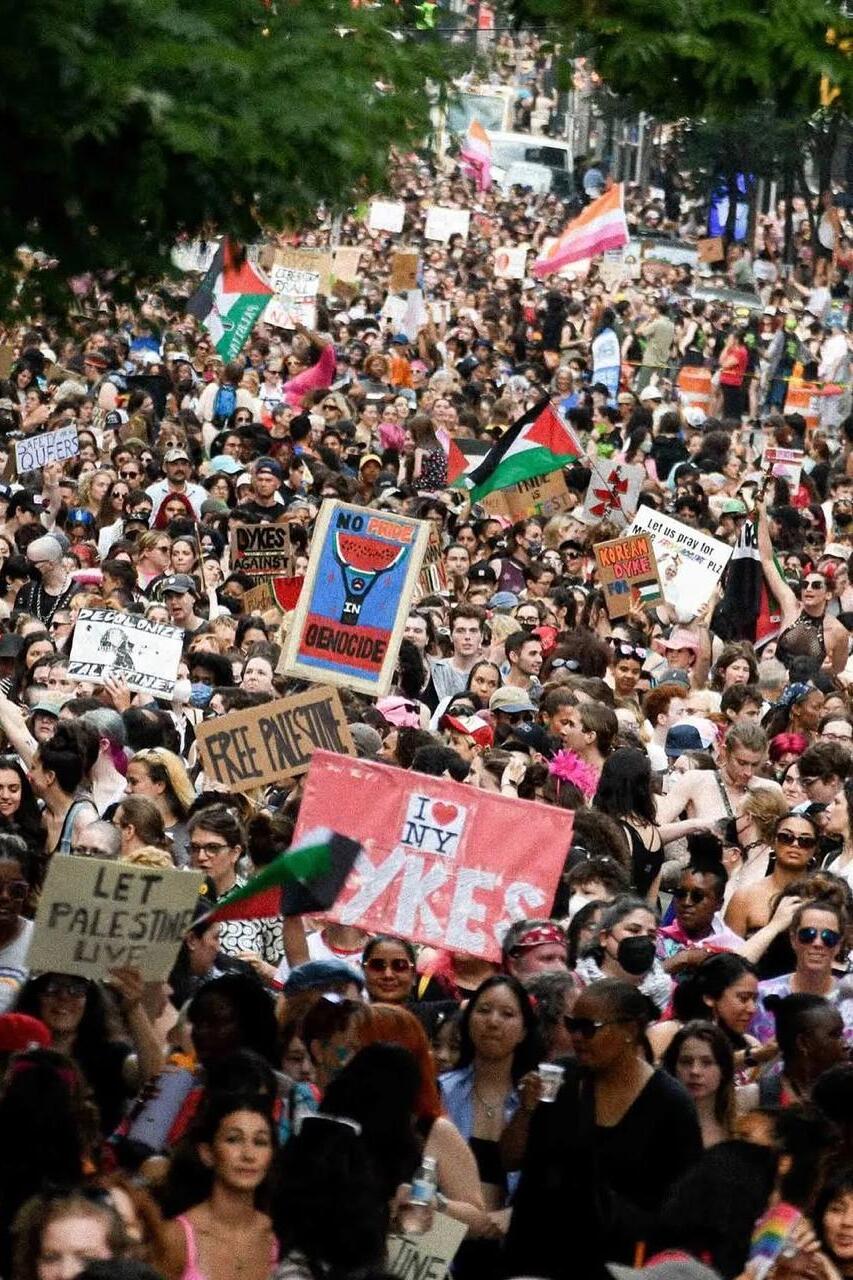
Annual NYC Dyke March
Within 48 hours, she was locked out of all organizing platforms and formally removed after a vote—88% of members supported her expulsion. Kreines said she was never invited to a hearing and was never directly named in any internal communications. “Everything was done behind my back,” she said.
Get the Ynetnews app on your smartphone: Google Play: https://bit.ly/4eJ37pE | Apple App Store: https://bit.ly/3ZL7iNv
“There are many ways to be Jewish and many ways to be a dyke,” Kreines wrote after her removal. “A small group of volunteers doesn’t get to decide who’s allowed to participate.” She said the march, once a space for radical inclusion, has now become exclusionary—particularly toward queer Jewish women who won’t renounce part of their identity.
“We’re not supposed to have to choose between being Jewish and being queer,” she added. Kreines also revealed that Judith Kasen-Windsor, widow of LGBTQ+ rights icon Edie Windsor, was quietly pushed out of the march’s organizing team due to her pro-Israel views.
Despite her partner’s legacy as a symbol of queer legal resistance, Kasen-Windsor’s self-identification as a “proud Zionist” reportedly made her unwelcome.
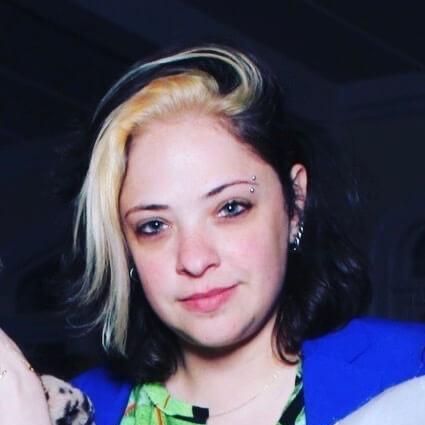
Jodi Kreines
The Dyke March controversy is part of a broader pattern across the U.S. since the October 7 Hamas massacre and Israel’s subsequent war in Gaza. Jewish participants in cities like Austin, San Diego and Raleigh have pulled out of Pride events after organizers backed the BDS movement or made anti-Zionist statements. Some feared outright antisemitism.
In response, Jewish queer communities have begun organizing alternative events. In New York and San Francisco, gatherings under the name “Shalom Dykes” were held this year.
“Zionism has somehow become a dirty word—a coded way of saying, ‘You’re not welcome,’” said Nate Shalev, who left the Dyke March’s organizing team last year. “We won’t let them take Pride away from us. We’ll build spaces that include us.”
Despite the controversy, Saturday’s Dyke March proceeded under heavy police presence. Protesters chanted for Palestinian liberation and waved signs calling for global justice. Organizers reiterated that their anti-Zionist stance is not antisemitic but rather part of “a broader commitment to opposing all oppression.”
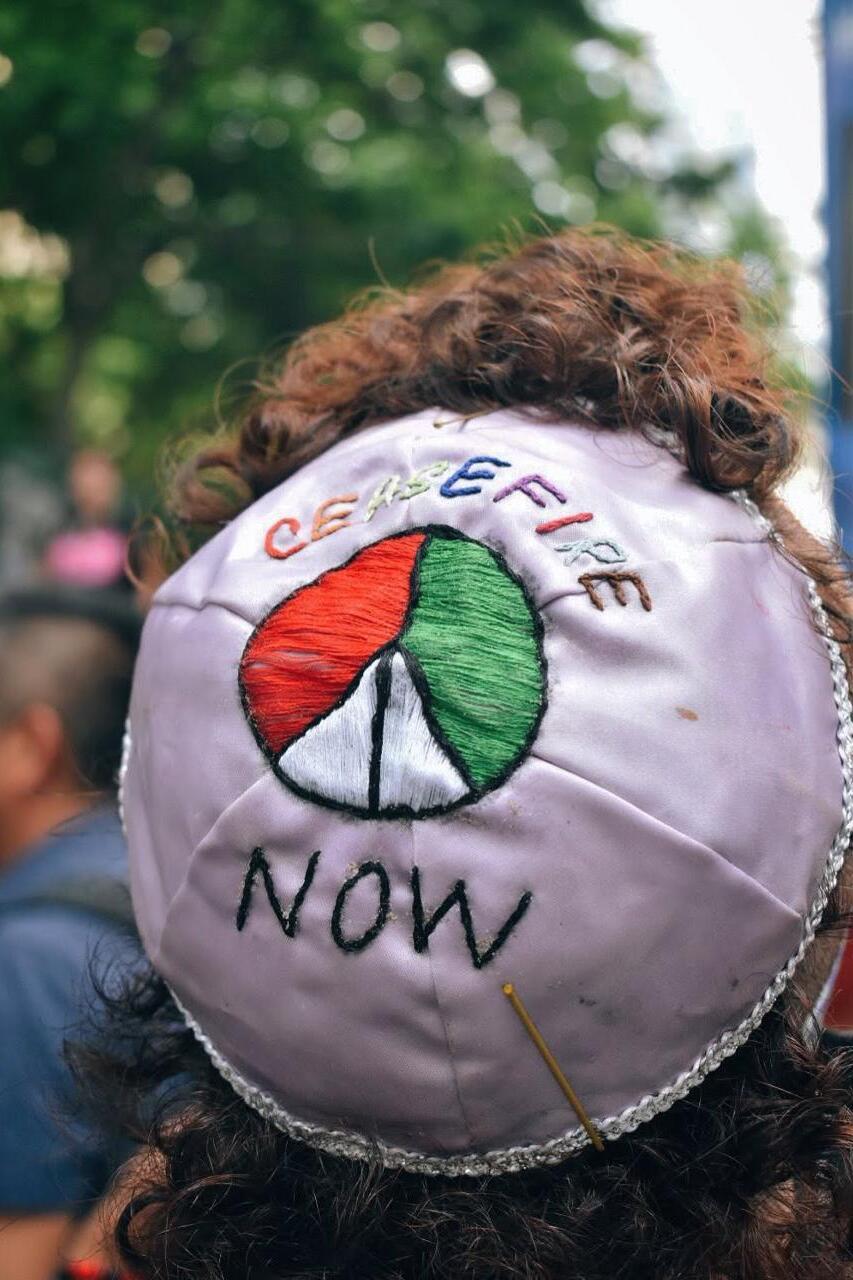
Jewish participant in NYC Dyke March
But growing numbers in the Jewish community say they no longer feel safe. “It’s like being pushed back into the closet—but this time as Jews,” said Rabbi Eleanor Steinman of Austin. “We’re being forced to choose which part of ourselves to hide.”
Kreines, who’s marched every year since 2007, said she’s not backing down. “We’re not going back into the closet,” she said. “Not for who we love—and not for who we are.”