


Israel’s 12-day campaign last month targeted not only Iran’s nuclear infrastructure, but also covert weapons programs aimed at developing an electromagnetic pulse (EMP) weapon and a hydrogen bomb, the Washington Post reported Saturday, citing Israeli and American sources
According to David Ignatius of the Post, the operation eliminated nearly all of Iran’s first- and second-tier physicists in the opening hours and later targeted senior nuclear scientists, effectively crippling the advanced weapons effort. One Israeli official confirmed to the paper that the killings thwarted Iran’s EMP and fusion-bomb programs already underway.
Israeli Air Force fighter jets en route to strike targets in Iran
(Video: IDF)


Gallery
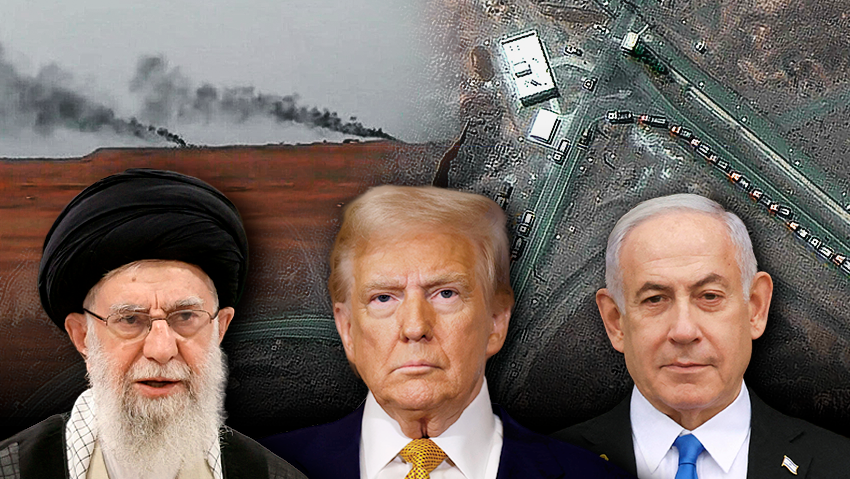
Ali Khamenei, Donald Trump, Benjamin Netanyahu
(Photo: Atta Jebar / AFP, Kevin Lamarque / Reuters, Sarah Meyssonnier / AP)
The campaign destroyed foundational logistics of the weapons programs — including headquarters, archives, testing facilities and equipment — causing Iran to lose critical institutional knowledge. Israeli officials believe the human losses may deter future scientists from joining Iran’s advanced weapons initiatives.
Over 200 Israeli warplanes struck around 100 targets across Iran, hitting Natanz, Fordow and Isfahan nuclear sites, missile launchers, air defense installations and Islamic Revolutionary Guard Corps and Defense Ministry sites. Up to half of Iran’s ballistic missile stockpile and 80% of its launchers were reportedly destroyed.
Get the Ynetnews app on your smartphone: Google Play: https://bit.ly/4eJ37pE | Apple App Store: https://bit.ly/3ZL7iNv
Iran is no longer seen by Israeli officials as a “threshold nuclear state,” according to one source. While Israel originally aimed to dismantle the regime altogether, that plan dissolved when U.S. President Donald Trump declared a ceasefire on June 24, halting further escalation.
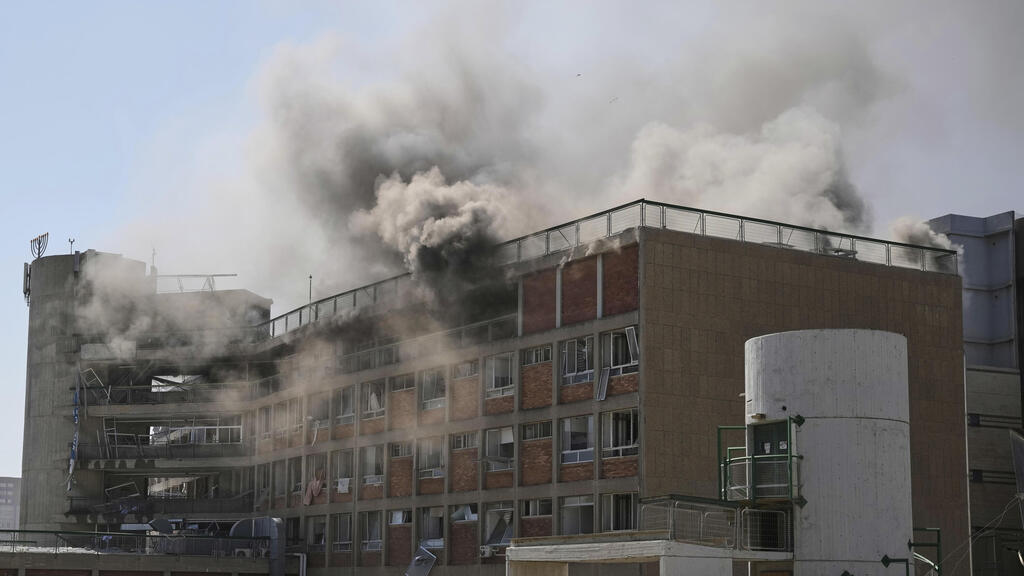
Soroka Medical Center in Be'er Sheva hit by a missile from Iran
(Photo: Leo Correa / AP)
Ignatius also noted that Israeli and U.S. planners were surprised by Iran’s substantial arsenal of solid-fuel missiles, which proved harder to intercept in flight and inflicted significant damage and casualties during the war.
Despite Iran’s official denials of nuclear weaponization, mounting evidence suggests the campaign has slowed Tehran’s capacity by at least one to two years. Meanwhile, European-led talks continue with Iran amid looming “snapback” UN sanctions unless diplomatic engagement progresses