

An inquiry led by retired Maj. Gen. Sami Turgeman has received testimony from senior IDF officers describing what they say were significant missed opportunities in the two years before Hamas’ Oct. 7 attack. According to those accounts, operational plans by the IDF Southern Command to target Hamas leaders Mohammed Deif and Yahya Sinwar were not carried out despite recommendations from senior officers. Former IDF chief of staff Aviv Kohavi had urged a focus on preparedness for the northern front, while Israel’s political leadership repeatedly pressed the military not to initiate action in Gaza during periods of calm.
Intelligence material seized from Hamas computers in Gaza after Israel’s ground maneuver last year suggested that the terrorist organization had seriously considered launching its “Jericho Wall” attack plan between Passover 2023 and that year’s Independence Day. The timing appeared linked to deepening societal rifts in Israel over the government’s judicial overhaul and the nationwide protests against it.
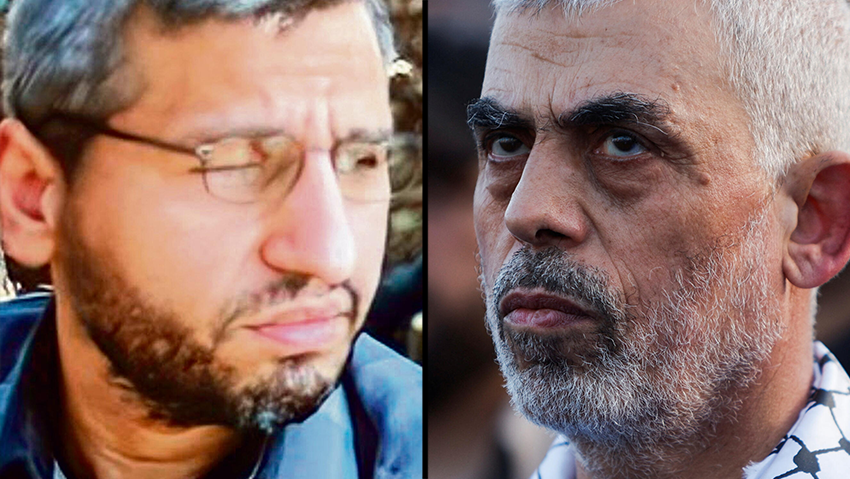
Members of the Turgeman Committee also reviewed Israeli counterproposals from that period and from the year before: plans to kill Sinwar and Deif. The existence of those plans was first reported by Yedioth Ahronoth and ynet in March.
One senior officer told the committee that the Southern Command had pushed not only for a narrow operation targeting the two leaders, but also for a broader plan developed in the early 2020s under then–Southern Command chief Maj. Gen. Eliezer Toledano. That plan envisioned four stages: a surprise Israeli initiative beginning with the killing of Deif, Sinwar, and two to three additional Hamas brigade-level commanders; extensive airstrikes on Hamas buildup sites known to Israeli intelligence; a series of air missions to destroy key Hamas and Palestinian Islamic Jihad positions; and, finally, a limited ground maneuver by three regular IDF divisions to clear rocket-launch zones.
Although the political echelon under Prime Minister Benjamin Netanyahu had long insisted on keeping Hamas in power in Gaza — a policy meant, according to officials, to preserve stability and avoid responsibility for governing the enclave — the plan aimed to inflict severe damage and deter Hamas for years, not topple its rule.
Another senior officer gave a conflicting account. He told the committee that in the first window of opportunity, in May 2022, the Southern Command recommended only the narrower plan to kill the two Hamas leaders. According to that testimony, the initiative originated with the Shin Bet after a terror attack in Elad on the evening of Independence Day left four Israelis dead. Days earlier, Sinwar had delivered what became known locally as the “ax speech,” urging Palestinians to use any available weapon to kill Israelis. The proposal was rejected, officers said, because of Israel’s long-standing assumption that Hamas should remain weakened but intact in Gaza and that the West Bank and Gaza arenas should not be linked operationally.
A second and more substantial opportunity arose between Passover and Independence Day in 2023, amid rocket fire and border provocations by Hamas operatives. Testimony indicates that the Southern Command again raised only the targeted-killing proposal. The Shin Bet, under director Ronen Bar, reportedly supported the idea, but Kohavi’s successor, Lt. Gen. Herzi Halevi, opposed it on principle, citing the government’s consistent policy of granting Hamas practical immunity.
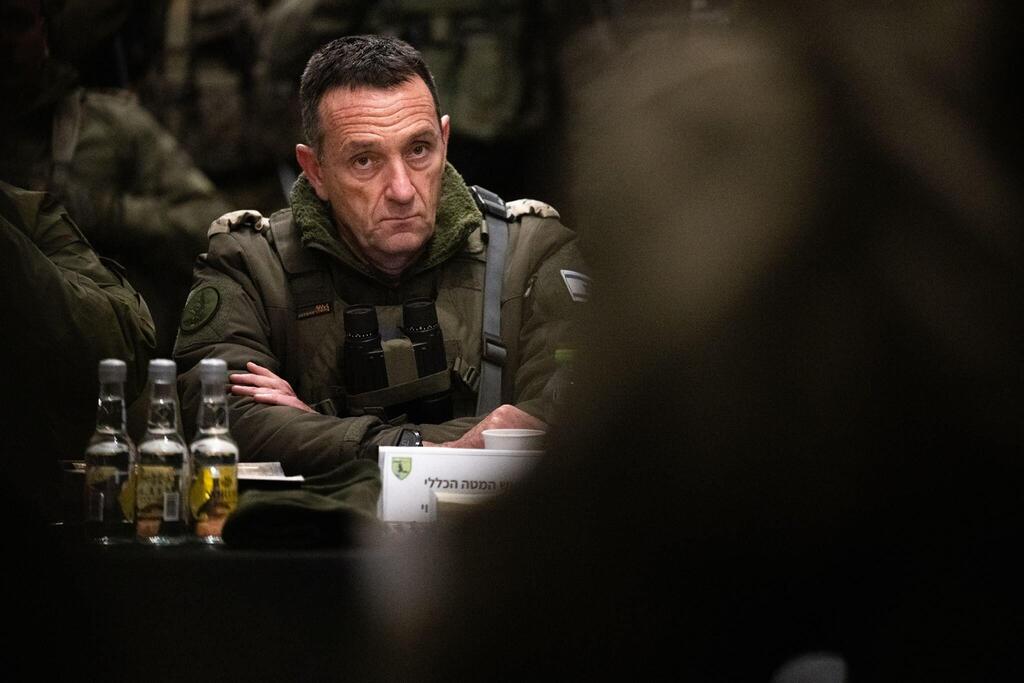
(Photo: IDF)
One account described Halevi granting Toledano permission to develop the plan further but insisting it be executable not only during calm — when Sinwar and Deif were more likely to be identifiable simultaneously — but also during periods of tension. According to testimony, officials believed Netanyahu would approve such an operation only during an escalation that could publicly justify the move. Sinwar and Deif, they noted, had avoided appearing together for years.
Committee members were also told that Toledano did not marshal all necessary partners — including the Shin Bet and the air force — to advance the plan to the level of maturity required to persuade decision-makers. Moreover, officers said, the Southern Command never presented details of Hamas’ Jericho Wall plan to the chief of staff or the cabinet.
Testimony emphasized that in 2023 Israel was increasingly focused on Hezbollah and Iran. A terrorist infiltration from Lebanon to the Megiddo Junction that March, which left one Israeli seriously wounded, accelerated preparations for potential conflict in the north. The government, officers said, repeatedly pressed the IDF to keep Gaza quiet “at almost any cost.”
The officers cited past examples in which political reluctance was overcome by a single event, including the 2019 assassination of Islamic Jihad commander Baha Abu al-Ata in Gaza. That operation had been prepared for months by the Southern Command, but according to testimony, Netanyahu approved it only after feeling humiliated when a rocket was fired at Ashdod during one of his speeches.
The committee was told that the broader plan against Hamas was imperfect and that its final ground maneuver, targeting rocket launchers after Hamas had already fired most of its arsenal, raised questions. But officers said the more troubling issue is that no body has been empowered to determine what actually happened in the classified deliberations, who advocated which course of action, and why Israel’s political leadership insisted across multiple governments and security chiefs on keeping Hamas in power.
Turgeman was tasked solely with evaluating the quality of the IDF’s internal Oct. 7 investigations, not with determining accountability for long-standing policies or operational failures such as the disregard of the Jericho Wall intelligence.
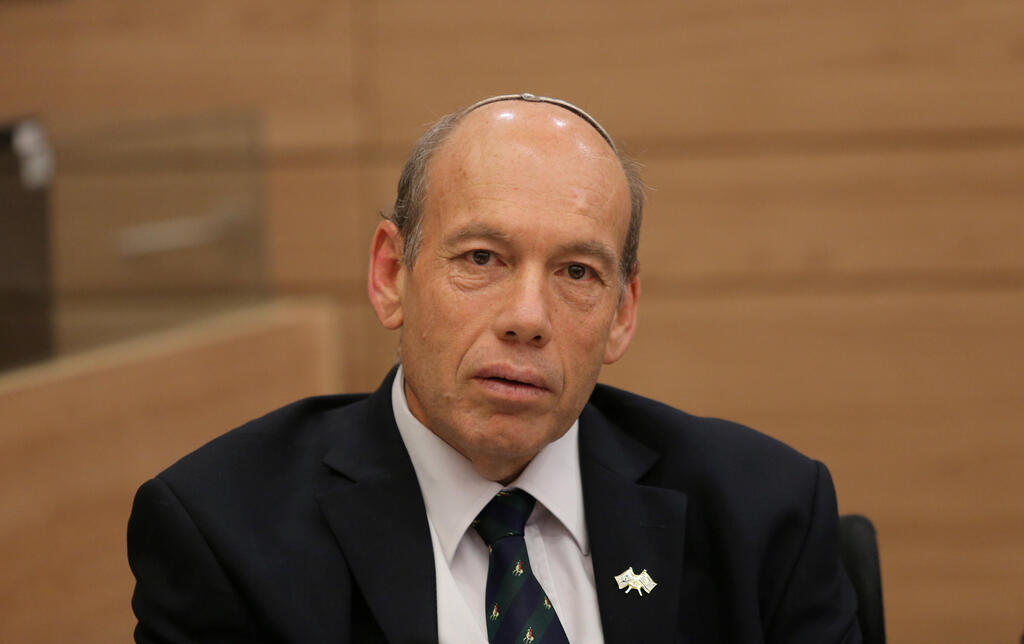
(Photo: Alex Kolomoisky)
Some testimony has been transferred to State Comptroller Matanyahu Englman, though his ability to rule on these matters is limited. Critics have questioned the objectivity of his war-related reports because of his ties to Netanyahu.
Senior officers told the committee that the canceled plan would have included coordinated air missions culminating in the destruction of Hamas command posts and the killing of midlevel commanders. While not intended to eliminate Hamas entirely, they noted, two years of ground fighting across Gaza have also failed to do so.
They added that the planned ground assignments for the divisions were clear and that the entire operation was designed to last about two weeks. Deliberations inside the General Staff were described as heated. By mid-2023, the IDF was already prioritizing readiness for a multi-front conflict with Hezbollah and Iran and was concerned about preserving Iron Dome interceptor supplies. Fear of casualties in a preemptive operation also weighed heavily — a calculation officers said would likely be very different after Oct. 7.
The IDF confirmed that the matter was raised before the Turgeman Committee but said its authority is too limited to issue findings on the issue. Toledano and Halevi did not respond to requests for comment.