


Former Israeli military chief Herzi Halevi acknowledged failures that led to Hamas’ Oct. 7 attack, telling residents of a southern border community that the responsibility was his.
“It was a huge and terrible failure,” Halevi said Tuesday in an open meeting with residents of Ein HaBesor, near the Gaza Strip. “I was the commander of the IDF that day. The responsibility is mine.”
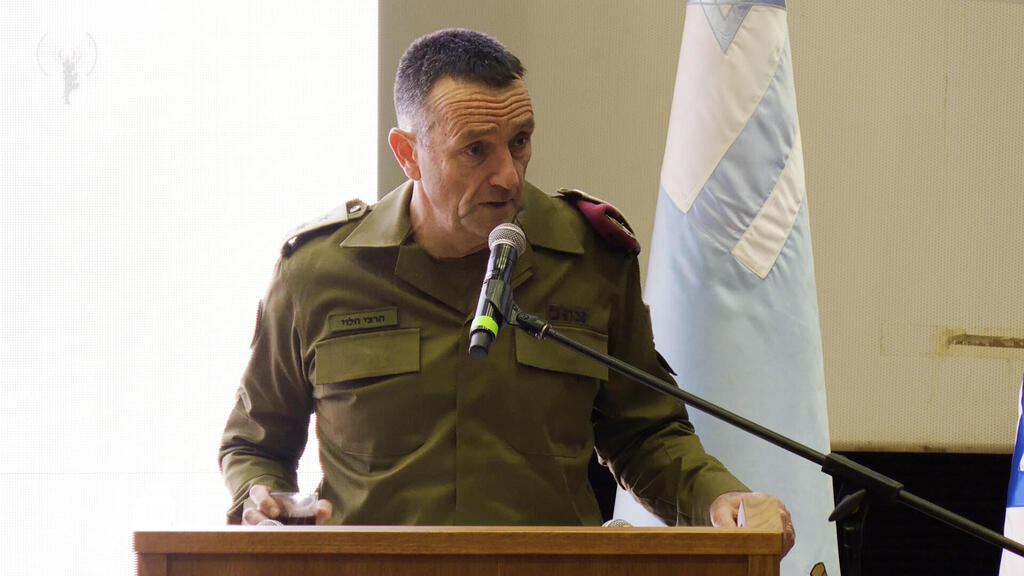
Halevi said he has repeated that admission in countless conversations since the assault, in which Hamas-led militants stormed southern Israel, killing about 1,200 people and taking roughly 250 hostages.
Missed warnings
Halevi said the military now knows Hamas had prepared for similar operations twice before Oct. 7 but called them off because of internal disputes.
“We didn’t see the signs,” he said. “Unfortunately, even on that night no one in a briefing or assessment said, ‘A war is about to break out.’ There were signs. After we investigated, it was clear we could have done better.”
"Residents often ask me why we invested in Hezbollah but not enough in Hamas,” Halevi said. “We didn’t think Hamas was in a position to initiate something. They managed to hide it from us very well.”
Former Southern Command chief Yaron Finkelman, who also attended the meeting, admitted to both intelligence and strategic failures.

“The enemy surprised us not just on Oct. 7 but also with the capabilities it had built,” Finkelman said. “This was not a raid or a terror attack, but a full-scale assault. We failed to understand this both in intelligence and in our concepts.”
Rules of war and legal oversight
Halevi rejected claims that military prosecutors had restricted Israel’s operations. “For about a year and a half, we struck extensively throughout the Middle East. Never once was I limited,” he said. “Legal advisers only told us whether something could be defended internationally, which is very important for Israel. In Gaza, 2.2 million people live there. More than 10 percent were killed or wounded. This is not a gentle war, but everything we do is in accordance with international law.”
Hostages and ongoing war
Halevi said the return of hostages remains Israel’s top moral responsibility. “It’s significant, also a moral issue, because we are responsible for them being there,” he said. “The hardest decisions I made were about rescue operations and strikes when there was a risk of harming a hostage. We tried very hard but did not succeed every time.”
He described Israel’s recent strike in Qatar targeting Hamas leaders as a “very complex decision” by the country’s political and military leadership. “After Oct. 7, we must be resolute in this war,” he said.
Calls for unity
Halevi closed the meeting by urging residents to focus on lessons learned but also on national unity.
“People here ask me, ‘Will it be safe to live here?’ My answer is yes,” he said. “Together with the current chief of staff, I am committed to learning and correcting. It’s natural to have different opinions, but we must stay united. That is true for Ein HaBesor, and it is true for the State of Israel.”