


According to the latest update from the U.S.-based Iranian human rights organization HRANA, which relies on a network of sources inside Iran, at least 538 people have been killed since the protests began about two weeks ago, including 490 protesters and 48 members of the security forces. The death toll is likely significantly higher. HRANA said more than 10,600 people have been arrested.
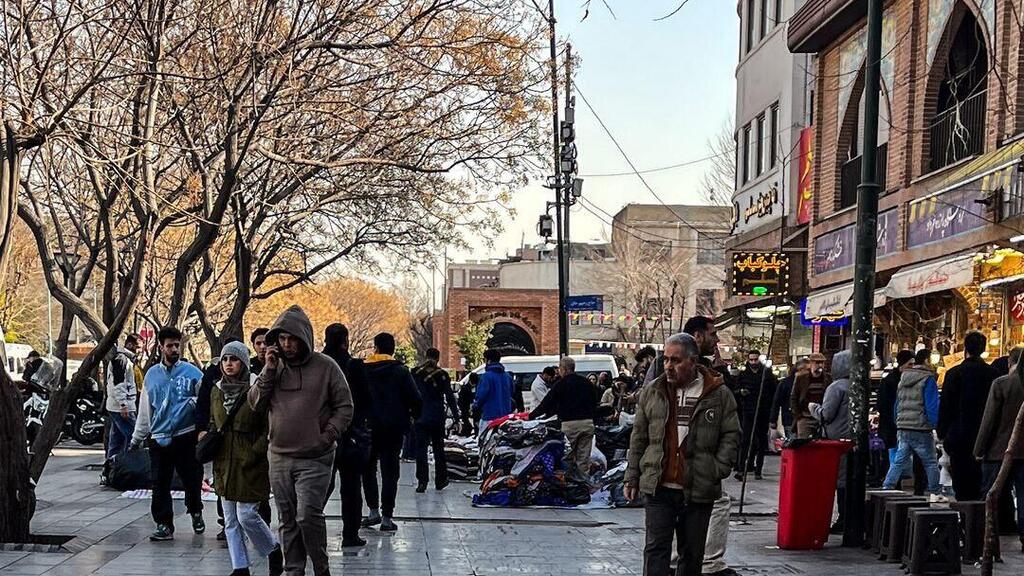
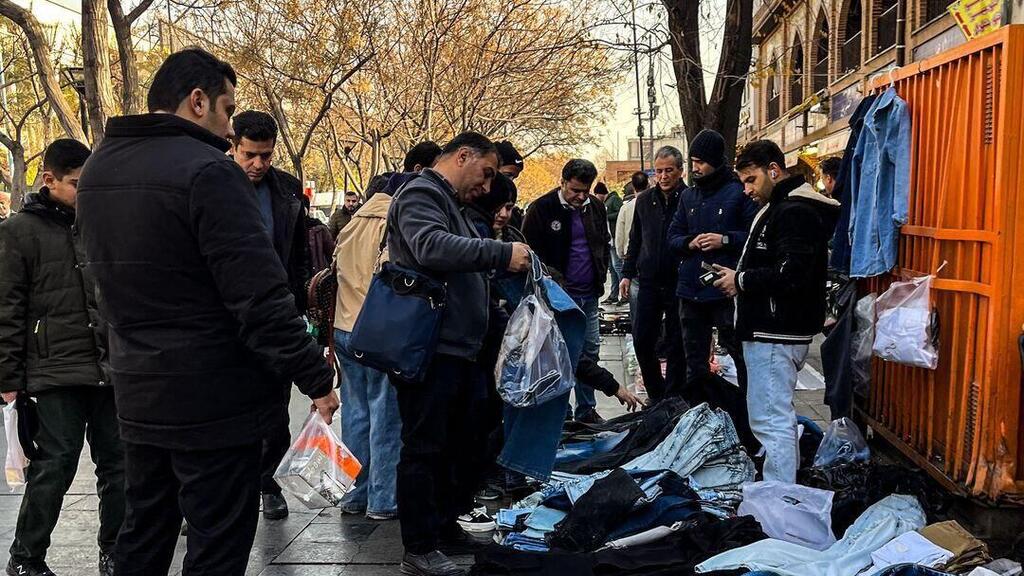
Iran has been without internet access for a third consecutive day. The Fars news agency sought to project a sense of normalcy on Sunday, publishing photos from Tehran’s bazaar. However, particularly graphic videos published by BBC Persian and the opposition outlet Iran International, reportedly filmed near the Kahrizak forensic institute in Tehran, showed bodies being transported in pickup trucks, with family members told to search through piles of corpses to find their relatives.
Graphic footage shows dozens of protesters’ bodies, with grieving relatives weeping beside them


In 12 videos circulated online, apparently provided by a person who recently left Iran, relatives can be seen weeping beside loved ones killed in the protests. Long rows of body bags were also visible, laid out in the courtyard of the forensic institute. One video showed images of the dead displayed on a screen for identification by families, with the number 250 written beneath one image, suggesting that more than 250 bodies may be at that site alone.
Despite the continued internet blackout, Iran International reported that mass protests were still underway in Tehran on Sunday evening. According to the opposition site, Iranian security forces fired tear gas at families who arrived at a Tehran cemetery for the funerals of protesters killed in recent days.
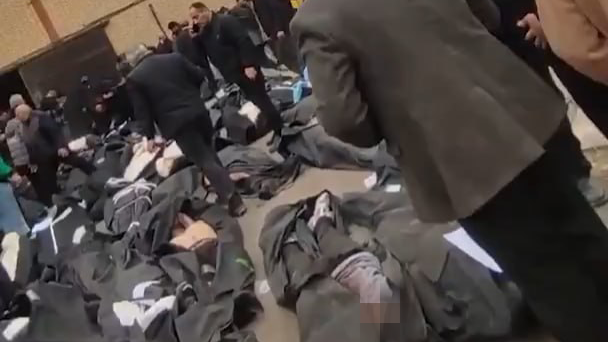

Grieving relatives weep beside the bodies
The Wall Street Journal reported, citing U.S. officials, that President Donald Trump is expected to receive a briefing Tuesday on specific response options, a sign he is considering action against the Iranian regime over the violent suppression of the protests, as he has repeatedly threatened. The planned meeting with senior administration officials is expected to focus on measures against the Islamic Republic that could include covert cyber operations against military and civilian targets in Iran, additional sanctions and possible military strikes.
No final decision is expected at the meeting, as discussions remain at an early stage. In preliminary talks among senior administration officials last week, concerns were raised that U.S. or Israeli action on behalf of the protesters could serve the regime’s narrative that foreign forces are behind the unrest.
The Pentagon has not yet moved forces in preparation for possible strikes. The United States would need to deploy military assets not only to carry out attacks but also to defend its forces in the region. In recent days, the U.S. transferred the aircraft carrier Gerald Ford and its strike group from the Mediterranean to South America, leaving no American aircraft carrier currently stationed in either the Middle East or Europe.
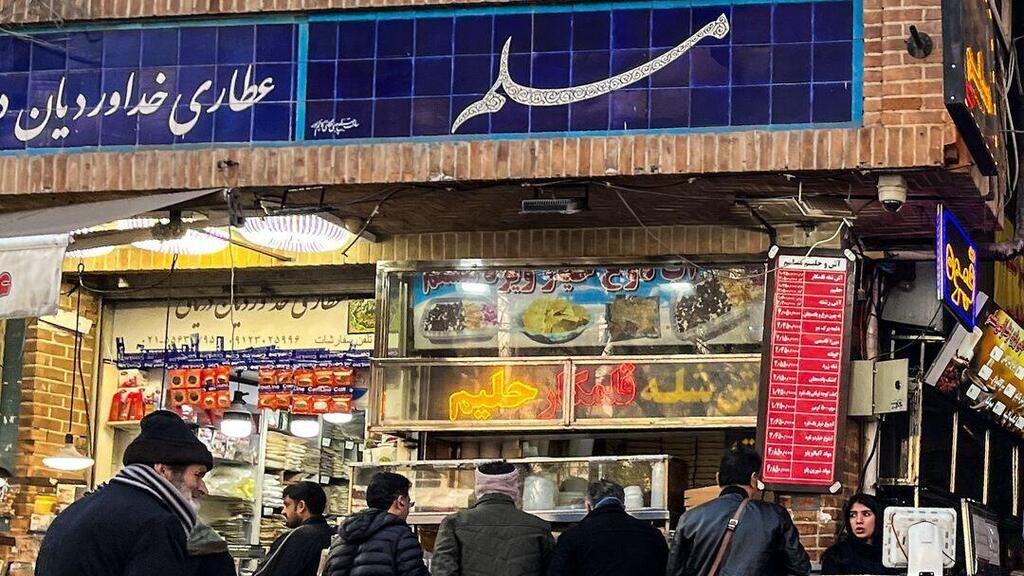
A show of supposed normalcy in Iran, in images published by the Fars news agency
One option under discussion is the transfer of Starlink terminals, the satellite internet service owned by Elon Musk, into Iran, which could help protesters bypass the country’s internet and phone shutdowns.
Meanwhile, following the protests over the weekend, several situation assessments were held at the IDF, led by Chief of Staff Lt. Gen. Eyal Zamir. The military stressed that the demonstrations are an internal Iranian matter but said it remains on defensive alert and continues to improve its capabilities and operational readiness.
‘We will know how to respond forcefully if required. The IDF will do whatever is necessary to protect the citizens of the State of Israel,’ officials said.
At the start of Sunday’s Cabinet meeting, Prime Minister Benjamin Netanyahu said Israel was closely monitoring developments in Iran.
‘The protests for freedom have spread across the country,’ Netanyahu said. ‘The people of Israel, and the entire world, stand in awe of the tremendous courage of Iran’s citizens.’ He added: ‘We all hope that the Persian nation will soon be freed from the yoke of tyranny, and when that day comes, Israel and Iran will once again be loyal partners in building a future of prosperity and peace for both peoples.’
First published: 20:05, 01.11.26