

Defense Minister Israel Katz said Monday that a recent airstrike campaign in Iran dealt a severe blow to the country’s nuclear program, marking a major shift in Israel’s regional strategy.
He also outlined plans for postwar Gaza, rejected calls to escalate against Hezbollah and reiterated Israel’s intention to dismantle Hamas while maintaining security control in the territory.
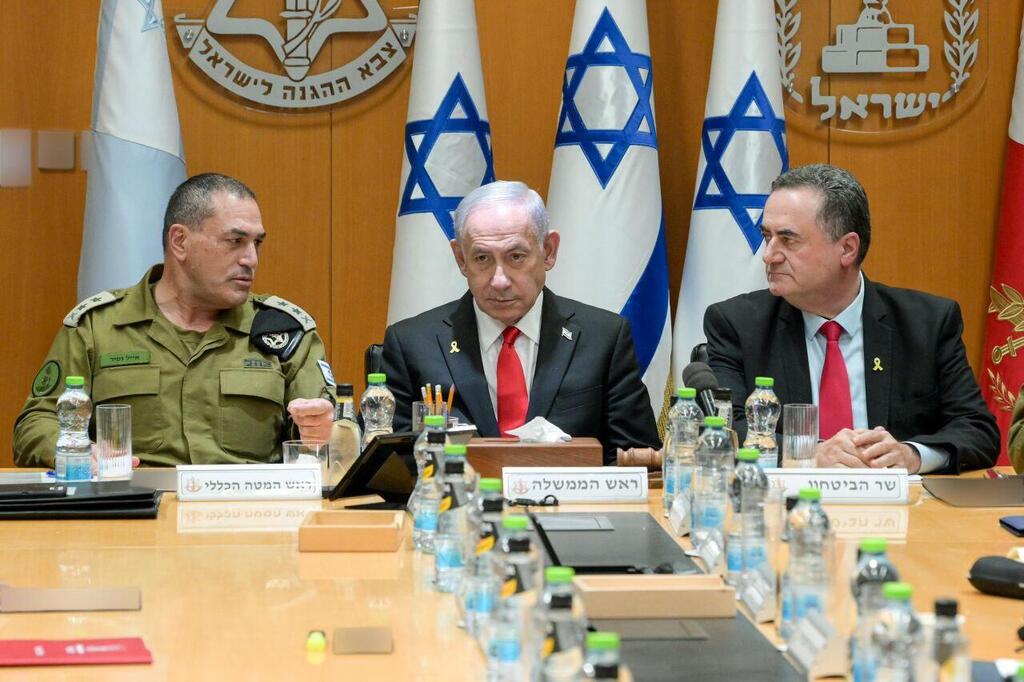
Speaking at a special briefing alongside IDF Chief of Staff Lt. Gen. Eyal Zamir, Katz revealed previously undisclosed details about Operation Rising Lion, the Israeli military strike carried out on June 12, which targeted senior Iranian officials and nuclear infrastructure in and around Tehran.
“This operation significantly disrupted Iran’s nuclear weapons development,” Katz said. “We chose to strike first—before hundreds of missiles could be launched at us.”
Coordinated plan with U.S. consultation
The operation followed months of classified planning involving multiple branches of Israel’s security establishment. Katz said the opening strike, dubbed Operation Red Wedding, was approved after a series of high-level discussions starting in late 2023.
An initial plan focused on the Fordow enrichment site was deemed too limited. Israel eventually developed a broader strategy, dependent on achieving what Katz called a “stand-in capability” for its air force—the ability to independently conduct long-range strikes deep into Iran. “Without that, there would have been no operation in Iran,” Katz said.
IAF strike in Tehran


The Israeli Air Force also conducted Operation Narnia, which involved targeting Iranian scientists and preparing to disrupt Tehran’s command and control systems to prevent an immediate counterattack. In May, the cabinet approved Operation Tornado, a precision strike inside Tehran aimed at senior security officials and nuclear assets. The IDF reached full readiness by June 9.
According to Israeli estimates, the opening strike prevented a wide-scale Iranian attack that was already in advanced planning stages. Among the Iranian officials killed was Amir Ali Hajizadeh, commander of the Islamic Revolutionary Guard Corps’ air force.
Iran vulnerable to airstrikes
Katz said some Iranian officials had suspected an Israeli operation but failed to take effective precautions. “They were not prepared,” he said. Israeli aircraft reportedly adjusted some targets in real time based on updated intelligence.
Katz emphasized that Iran’s limited air defense capabilities remain a vulnerability. “They are exposed—and they know it,” he said. “We demonstrated extraordinary capabilities. We must preserve those achievements.”
While the IDF considers the operation a success, Israeli officials warned that Iran could eventually recover parts of its nuclear program. Katz said that Israeli air superiority over Iranian territory now serves as a critical long-term deterrent.
Gaza plans: Humanitarian zones, civilian relocation
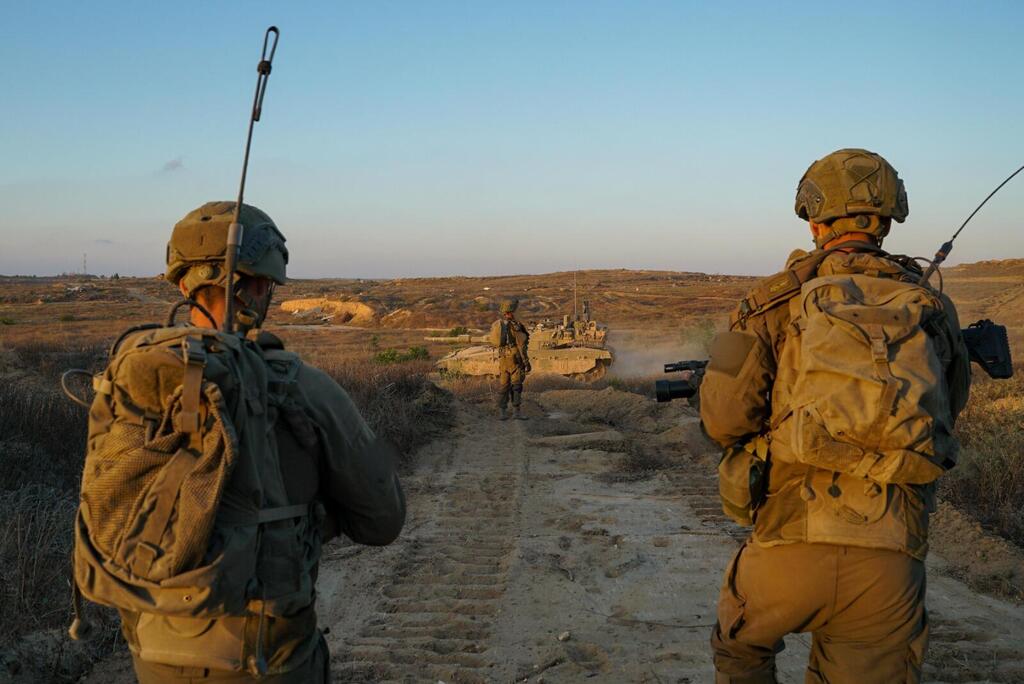
Katz also addressed the war in Gaza, where he said the Israeli military controls roughly 70 percent of the territory and intends to stay until all hostages taken by Hamas are returned.
He proposed the creation of a civilian zone south of the Morag corridor to house the local population, separating them from Hamas. The area would be managed by an international body, and Israel would retain military control of the corridor. Katz reaffirmed Israel’s goal of encouraging voluntary emigration from Gaza and said Prime Minister Benjamin Netanyahu is working to identify countries that would accept Palestinian migrants.
(Photo: IDF Spokesperson's Unit)
Regarding humanitarian aid, Katz denied reports that Finance Minister Bezalel Smotrich opposed it outright. He said Smotrich objected only to the involvement of Hamas in aid distribution. Katz said the government plans to establish four new aid distribution sites in addition to the four currently operating. The IDF, he added, is responsible only for securing the aid zones, not for distributing the assistance itself.
Hezbollah, Syria, and other fronts
Katz said Israel is not seeking a broader conflict with Hezbollah in Lebanon but intends to enforce existing security agreements. In Syria, he said, the continued presence of Israeli forces remains necessary. The IDF foiled an attempted attack by an Iranian-linked cell in Syria just a day earlier, he added.
Turning to Yemen, Katz said Israel will not tolerate a war of attrition with Houthi rebels, whom Israeli aircraft struck again overnight. He dismissed suggestions that Israel is pressuring the United States for military support in that arena. “We will not tie the U.S. to the Houthis,” he said, noting that most of the damage inflicted on the Houthis so far has been economic.