

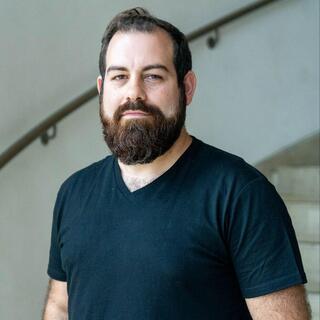
The High Court of Justice on Monday rejected petitions against the appointment of Maj. Gen. Roman Gofman as head of the Mossad, clearing the way for him to assume the post on Tuesday and replace outgoing chief David Barnea.
Justices Ofer Grosskopf and Alex Stein voted to dismiss the petitions, while Justice Daphne Barak-Erez dissented, saying further examination was needed into questions that remained unresolved. She said an order nisi and interim injunction should have been issued to delay the appointment, without making any adverse finding against Gofman.
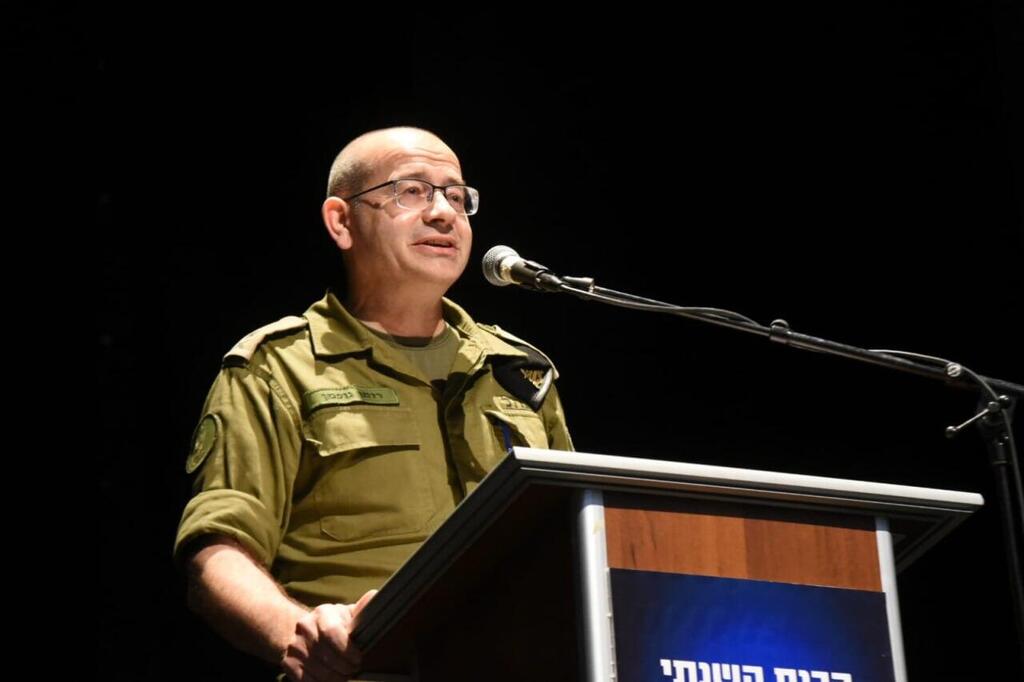
The majority accepted the position of the Senior Appointments Advisory Committee, known as the Grunis Committee, that no flaw in Gofman’s integrity justified disqualifying him from the post. The ruling rejected the minority view of the committee’s chairman, former Supreme Court president Asher Grunis, who had argued that the matter required further examination.
The court also unanimously rejected the position of Attorney General Gali Baharav-Miara, who opposed the appointment.
In a statement after the ruling, the Attorney General’s Office said it had examined Grunis’ findings and the evidence “professionally” and formed its position based on the factual record.
“Our position was rejected by the court, and needless to say, we respect the court’s ruling,” the statement said. “The Attorney General’s Office and the attorney general personally will assist Maj. Gen. Gofman as needed and as possible in carrying out his important role as head of the Mossad. The attorney general and the entire Attorney General’s Office wish Maj. Gen. Gofman great success in the position.”
The main opinion was written by Grosskopf, who found that Gofman’s conduct in connection with the affair involving Ori Elmakayes, a minor who was allegedly used in a military-linked operation, did not cast an ethical stain on him and certainly did not justify barring him from leading the Mossad.
Grosskopf wrote that claims that Gofman knowingly operated a minor, or deliberately misled IDF officials about the role of 210th Division in the affair, were not supported by the evidence presented to the committee.
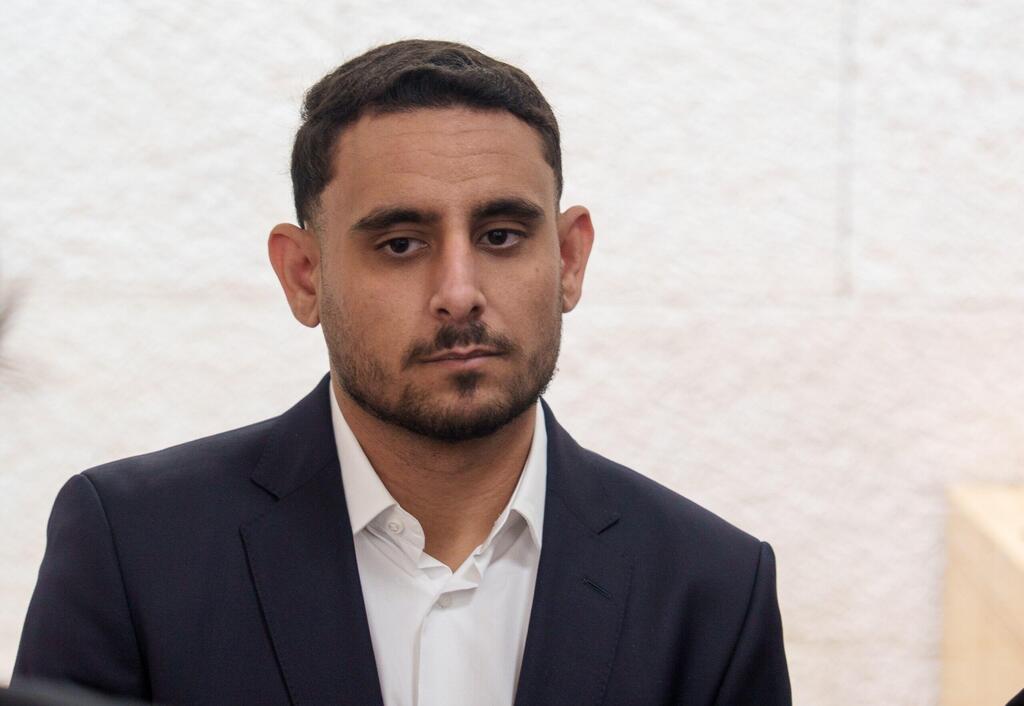
Ori Elmakayes
(Photo: Shalev Shalom)
He also rejected the claim that Gofman had “abandoned” people acting on his behalf, calling it mistaken and based on an inaccurate description of the affair and of Division 210’s marginal role in the security and criminal investigation.
Grosskopf said there was no dispute that failures occurred in Gofman’s handling of the matter, and that disciplinary action had been taken against him at the time by the then-commander of Northern Command. However, he said those failures did not concern integrity or ethical fitness.
Stein joined the decision to reject the petitions. He said that although the committee’s evidence-gathering process “was not at its best,” the flaw was not fundamental enough to invalidate its decision approving Gofman’s appointment.
Stein sharply criticized what he described as baseless accusations leveled against Gofman by the Movement for Quality Government, one of the petitioners. He also rejected the attorney general’s position, saying the proceedings should not be turned into a “Gofman trial” aimed at determining whether he was worthy of heading the Mossad.
Barak-Erez, in her dissent, said the petition should not have been dismissed at this stage. She agreed with parts of Grosskopf’s legal analysis but said the flaws in the committee’s work, particularly in the majority opinion, prevented the court from ending the matter without further review.
She stressed that the existing material did not provide a basis for impugning Gofman, but said the case required unresolved doubts to be cleared in the public interest and from Gofman’s own perspective.
The legal question before the court was whether the committee’s decision that no integrity flaw had been found in Gofman’s conduct was within the bounds of reasonableness, and whether Prime Minister Benjamin Netanyahu’s decision to appoint him was not extremely unreasonable.
During earlier hearings, the justices criticized the attorney general for relying, in their words, on “assumptions” rather than “evidence.” At the same time, they said the committee’s work had been deficient because it had not summoned key witnesses or examined certain documents, and ordered it to revisit the appointment.
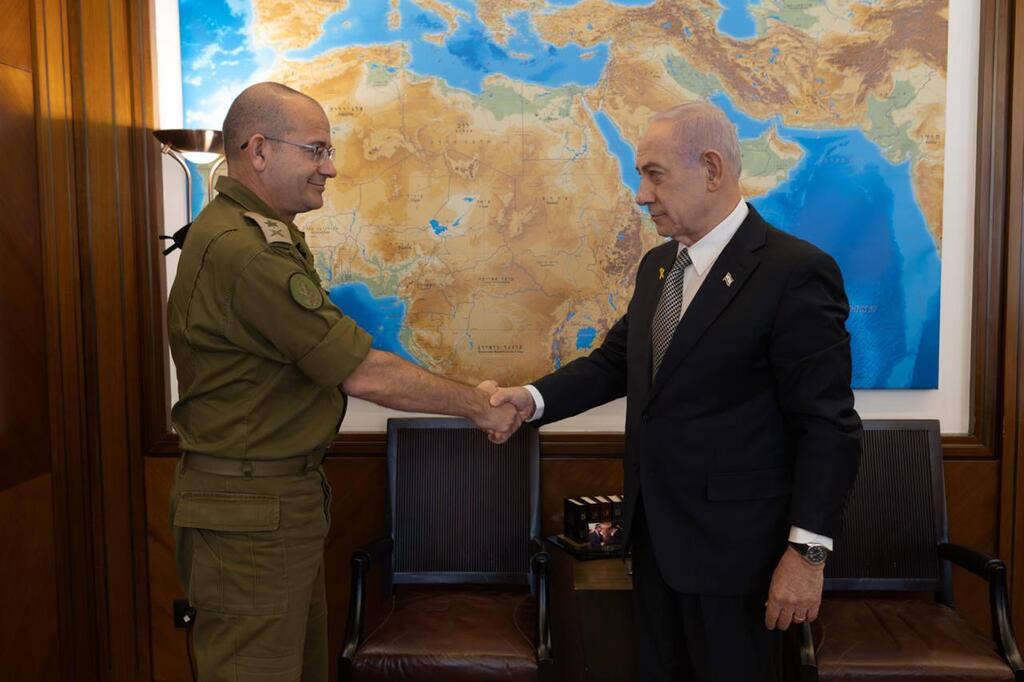
(Photo: PMO)
After renewed examination, including additional testimony and documents, the committee’s positions remained unchanged: the majority said Gofman had not abandoned Elmakayes, while Grunis maintained his opposition and said the matter should be examined further
Following the ruling, the Mossad said outgoing chief David Barnea had sent a personal message to the agency’s personnel and commanders.
“I expect all of you to stand by Maj. Gen. Gofman and continue to assist him in assuming the role in the best possible way,” Barnea wrote. “We face complex challenges at the core of Israel’s security, in which the Mossad has a central and influential role. Maj. Gen. Gofman’s success is the Mossad’s success and the success of the State of Israel as a whole.”
Barnea had opposed Gofman’s appointment and submitted a four-page letter to the court explaining why he believed Gofman could not serve in the role.
President Isaac Herzog congratulated Gofman after the ruling, recalling meeting him on October 8 at Assaf Harofeh Medical Center, where Gofman was hospitalized in serious condition after joining the fighting.
“He was lying seriously wounded in intensive care after rushing into battle, his body riddled with bullets, but his spirit was determined and brave,” Herzog said. “That moment reflected Roman’s courage, patriotism and deep sense of mission.”
First published: 17:08, 06.01.26