

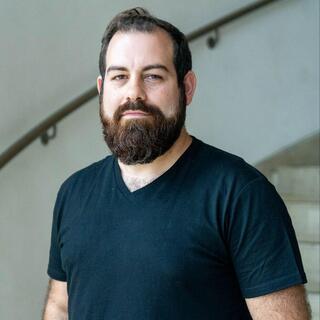
Retired Supreme Court chief justice Asher Grunis said outgoing Mossad chief David Barnea opposed Maj. Gen. Roman Gofman’s appointment to lead the foreign intelligence agency, according to a full opinion released Sunday that offers a rare look into closed-door deliberations over one of the country’s most sensitive security posts.
The opinion was published hours after Attorney General Gali Baharav-Miara urged the High Court of Justice to accept petitions against Gofman’s appointment, citing his role in an alleged unauthorized military influence operation involving a minor and what she called serious flaws in the approval process.
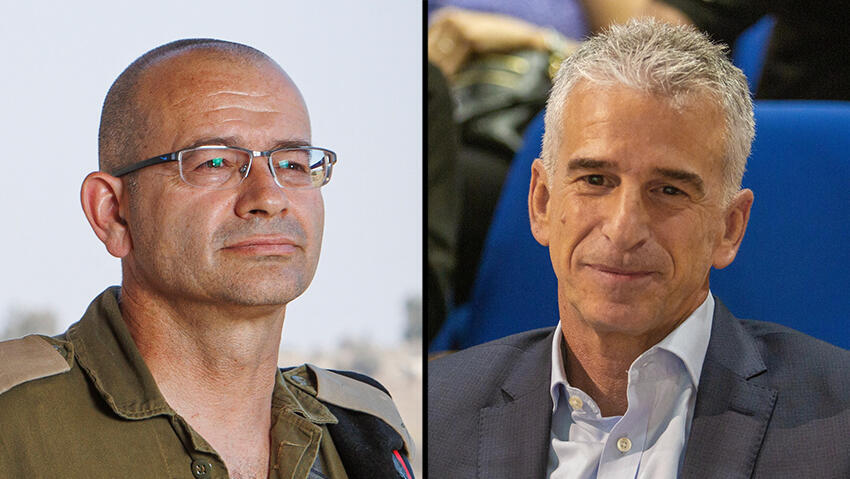
Gofman, Prime Minister Benjamin Netanyahu’s military secretary, was approved last month to replace Barnea as Mossad chief and is set to take office in June.
Grunis, who chaired the Senior Appointments Advisory Committee, was the only member of the panel to oppose Gofman’s appointment. His full dissent, apparently released at Netanyahu’s initiative, said Barnea “expressed a negative view” of appointing Gofman to the post.
According to Grunis, Barnea told the committee he was not familiar with all the details of the case. But Barnea added that if a Mossad division head who was not responsible for running agents nevertheless operated a person, that official would not remain in the job.
Baharav-Miara told the High Court she had received a classified and “substantive” letter from Barnea about Gofman’s appointment. She said Barnea’s letter addressed the Mossad’s unique nature and why that should affect how the committee examines integrity and propriety in the appointment process. The attorney general said the letter would be shown to the justices behind closed doors and without the other parties present.
ynet has learned that Barnea argued in his opinion against the appointment that because of the Mossad’s extreme secrecy, its overseas operations and its direct reporting line to the prime minister, especially strict standards must be applied to the integrity of the person chosen to lead it.
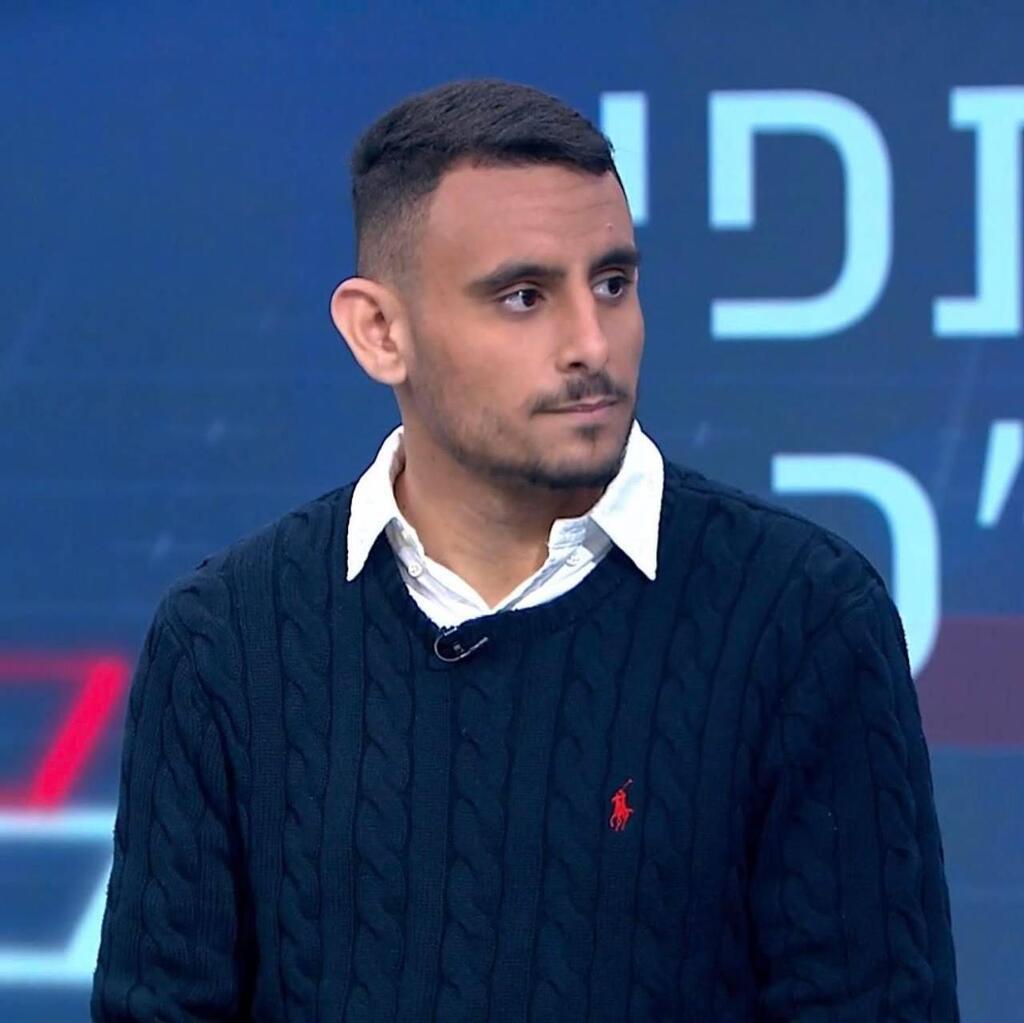
Ori Almakayes
(Photo: from social media)
The controversy centers on Ori Almakayes, a teenager from Ashkelon who operated a Telegram news channel and was allegedly used when he was 17 in an unauthorized IDF-linked influence operation while Gofman commanded the 210th Division on the northern border.
Reports have said officers under Gofman’s command passed information to Almakayes for publication online. Almakayes was later arrested by the Shin Bet security agency and police, who were reportedly unaware of the military operation, and charged with serious security offenses before the case against him collapsed.
Gofman has said he did not know Almakayes’ age and that he ordered only nonclassified information to be passed to him for publication on social media. Baharav-Miara has said the material before her showed Gofman was aware of the operation involving Almakayes and of his detention.
Grunis’ opinion also included remarks from Barnea that sharply criticized the alleged operation. “I cannot imagine that someone under me would approve such an operation at all,” Barnea was quoted as saying. “To take a 17-year-old, to allow him to sit for a year and a half — I don’t even know for what — and no one bothered to come and get him out. That is not moral, not values, not red lines, not permitted and not forbidden.”
The opinion also cited IDF Chief of Staff Lt. Gen. Eyal Zamir, who said he was not familiar with the details of the Almakayes case but that, as chief of staff, he would view approval of such an operation by a division commander with great severity.
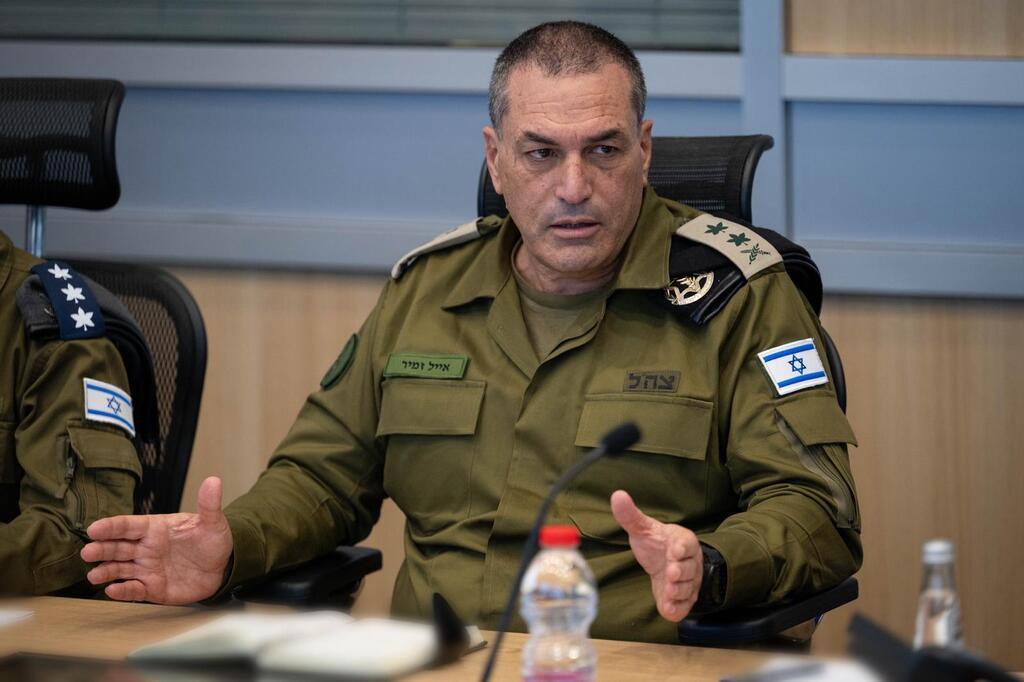
IDF Chief of Staff Lt. Gen. Eyal Zamir
(Photo: IDF)
The general positions of Zamir and Barnea had previously been reported, but Grunis’ full opinion offered a fuller account of what was said inside the committee. Baharav-Miara has argued that the appointment process was flawed because the committee majority signed off before Grunis completed his dissent and before two members reviewed classified documents she considered significant.
Netanyahu has urged the High Court to reject the petitions, arguing that responsibility for national security rests with the prime minister and that the appointment of the Mossad chief is a security decision that should receive broad judicial deference.
The High Court is expected to hear the petitions this week. The case has turned Gofman’s appointment into a major clash among Netanyahu, the attorney general, the outgoing Mossad chief and the retired judge who led the appointments committee.