

A gang rape carried out by Russian forces in Ukraine. Sexual violence attributed to the Houthis' women's unit. Sexual slavery in the Democratic Republic of Congo, as well as in Libya and Sudan.
As first reported by ynet, the United Nations has added Israeli security forces to its blacklist of perpetrators of sexual violence, alongside Hamas terrorists accused of such crimes in connection with the Oct. 7 massacre, as well as military forces and terrorist organizations from numerous other countries with notorious records.
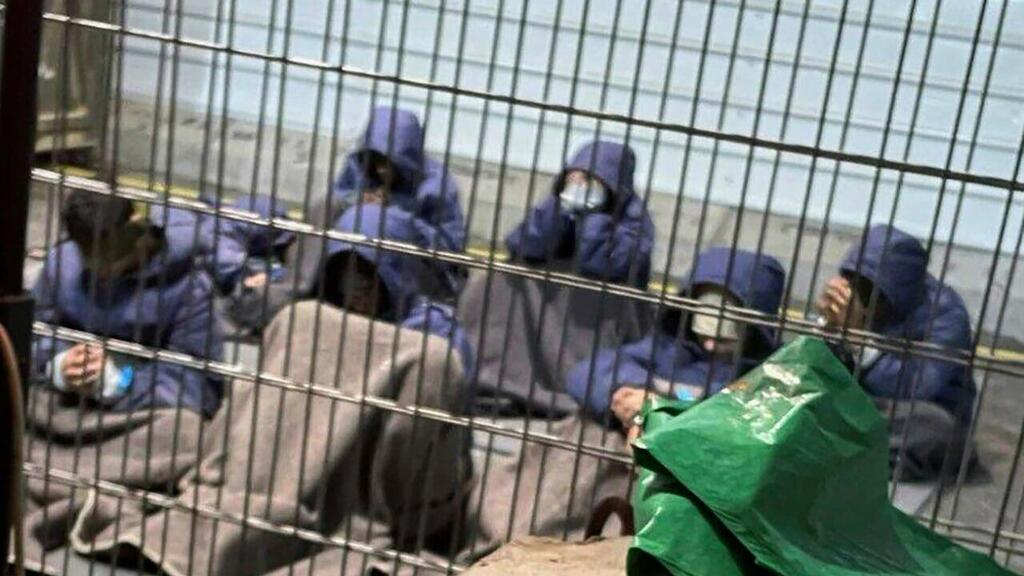
According to the report, Israeli forces were involved in documented patterns of sexual violence against Palestinian detainees in the West Bank and Gaza Strip. The report drew sharp criticism in Israel. The Foreign Ministry said that "the disgraceful decision to include Israeli entities is proof that the U.N. is a corrupt organization that systematically focuses on Israel as its primary mission. The person behind this farce is Secretary-General António Guterres, who chose to violate every standard of honesty, integrity and professionalism. Israel has decided to sever all ties with him."
Israel is, of course, not the only country included on the blacklist. But those listed alongside it underscore the severity of Israel's inclusion and the bleak international position it has reached more than two and a half years after the Oct. 7 massacre.
These are the countries included on the list alongside Israel and what was written about them in the report. The descriptions are difficult to read:
Ukraine
The only European country in the report, although most of the allegations concern Russian forces.
The U.N. report states that patterns of sexual violence continued to be documented last year in areas of Ukraine occupied by Russian forces. As in the allegations against Israel, the report says that "the Russian authorities continued to consistently deny access to U.N. monitors."
The report notes that the U.N. mission in Ukraine verified 310 cases of conflict-related sexual violence, including rape, gang rape, genital mutilation, electric shocks and beatings to the genitals. The abuses affected 280 men, 26 women and four girls and were committed by Russian military and security forces, including the Russian army, prison service and Federal Security Service (FSB).
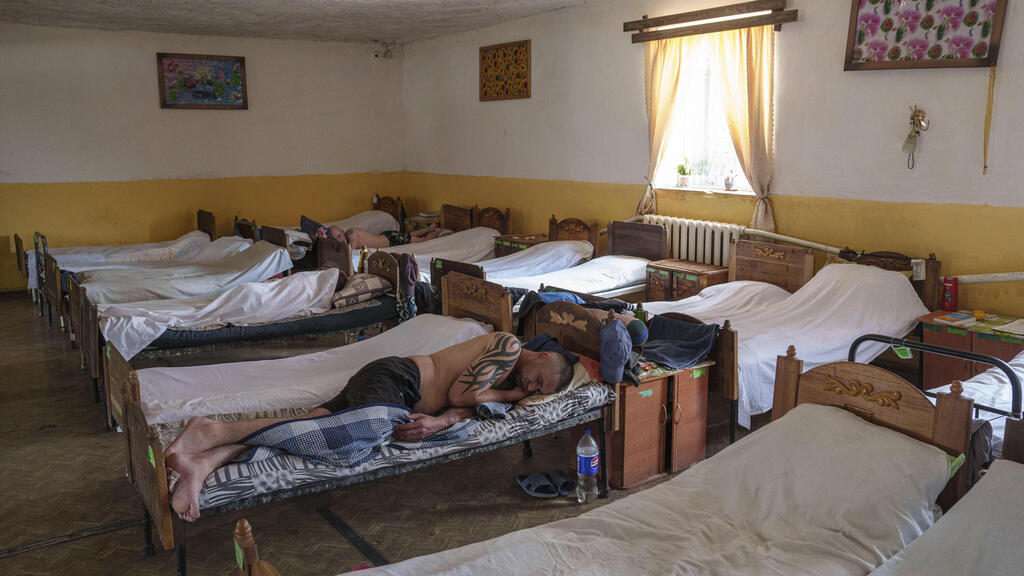
Prisoners in a Ukrainian prison
(Photo: AP Photo/Evgeniy Maloletka)
At least 52 of the cases were committed against prisoners of war and civilian detainees, primarily after they had been transferred to a new detention facility. The remaining cases were verified in 2025 but occurred during the early years of the war.
According to the report, sexual violence was frequently used to punish, humiliate or extract confessions from prisoners of war and civilian detainees. One prisoner of war was raped with a knife by Russian forces upon his capture in 2022 and was subsequently subjected to repeated sexual violence until his release in 2025.
The U.N. mission also documented 31 cases of conflict-related sexual violence involving Ukrainian security forces. Most occurred before 2025 and included electric shocks and beatings to the genitals, as well as forced nudity, directed against 27 men and four women.
Yemen
The U.N. panel of experts on Yemen reported widespread conflict-related sexual violence in areas under Houthi control.
According to the report, such violence was used strategically to break the will of regime opponents, including by stripping female relatives of detained men in front of the detainees themselves and through the rape of men during detention.
Former detainees and human rights activists said children were born in detention as a result of rape and that in some cases the children were separated from their mothers and remained in Houthi custody.
The Al-Zainabiyat unit, a women's force affiliated with the Houthis' security apparatus, was actively involved in carrying out sexual violence as a means of torture or punishment against women. Reports were also received that Houthi "supervisors" forced women and girls into marriage.
Syria
In 2025, thousands of detainees were released from detention facilities following the fall of the Assad regime, exposing patterns of rape and sexual violence carried out by the previous government.
The report states that female detainees were the primary victims of rape, while male detainees, including boys, were subjected to sexual assault as part of torture practices. The U.N. also reported sexual violence committed by the Islamic State group against four boys during the preceding three years.
Testimony of a Druze girl who was raped in Sweida
(Video: Generative AI for Good)


The report states: "In July, during armed clashes in southern Syria, allegations emerged regarding the abduction of Druze and Bedouin women and sexual violence committed against them by armed actors. Victims and their family members who filed complaints reported receiving threats and encountering various obstacles when attempting to obtain assistance from the authorities. A Syrian government investigation into the abduction of women between January and September 2025 determined that of 42 reported abductions, only one case was verified. However, more than 300 Syrian women's organizations and civil society groups, along with activists, challenged the investigation's findings. Additional cases of sexual violence linked to abductions have since been identified."
Afghanistan
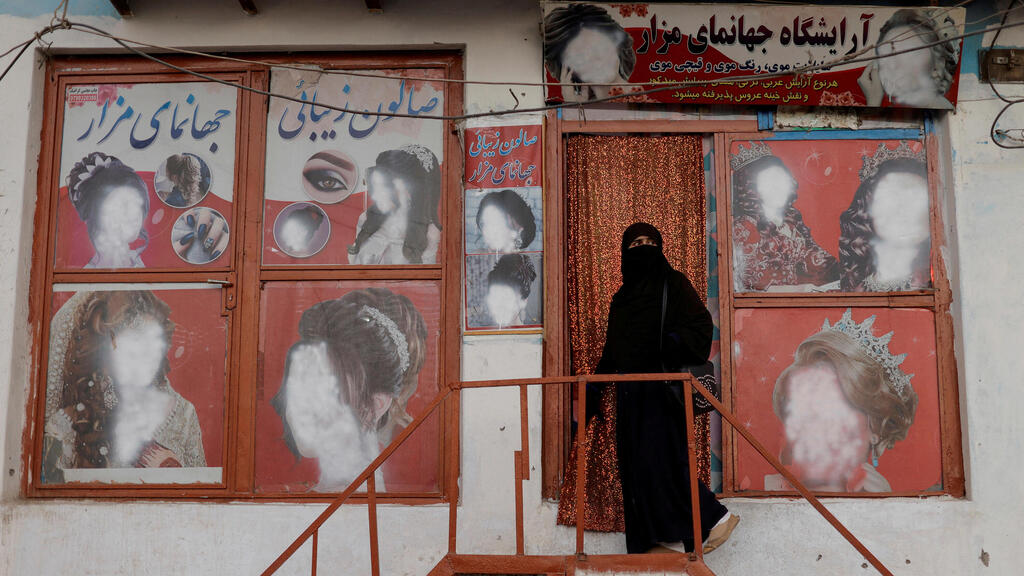
The Taliban continued its policy of repression against women and girls in Afghanistan.
In 2025, the U.N. Assistance Mission in Afghanistan verified cases of sexual violence, including rape, gang rape, forced marriage and forced exposure to nudity, committed against 15 women and six girls. The abuses were attributed to de facto authorities, including Taliban security forces.
Despite a ban on forced marriage announced in 2021, authorities were involved in both carrying out and perpetuating forced marriages.
Women who challenge or protest Taliban gender policies are subject to arbitrary detention. Female detainees have suffered torture and abuse, including sexual violence.
(Photo: Reuters, Jorge Silva)
Central African Republic
In 2025, the U.N. mission in the Central African Republic documented cases of conflict-related sexual violence affecting 239 women, 217 girls, 30 men and one boy. The abuses were attributed in part to fighters from the UPC and 3R groups, which began disarming after being incorporated into a national reconciliation agreement.
In addition, members of the national defense and security forces, including the armed forces of the Central African Republic, were involved in 79 cases.
Overall, no fewer than 10,385 cases of sexual violence were reported and attributed to armed groups, along with 1,978 cases attributed to national defense and security forces.
Colombia
The U.N. report states that the security situation deteriorated in certain areas during 2025 amid continued clashes between armed groups and the national armed forces. This exposed women and girls to an increased risk of conflict-related sexual violence.
The National Victims Unit recorded 753 cases of conflict-related sexual violence last year, with most victims being young women and girls.
Displaced and migrant women and girls were also particularly vulnerable to human trafficking, especially in border regions, along migrant transit routes and in areas where drug trafficking, illegal mining and smuggling take place.
Democratic Republic of Congo
In 2025, numerous reports of sexual violence were received amid escalating fighting between security forces and armed groups, including M23, which was backed by Rwandan security forces.
Following the capture of the eastern city of Uvira, reports emerged of sexual violence committed by M23 forces. In other provinces, no fewer than 90,199 cases of sexual violence, including rape, were recorded between January and September, primarily committed by armed actors.
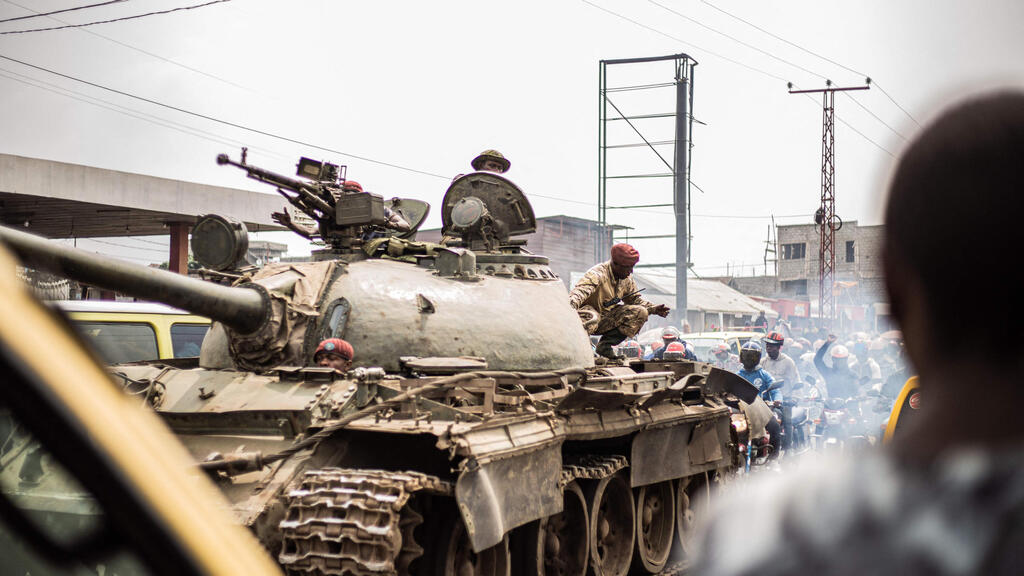
The fighting in Congo
(Photo: Jospin Mwisha / AFP)
The U.N. mission in Congo verified 1,534 cases of sexual violence, nearly all against women and girls, including sexual slavery. These acts were at times used as methods of torture and revenge. In some cases, the victims were 1-year-old girls.
Military personnel were involved in rape, gang rape and forced marriages that led to forced pregnancies and even death.
M23 fighters committed sexual violence against civilians suspected of ties to the Congolese army, including in detention facilities, targeting women, girls, men, boys, LGBTQ individuals and members of civil society.
Libya
The U.N. report states that human traffickers and armed groups continued to commit acts of sexual violence, including rape and sexual slavery, with near-total impunity. The primary victims were migrants, refugees and internally displaced persons in Libya.
The U.N. mission verified 45 cases of conflict-related sexual violence against migrant and refugee women and girls.
Victims who were abducted, arbitrarily detained or trafficked were sexually assaulted, raped and sexually exploited. These acts were often accompanied by torture and ransom demands as a condition for release.
The cases occurred in illegal detention centers and temporary holding facilities, where more than 3,000 detainees are believed to be held.
In eastern Libya, the U.N. continued to receive reports of arbitrary detention in facilities operated by the Libyan military, where patterns of sexual violence have been documented since 2017.
Mali
The report noted that insecurity in Mali increased the risk of conflict-related sexual violence.
The U.N. verified cases of sexual violence against 22 girls committed by armed groups, including the Islamic State's Sahel Province and Jabhat al-Nusra. Humanitarian service providers documented sexual violence affecting 45 women and 16 girls, including six women and girls with disabilities.
The violations frequently occurred in the context of the systematic abduction of women and girls while they were engaged in daily livelihood activities.
Myanmar
According to the U.N., amid escalating conflict in Myanmar, worsening economic hardship and mass displacement, reports of conflict-related sexual violence continued to emerge, primarily involving Myanmar's military.
The military, its affiliated forces and allied militias targeted individuals based on gender, sexual orientation, ethnicity, religion or political affiliation.
The abuses included rape, gang rape, sexual slavery and other forms of sexual violence, carried out during ground operations, in detention facilities, during village raids and at checkpoints, as well as in private homes, fields and forests.
In central Myanmar, the military reportedly committed rape, gang rape and sexual slavery against women and girls, including women with disabilities, often in their homes or inside military bases.
Victims suffered severe physical and psychological harm, including unwanted pregnancies, and some reportedly died by suicide. In June, reports indicated that up to 25 women were raped by military forces during raids in central Myanmar.
In fighting in another region, reports were received of sexual violence against Rohingya women and girls, committed in part by the military.
Somalia
In 2025, the U.N. mission in Somalia verified cases of conflict-related sexual violence against 201 girls and 21 women, some of whom became victims of sexual violence after being abducted.
According to the report, ongoing violence, interclan conflict and humanitarian crises worsened by climate change led to population displacement in Somalia and exposed women and girls to increased risk.
Difficulties accessing areas where the al-Shabab terrorist organization operates, fear of retaliation, social stigma and distrust of official reporting mechanisms exacerbated chronic underreporting, a phenomenon also seen in many other countries.
Sudan
The report noted that since the outbreak of fighting in the country, conflict-related sexual violence has become one of the defining features of the war. The abuses included rape, gang rape, sexual slavery, forced marriage, forced pregnancy and abduction for sexual exploitation.
The victims included 493 women and girls between the ages of 5 and 55.
In most cases, members of the Rapid Support Forces (RSF), which are fighting Sudan's government, were identified as the perpetrators.
Sexual and gender-based violence was used as a tool to terrorize entire communities and to punish and subjugate women and girls, indicating a systematic and organized pattern.
South Sudan
The report states that amid violations of the South Sudan peace agreement, conflict-related sexual violence continued in 2025 with almost complete impunity.
Armed youth and militia members abducted and raped women and girls, and the U.N. mission in the country verified cases of sexual violence involving 246 women and girls.
Thirteen victims became pregnant as a result of conflict-related rape and eight gave birth. Many were rejected by their families.
State security forces were also involved in these cases, which occurred in part at checkpoints and during night patrols and were sometimes linked to extortion.