

Senior Israeli officials are intensifying diplomatic efforts to prevent renewed fighting along the northern border as the U.S.-imposed deadline for the disarmament of Hezbollah south of Lebanon’s Litani River draws near.
On Friday, Israel’s Deputy National Security Adviser Joseph (Yossi) Draznin traveled to the Lebanese border town of Naqoura to participate in a meeting of the UN-brokered Trilateral Monitoring Committee, aimed at preserving the fragile ceasefire. He was joined by Dr. Uri Resnick, another senior National Security Council official who also attended the previous round of talks more than two weeks ago.
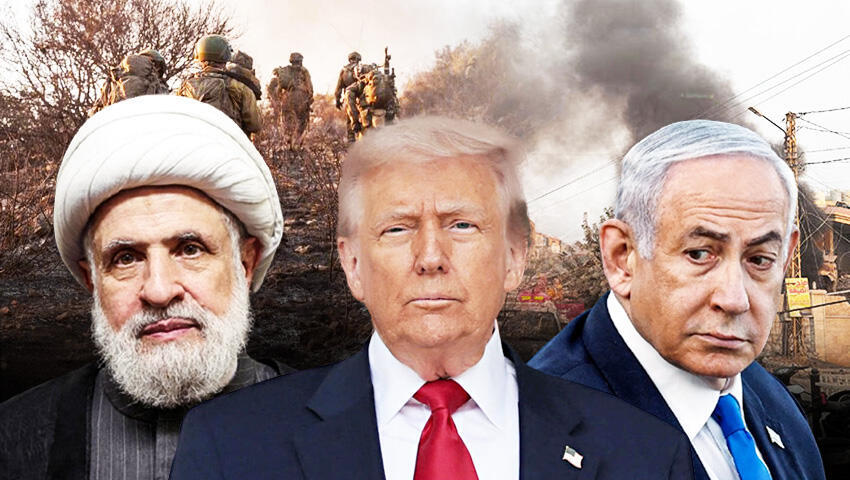
Israel joined the committee’s discussions after Lebanon agreed to include a civilian representative in talks on economic and civilian issues. Participants in the second round of civilian dialogue include former Lebanese Ambassador to the U.S. Simon Karam and U.S. envoy to Lebanon Morgan Ortagus.
Following the prior session, Prime Minister Benjamin Netanyahu’s office said the meeting was held “in good spirits” and focused on exploring potential economic cooperation between Israel and Lebanon. However, Israel stressed that Hezbollah’s disarmament is a non-negotiable demand, independent of any progress on civilian or economic matters. Netanyahu described the talks as “a first attempt to build a foundation for a relationship and potential economic cooperation between Israel and Lebanon.”
A Hezbollah source told Lebanon’s Al-Joumhouria newspaper that Israel views the moment as a strategic opportunity to push for full disarmament of the group and is pursuing it “with every means at its disposal.” According to the source, Israel has also begun demanding disarmament in the area between the Litani and Awali rivers.
The U.S. is applying heavy pressure on both Israel and Lebanon to avoid a collapse of the ceasefire. While Israeli officials believe a military clash with Hezbollah is becoming increasingly likely — citing the Lebanese government’s inability to confront the group — the Trump administration remains cautiously optimistic.
“There are promising signs in Lebanon,” a senior American official said. “The Lebanese Armed Forces are improving, the president is cooperative, and we hope we’re getting closer to a point where Hezbollah is no longer a threat to Lebanon or Israel — but it will take time.”
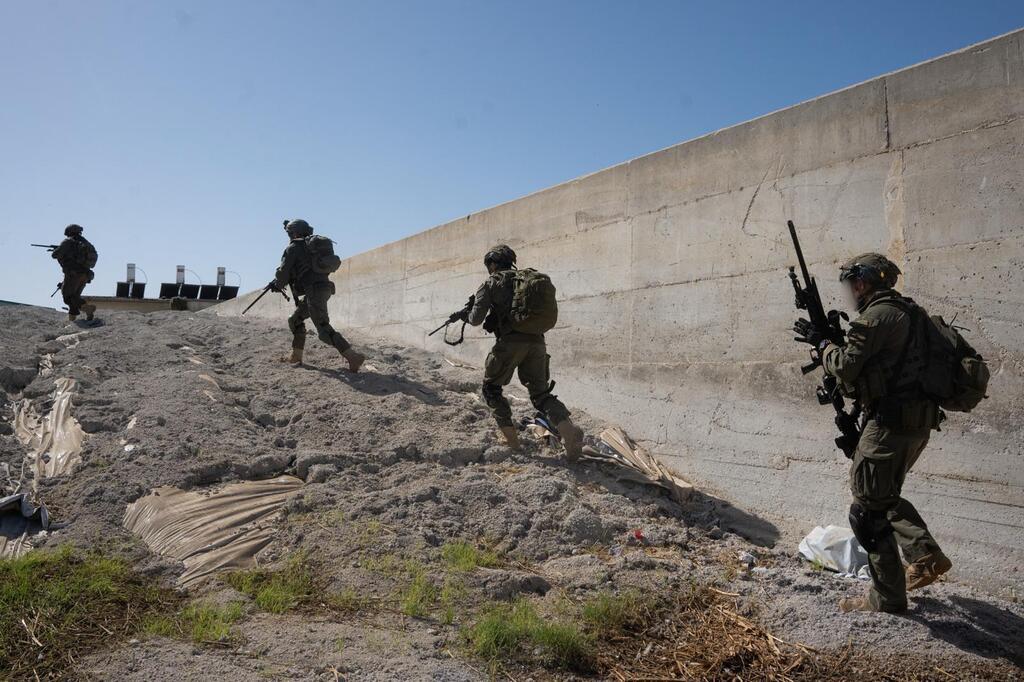
(Photo: IDF)
An Israeli official, however, stated bluntly: “The likelihood of renewed war in Lebanon is high.”
Jerusalem has told Washington that Hezbollah’s ongoing military buildup is unsustainable and that the Lebanese army has failed to act. While the U.S. previously supported targeted Israeli strikes in Lebanon, officials say American patience is running thin and there is less willingness to support a wider Israeli operation.
The deadline set by the U.S. for the Lebanese government to begin disarming Hezbollah expires at the end of December. Should the Lebanese Armed Forces fail to comply, the risk of renewed conflict will increase significantly.