

The deadline for Hezbollah to disarm south of the Litani River, set for the end of the year, is drawing closer, as is Prime Minister Benjamin Netanyahu’s visit to the United States, where the question of possible Israeli action against the Shiite terror group is expected to be decided. In Israel, officials are convinced that a military confrontation is inevitable, while in Washington there is still a belief that escalation can be avoided.
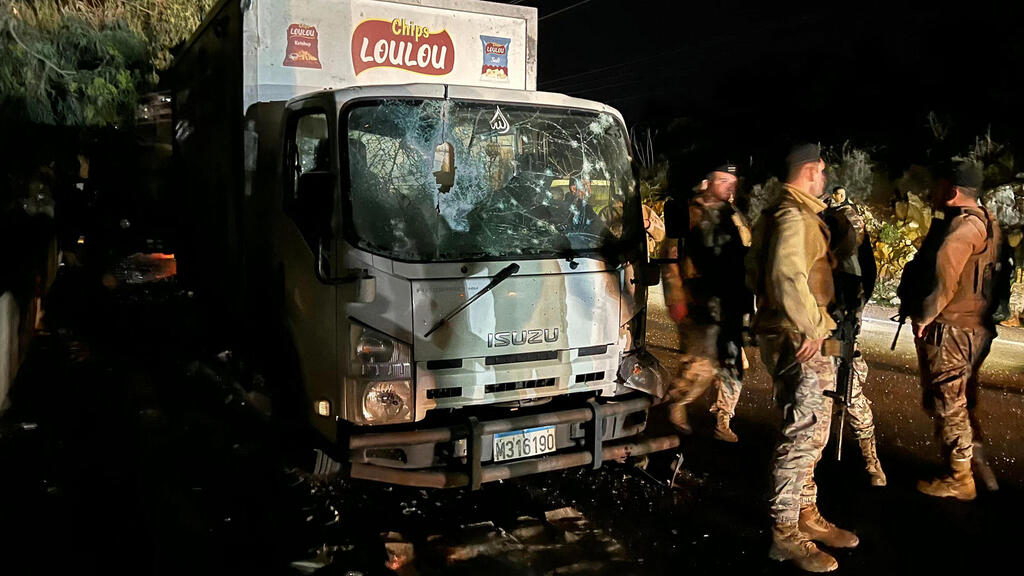
In the meantime, as Hezbollah continues to build up its capabilities and refuses to disarm, the IDF has continued striking its operatives across southern Lebanon. On Tuesday afternoon, in an unusual move, the IDF spokesperson issued real-time announcements of two separate strikes on vehicles: one operative was targeted in an airstrike in the al-Taybeh area, and another in the Jadra area, north of Sidon. Lebanese reports said two people were killed in the strikes and five others were wounded. According to those reports, three of the wounded were members of Lebanon’s security forces who happened to be passing through the area. Watch:
Dramatic footage: Attack near a truck parked on the side of the road in southern Lebanon


The reason Israel believes there is no alternative to escalation is its assessment that the Lebanese government “wants to but is unable” to disarm Hezbollah. The United States backs Israel on the issue, but still believes escalation can be prevented.
An American official said that there are “good signs in Lebanon. The local army is strengthening and improving. The president of Lebanon, Joseph Aoun, is positive. We hope we are approaching a stage in which Hezbollah will no longer be a threat to Lebanon or to Israel. This is a process, and it will take more time.”
Israel has told the Americans that it is acting against Hezbollah, but that the terror organization “is strengthening faster than we are hitting it.” Israeli officials have also stressed that the Lebanese army is not doing the job. In Washington, there is an understanding that Israel is serious, but at this stage there is less support for Israeli military action against Hezbollah. Trump has repeatedly made clear that his legacy is peace and that he will not allow it to be undermined. As a result, for now, the likelihood of a renewed war in Lebanon is high, but still not inevitable.
On Monday, Trump addressed the issue in a conversation with reporters at the White House, saying that “Hezbollah is a problem.” The president added that: “We’ll see what happens,” as is his custom.
Earlier, Netanyahu met in Jerusalem with Tom Barrack, the U.S. ambassador to Turkey, who also serves as Trump’s envoy to Syria and has previously handled the Lebanese portfolio. At the same time, the Lebanese army conducted a tour for ambassadors from the United States, Saudi Arabia, France and Egypt, as well as other representatives, including from Iran. The army presented the delegation with a briefing on its activities across Lebanon and took them into what appeared to be a Hezbollah tunnel.
The Washington Post reported that envoys who arrived in Lebanon in recent days warned that a broad Israeli attack is on the table, though the timing is “unclear.” American officials have called on Israel to show restraint over the past two weeks. According to an Israeli official quoted by the newspaper, “Trump has already told everyone that he achieved peace in the Middle East. This [Israeli action] would be against the agreement.” Another Israeli official told the newspaper that “the United States would not like to see this part of the world ‘explode.’”
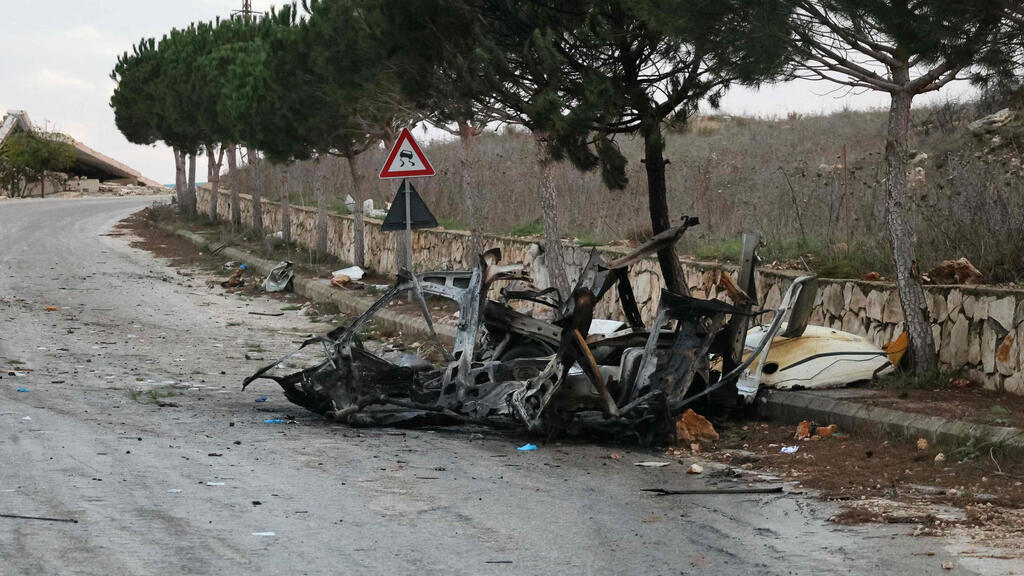
Attack in Lebanon
(Photo: Rabih Daher / AFP)
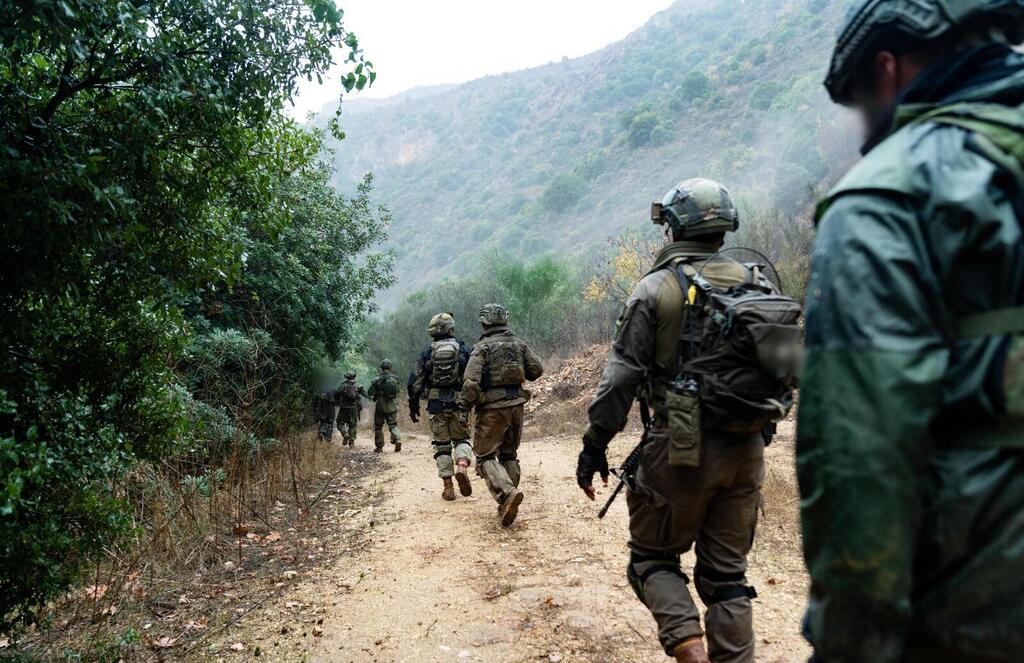
IDF soldiers in Lebanon during Operation Northern Arrows
(Photo: IDF Spokesperson's Unit)
Earlier this month, against the backdrop of intelligence on Hezbollah violations presented by Military Intelligence chief Maj. Gen. Shlomi Binder to Morgan Ortagus, Trump’s envoy to the region, a senior Israeli official spoke bluntly, saying: “We do not see Hezbollah disarming under an agreement, and therefore there is no point in continuing with this agreement. We are heading toward escalation and will decide when, in accordance with our interests.”
In August, the Lebanese government adopted an official decision to concentrate all weapons in the hands of the state, a move that effectively amounts to a decision to disarm Hezbollah. The terror organization, however, has refused, continuing to rearm and rebuild, smuggling short-range rockets across the border with Syria and relocating infrastructure north of the Litani River.