

A day after Israeli and Lebanese officials held a rare face-to-face meeting under the ceasefire monitoring committee on the northern border, media outlets in Lebanon devoted extensive coverage to the historic event — and to the implications it may carry.
“Does this mean we have overcome the threat of war?” the Lebanese daily Al Joumhouria asked Thursday, while Hezbollah has remained publicly silent. According to a report by Al Jadeed TV, sources said the answer is expected Friday in a speech by the terrorist group’s secretary-general, Naim Qassem.
IDF strikes Hezbollah weapons depot in southern Lebanon
(Video: IDF)


Hezbollah has not issued an official statement regarding the meeting held Wednesday in the town of Naqoura in southern Lebanon, near the Israeli community of Rosh Hanikra. But on Wednesday night, Al Jadeed quoted sources within the organization, saying: “No comment. We leave the matter to Naim Qassem, who will announce the position in his Friday speech.” Qassem is scheduled to speak at an event in Beirut’s Dahieh district—a Hezbollah stronghold—commemorating the group’s war dead.
The meeting in Lebanon was held under U.S. pressure and mediated by Washington’s special envoy to Lebanon, Morgan Ortagus. Israel was represented by Dr. Uri Resnick of the National Security Council. Lebanon’s representative was former ambassador to the United States Simon Karam. Officials from France and UNIFIL also attended. The talks included economic and civil issues, among other subjects.
The central question in Lebanon is whether the meeting marks a shift away from fears of a wider war. Israel has threatened preemptive action in recent days, arguing that Beirut has failed to honor its commitment to disarm Hezbollah — a promise incorporated into last year’s understanding with Israel and reaffirmed in a historic government decision in August. Hezbollah, meanwhile, has moved to rebuild and strengthen its forces, prompting Israeli efforts to stem that buildup, including the assassination last month of its acting chief of staff, Ali Haytham Tabatabai.
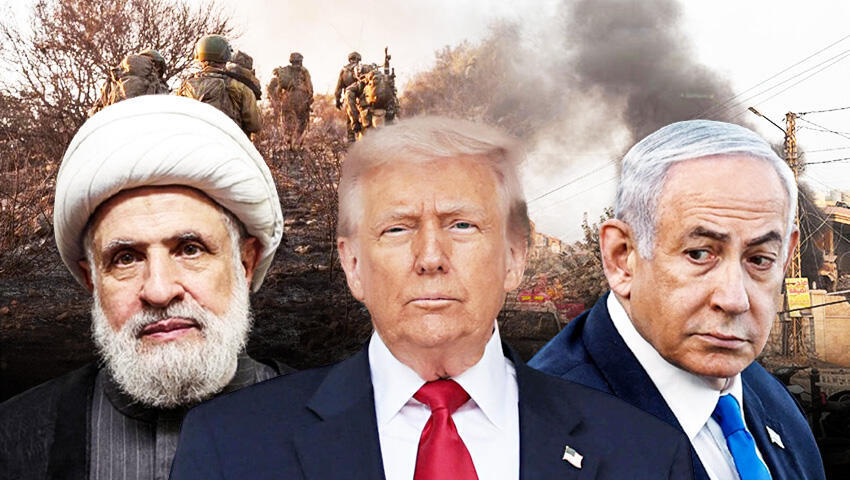
“The question that continues to trouble the Lebanese is whether this means the threat of war has been overcome,” Al Joumhouria wrote. But a European diplomatic source was quoted saying: “Not necessarily.” According to the source, progress in negotiations between Israel and Lebanon does not remove the demand that Hezbollah be restricted militarily, and the group must publicly commit to refraining from military activity according to a clear timetable.
The source said two main approaches currently dominate U.S. decision-making circles. One favors handling the Hezbollah issue gradually and cautiously, so as not to push Lebanon into collapse. The more prevalent view, however, supports what he described as a “surgical strike” in Lebanon. Backers of such action argue that Iran is stalling and waiting for developments that may benefit it, and therefore it is preferable to allow Israel to strike — so long as it respects certain “red lines.” In other words, the operation should be narrowly targeted and designed to avoid destabilizing Lebanon or pushing it into chaos.
Al Joumhouria continued that Wednesday’s developments, along with the presence of civilian officials in the ceasefire monitoring mechanism, amount to “a postponement of escalation, not its cancellation.” The paper also noted that Lebanon’s presidential office, in announcing the appointment of Karam to the talks, emphasized that Parliament Speaker Nabih Berri had approved the move — a detail with significance given that Berri belongs to the Shiite Amal movement, Hezbollah’s political ally.
Netanyahu’s response and Lebanon’s efforts to distance itself
Prime Minister Benjamin Netanyahu said Wednesday night that “the meeting was held in a positive atmosphere, and it was agreed that ideas would be formulated to advance possible economic cooperation between Israel and Lebanon. Israel made clear that dismantling Hezbollah’s military capabilities is required regardless of progress on economic cooperation. The sides agreed to continue the dialogue.”
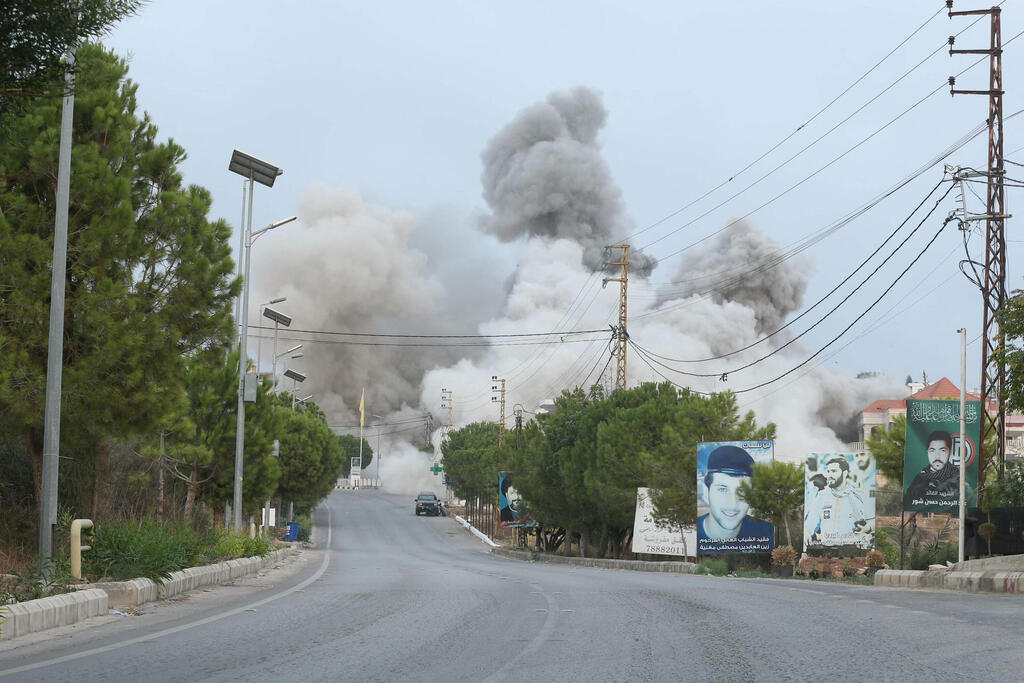
IDF strikes Hezbollah targets in southern Lebanon
(Photo: Mahmoud Zayat/AFP)
Earlier, Netanyahu emphasized that the meeting was “a first attempt to create a basis for a relationship and potential economic cooperation between Israel and Lebanon.”
Lebanon, however, has been trying to present a different picture. Information Minister Paul Mourcos told the Saudi-owned Al Arabiya network Wednesday night that “Lebanon’s interests required appointing a civilian figure to head the negotiating delegation. The mechanism’s committee does not deal with economic agreements with Israel.”
His comments echoed those of Lebanon’s prime minister, Nawaf Salam, who said Wednesday that economic talks would be part of any normalization process with Israel, "but we are not there at all." Salam added that Lebanon is “prepared” for talks that go beyond strictly military matters but said normalization is theoretically possible once both countries adhere to a 2002 Arab peace plan.
Lebanese officials say the inclusion of a civilian representative in the ceasefire monitoring mechanism comes at a critical moment for the country — following the visit of Pope Leo XIV, which some described as providing “temporary protection” from possible Israeli strikes, and ahead of the end of the calendar year, which was the Lebanese government’s deadline to complete the disarmament of Hezbollah and consolidate weapons under state control.
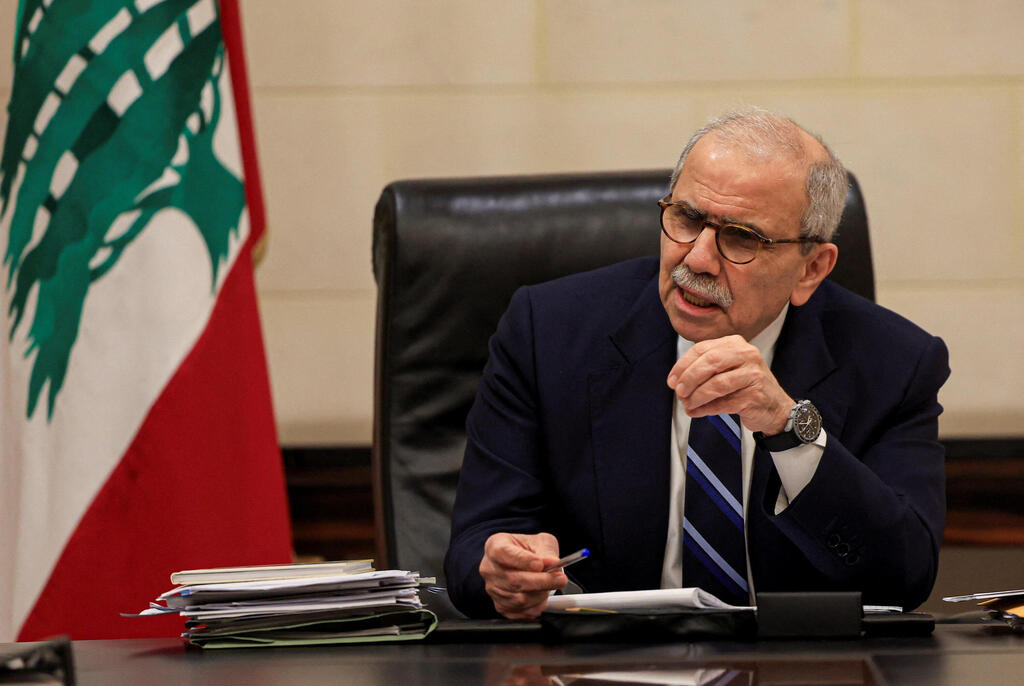
Lebanese Prime Minister Nawaf Salam
(Photo: REUTERS/Mohamed Azakir)
Sources told the Saudi daily Asharq Al-Awsat Wednesday that by adding a civilian representative to the committee, President Joseph Aoun “blocked the path to a wider war, embarrassed Israel internationally by showing Lebanon is open to meeting international demands and responded to the American request to expand the committee to include civilians.”
The sources denied that the talks could evolve into normalization, and claimed Hezbollah is now convinced that “there is no alternative to an arrangement based on disarming the area south of the Litani River, and no alternative to removing the pretexts pushing Netanyahu toward escalation.”
Sharp criticism of Lebanon’s move came from Al-Akhbar, a newspaper aligned with Hezbollah. Its editor, Ibrahim al-Amine, attacked the appointment of former ambassador Karam as Lebanon’s representative to the committee, writing: “How can someone who spends his days and nights plotting not only against the resistance (Hezbollah) but also against its supporters be entrusted with negotiations against an enemy that cares about nothing?”
The Hezbollah-linked writer also criticized senior Lebanese decision-makers, saying the shift from military-technical representation to political-level representation in talks with Israel is alarming and could “lead the country into a major national disaster.”
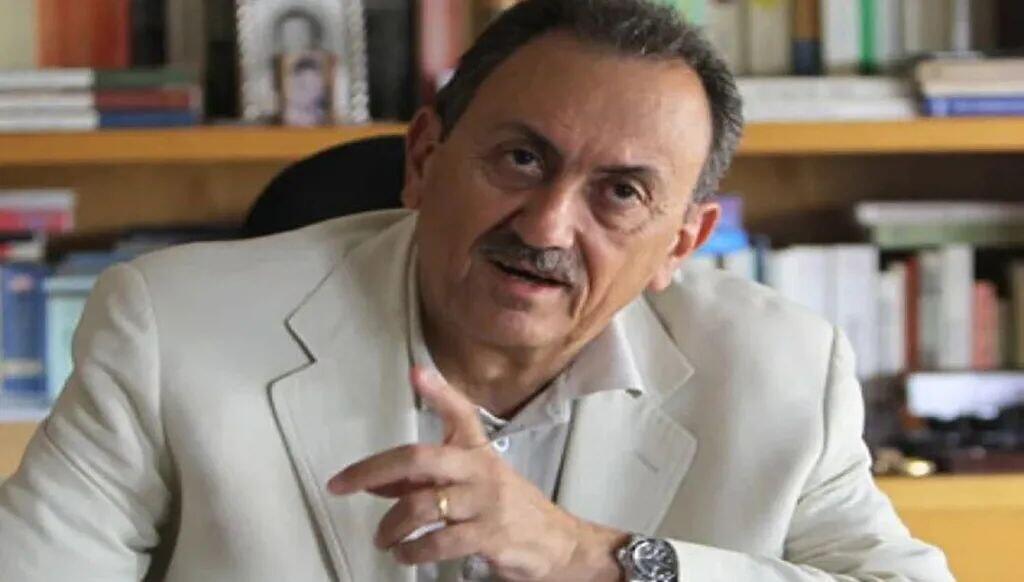
Simon Karam
In another Al-Akhbar report, sources close to Parliament Speaker Berri said Karam’s mandate is “strictly technical, dealing with negotiations on halting attacks, releasing prisoners (Lebanese) and ending the occupation (Israel’s presence in southern Lebanon). Any deviation from this technical framework will mean Karam’s immediate dismissal.”
The sources added that Berri has previously said he does not oppose expanding the mechanism to include technical experts — if the Lebanese military requests it — but that this does not imply entering direct negotiations with Israel, beginning a normalization process or opening doors to economic cooperation, as some Lebanese commentators asserted following Netanyahu’s statement.
The Hezbollah-aligned paper also claimed the idea of adding a civilian representative originated primarily from U.S. envoy Ortagus months ago, and that only in recent days — amid rising tensions and Israeli threats — did Washington and Israel reach agreement on the move. According to the paper, this development prompted President Aoun to hold consultations with senior officials and form an official position on Lebanon’s representative, ultimately choosing the former ambassador to Washington.