


Izz al-Din al-Haddad was a dead man walking. As a senior figure in Hamas’ military leadership and one of those involved in planning October 7 and managing the issue of Israeli hostages, it was only a matter of time before Israel targeted him. He understood this well. Since the ceasefire went into effect in Gaza, he focused on strengthening Hamas, appointing successors across its ranks and ensuring that even his removal would not disrupt the organization’s continued recovery.
That is the core of the problem.
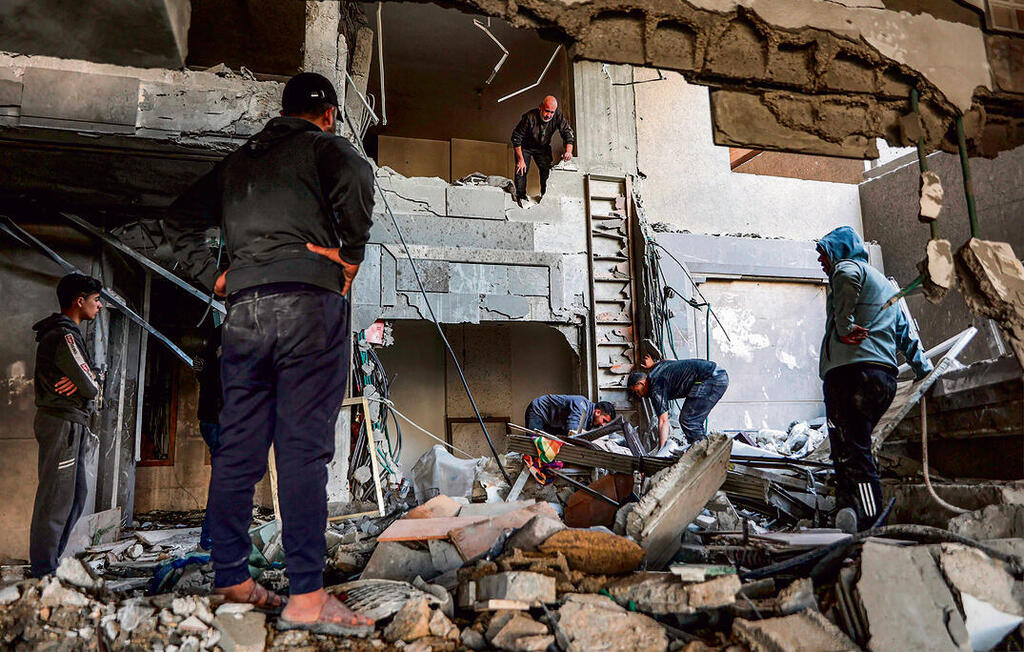
While his killing may be seen in Israel as a justified act in terms of accountability for October 7 and its aftermath, it does not change the broader reality. Hamas remains in control of Gaza, continues to operate, and is slowly rebuilding its capabilities.
Haddad is simply another senior figure replaced by others. Reports already point to Mohammed Odeh, head of intelligence in Hamas’ military wing, as one possible successor. Israel continues to achieve tactical successes through targeted killings, but not strategic change on the ground.
Since the ceasefire, the Strip has remained under Hamas control. The group continues to recruit operatives, rebuild infrastructure and restore parts of its tunnel system. Its rocket program is also likely being rebuilt quietly and methodically.
Efforts by the U.S.-backed Peace Council to push Hamas toward disarmament have failed. Some in Israel argued that Haddad himself was an obstacle to a deal, but most of Hamas’ remaining leadership rejects disarmament outright, seeing it as surrender. Notably, Haddad himself had previously opposed the war’s continuation, warning within Hamas that it was causing severe damage to the organization and Gaza.
More than two years into the war, even after most of Hamas’ military leadership has been eliminated, the organization remains intact. It is weaker than before October 7, but it still governs most of the population in Gaza and is preparing for the next round of conflict with Israel.
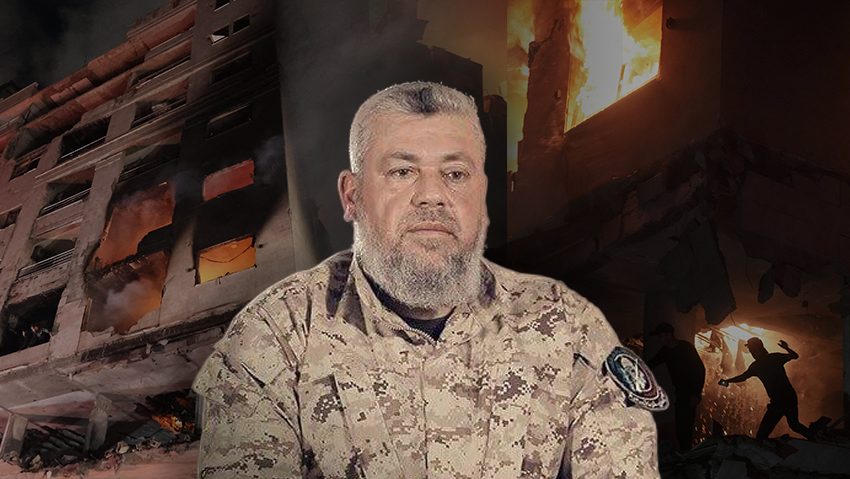
Izz al-Din al-Haddad
(Photo: Omar AL-QATTAA / AFP, AP Photo/Jehad Alshrafi)
Its refusal to disarm is not new or surprising. The more difficult question is Israel’s lack of a political strategy for what comes next. The government has repeatedly rejected the idea of transferring control of Gaza to the Palestinian Authority backed by Arab forces, citing its alleged ties to terrorism. But the absence of an alternative leaves Hamas as the default authority, and effectively allows it to persist and recover.
Focused assassinations create the impression of progress, but they do not resolve the underlying reality in Gaza. Haddad’s killing serves a domestic political narrative more than it changes the situation on the ground.
As things stand, any return to full-scale conflict depends largely on the U.S. administration’s position, which may not be inclined to push for a decisive end in Gaza.
The same pattern of stalemate is visible in Lebanon. Fighting continues, Israeli strikes on Hezbollah targets are regularly reported, but the broader strategic picture remains unchanged. The ceasefire framework is still formally in place, even as tensions persist.
A similar dynamic applies to Iran. President Trump remains hesitant to authorize renewed military action against Tehran, which is testing the limits of perceived American restraint. Israel, in turn, is largely aligned with U.S. policy.
Meanwhile, the Israeli leadership continues to present a narrative of total victory and decisive success, anchored in targeted killings, even as the strategic reality remains largely unchanged.