

The armored patrol jeep of Col. Benny Kata, commander of the IDF’s 474th Golan and Hermon Brigade, crosses the border fence and drives deeper into Syrian territory. Our destination is Qudna, a village about three kilometers inside the neighboring country.
This is not a routine patrol. For Kata, it is a farewell tour of a sector that has shaped the past two and a half years of his life. The area he inherited at the start of his term is not the same one he is leaving to his successor.
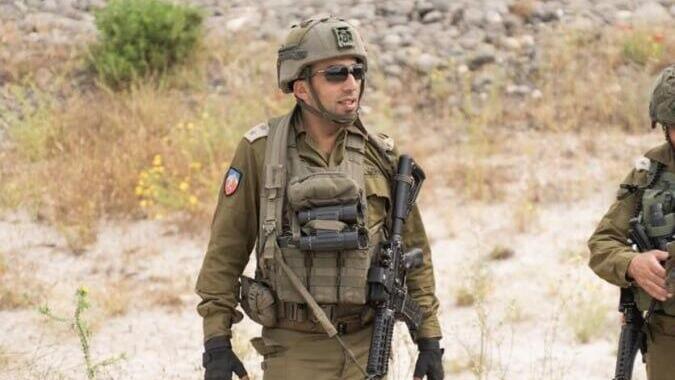
“Syria has changed its face,” he says. “During the civil war, there was a complete lack of control here, which allowed Hezbollah and the Iranians to establish themselves. Today, the area we are in beyond the fence serves exactly the purpose for which we entered, to make sure there is no terrorist infrastructure here.”
As we look out over the area, attention is also fixed on the skies. Kata is well aware of the technological changes shaping the modern battlefield and watches with concern what is happening in other arenas.
“We see what is happening in the Russia-Ukraine war,” he says. “Just as the enemy is learning, so are we. There is mutual learning between the sectors and the arenas. Just as Hezbollah learned from other places, I have to assume drones will eventually arrive here as well. We are bringing the lessons from Gaza and Lebanon to the Syrian sector, and we have to stay ahead of the enemy and be prepared.”
For now, he says, the answers are focused mainly on protection and the development of new weapons systems. But the race will not end there.
“Even after we find a solution, the enemy will learn it and develop until the next threat,” he says.
One of the most dramatic changes during Kata’s tenure has been the rise of the new regime in Syria. What had once been a massive army collapsed in a single day, and is now trying to rebuild, rearm and train.
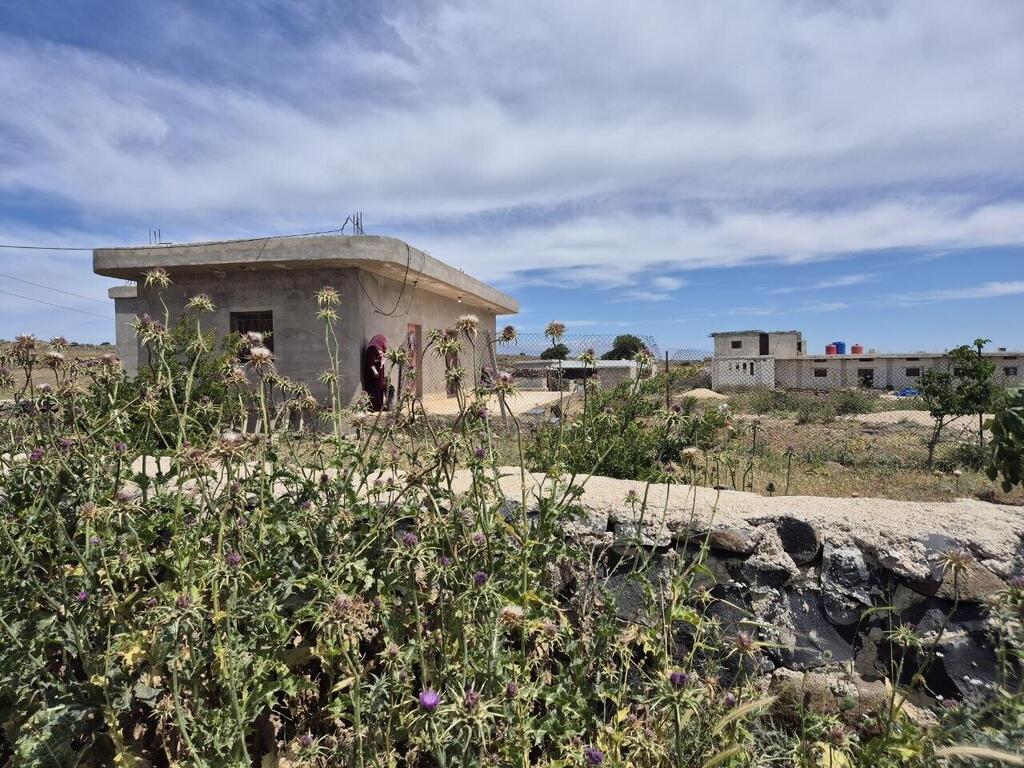
Syrian frontier
(Photo: Elisha Ben Kimon)
“For now, that buildup is far from the border,” Kata says. “My job is to make sure the residents of the Golan do not suffer incidents because of it. In the first, second and third lines of villages from the border, I can say with confidence that there is no buildup. Against any attempt to grow stronger, we and the levels above me know how to act to make sure no game-changing weapons enter this area.”
“We have to tell the truth. The Syrians are still far from that, and they have very hard work ahead of them to create governance,” he says. “The fact that the new regime is currently preventing weapons from reaching Hezbollah and keeping ISIS operatives away from the fence serves us. The regime knows we are operating close to the fence and understands it must not clash with us. That is why most of its operations, such as ‘Am Kalavi’ and ‘Roaring Lion,’ were carried out deep inside Syria. Here, in our sector, the regime knows the rules very well.”
Still, Kata is far from complacent.
“Every day is a new day. What was true yesterday is not relevant for tomorrow,” he says. “We have learned that anything can happen, and everyone is stirring the Syrian pot. We cannot allow, for example, an incident involving Turkish soldiers here on the fence. If in the future we need to pull back from the positions we currently hold beyond the fence, we will know how to adapt, although it will be complex. In the current situation, it is clear why we are here, and we will stay here. If the situation continues like this, in five years we will be here. There is no vacuum.”
Alongside the operational challenges across the border, Kata has also had to confront difficult ethical issues at home during the prolonged fighting, chief among them looting. He does not evade the sensitive subject.
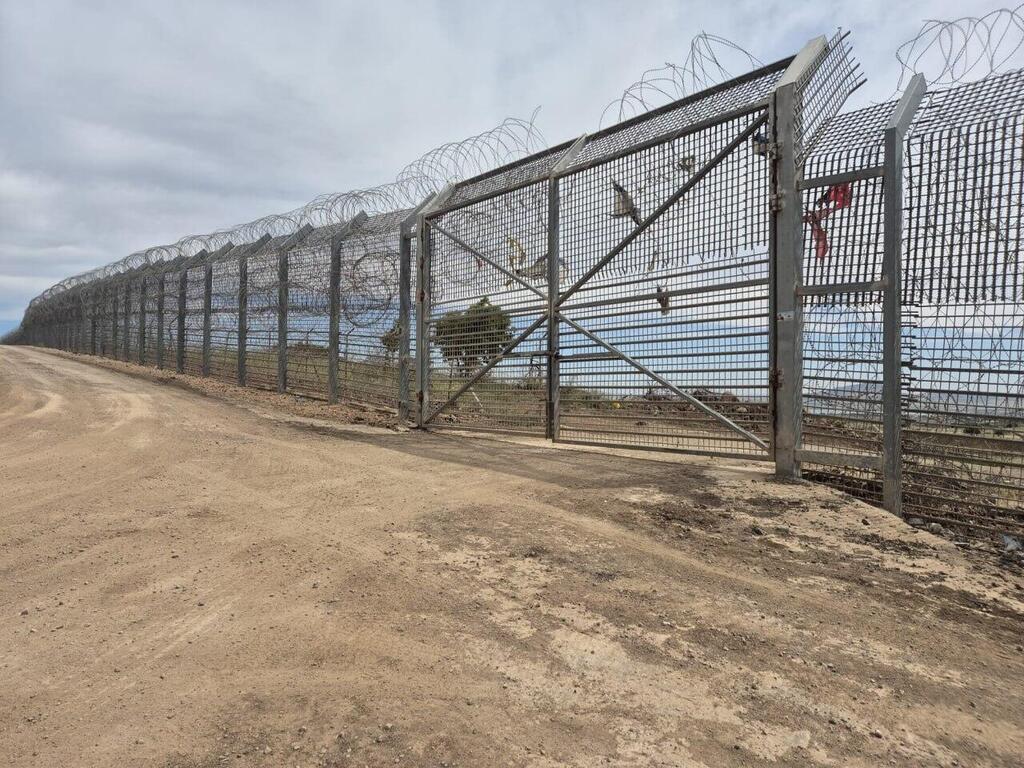
(Photo: Elisha Ben Kimon)
“I know of incidents that happened in my sector as well,” he says. “There are major challenges in combat. When you destroy an enemy’s house but there is equipment inside, that is a very big challenge for commanders in the field, and they deal with it and handle it. The battalion commanders spoke with me about how these incidents were handled. The chief of staff asked us to sign a binding document, and that is what we did. Every battalion commander and every brigade commander signed for his soldiers. We have to keep dealing with this all the time, without compromise.”
During the patrol through Qudna, local residents can be seen trying to maintain daily life under the watchful eye of the IDF.
“For years, they were taught that the devil lives beyond the fence,” Kata says with a slight smile. “When we first started entering, they were very afraid. Suddenly, they see that we are human, humane and decent. We reorganized the area here. We blocked routes, arranged traffic and sent clear messages to the residents about where they are allowed to move. Some of their agricultural work is coordinated with us. They understand that if they follow the rules, they will be able to maintain their way of life.”
But it is not only the local Syrian population that concerns the 474th Brigade commander. Israeli civilians, members of the Halutzei Bashan group, have repeatedly breached the border and entered the complex Syrian area. At this point, Kata briefly loses patience.
“It challenges us greatly and harms operational missions,” he says. “They run around here, escape from us and do not understand that beyond the fence, these areas are mined and unmarked. They can step on a minefield in an instant. In every such incident, I have to send in protective forces and bomb disposal teams. It diverts my attention. Instead of carrying out operational activity in the villages that concern me, I have to change plans and take ready forces to run after them and throw them out. God forbid, if they are harmed by hostile elements in Syria, even though they entered illegally, I will of course have to protect and rescue them.”
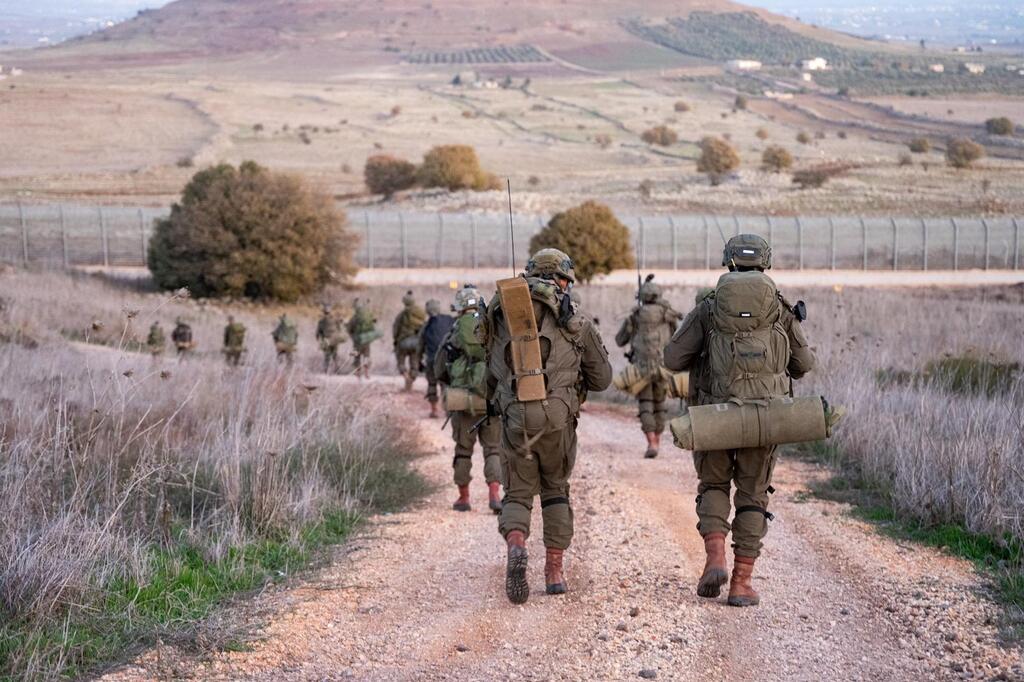
(Photo: IDF)
One of the most significant incidents near the border involved attacks by militants against Druze residents of villages close to Israel’s frontier. At the time, sharp criticism was directed at the IDF over its failure to prevent the attacks. Kata says Israel did not stand aside.
“In Suwayda, there were very difficult incidents of attacks against the Druze, including many killings and abductions,” he says, referring to the Druze-majority province in southern Syria. “We are committed to protecting our brothers in Syria. We had to intervene, and we sent a very firm and direct message to their offices in Damascus. This is clear to them: If it happens again, we will intervene again.”
After two and a half years of high-intensity activity, Kata chooses to end the interview by expressing gratitude to those he says bear the real burden of prolonged combat: the families of the career soldiers in the 474th Brigade.
“The career personnel in the regional brigade work 24/7,” he says. “Their families knew busy periods even before the war, but now we are already two and a half years into continuous war. We have to take our hats off to the spouses and children who do not see their father or mother at home.”
Kata, a father of four, says there were periods during the fighting when he did not return home for two straight months.
“In the end, you do it because you feel you are acting for something big and important,” he says. “The IDF does beautiful things and knows how to support the families, but the bottom line is clear: the system needs more soldiers. There are many plans on the table, and it is not only the IDF that has to make the decisions here.”
We return to Israeli territory, and the border fence closes behind us. Kata looks back one last time toward the hills and villages of Syria. He leaves behind a sector that is quiet, but alert and changing, with an uncertain future ahead.