

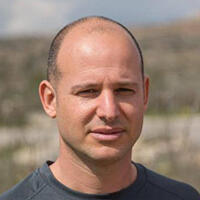
On Wednesday, as he removed his combat vest and handed over command of the Golani Brigade, Lt. Col. Adi Ganon felt the weight of history on his shoulders. He had commanded the brigade for two years and two months, a long and demanding period of continuous war that included two maneuvers in southern Lebanon and a major offensive in the Gaza Strip. For Ganon, who enlisted in the brigade as a recruit in 2001, the full-circle moment is almost unimaginable. “I am finishing with enormous emotion,” he says in a farewell interview.
“Beaufort is a highly significant terrain. It is not only the historical fortress but also its ridge and control area,” he says. “From Beaufort you can see Metula and the northern communities, and on the other side all the villages of southern Lebanon and up toward the Litani. Its importance for Israel’s defense is immense. However, in my view, Beaufort itself is not a site that must be held physically on a permanent basis. There are many other areas in the region that affect and create the required control over the enemy.”
Gallery
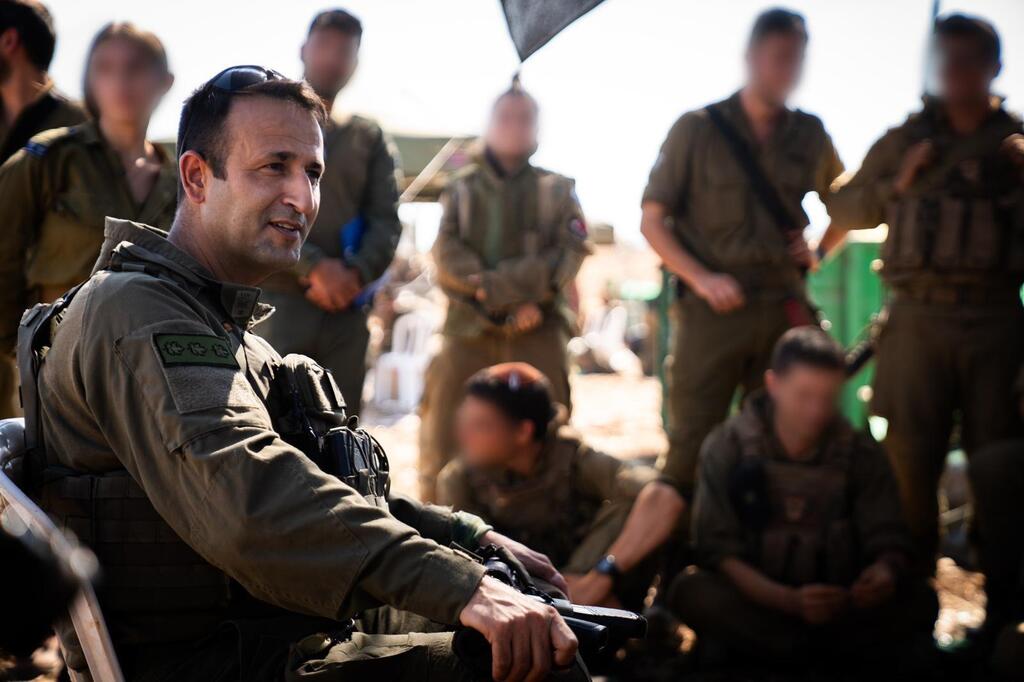
As he removed his combat vest and handed over command of the Golani Brigade, Lt. Col. Adi Ganon felt the weight of history on his shoulders
(Photo: IDF Spokesperson)
“I grew up here. I arrived at the Golani training base, received the badge and continued to the brown beret. As recruits we grew up on the legendary battle stories of Beaufort as combat heritage. And suddenly, at the end of my service as brigade commander, I am finishing my role after the brigade under my command captured Beaufort,” he says. “It is an enormous and emotional full-circle. This story is a group of people, soldiers and commanders who go out to battle every day for two years. This is a generation of lions and it is a real pride to see them. Golani is the people’s brigade and these people are our most beautiful face.”
Ganon knows the northern arena well, but time on the commanding ridge in Lebanon gave him a different, almost chilling perspective. “The clearest thing when you stand on the Beaufort ridge is seeing Metula and the northern communities with your own eyes and on the other side entering homes in Lebanese villages and finding massive quantities of weapons. Anti-tank missiles, arms, ammunition. Everything is stored inside houses.”
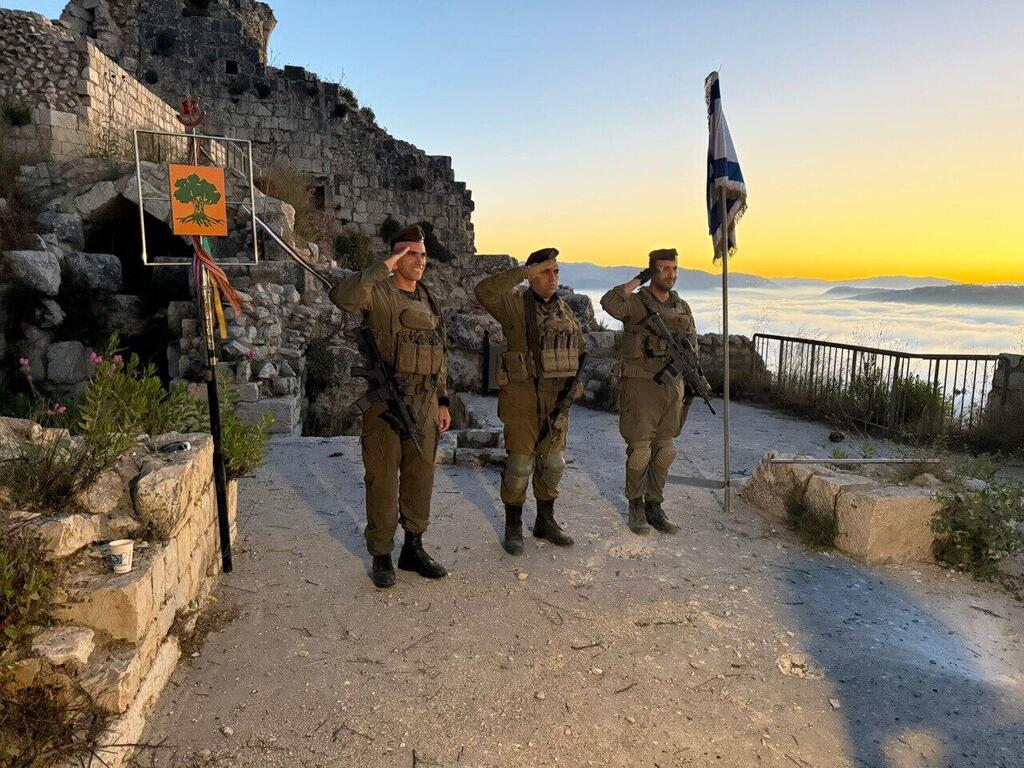
Beaufort is a highly significant terrain
Does fighting stop because of a "ceasefire"?
“From our perspective on the ground there is no such concept as a ceasefire. We maneuver, we fight, we use all means, targets and artillery. We have no restrictions in the combat zones. Above my level they deal with agreements, I do not. For us we are at war and I use everything without limitations.”
When asked whether the IDF should remain in Beaufort as a permanent asset, he responds: “Beaufort is a highly significant piece of terrain. It is not only the fortress but the ridge and its control. From Beaufort you see Metula and the communities and on the other side all the villages of southern Lebanon up to north of the Litani. Its importance for Israel’s defense is immense. However, in my view, Beaufort itself is not an asset that should be held physically and permanently. There are many other areas in the region that influence and create the necessary control over the enemy.”
'The spirit of the fallen is present throughout training and maneuver'
Golani paid the heaviest price in this war, with 132 of its soldiers and commanders killed since October 7. When Ganon is asked about the hardest moment of his command, he returns to November 2024, to the deadly battle in southern Lebanon in which six soldiers of Battalion 51 were killed.
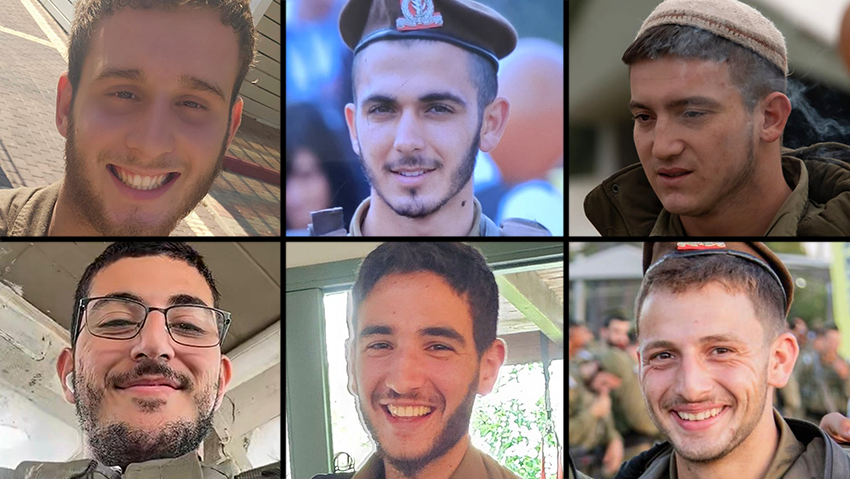
When Ganon is asked about the hardest moment of his command, he returns to November 2024, to the deadly battle in southern Lebanon in which six soldiers of Battalion 51 were killed
(Photo: IDF Spokesperson)
“That was the most challenging and difficult moment for me,” he recalls. “We were at the beginning of an offensive in Operation Northern Arrows. Battalion 51 encountered terrorists on the Shiite ridge. There were extremely difficult close-range battles in the early stages of the operation. Six soldiers were killed in that encounter.”
As a brigade commander, Ganon understood that this is where the strength of the unit is tested. “At that point, when you understand the importance of continuity and momentum, I went to the battalion commander in the field. We met in Lebanon near a wall of a house that had been hit by a shell, while the battalion was still fighting 150 meters from us. Humvees were evacuating the wounded and the bodies of the dead next to us. I looked the battalion commander in the eyes, I knew the cost was unbearable, and I asked him: ‘How are you?’”
The answer stayed with him: “He looked at me and said, ‘A very difficult event, but we are not stopping. We continue until victory.’ Those words stayed with us throughout the fighting. When this happens in real time and you understand it is the DNA of the people, that this brigade does not stop, that is the most formative, challenging and difficult moment.”
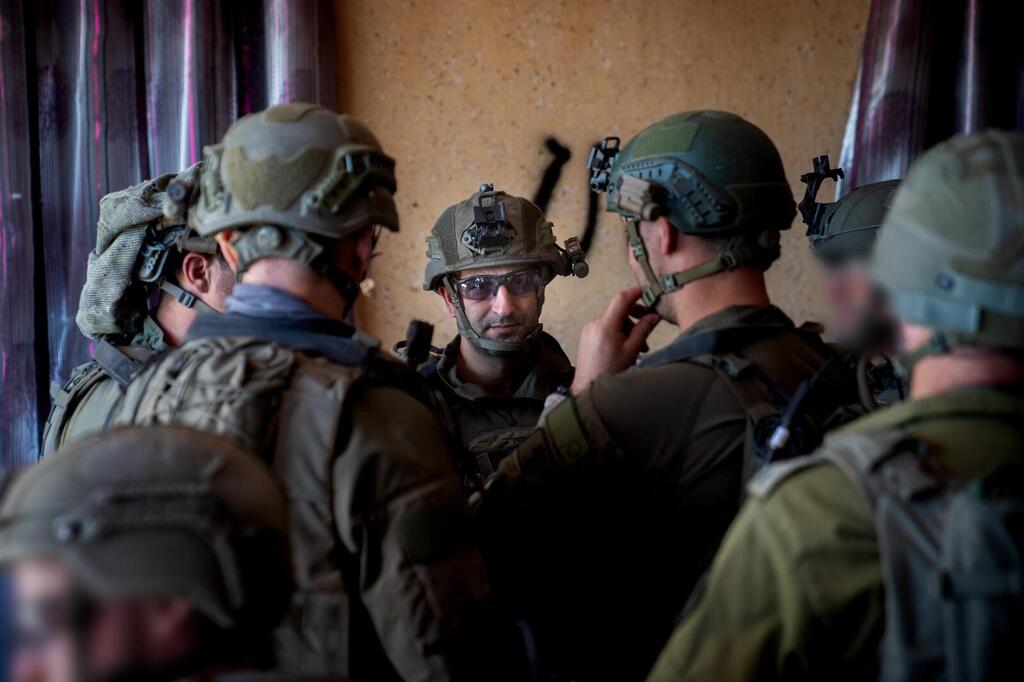
As a brigade commander, Ganon understood that this is where the strength of the unit is tested
(Photo: IDF Spokesperson)
Two and a half years of continuous combat have transformed Golani. According to Ganon, the main change is the unprecedented operational experience of junior command levels. “Today, a platoon commander arrives having already served as a fighter or squad leader in combat in Gaza or Lebanon. This creates training that is not based on stories or theory but on living operational experience of commanders who fought for two years.”
Above all, the memory of October 7 looms large. “The brigade lost 74 soldiers just in the defensive battles on the first day,” he says. “This is an event that is always present with us. We speak about it alongside the heavy price. There were many heroic battles of extraordinary fighters who fought literally to the last bullet to defend with their bodies and stop the enemy. It is present in training and accompanies us into maneuver.”
When asked whether October 7 changed the “why,” he replies: “The soldiers remember well what happened on October 7 and remember the defensive battle we fought. When you know exactly what can happen if you are not there, you understand very well what you are fighting for in the first, second and third village line and wherever we may need to go.”
'The small stories that make Golani'
Asked what moved him most during his command, Ganon does not choose the headline moments but the small human scenes behind the fighting.
“There were thousands of moving moments, but the ones that filled me most were meeting a soldier at a smoking post in the field,” he smiles. “A battle-hardened fighter who had lost friends stands there with a cigarette, looks at me and asks: ‘Commander, where are we going next?’ When you hear that from a soldier who has been through so much, you understand the power of the people and what it means to command Golani.”
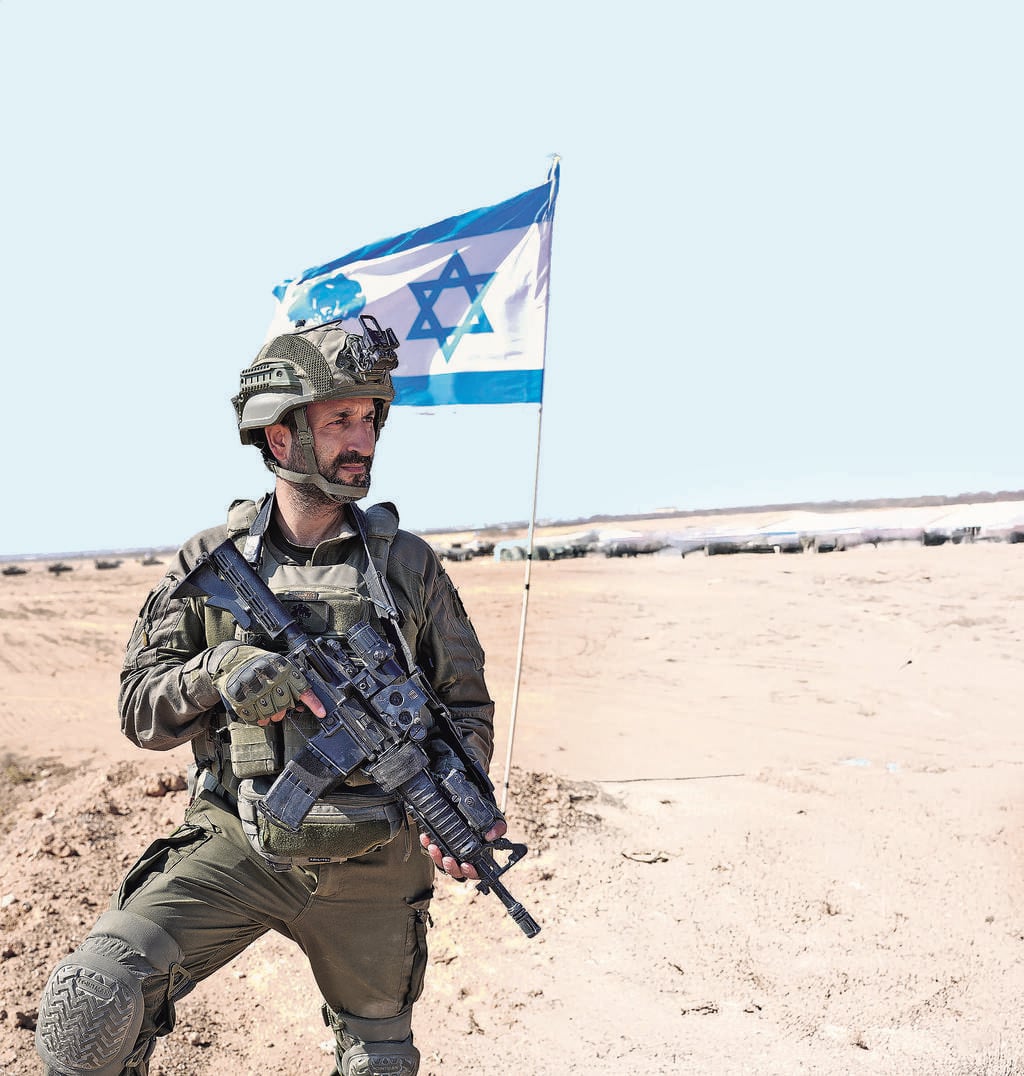
Asked what moved him most during his command, Ganon does not choose the headline moments but the small human scenes behind the fighting
(Photo: Tomer Shunam Halevi)
He recalls another moment: “I met a soldier in the reconnaissance unit who told me, ‘Commander, I am getting married in a week.’ A few weeks later I met him again inside Lebanon. I asked him how it was and he said, ‘I got married and now I am back here with my friends.’ These are the small stories that make Golani.”
As an infantry brigade in maneuver warfare, Golani had to contend with one of the most dangerous threats on the battlefield in southern Lebanon: explosive drones and fiber-optic controlled UAVs. “This is a very significant and challenging threat,” Ganon says. “We saw footage from the war between Russia and Ukraine and understood this is a real operational threat.”
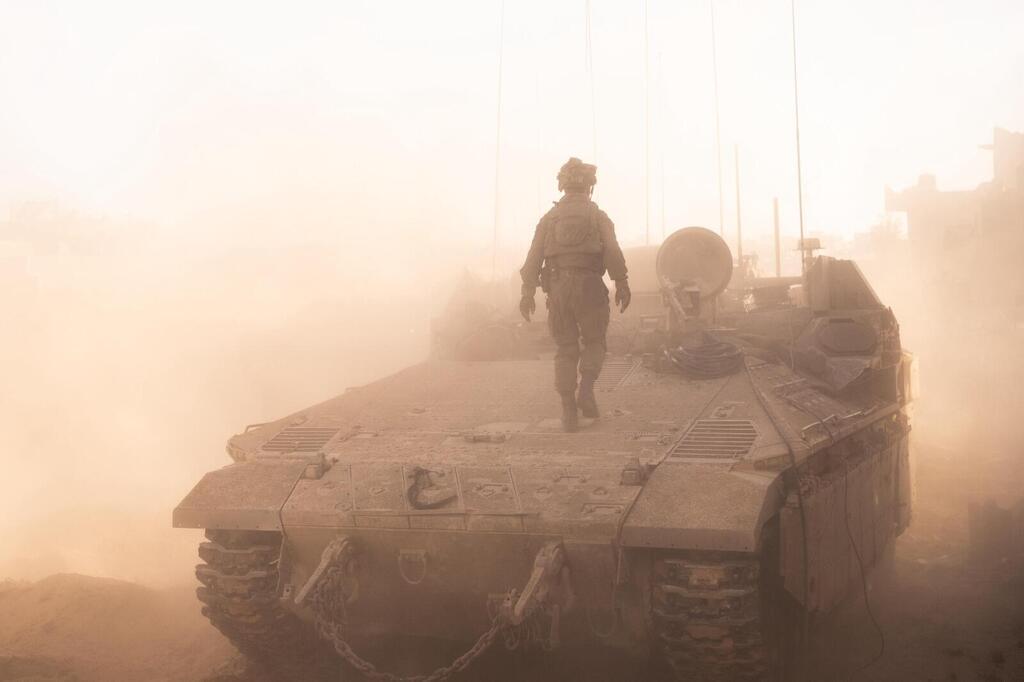
As an infantry brigade in maneuver warfare, Golani had to contend with one of the most dangerous threats on the battlefield in southern Lebanon
(Photo: IDF Spokesperson)
“We neutralize drones constantly, dozens of them never reach the forces and are intercepted on the way. Alongside many means that strike the drones themselves, we have increased attacks on the enemy’s value chain, including storage sites, hiding apartments where they are assembled and the operators. The challenge exists at night as well. It is a very troubling threat because it is visual and intrusive, but the bottom line is that we captured the entire Beaufort ridge and advanced through all villages under this threat. It did not stop us.”
Ganon ends the interview where his heart has been for two and a half years, with the bereaved families. “The meeting with the bereaved families throughout the fighting is deeply inspiring. Our fallen are the silver platter of the state. We have Druze soldiers, soldiers from kibbutzim, moshavim and cities. They all fought together, shoulder to shoulder, without friction. Golani is a mirror of Israeli society and reflects the true beauty of our people. For me, this is the clearest example of what it means to be together. I leave with enormous pride.”