


The New York Times rejected Israel’s threat to sue over a Nicholas Kristof opinion column alleging sexual abuse of Palestinian detainees, saying any legal claim “would be without merit.”
The newspaper said Prime Minister Benjamin Netanyahu’s threat to file a libel suit was “part of a well-worn political playbook” meant to undermine independent reporting and silence journalism that does not fit a preferred narrative.
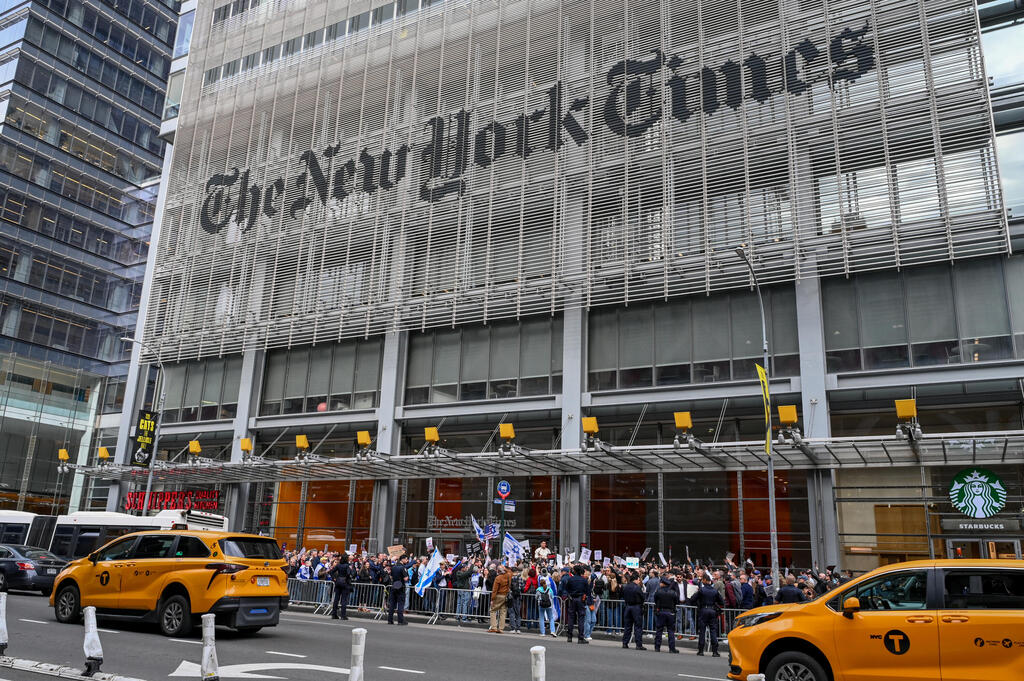
Netanyahu and Foreign Minister Gideon Sa’ar said Thursday they had instructed officials to pursue a defamation lawsuit against the Times over what they called “one of the most hideous and distorted lies ever published against the State of Israel.” The column alleged sexual abuse of Palestinians by Israeli prison guards, soldiers, settlers and interrogators.
The Times defended Kristof’s work, saying the column was deeply reported, extensively fact-checked and based on 14 on-the-record accounts, corroborated with reports by independent human rights groups. The newspaper also noted that Kristof is a Pulitzer Prize-winning journalist who has covered sexual violence in conflict zones for decades.
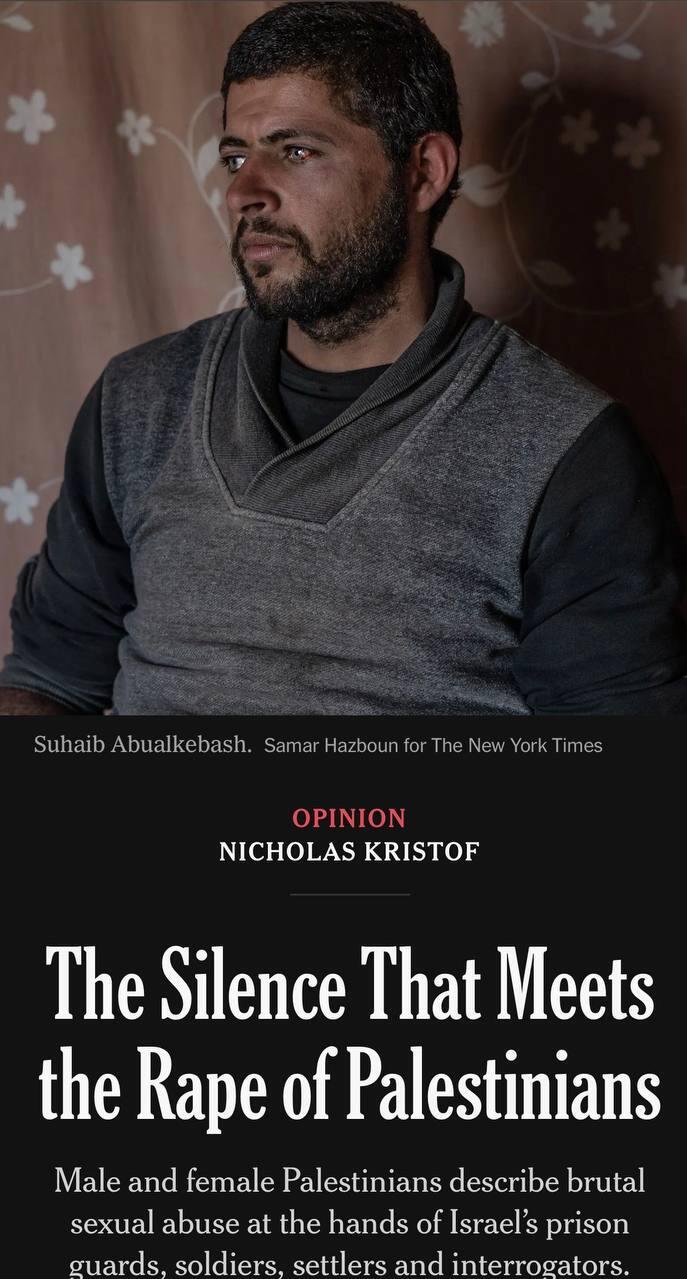
Nicholas Kristof opinion column's in the New York Times
The dispute escalated Thursday night outside the Times’ Manhattan headquarters, where more than 200 pro-Israel demonstrators gathered, waving Israeli flags and accusing the newspaper of biased coverage. The protest was organized by several Jewish and pro-Israel activist groups, including End Jew Hatred and Hineni.
Demonstrators shouted “shame on you” toward the building and carried signs including “Anti-Zionism kills Jews” and “J’accuse,” a reference to the Dreyfus affair. One sign compared the Times to Der Stürmer, the Nazi propaganda newspaper.
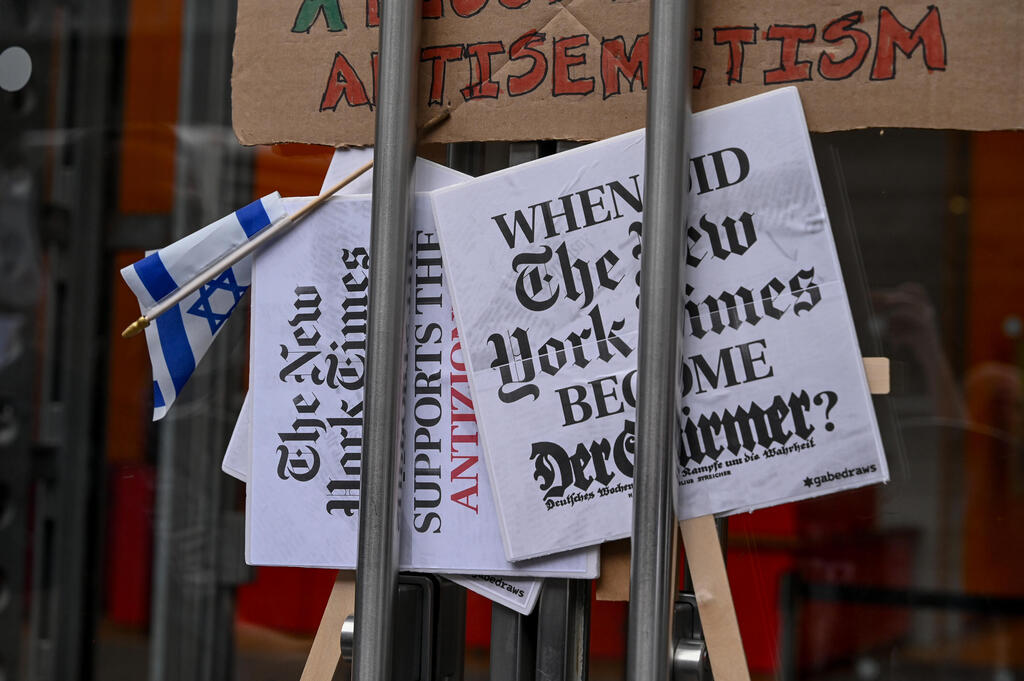
Pro-Israel demonstration outside the NYT offices
(Photo: Liri Agami)
Criticism of Kristof’s column has focused largely on its sourcing. In a Wall Street Journal opinion piece, Rachel O’Donoghue of the pro-Israel media watchdog HonestReporting accused Kristof and the Times of failing to conduct basic fact-checking and relying on what she described as questionable sources and omissions.
O’Donoghue challenged Kristof’s reliance on Euro-Med Human Rights Monitor, which Israel has linked to Hamas, and questioned the credibility of some witnesses cited in the column, including Sami al-Saei and Issa Amro.
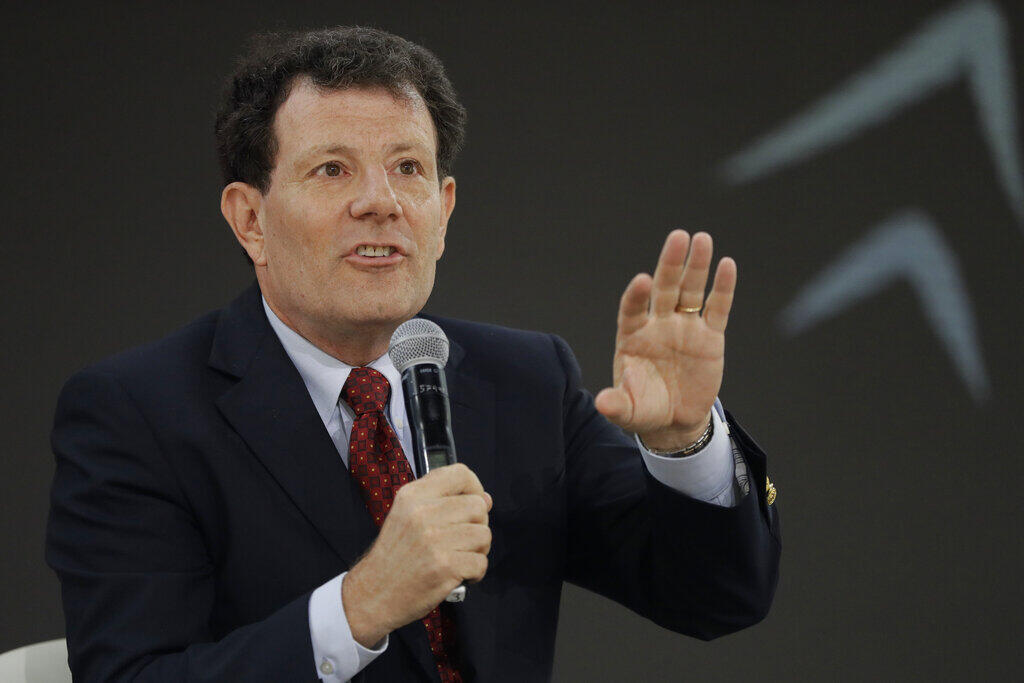
Nicholas Kristof
(Photo: Julio Cortez/AP)
The Foreign Ministry also accused the Times of relying on unverified sources linked to Hamas networks, calling the column “Hamas propaganda.” The ministry said the article was published shortly before the release of an Israeli civil report on Hamas sexual violence during the Oct. 7 attacks.
The Times denied that claim, saying it never refused the civil commission’s report and was not informed of its completion or publication date. The newspaper said it covered the report once it became public and said the commission’s work had no influence on Kristof’s column or the timing of its publication.
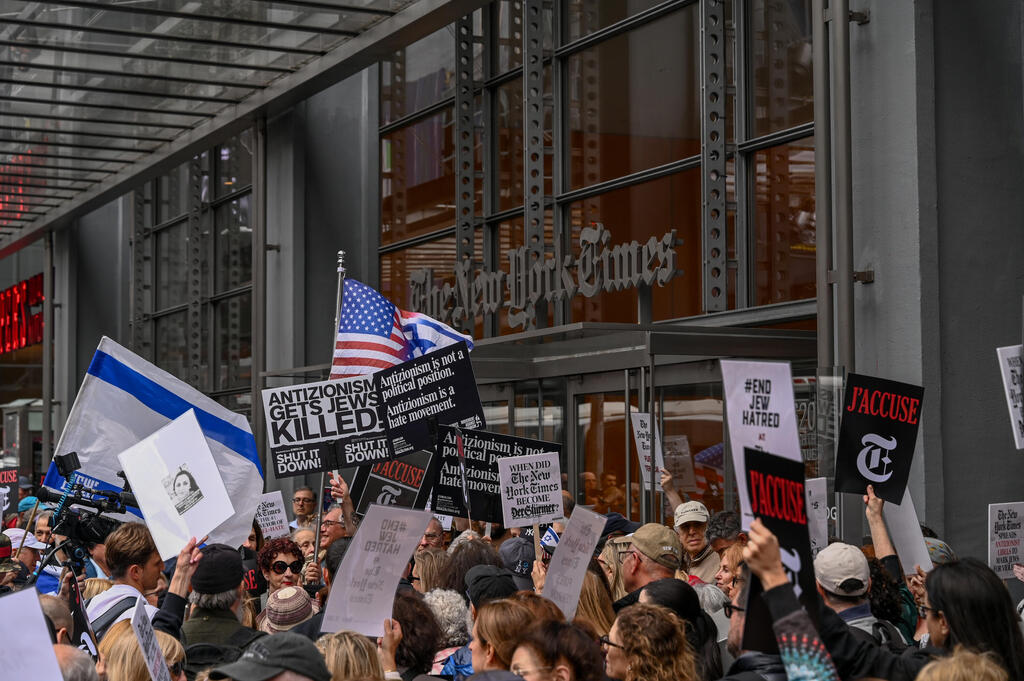
Pro-Israel demonstration outside the NYT offices
(Photo: Liri Agami)
The Diaspora Affairs and Combating Antisemitism Ministry also accused the Times of serving as a platform for “lies, blood libels and incitement” against Israel. Diaspora Affairs Minister Amichai Chikli said it was “deeply regrettable” that the Times, long seen as a symbol of quality journalism, was again falling for what he called Palestinian falsehoods.