

Former New York Governor Andrew Cuomo officially announced Monday evening that he will run for mayor of New York City in the upcoming November election, significantly boosting the odds of Muslim and anti-Israel candidate Zohran Mamdani winning the race.
Cuomo lost to Mamdani by over 12% in last month’s Democratic primary, making Mamdani the party’s nominee in the general election in November. Since then, Cuomo had weighed whether to run as an independent, and on Monday he confirmed that he will do so. His return to the race means the anti-Mamdani vote may now be split among three other candidates, increasing Mamdani’s chances of finishing first.
Gallery
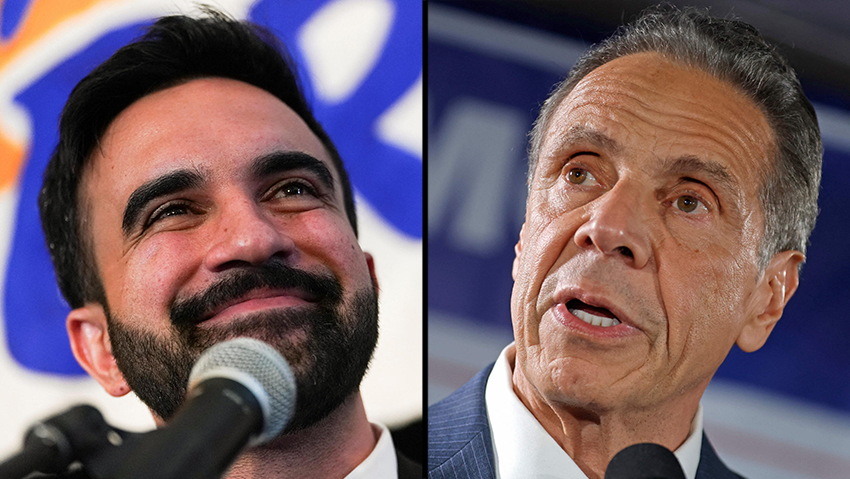
New York City mayoral candidates: Zohran Mamdani and Andrew Cuomo
(Photos: John Lamparski/AFP, David 'Dee' Delgado/Reuters)
In a formal letter to supporters, Cuomo admitted he had run an overly cautious campaign during the Democratic primary and relied on flawed polling. He wrote that he was “not aggressive enough” against Mamdani and pledged a more forceful general election campaign focused on the threat he says Mamdani’s “radical and divisive socialist agenda” poses to the city’s future. “I made a mistake by playing it safe,” Cuomo wrote. “Instead of trusting the polls, I should have trusted you. I failed to communicate my vision and expose the unworkability of Mamdani’s proposals. I won’t make that mistake again.”
Cuomo also outlined a pact he reached with long-shot independent candidate Jim Walden. Under this agreement, an independent poll will be conducted in September to determine who among Mamdani’s opponents has the best chance of defeating him. Each of the three challengers—Cuomo, incumbent Mayor Eric Adams (also running as an independent), and Republican Curtis Sliwa—would agree to withdraw if the poll shows they are not the strongest candidate. As of now, neither Adams nor Sliwa has agreed to the plan.
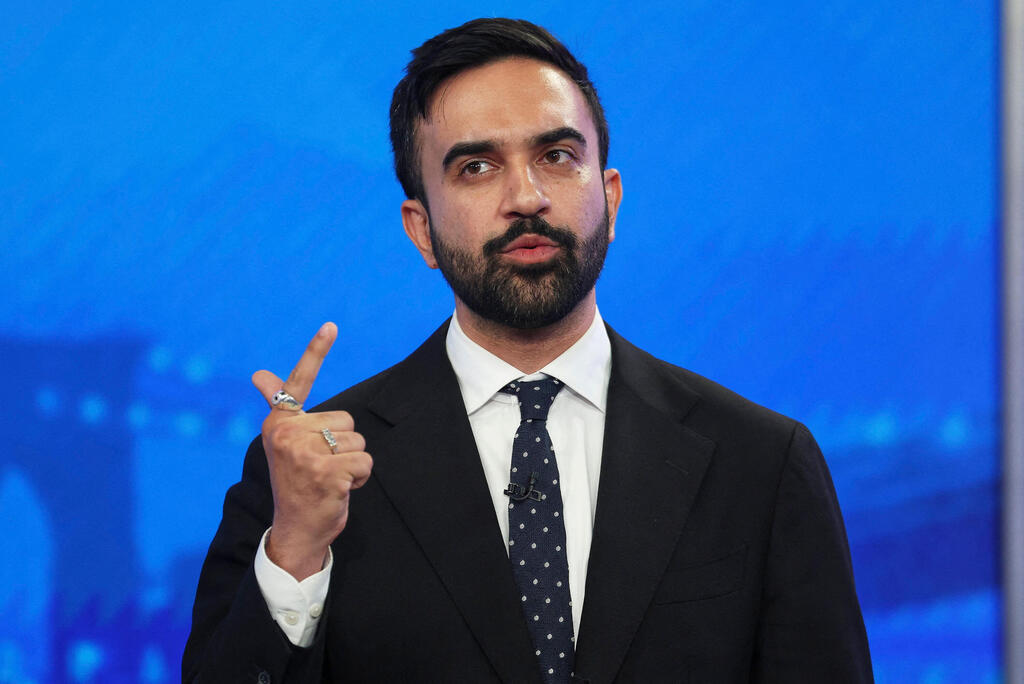
Muslim and anti-Israel candidate Zohran Mamdan is the current frontrunner for NYC mayor
(Photo: Yuki Iwamura / POOL / AFP)
According to the latest New York Magazine poll, Mamdani leads with 35%, followed by Cuomo at 25%, Sliwa at 14%, and Adams at 11%. Walden polls at 1%, and 13% of voters remain undecided.
New York’s mayoral election does not require an absolute majority; the candidate with the most votes wins. If Mamdani’s opponents all stay in the race and divide the anti-Mamdani vote, he could win with a plurality. But if the strongest opponent remains and the others drop out, he could be defeated.
Get the Ynetnews app on your smartphone: Google Play: https://bit.ly/4eJ37pE | Apple App Store: https://bit.ly/3ZL7iNv
Cuomo’s decision to stay in the race drew criticism from within his own camp. Former Mayor Michael Bloomberg—his largest donor—and Jewish billionaire Bill Ackman both urged him to withdraw. Ynet has learned that Bloomberg told Cuomo in a private conversation that his insistence on staying would all but guarantee a loss for the moderate camp to the radical left. Bloomberg’s team even tried to broker a deal between Cuomo and Adams, but to no avail.
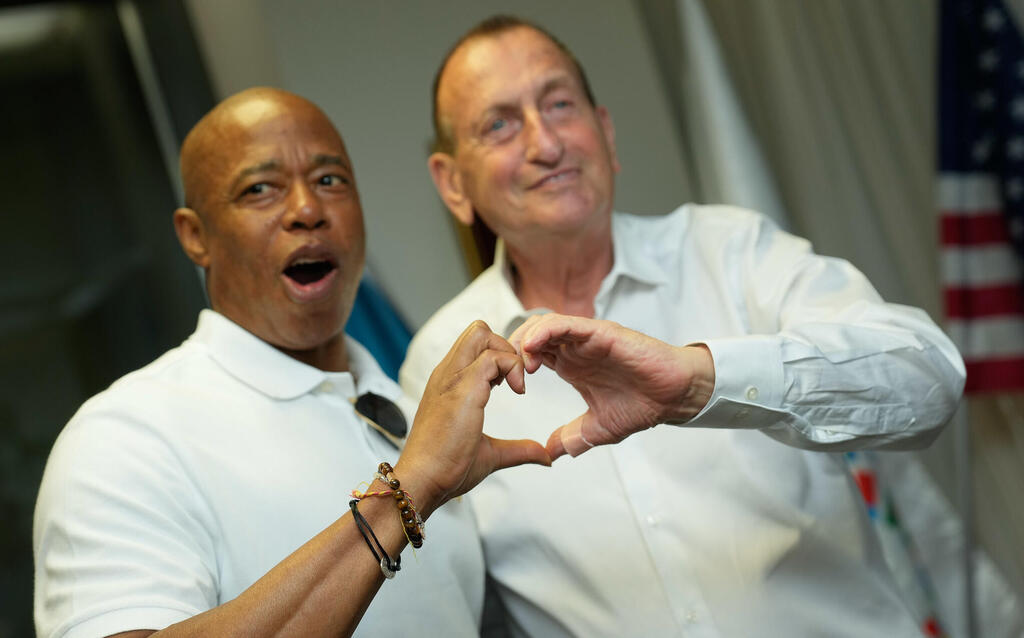
Current NYC Mayor Eric Adams is also running as an independent in the November election
(Photo: Michael Appleton/Mayoral Photography Office)
Meanwhile, Mamdani has shown no signs of concern. A spokesperson for his campaign dismissed Cuomo’s plan to consolidate anti-Mamdani votes, saying, “While Cuomo and Adams strike deals with billionaires and Republicans, Mamdani is focused on making this city livable and sane for the working class.”
The general election will take place on November 4. The city’s election board expects significantly higher turnout than the roughly 13% of registered voters who participated in the primary. Cuomo has promised to “reach every neighborhood, every voter,” but uniting the anti-Mamdani bloc now seems more elusive than ever.