


Prime Minister Benjamin Netanyahu privately met with a senior Qatari official at the White House after apologizing to Qatar’s prime minister over a deadly Israeli strike in Doha, according to a report published this week by a U.S.-based blogger who is critical of Hamas.
The official was identified as Ali Al Thawadi, a veteran Qatari diplomat who holds ministerial authority and has previously served as chief of staff to Sheikh Mohammed bin Hamad Al Thani, the brother of Qatar’s emir, Sheikh Tamim.
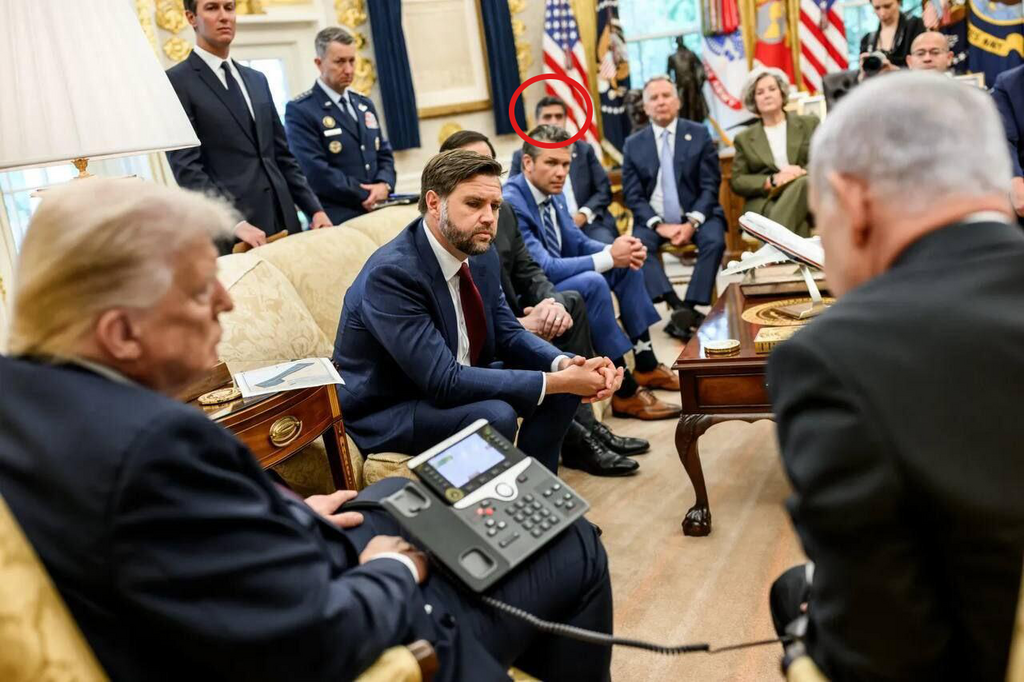
Al Thawadi was photographed seated in the Oval Office alongside U.S. Middle East envoy Steve Witkoff during the Netanyahu–Al Thani call last Monday. The White House released images of the meeting. The blogger, Ahmed Fouad Al-Khatib, reported that Netanyahu and Al Thawadi later held a personal conversation focused on next steps regarding the Gaza Strip, Hamas, coordination on Gaza issues, and efforts to rebuild ties between Israel and Qatar.
Israel and Qatar do not maintain diplomatic relations, and such meetings are normally kept out of the public eye. The conversation between Netanyahu and Qatari Prime Minister Mohammed bin Abdulrahman Al Thani was itself described by officials as unusual. In recent months, Mossad director David Barnea has traveled repeatedly to Doha, especially in connection with hostage negotiations.
Allegations of corruption and 'suitcases of cash'
Al Thawadi has long been associated with sensitive Qatari dealings. The report described him as a “man for dirty work,” citing his immunity and ministerial powers. He has faced allegations of involvement in corruption scandals, including the case of U.S. Senator Bob Menendez, controversies surrounding Qatar’s hosting of the World Cup, and the transfer of “suitcases of cash” to Gaza.
According to Al-Khatib, such funds helped Qatar expand its influence internationally. He also linked Al Thawadi to a €30 million investment in VIP seating at Barcelona’s Camp Nou stadium, a deal reportedly made through a company established only months earlier. Previous reports have tied him to sponsorship negotiations between Barcelona and the Qatar Foundation.
The Prime Minister’s Office in Jerusalem did not comment on either the reported meeting with Al Thawadi or the Qatari official’s presence during the White House call.
Blogger’s background
The report originated with Ahmed Fouad Al-Khatib, who describes himself as “a proud American, a Gazan, pro-Palestinian, pro-peace, and anti-Hamas and occupation.” His family moved from Ramla to Gaza during the 1948 war and later relocated to Saudi Arabia, where he was born in 1990. The family returned to Gaza when his father began working for the United Nations.
Al-Khatib lost hearing in his left ear at age 11 during an Israeli airstrike. In 2005, he moved to the United States under a U.S. State Department program. Today he runs an active blog and X account and has publicly criticized both Hamas and Israel.
Netanyahu’s Oval Office apology
During the Oval Office conversation, Netanyahu apologized to Al Thani for the killing of a Qatari security officer and for violating Qatari sovereignty.
“I want to assure you that Hamas was the target, not the Qataris,” Netanyahu told Al Thani, according to the report. “I also want to assure you that Israel has no plans to violate your sovereignty again, and I gave that commitment to President Trump.” Then-President Donald Trump was present at the meeting.
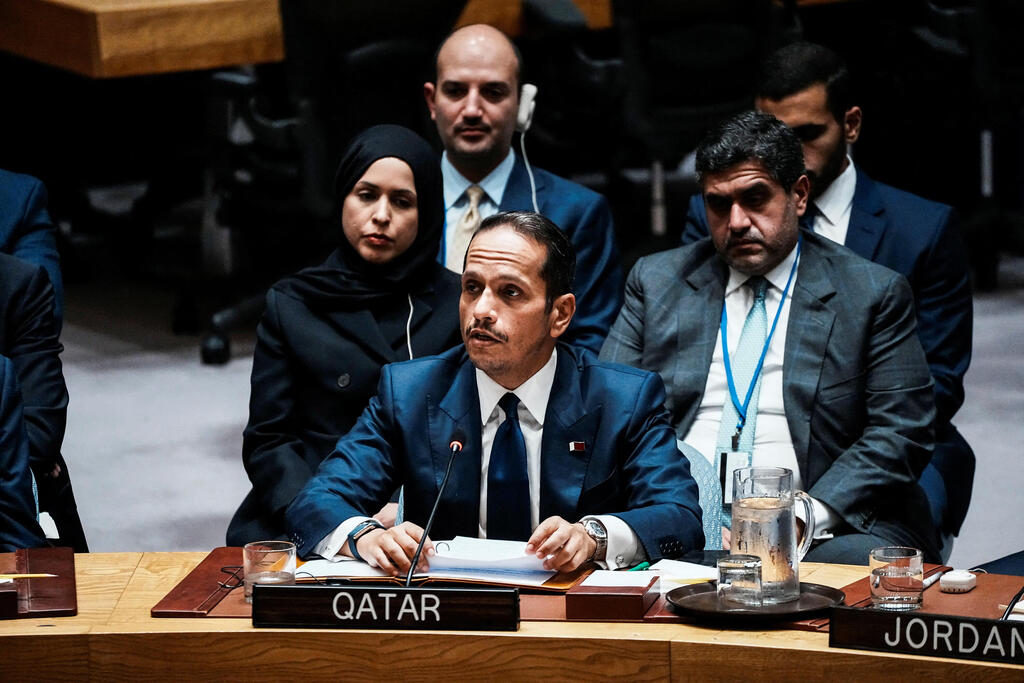
Al Thawadi behind Qatari Prime Minister Mohammed Al Thani at a UN Security Council session
(Photo: REUTERS/Eduardo Munoz)
The next day, Al Thani responded publicly, saying Netanyahu’s apology was “the bare minimum.” He added: “The most important thing is the commitment not to attack us again. Our primary concern, after defending our country, is how to help end the war.”
US extends unprecedented security guarantee
The Trump administration followed the call with an executive order giving Qatar a sweeping security guarantee. The order, signed by Trump, declared that any armed attack on Qatar’s territory, sovereignty, or infrastructure would be treated as “a threat to the peace and security of the United States.”
The order stated that the U.S. would respond to any such attack with “all appropriate and lawful means—diplomatic, economic, and, if necessary, military—to protect the interests of the U.S. and Qatar and restore peace and stability.”
The U.S. pledge, coupled with Netanyahu’s personal assurances, effectively means that any militant or terror operative on Qatari soil will now enjoy an unprecedented level of protection.