

On October 7, 2023, Israel launched the Iron Swords War following Hamas’ surprise attack from Gaza, declaring the “collapse” of the terrorist organization as its supreme objective, alongside the return of the hostages. However, in less than two years, the IDF has operated far beyond the Gaza Strip: the Israeli Air Force, and at times other branches of the military, have already conducted operations in five countries—Lebanon, Yemen, Iran, Syria and Qatar—alongside ongoing activity in the West Bank.
In December 2023, then-Defense Minister Yoav Gallant declared that Israel was engaged in a “multi-front war.” Speaking before the Knesset’s Foreign Affairs and Defense Committee, he said: “We are being attacked from seven different fronts—Gaza, Lebanon, Syria, Judea and Samaria, Iraq, Yemen and Iran.”
The moments of the Israeli attack in Doha, Qatar


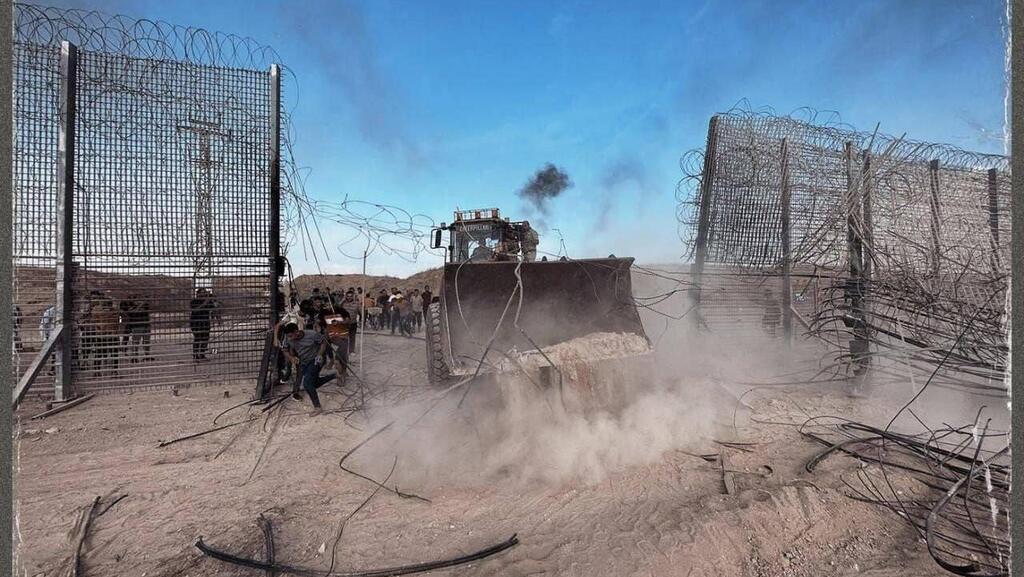
With the exception of Iraq, at least officially, Israel has carried out operations in all of these arenas—and a few days ago Qatar was added as well, in the framework of Operation Summit of Fire, to assassinate Hamas’ leadership. Yet the strike in Qatar was unusual, since it was the first target in the war that had not first launched attacks against Israel. Moreover, Israel does not define Qatar as an “enemy state.”
'The vision is in danger'
The consequences of the Doha strike have not yet fully emerged, but U.S. President Donald Trump quickly distanced himself from it, clarifying that he was “very unhappy”—partly because of his ties with the Qataris, but also out of concern that it could damage his image and undermine his vision of expanding the Abraham Accords, thereby strengthening America’s sphere of influence in the Middle East. Trump and senior administration officials have repeatedly declared their intention to bring Saudi Arabia and other Gulf states, as well as Lebanon, Syria, Azerbaijan and others, into the accords at some stage. After the strike, Trump even assured the Qataris that “such a thing will not happen again on your territory.”
“The vision is in danger,” a senior Gulf official told the Washington Post. Speaking on condition of anonymity, he said: “This is a time when, after two years of war, we need to reduce escalation.” He stressed: “Many of Israel’s military operations in the war have been tactically successful—but the region does not look any better.” Regarding the strike in Qatar, he said: “This is a complication we do not need.”
'From the outside it looks like you’ve lost control'
After the bombing of the villa in Doha where Hamas leaders were meeting, an Arab official from a country that signed agreements with Israel told columnist Nadav Eyal in a piece published in the weekend supplement of Yedioth Ahronoth: “Let me tell you how you look from the outside—you’ve simply lost control. Not only in Gaza. In just the past two weeks you bombed four Arab countries, including one that mediates between you and Hamas. You have no idea what’s happening around you.”
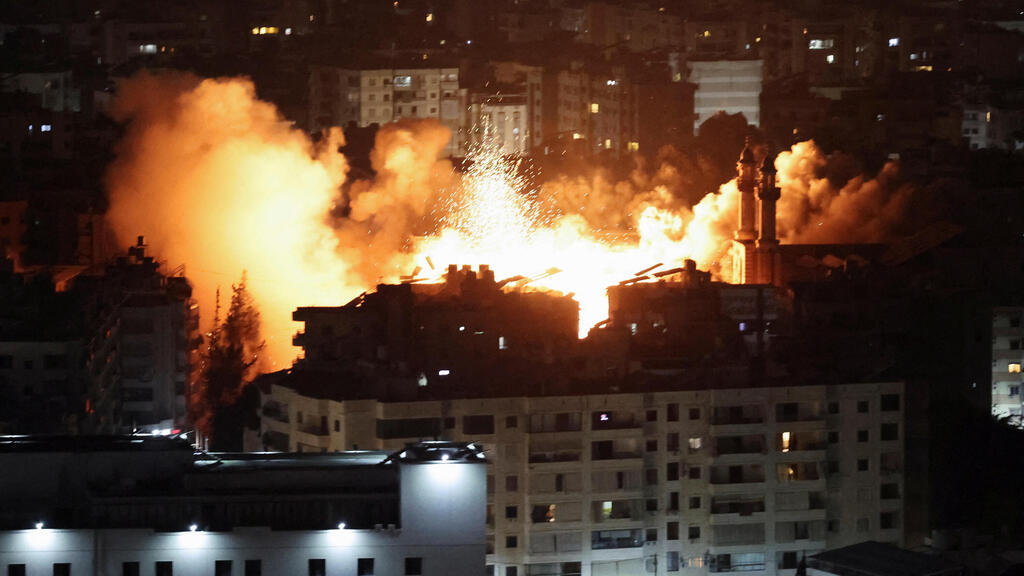
Attacks in Dahiyya, Beirut, Lebanon
(Photo: Mohamed Azakir/ Reuters )
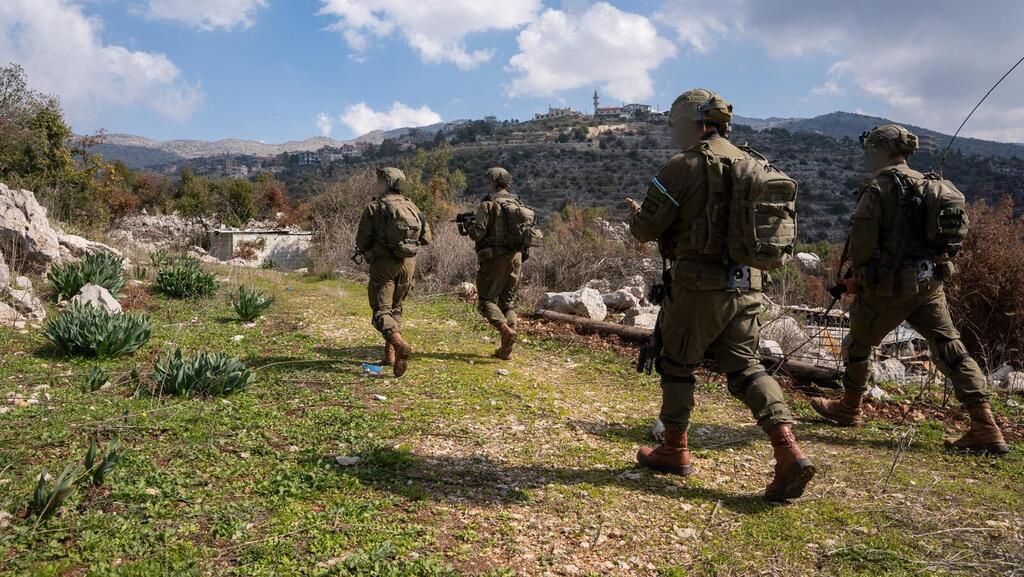
Documentation of the activities of the 'Mountain' Brigade forces in southern Syria
(Photo: IDF Spokesperson's Unit)
In the same column, the official added: “The damage you are causing yourselves in the region is significant. Do you know what’s happening, for example, in Saudi Arabia? Israel’s position there is the worst it’s been in years. The kingdom has been waging a campaign in recent months against Islamist radicals. Deep work. When Netanyahu talks about Greater Israel, or when you advance in Gaza, their security services feel it on the ground, in threats to internal security. For the royal family, there is only one question: when will you have elections. But forget Saudi Arabia. Look at the UAE. Did you think about what this would do to them, right before you sent planes to Qatar? You put them in a bind. And it doesn’t stop there.”
The recent strike in Qatar triggered widespread criticism of Israel around the world, where its standing has already suffered because of the prolonged war. The Arab world condemned and attacked Israel, the West also criticized and expressed support for Doha, and the UN Security Council issued a condemnation—joined even by the United States.
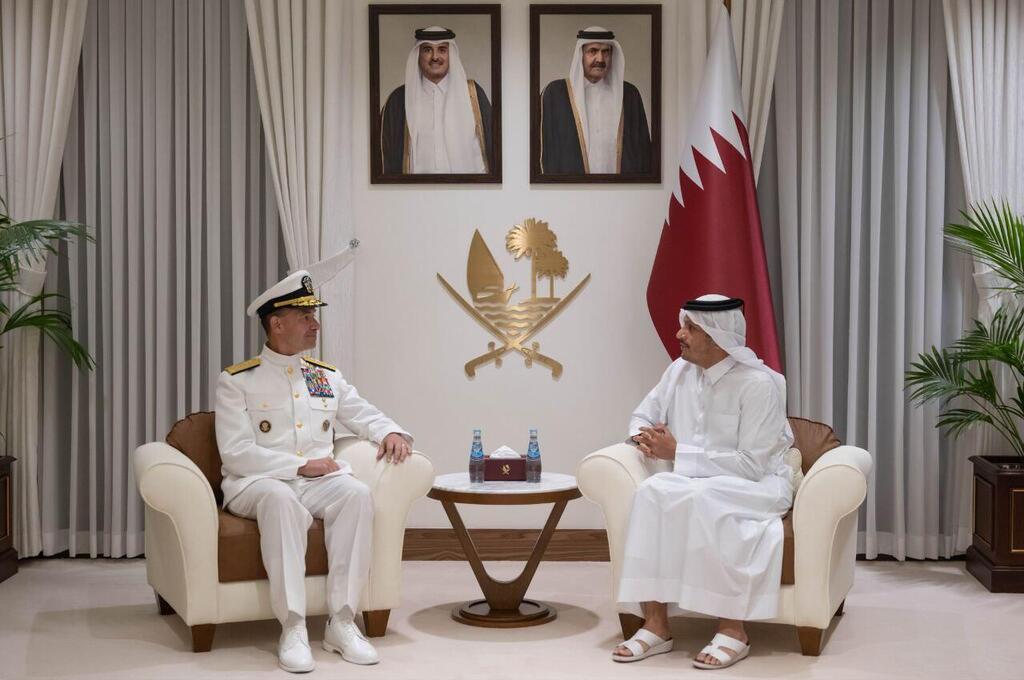
Qatari Prime Minister and Foreign Minister Mohammed Al-Thani met with U.S. CENTCOM commander Brad Cooper.
As part of Washington’s effort to repair ties with Doha, the Qatari foreign ministry announced that Prime Minister and Foreign Minister Mohammed Al-Thani on Saturday received U.S. CENTCOM commander Brad Cooper. According to the ministry’s statement, the meeting dealt with “relations between Qatar and the U.S., ways to strengthen them, and especially military and defense cooperation.” The strike, however, was not mentioned at all in the statement.
No end in sight
Even if Qatar was a “one-time arena” in the framework of what appears to have been a failed assassination attempt, Israel continues to operate constantly on other fronts. The day after the Qatar strike, the IDF again bombed Houthi targets in Yemen, in another operation within a series of strikes against the rebels, who had declared their support for Gaza at the start of the war. Since then, the Houthis have resumed firing missiles at Israel, and there is no end in sight to the confrontation.
In Lebanon, since the ceasefire agreement, the IDF has continued to hold five outposts in a kind of security buffer zone and attacks Hezbollah operatives and infrastructure almost daily. According to the IDF spokesperson, overnight between Friday to Saturday, an Air Force UAV eliminated a terrorist in the area of Aitaroun in southern Lebanon, who was involved in “rebuilding the organization’s military capabilities.” Despite the Lebanese government’s decision to advance a plan to disarm Hezbollah, it is unclear when Israel will deem it possible to withdraw forces from southern Lebanon.
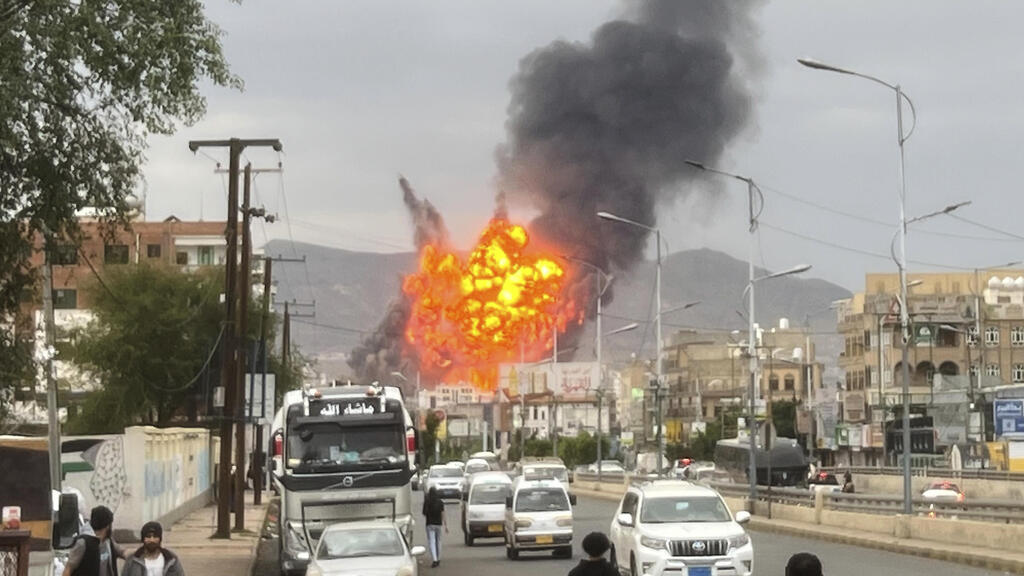
Israeli Air Force strike in Sanaa, Yemen
(Photo: AP)

Attack on a car in Lebanon
In Syria, Israel continues to maintain a buffer zone since the regime change and the ousting of Bashar al-Assad, and does not intend to vacate the area until a security arrangement is reached that ensures the demilitarization of southern Syria. Meanwhile, the IDF occasionally strikes positions and targets throughout the country, not only in the south, both to aid the Druze minority and to destroy strategic weapons left over from the previous regime that could fall into the hands of al-Sharaa’s men.
In the main arena, the IDF has not ceased its operations in Gaza, except during hostage deal pauses. These days, the army is preparing to expand its operation—this time to conquer Gaza City in the framework of Operation Gideon’s Chariots II, another attempt to subdue Hamas. The Hamas-run authorities in Gaza report that more than 60,000 people have been killed since the outbreak of the war, and alongside accusations of starvation and war crimes, it appears that the Gaza front has most severely damaged Israel’s image and international standing.
As for Iran, just last month the IDF did not rule out the possibility of “another round of fighting with Iran that may erupt by surprise.” Moreover, Israel is preparing for such a possible scenario—even within the coming months. At the same time, Tehran continues to issue threats against Israel, and the adviser to Iran’s Supreme Leader, Yahya Rahim Safavi, even declared: “We are not in a ceasefire right now, but in a stage of war—and it can collapse at any moment.”