

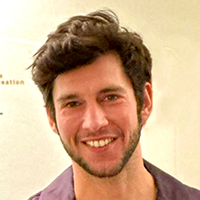
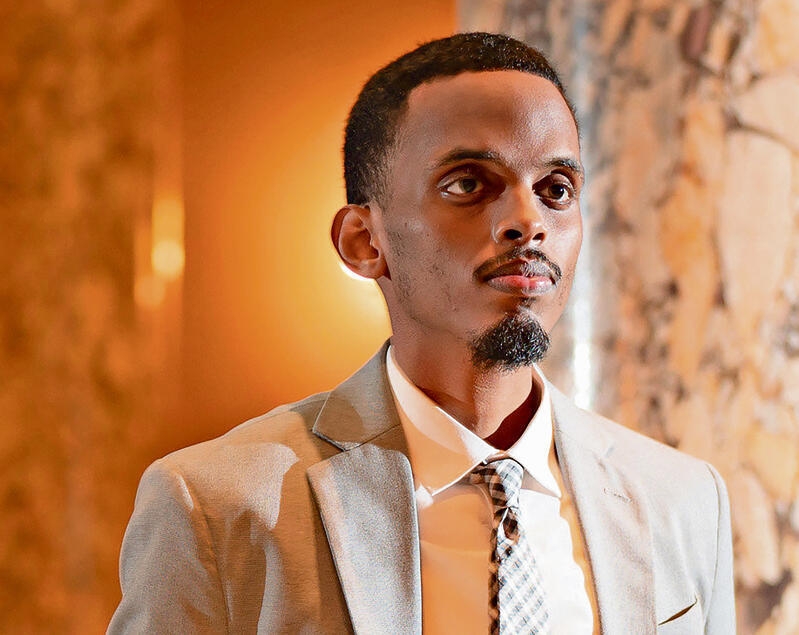
After a high-profile race in which he was billed as the “Zohran Mamdani of Minneapolis,” anti-Israel candidate Omar Fateh lost the election for mayor of Minneapolis, Minnesota. Fateh, 35, a Democratic state senator known for his anti-Zionist views and harsh criticism of Israel since Hamas’ October 7, 2023, attack, was defeated by incumbent Mayor Jacob Frey — a Jewish Democrat who has held the post since 2018 and has now won a third term.
Frey led from the first count with 41.7% of the vote, compared with Fateh’s 31.6%. Because no candidate achieved an outright majority, the city’s ranked-choice voting system was activated, and Frey secured a majority in the third round, confirming his reelection.
Zohran Mamdani's victory speech
(Video: Reuters)


Fateh, a Somali-born Muslim, has in recent years become one of the most recognizable figures associated with the Democratic Party’s progressive wing. After the October 7 attacks, he wrote that he was “overwhelmed with sorrow for the victims of this violence as well as anger towards both the Israeli Government and Hamas who have senselessly injured and killed thousands of people in a matter of days.”
Last year, he took part in a protest movement during the Democratic primaries against then-President Joe Biden over his pro-Israel policies, writing that the United States “shows no signs of wavering in its commitment to unconditional military and political support for Israel’s genocide in Palestine.”
Fateh surrounded himself with senior campaign aides known for anti-Israel statements. His communications director once wrote that “Israel should not exist” and “must be dismantled,” and questioned evidence of Hamas’ sexual violence on October 7. Another adviser involved in the campaign called for “unconditional solidarity” with Hamas’ actions.
Supporters portrayed Fateh as a representative of a younger, changing generation within the Democratic Party, similar to New York’s newly elected mayor, Zohran Mamdani, who won his race Tuesday night and will take office Jan. 1. Like Mamdani, Fateh advocated for reducing police powers, strengthening rent control and expanding public investment. As in New York, Jewish communities in Minneapolis expressed growing concern over his rhetoric about Israel and his support for figures and groups criticized for promoting anti-Israel messages.
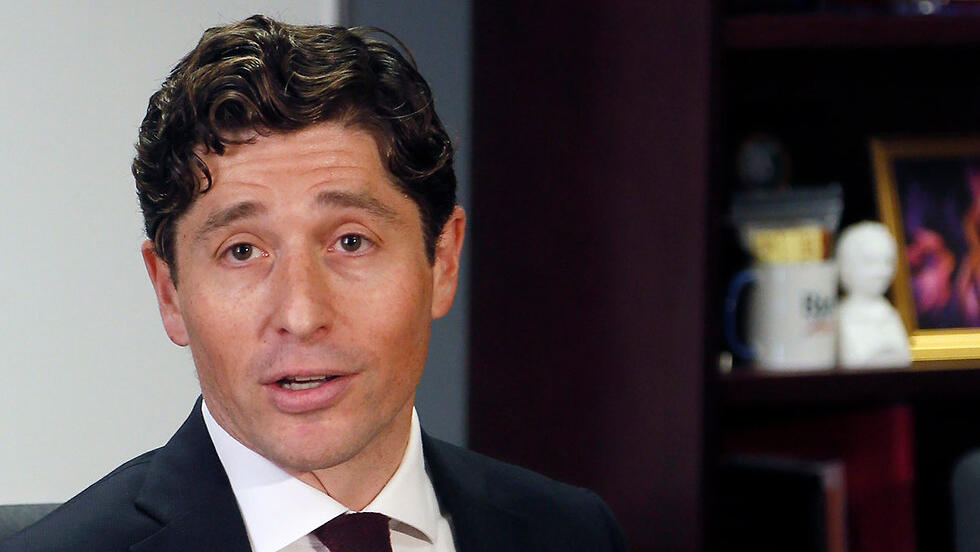
Jacob Frey
(Photo: AP)
The Minneapolis race, like New York’s, was marked by sharp internal divisions within the Democratic Party. Although the mayoral election is officially nonpartisan — with no party affiliations listed on the ballot — the Minnesota Democratic-Farmer-Labor Party holds internal conventions and endorses candidates.
At a summer convention, Fateh won the local party’s endorsement after a vote that reflected the power struggle between the progressive and centrist wings of the party. Mayor Frey challenged the results, and the issue was referred to the national party’s constitution committee, which ultimately voided the endorsement. The result was a divided party: the city branch continued to back Fateh de facto, while the state leadership withdrew official support. The rift remained visible throughout the campaign.
During the race, Fateh appeared alongside Rep. Ilhan Omar, also Somali-born and long known for her criticism of Israel. He also received support from the Democratic Socialists of America — Mamdani’s political base — and from anti-Zionist organizations active in the city such as Jewish Voice for Peace.
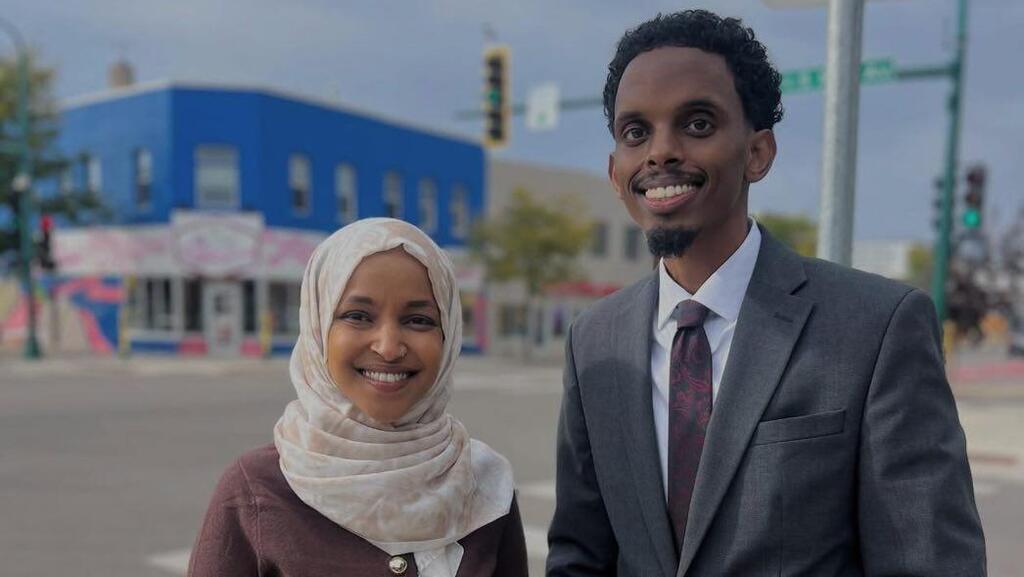
Omar Fateh alongside Ilhan Omar
(from Instagram)
Frey, by contrast, unequivocally condemned Hamas, saying “the terroristic attacks perpetrated on innocent Israeli citizens by Hamas are abhorrent.” He criticized local activists who discussed the events of October 7 without mentioning Israeli victims, calling it “an erasure of innocent, murdered Israelis and the genocide against Jews for millennia.”
After his loss, Fateh said he would continue to promote the agenda he advanced during his campaign. “They may have won this race, but we have changed the narrative about what kind of city Minneapolis can be,” he told supporters, adding that issues such as affordable housing and workers’ rights are “no longer side conversations; they are at the center of the narrative.”
In the city’s Jewish community, the results were met with a mix of relief and unease. “The threat passed this time, but the discourse has clearly changed,” said Rachel Jacobs, a local community activist. “We’ve all learned that Israel is viewed very differently by the younger generation.”