

Venezuela was still assessing the scale of destruction Thursday after two powerful earthquakes struck the Caracas region, with fears that thousands of people may have been killed.
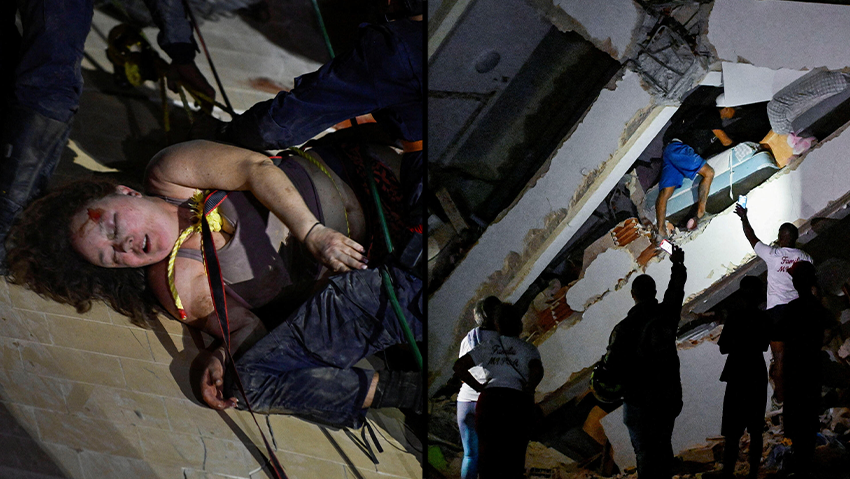
There was no official estimate of the total number of casualties, but images from Caracas and other affected areas showed widespread destruction, with many buildings collapsed. Rescue crews were seen trying to reach people trapped under large piles of rubble, and witnesses said some could be heard shouting for help.
Powerful earthquake jolts La Guaira, Venezuela
(Video: from social media)


TV anchors react on air as the earthquake strikes Venezuela
(Video: from social media)
A website set up after the disaster to help locate missing people said that, as of noon in Israel, more than 10,000 people had been reported missing. The site was promoted by Venezuelan opposition leaders, many of whom are in exile, and communication difficulties may also be linked to major internet disruptions reported after the quake.
The U.S. Geological Survey warned in an initial assessment that there was a significant chance the death toll could exceed 10,000. Its preliminary calculations put the probability at 44%, with a 30% chance that the toll could surpass 100,000.
The disaster struck at 6:04 p.m. local time Wednesday, when two destructive earthquakes hit the Morón area on Venezuela’s Caribbean coast, about 170 kilometers, or 105 miles, west of Caracas. The quakes occurred just 40 seconds apart.
According to the USGS, the first quake had a magnitude of 7.2 and was a foreshock to the second, more destructive 7.5-magnitude quake. The second was the strongest to hit Venezuela in more than a century. The first quake alone was the fourth strongest ever recorded in the country.
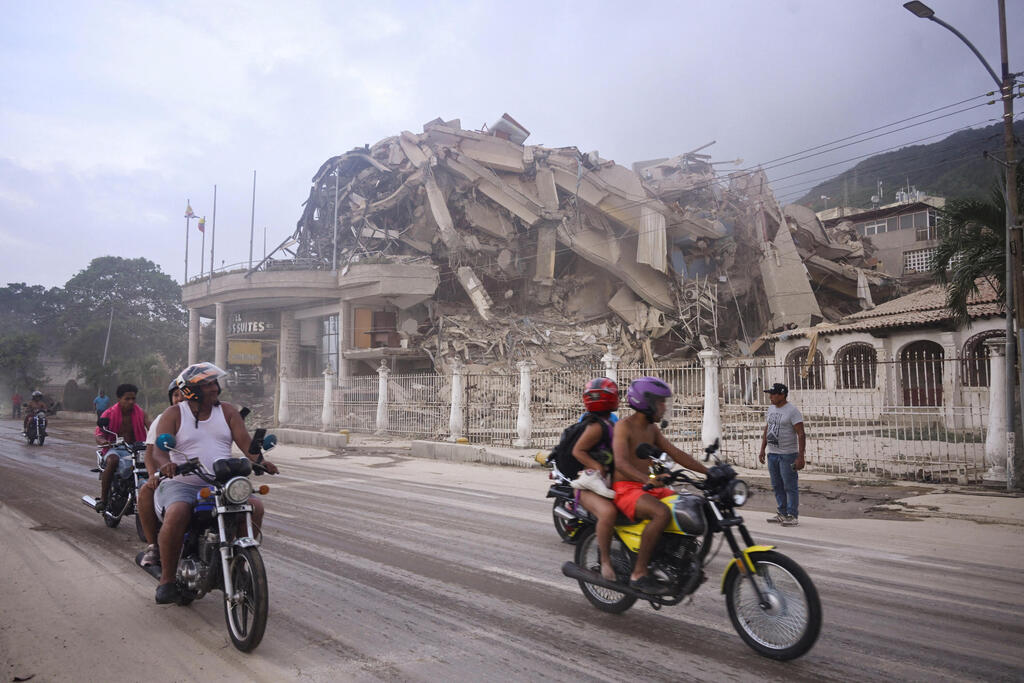
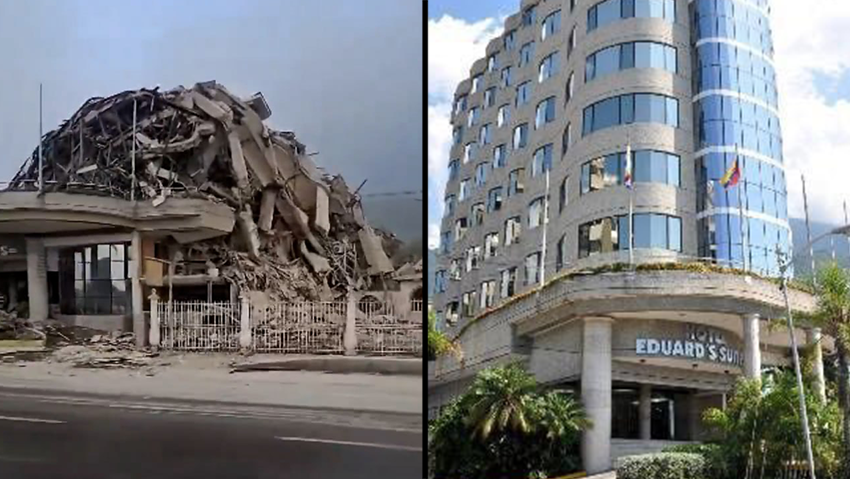
A hotel in La Guaira, Venezuela, before and after the earthquake
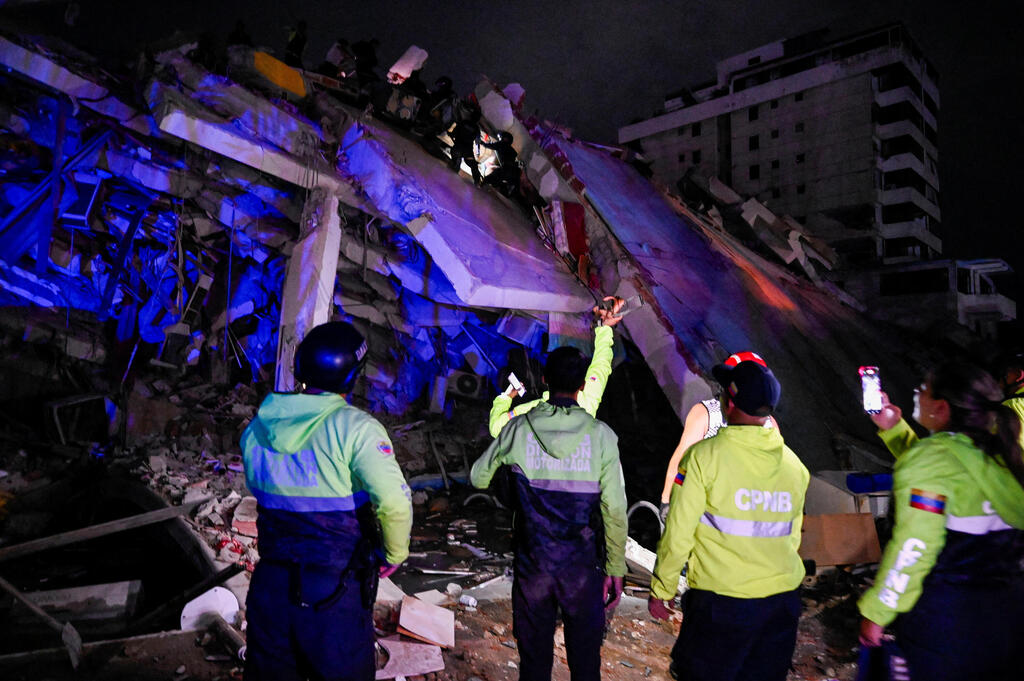
Destruction in La Guaira, Venezuela, after the earthquake
(Photo: REUTERS/Maxwell Briceno)
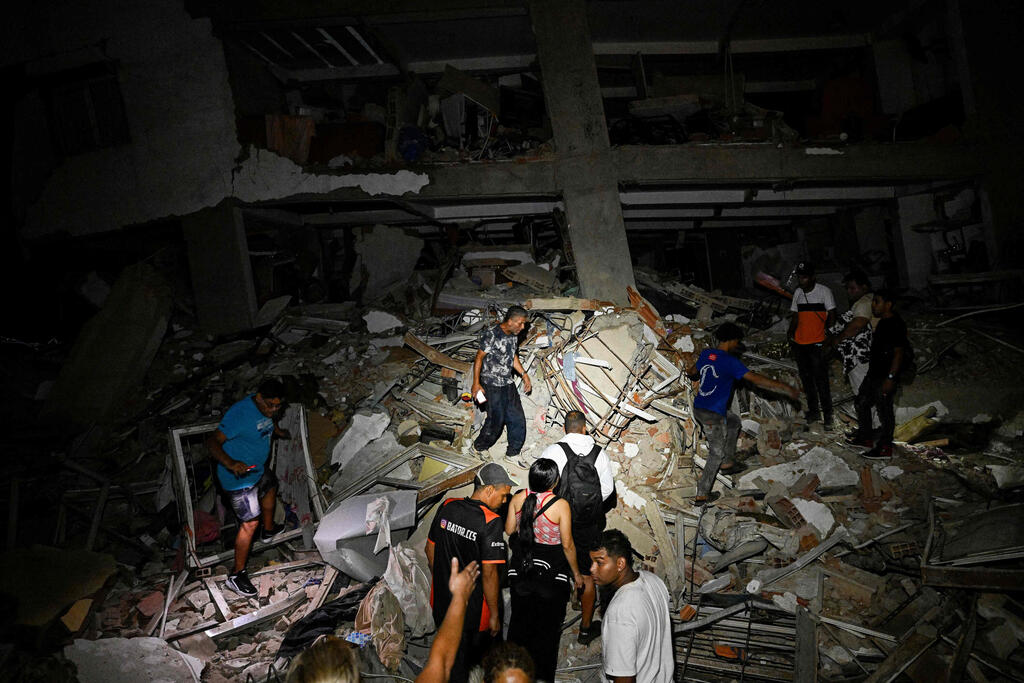
Earthquake damage in Catia La Mar, La Guaira state, Venezuela
(Photo: Federico PARRA / AFP)
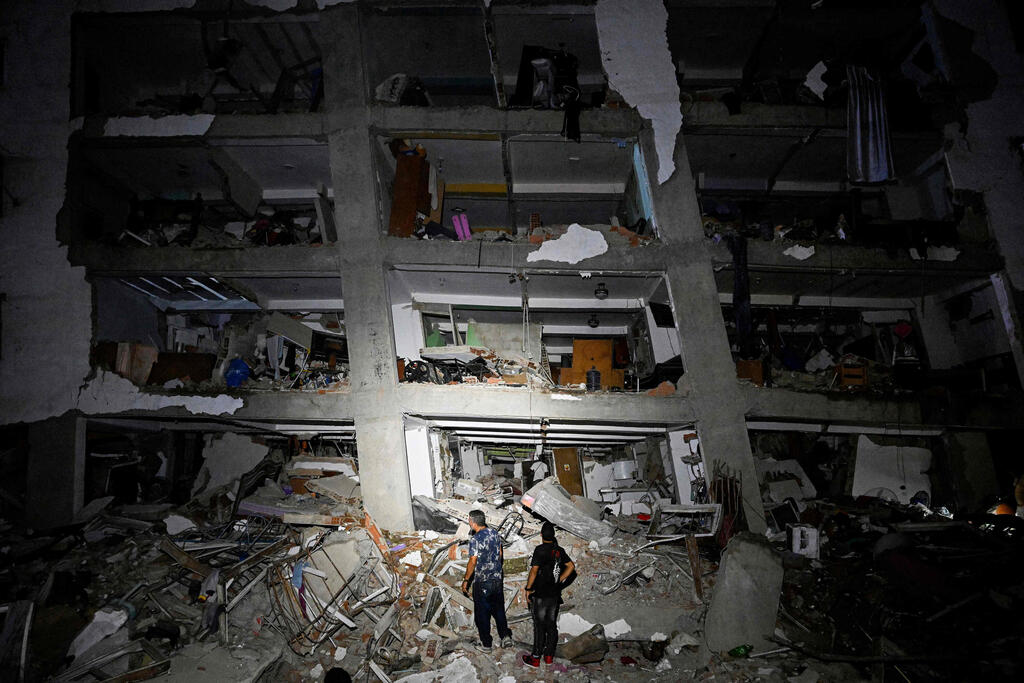
Catia La Mar
(Photo: Federico PARRA / AFP)
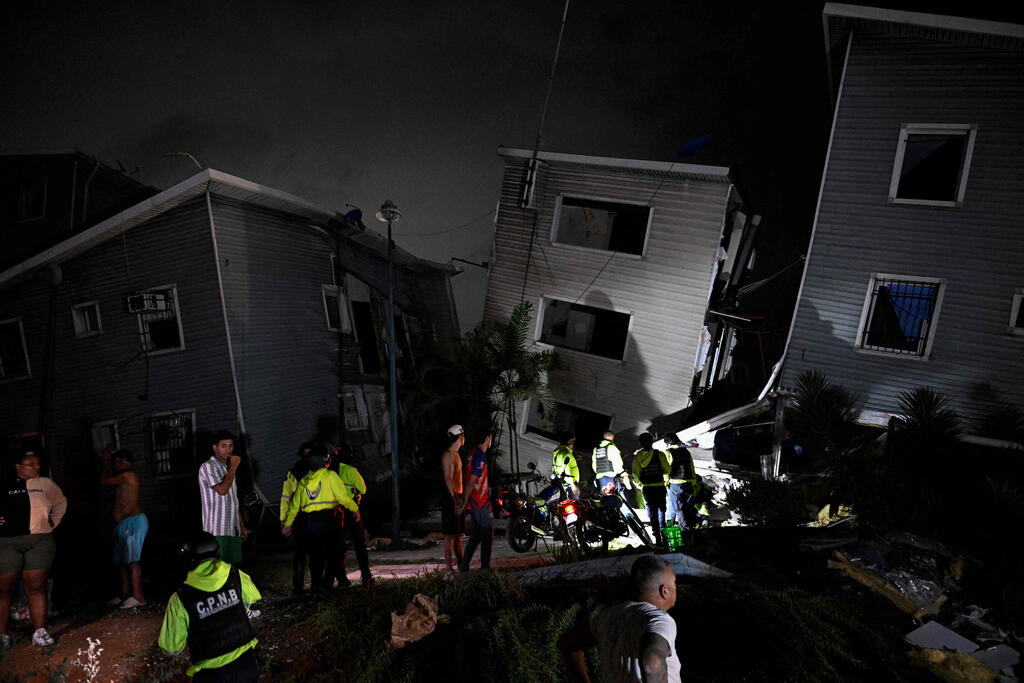
Catia La Mar
(Photo: Federico PARRA / AFP)
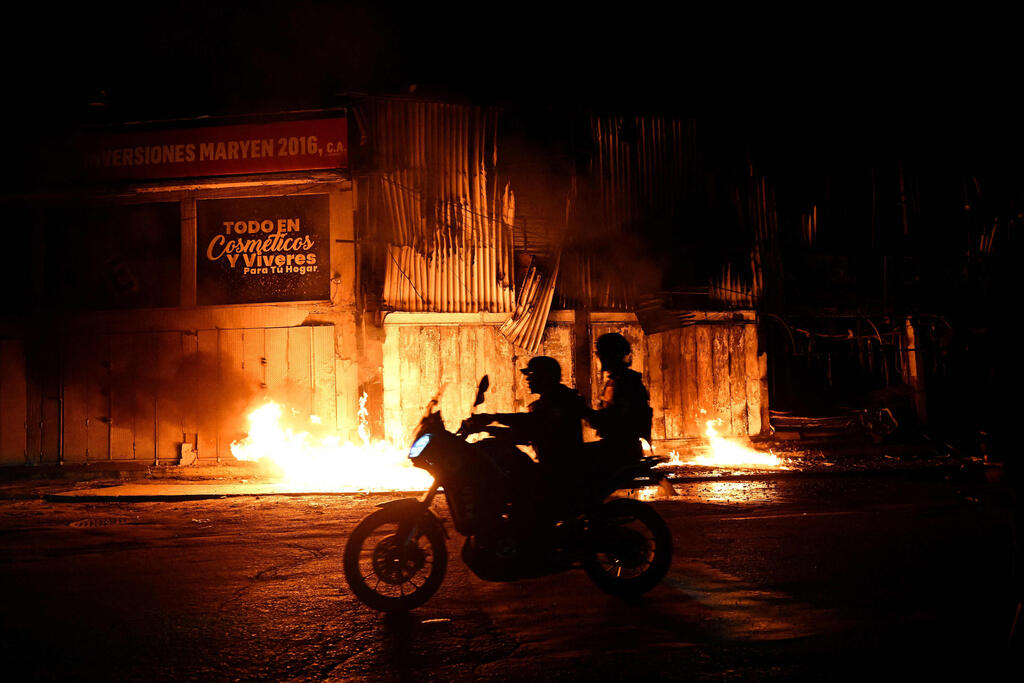
Catia La Mar
(Photo: Federico PARRA / AFP)
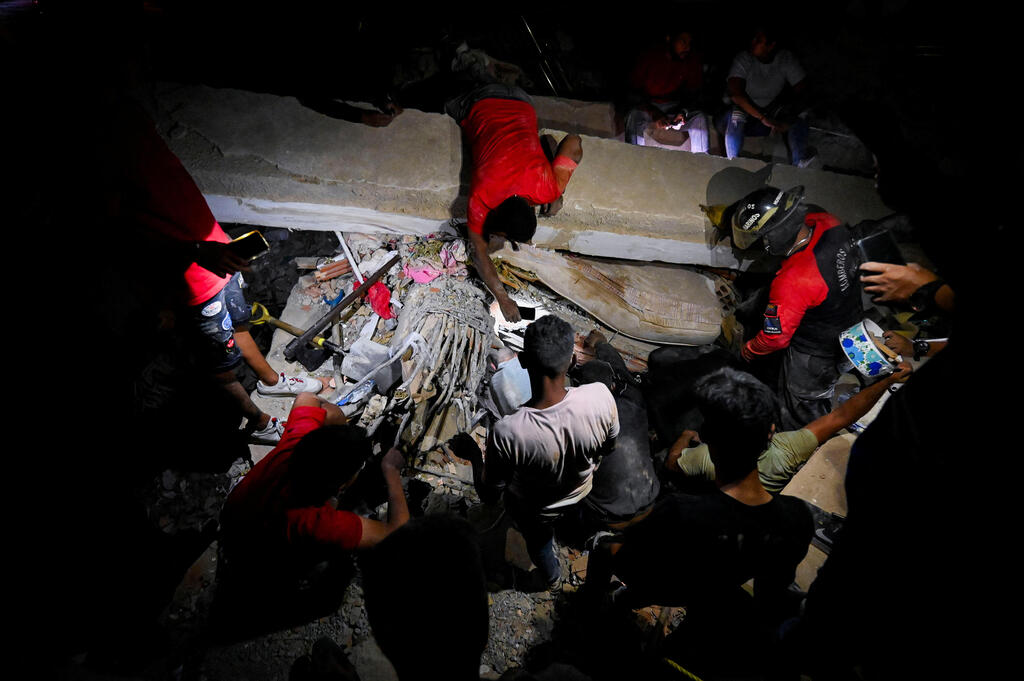
La Guaira
(Photo: REUTERS/Maxwell Briceno)
La Guaira
(Photo: REUTERS/Maxwell Briceno)
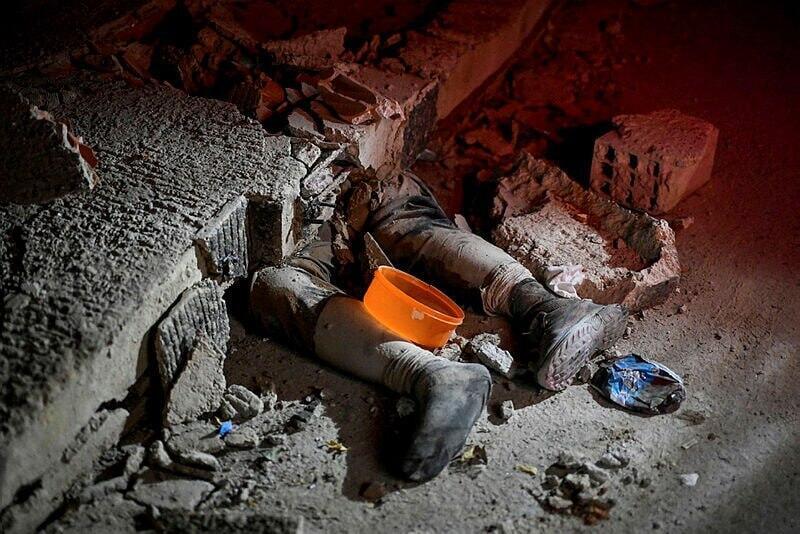
A body lies beneath a collapsed structure after the earthquake in La Guaira, Venezuela
(Photo: REUTERS/Maxwell Briceno)
The shaking was felt far beyond Venezuela, reportedly reaching the Amazon region in Brazil, about 1,700 kilometers, or 1,055 miles, from Caracas. At least 20 aftershocks followed.
The damage was worsened by the shallow depth of the quakes — 22 kilometers for the first and 10 kilometers for the second — and by the timing. Many residents were at home because the quake struck during a national holiday marking an 1821 military victory that helped lead to Venezuela’s independence from Spain. Schools were closed and many people were not working.
Venezuela also has many buildings constructed before the early 1970s, before the country adopted stricter building codes, leaving them more vulnerable to earthquake damage.
Residents heard shouting the names of loved ones trapped under the rubble
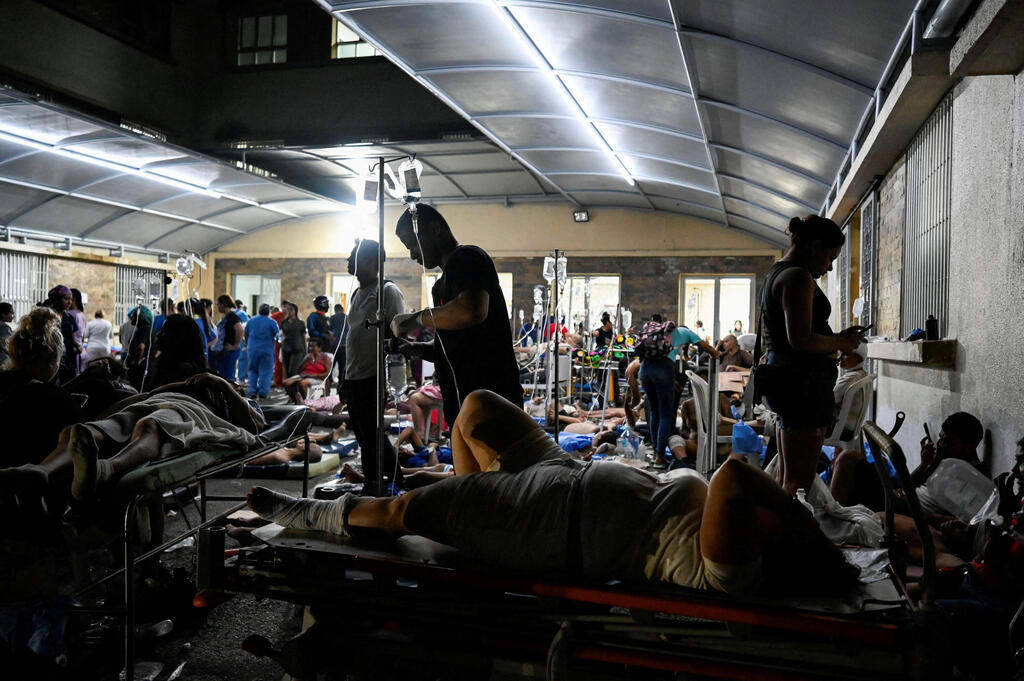
Delcy Rodríguez, Venezuela’s interim president, who took office after the U.S. operation that captured President Nicolás Maduro earlier this year, declared a state of emergency and said at least 32 people had been killed and 700 injured. Officials said the figures were highly preliminary and expected to rise sharply as the scale of the damage became clearer.
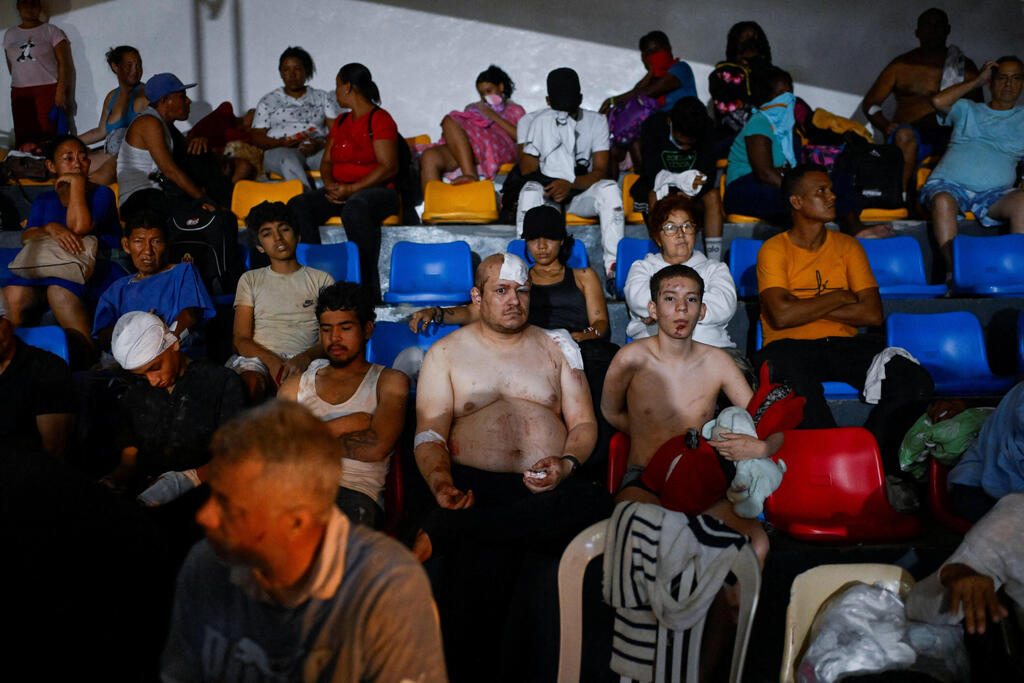
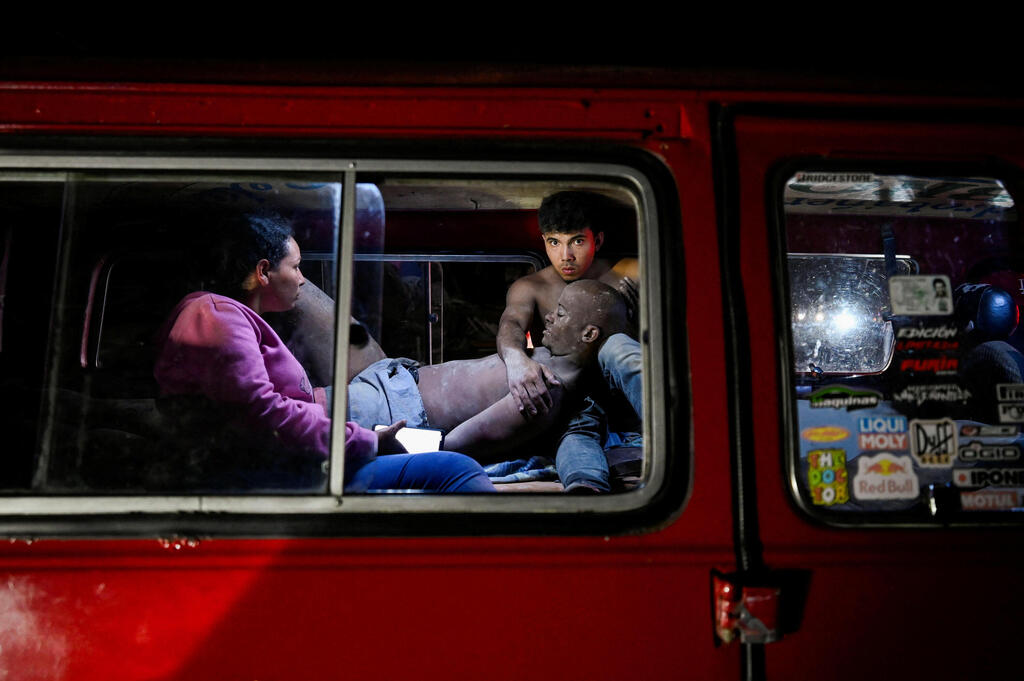
Injured people receive treatment at a field hospital in La Guaira, Venezuela
(Photo: REUTERS/Maxwell Briceno)
La Guaira
(Photo: REUTERS/Maxwell Briceno TPX IMAGES OF THE DAY)
La Guaira
(Photo: REUTERS/Maxwell Briceno TPX IMAGES OF THE DAY)
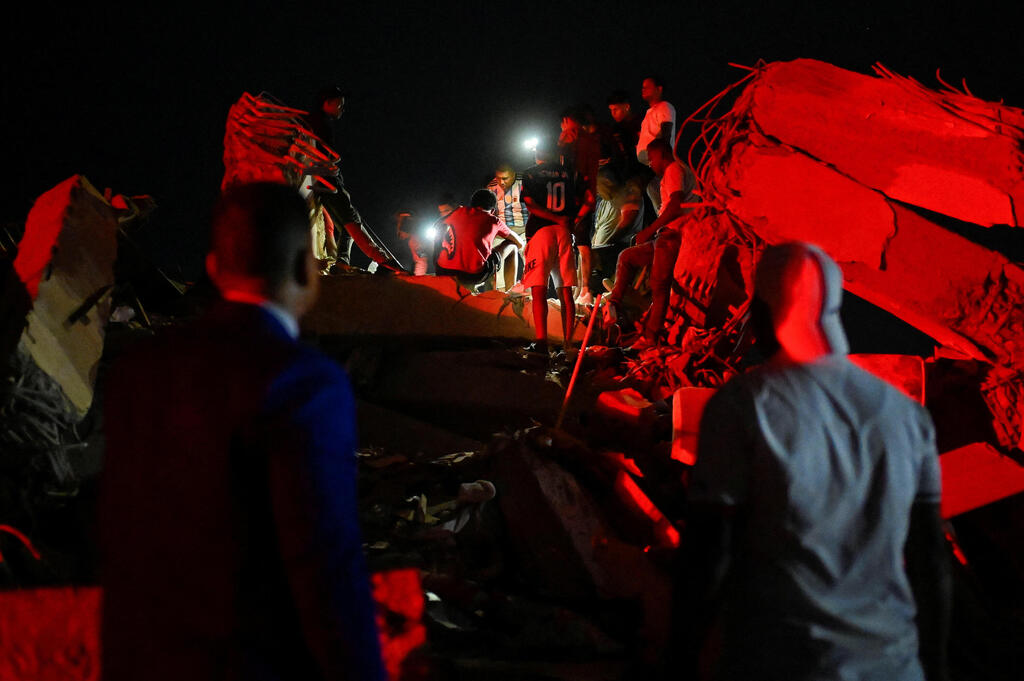
La Guaira
(Photo: REUTERS/Maxwell Briceno)
Rodríguez said at least dozens of buildings had collapsed in the Caracas area, but that the initial figures did not include La Guaira state, which she said was hit hardest and had been declared a disaster zone.
“We are carrying out intensive rescue efforts to save as many lives as God allows us to save,” Rodríguez said in a televised address at 1 a.m. “This is a real tragedy. We call on the public to remain calm. We call for unity.”
Videos from Caracas and other affected areas showed many collapsed buildings. One clip showed an apocalyptic scene, with several high-rises almost completely destroyed.
AFP reported that a 22-story residential tower collapsed entirely in the Altamira district of Caracas. Residents could be heard shouting the names of loved ones trapped under the rubble as volunteers climbed over the debris to search for the missing. “We need flashlights!” one volunteer shouted as darkness fell.
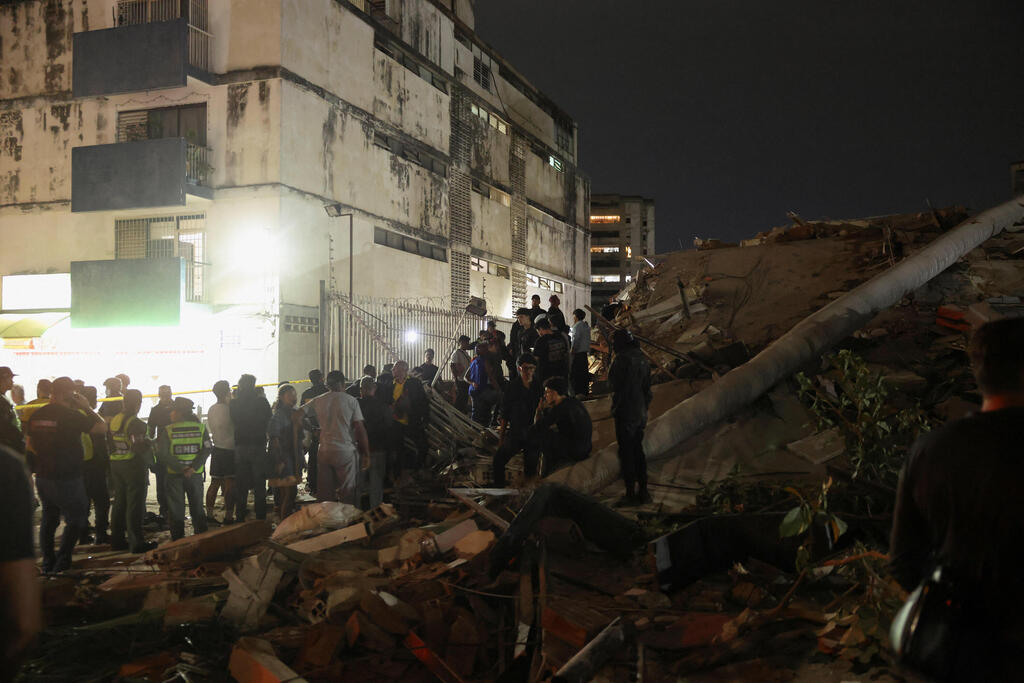
Damage in Caracas, Venezuela, after the earthquake
(Photo: REUTERS/Leonardo Fernandez Viloria)
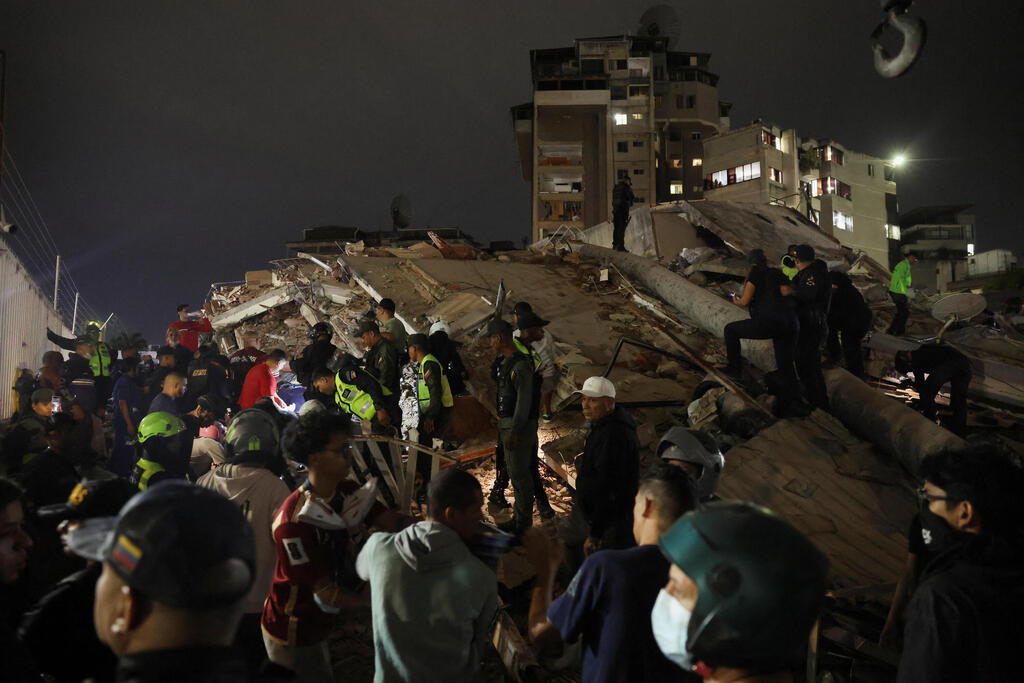
Caracas
(Photo: REUTERS/Leonardo Fernandez Viloria)
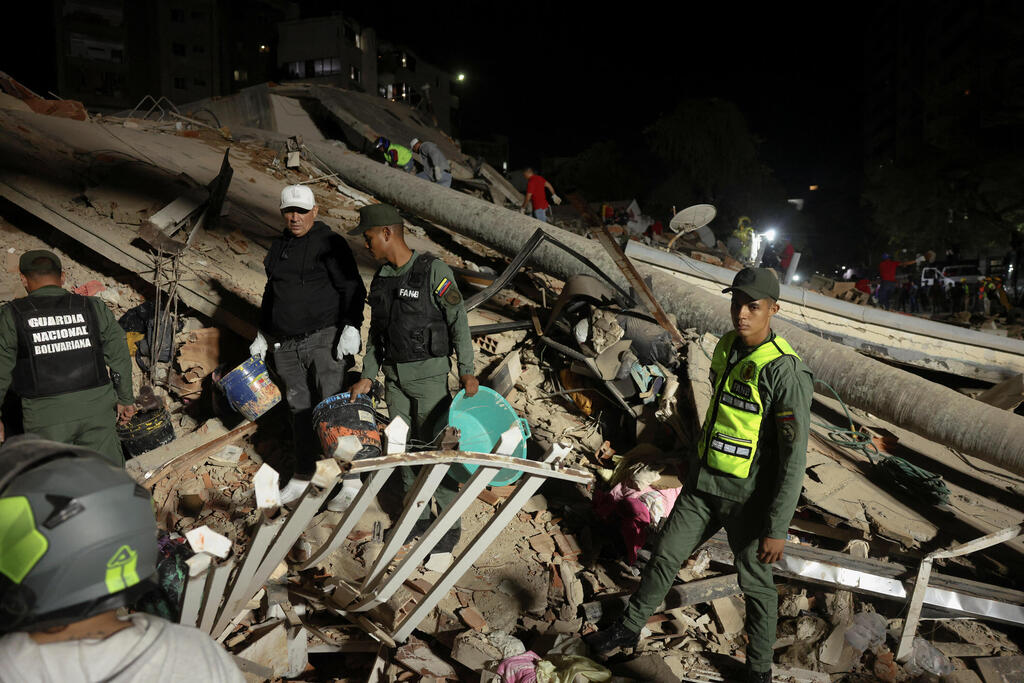
Caracas
(Photo: REUTERS/Leonardo Fernandez Viloria)
Reuters reported that survivors were pulled from rubble at several sites and evacuated on stretchers. “When we went downstairs, the scene was like a horror movie,” said María Alejandra, whose neighboring building collapsed. “We had to climb over the rubble and everything. The building superintendent with the baby and all the neighbors coming down. But from that building, I only saw that one family got out”
Gustavo Duque, mayor of the Chacao district of Caracas, said rescue teams could still hear trapped people shouting from beneath the debris. “Thankfully we are hearing people alive and we will rescue them,” he said, adding that 23 survivors had been rescued in his district. “We will not leave here until we rescue the last person we can save alive, and I know that with God’s help we will succeed.”
Caracas resident Ángela Rivero, who uses a walker, said she was in the kitchen when the ground began shaking. “The tremors were really strong. I just stood there saying, ‘Dear God, here I am,’” she said. “It just kept shaking and then I thought, ‘How am I going to get down?’”
Another resident, Avilio González, said he managed to escape with his wife and granddaughter moments before their building collapsed. “It was completely destroyed. Luckily, the neighbors managed to save their lives too,” he told Reuters. “What can I say? How many families are going to end up like this, with destroyed buildings in Caracas?”
Noris Soto, a journalist from Caracas, was at home watching World Cup matches when the quake struck. “It felt like nothing that I have ever felt before,” she told CNN.
Soto said Venezuela was not used to frequent earthquakes and was not prepared for such a disaster. “We were totally unprepared,” she said.
Towers collapsing
Nicolás Maduro Guerra, the son of the ousted president and a member of Venezuela's National Assembly, told CNN from one of the disaster sites in Caracas that the San Bernardino neighborhood, where he was speaking, contains many buildings constructed in the 1950s and 1960s.
He said authorities still did not have a clear picture of the extent of the damage. "But we are out in the streets and helping people," he said.
Heavy damage at Simón Bolívar International Airport in Maiquetía, Venezuela, after the earthquake
(Video: from social media)
The heaviest damage was reported in La Guaira state, just north of Caracas on Venezuela's Caribbean coast. The state includes the city of Maiquetía, home to Simón Bolívar International Airport, the country's largest airport.
Former lawmaker Wilmer Azuaje posted video from the airport showing frightened passengers taking shelter under tables and chairs as the ground shook and parts of the ceiling collapsed. "Look at the disaster here, completely destroyed. Look at it after the earthquake. Look at how everything ended up. Everyone, the situation we’re experiencing here is serious," Azuaje said as he walked through the damaged terminal.
The BBC also reported that it had verified video showing the remains of the 10-story Edwards Hotel in La Guaira, which almost completely collapsed, leaving only the ground floor standing.
Heftziba Shuchat, a Chabad emissary in Venezuela, told ynet she was alone at home when the earthquake struck.
"My husband had gone to synagogue. I got an alert on my phone that there was going to be an earthquake, and within a split second the shaking began," she said. "The whole house moved like a ship on the ocean or a plane in turbulence. There was nothing to do. I recited Psalms and waited for it to pass. There are cracks in the walls. Pictures fell off the walls. There's no electricity or water. The two earthquakes together lasted about 15 minutes."
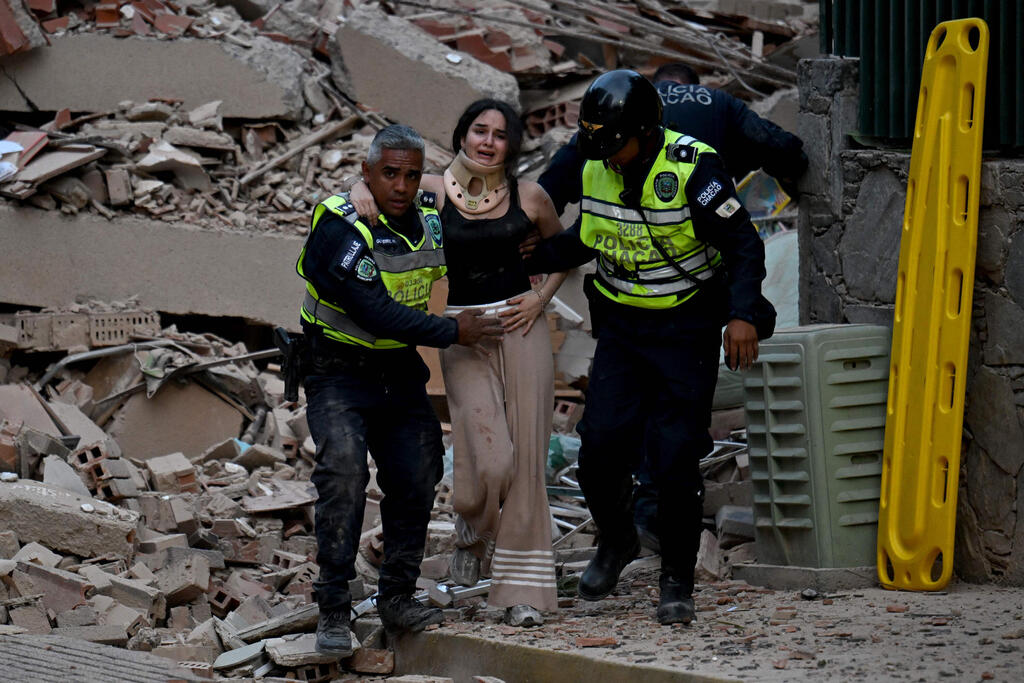
Caracas
(Photo: Juan BARRETO / AFP)
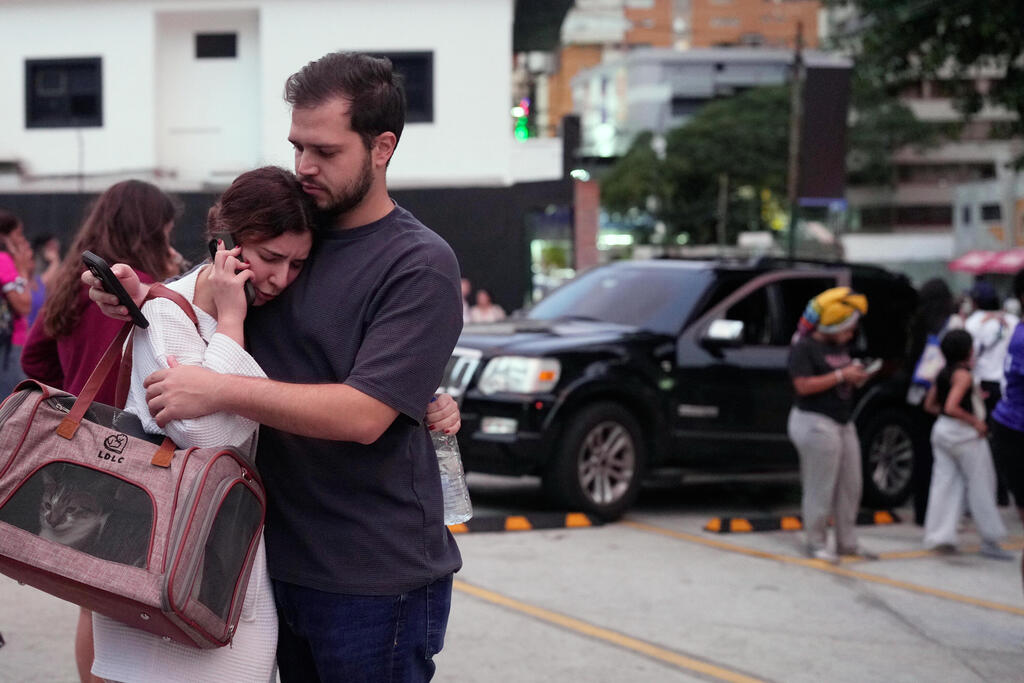
Caracas
(Photo: AP Photo/Ariana Cubillos)
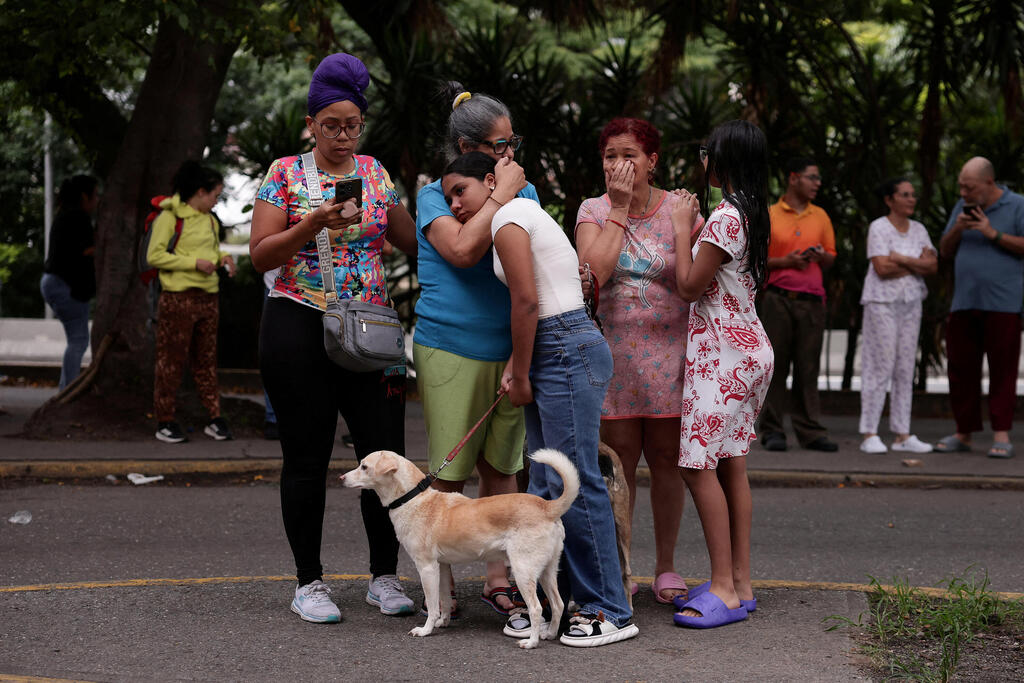
Caracas
(Photo: REUTERS/Gaby Oraa)
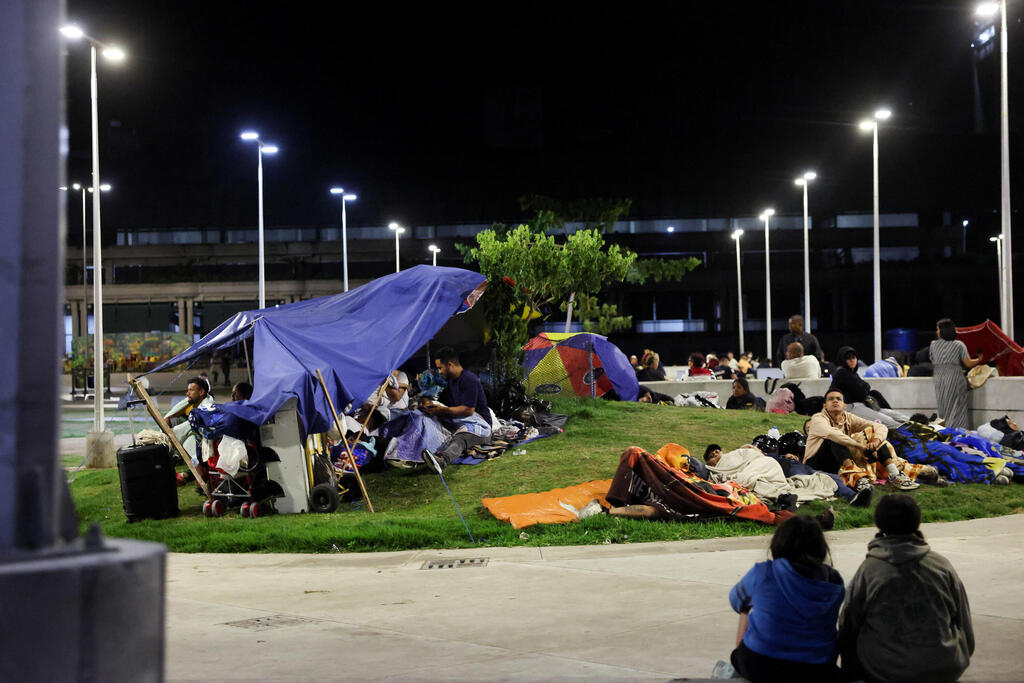
Caracas
(Photo: REUTERS/Leonardo Fernandez Viloria)
Shuchat said she searched "from one synagogue to another" before finding her husband unharmed. "The whole street was full of traumatized people — elderly people, children and barking dogs," she said. "We kept feeling aftershocks throughout the night."
According to local reports, parts of Caracas, particularly western neighborhoods, lost power, and many residents fled into the streets.
Authorities canceled classes nationwide and said schools would serve as temporary shelters for people who lost their homes or as collection centers for relief supplies.
Several countries announced they would send aid to Venezuela, led by the United States, which has maintained friendly relations with interim President Rodríguez's government since Maduro was removed from power.
U.S. Secretary of State Marco Rubio said the United States was dispatching search-and-rescue teams, medical personnel and humanitarian assistance "immediately."
Earlier, U.S. President Donald Trump offered his condolences, saying the earthquakes had left "a devastating number of deaths."
"The U.S.A. stands ready, willing, and able to help!" Trump said. "I have instructed all agencies of our government to get ready to move quickly. We will be there for our new and great friends."
Israel offers to send aid mission
Israel also said it was considering sending aid to Venezuela, despite the absence of diplomatic ties between the countries.
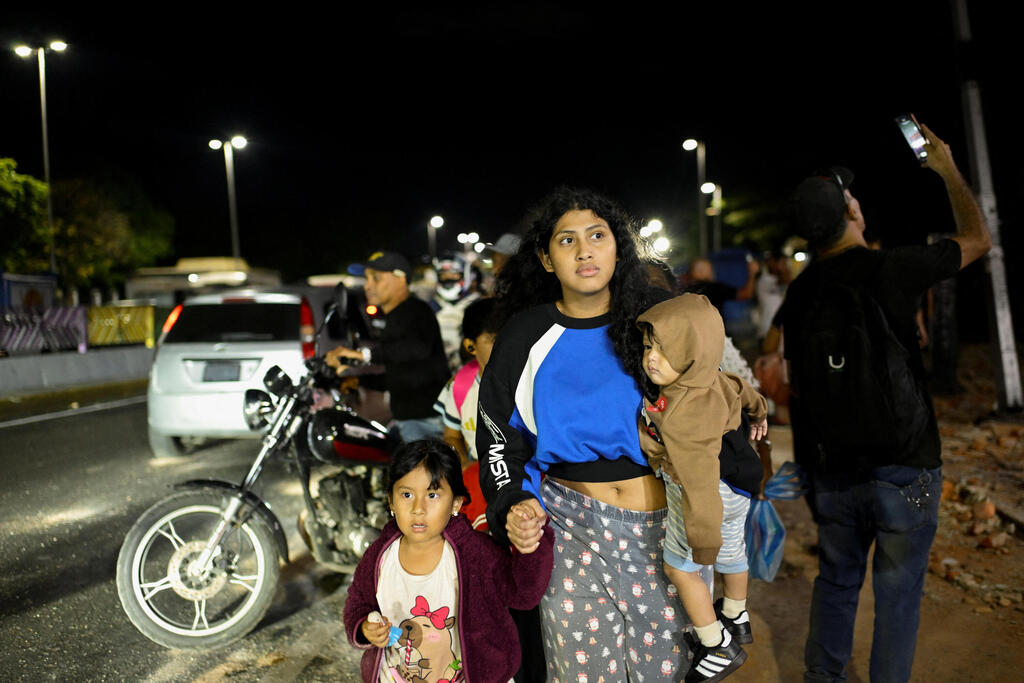
Caracas
(Photo: REUTERS/Maxwell Briceno)
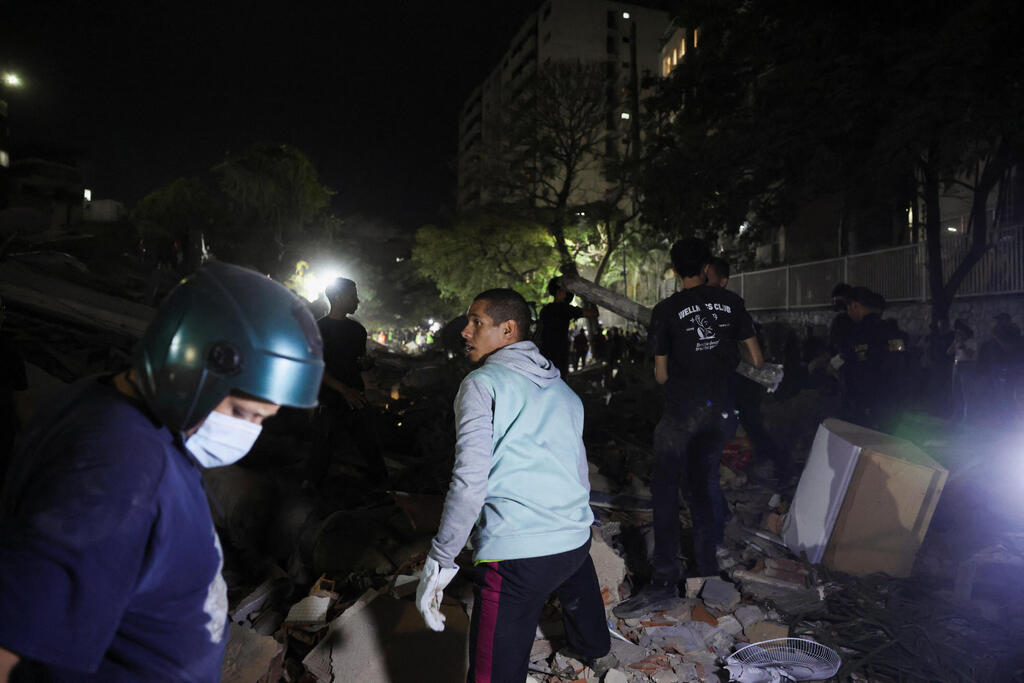
Caracas
(Photo: REUTERS/Leonardo Fernandez Viloria)
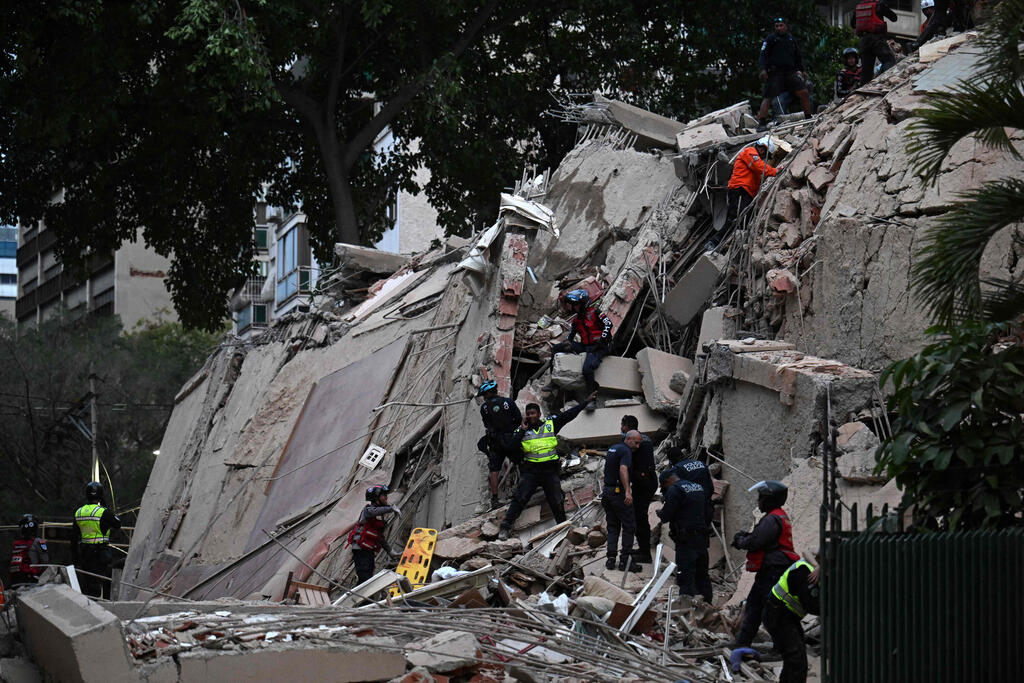
Caracas
(Photo: Juan BARRETO / AFP)
The Foreign Ministry in Jerusalem said it was “holding a situation assessment with the relevant parties in Israel and examining possible forms of assistance.” It was not immediately clear whether such aid was feasible. Any Israeli assistance would likely be coordinated with the United States and would require approval from Venezuela’s government.
Offers of aid also came from Latin American leaders, including some who have strongly opposed the government in Caracas.
El Salvador President Nayib Bukele wrote: “Our hearts are with the people of Venezuela during these difficult times. We send them all our solidarity and our prayers. Stay strong, Venezuela.”
Ecuadorian President Daniel Noboa said he had ordered the immediate dispatch of humanitarian aid. “Ecuador will respond with the speed and commitment that this moment demands because, despite the enormous differences, humanity must always guide the actions of a leader,” Noboa said.
Bolivian President Rodrigo Paz, who declared a state of emergency in his own country over the weekend after weeks of protests against his government, said Bolivia was prepared to assist.
Germany said it was ready to quickly send six military transport planes carrying aid and rescue teams.
Venezuela lies in a seismically active area, along the boundary between the Caribbean and South American tectonic plates, but it is not as accustomed to frequent earthquakes as some other parts of Latin America.
The quake was the country’s strongest in more than 100 years, since a magnitude 7.7 quake in 1900 that killed 21 people. Another destructive quake in 1967, with a magnitude of 6.6, killed about 200 people. The deadliest earthquake in Venezuela’s modern history struck in 1812, killing about 30,000 people in Mérida and Caracas.
The disaster comes at a sensitive political moment for Venezuela, six months after a U.S. operation captured Nicolás Maduro. His successor, Delcy Rodríguez, has since cooperated with Washington, and President Trump has repeatedly said relations with Venezuela have changed dramatically.
The shift has given the United States renewed access to Venezuela’s oil industry and profits from it. Trump and his administration have called in the past for new elections to restore democracy, but so far have not appeared to pressure Rodríguez to hold them. Reports have said Trump preferred working with Maduro’s former vice president rather than exiled opposition leader and Nobel Peace Prize laureate María Corina Machado.
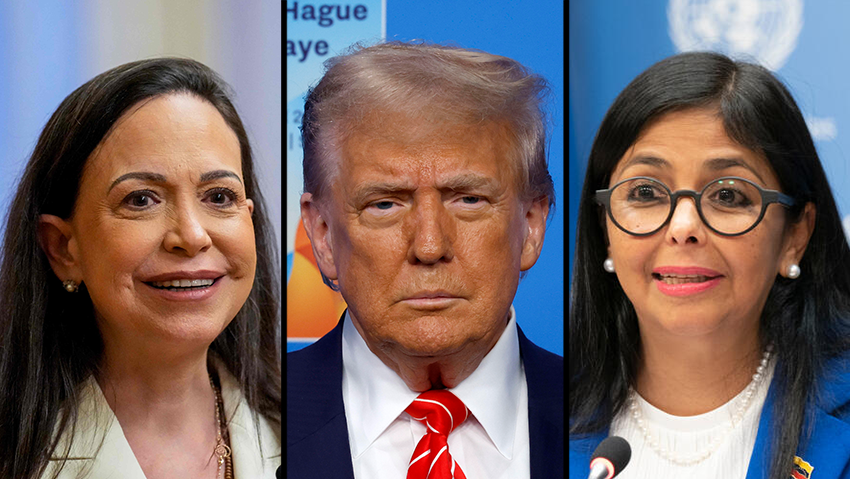
Venezuelan opposition leader María Corina Machado, President Donald Trump, Venezuelan Interim President Delcy Rodríguez
(Photo: Lev Radin/Shutterstock, Ole Berg-Rusten / NTB / AFP, Omar Havana/Getty Images)
Machado called for unity in a post on X. “Today, after these dramatic moments, our people need the support and solidarity of the entire international community more than ever,” she wrote. “The priority is to assist the affected families and save lives.”
She urged supporters to follow her social media channels for guidance on how to direct assistance. “The emergency is critical, the pain is endless. Every hour matters,” she wrote.
During Maduro’s rule, 7.7 million Venezuelans — about 20% of the country’s population — left the country in search of better lives abroad.
The disaster also raised concerns about possible economic effects because Venezuela is a major oil exporter at a time of shortages linked to the war with Iran. For now, major oil production centers, including Maracaibo in northwestern Venezuela, did not appear to have been directly hit, and no casualties were reported there. But prolonged power outages could significantly affect local production.