


Despite the failure so far of a “clan model” in the Gaza Strip, Israel is pressing ahead with plans to try it in Gaza City, Palestinian sources say. In recent weeks, Shin Bet officers approached prominent clan leaders, including members of the Bakar and Dagmash families, seeking to recruit them for a new Israeli initiative that would divide the Strip into areas controlled by local clans or armed groups, the Palestinians said. “Israel will not rest for a moment until it divides Gazan society,” a Gaza source charged.
Sources affiliated with Hamas in Gaza told Saudi newspaper Asharq al-Awsat that under the plan the families would govern areas to which the Strip would be partitioned, provide basic services to residents and act against terror groups, in return for Israeli support.
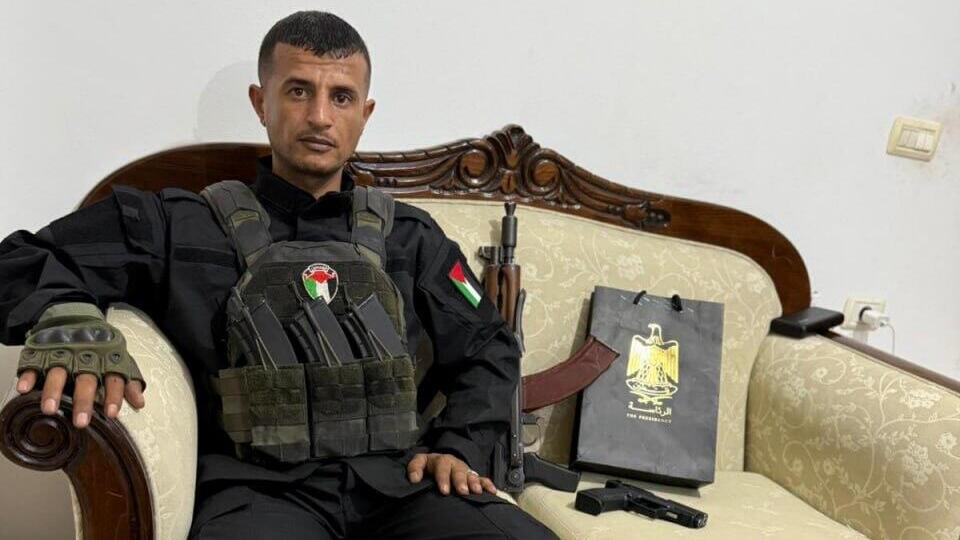
The sources said the initiative was aimed not only at weakening Hamas but at preventing the formation of a united Palestinian government to run the Strip after the war — effectively foreclosing any future Palestinian state.
After the Bakar and Dagmash families rejected the Shin Bet approach, Palestinians reported on Saturday that their homes were struck in air and artillery raids. In the southern Tal al-Sheba neighborhood of Gaza City, the home of the Dagmash family was hit; Palestinian reports said about 30 family members were affected.
That same morning Palestinians said the Bakar family home, south of the Shati refugee camp, was also struck. Reports said six family members were killed and 11 wounded. A second family building was hit later that afternoon and several people were wounded there as well.
A senior Bakar clan leader told Asharq al-Awsat that Israeli intelligence officials asked them to form an armed militia to control the area of Shati camp after it had been “cleansed” of Hamas. He said the family rejected the proposal outright “from a clear national stance unrelated to support for Hamas or any other group.” He added that the family understood “from the first moment that refusal would bring retaliation. We immediately ordered the women and children to leave the area so they would not pay the price.”
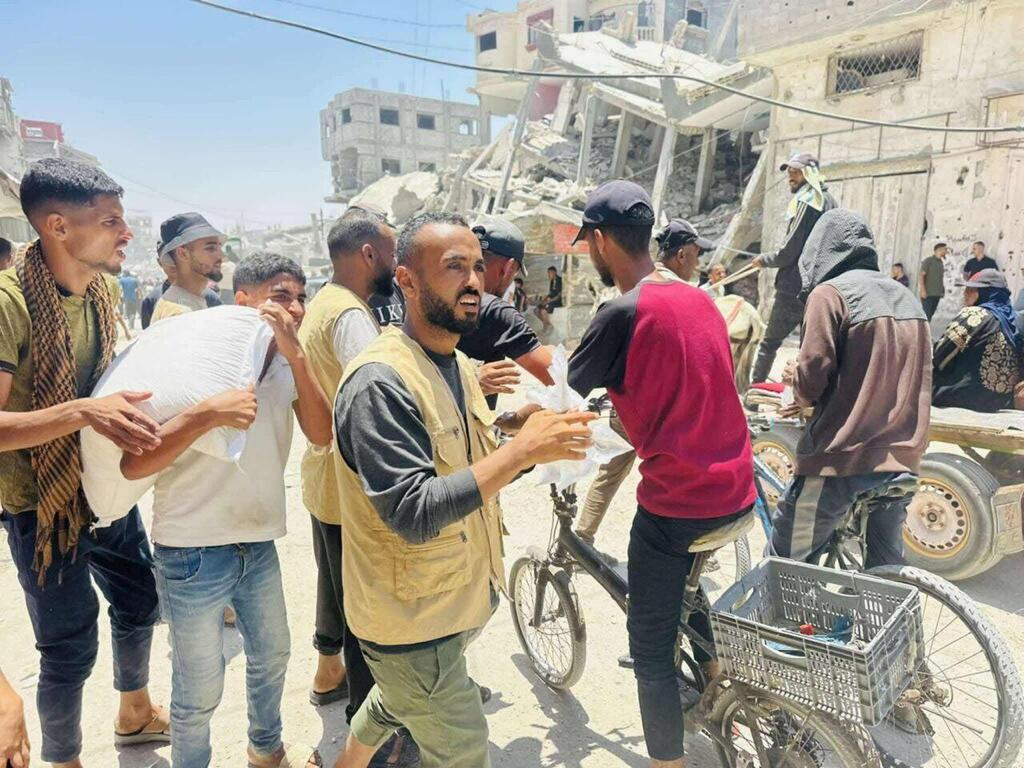
The Qatatua clan secures aid distribution in Khan Younis
The mukhtar of the Dagmash family issued a statement after the alleged Shin Bet approach, saying: “We are one people, our enemy is one, our blood is one. We will not be traitors to our land or our people. If we must choose between betrayal and death — we will choose death. Death is preferable to a shame that will stain the family name forever.”
Media outlets close to Hamas reported Sunday that an operative of the “Abu Shabab militias,” whose activites Israel has tried to emulate in Rafah, was executed by Hamas. Ahmed Jandiyah was recently detained by Hamas after mediation by local mukhtars, the reports said. One of Hamas’ commanders allegedly threatened Jandiyah days before three suspected collaborators were executed in Gaza City last week.
Husayn Abu Ayyadah, a senior clan figure in the Strip, said the militias now operating under Israeli protection are part of an occupation plan to destroy the Palestinian national project. “Those militias are ostracized by their families,” he said.
Yasser Abu Shabab is the leader of an armed militia operating in the southern Gaza Strip against Hamas


Early in the war, Hamas executed the mukhtar of the Dagmash clan in the northern Strip after reports that Israel had been in contact with clan leaders to oversee aid distribution to Gazans. The Dagmash clan is an armed and influential family in the north that holds ammunition and local support. The Bakar family, one of the largest and best-known in the Strip with roots in the Shati camp, is active in fishing.
Local observers say Israel’s strategy, as they perceive it, aims to dismantle Gaza’s social fabric and replace it with localized tribal structures that lean on Israel. Politically, they say, the plan would eliminate the possibility of a unified Palestinian administration in Gaza.
In Israel — which has for two years lacked a clear political objective for the war or a vision for the day after — officials have repeatedly looked to clan leaders for solutions. Those clans are powerful actors that often set the tone on many issues and sometimes effectively control large areas. Despite Prime Minister Benjamin Netanyahu’s calls to explore cooperation with clans, it remains difficult to find families willing to publicly declare support.