


The Pentagon has raised Israel’s counterintelligence threat level to “critical,” the highest possible designation. NBC reported this on Saturday, citing U.S. officials. The decision was made after U.S. intelligence agencies expressed concern that Israel was increasing its surveillance efforts on senior American officials in order to obtain information about internal discussions in the Trump administration regarding diplomatic and military management of the campaign against Iran.
The Israeli Embassy in Washington rejected the report, saying “Israel does not gather intelligence on American entities, let alone U.S. government officials,” and insisted the claims were entirely false. A White House official also denied the details, saying “this entire story is false and sourced to someone who doesn’t have any knowledge of what’s going on.”
Gallery
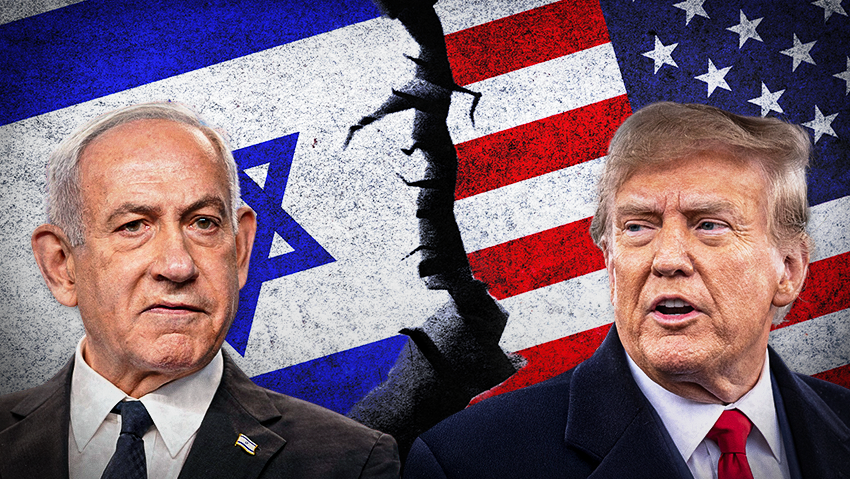
Israel had been pushed aside 'completely' by the Trump administration
(Photo: lev radin/shutterstock, REUTERS/Nathan Howard, KAWANT HAJU/AFP, shutterstock)
Just two weeks ago, Israeli security officials told the New York Times that Israel had been pushed aside “completely” by the Trump administration to the point that its leaders were barely involved in ceasefire talks between the U.S. and Iran. “In the absence of information from their closest allies, the Israelis have had to learn what they can about the contacts between Washington and Tehran through ties with regional leaders and diplomats,” the report said.
The Defense Intelligence Agency, the Pentagon’s military intelligence branch, issued its counterintelligence assessment in recent weeks amid growing tensions between Israel and the United States over the war with Iran, according to the officials speaking to NBC. They said the DIA circulated an internal notice raising Israel’s threat level to “critical.”
The officials said the new designation was made due to concerns within the Pentagon that Israel is making significant efforts to monitor U.S. officials in order to obtain information about internal deliberations and decision making processes in the Trump administration regarding the conflict in the Middle East.
U.S. President Donald Trump on the situation with Iran
(Photo: The White House)


According to one official, the DIA assessment includes a seven-page document stating that Israel’s capacity for human intelligence and technological intelligence collection is at a “critical level.” It also says several specific incidents were identified that increased U.S. concern.
A spokesman for the Israeli Embassy in Washington said, “Israel does not gather intelligence on American entities, let alone U.S. government officials. Israel intelligence collection efforts are aimed at its enemies, not its allies. Any claims to the contrary are either misinformed or politically motivated.” The Pentagon declined to comment
The officials who spoke to the American network said that while it is common for both allies and adversaries to spy on one another, “Israel’s recent efforts went far beyond what is considered normal or expected in the intelligence world.” They added they did not know whether a specific incident triggered the DIA’s decision to raise the threat level.
The immediate implication of the new directive is stricter restrictions and extreme caution measures for U.S. officials and diplomats during visits to Israel or official meetings with Israeli representatives. Sources familiar with the matter said senior U.S. officials arriving in Israel already routinely use disposable phones and clean laptops and avoid sensitive conversations in hotel rooms due to fears of surveillance, but these guidelines are now expected to become significantly stricter.
“The U.S. already takes extra precautions when visiting Israel,” one senior official said. “They’re well-known to aggressively collect.” However, the deep and daily intelligence cooperation between the two countries, especially regarding the war with Iran, is continuing as usual for now and has not been affected.
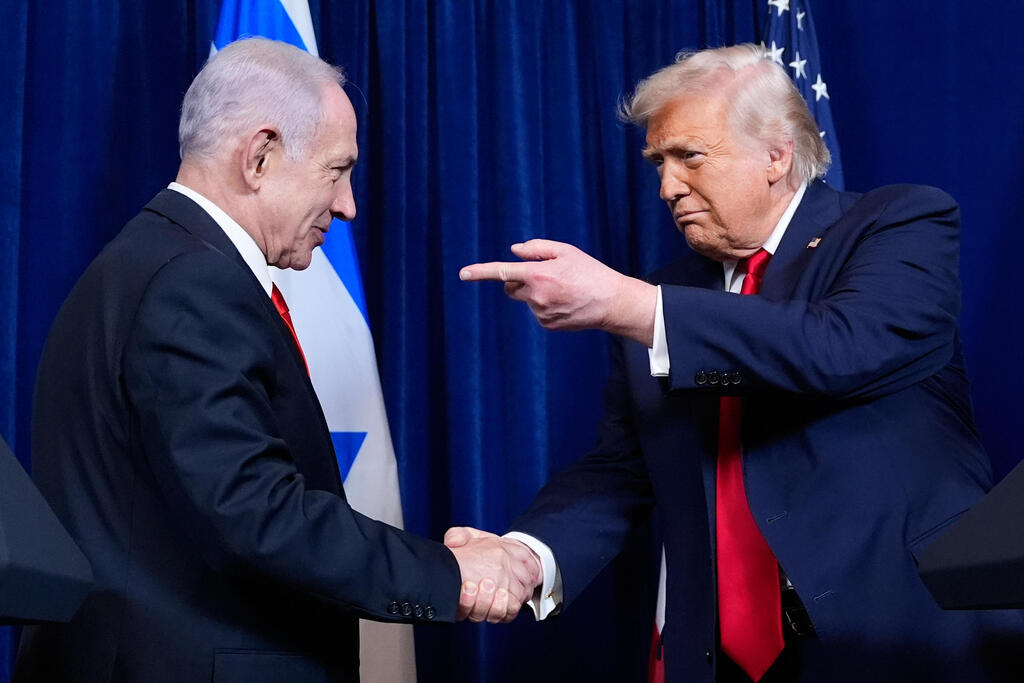
Last week, reports highlighted differences between U.S. President Donald Trump and Prime Minister Benjamin Netanyahu, with Trump reportedly calling him 'fucking crazy'
(Photo: AP Photo/Alex Brandon)
Last week, reports highlighted differences between U.S. President Donald Trump and Prime Minister Benjamin Netanyahu, with Trump reportedly calling him “fucking crazy” in what was described as the “cursing call.” Since the ceasefire took effect on April 7, Trump has been leading an effort to reach a diplomatic agreement with Iran that would end the war. Netanyahu, meanwhile, has expressed public and private skepticism about Tehran’s willingness to comply and is pressing the U.S. administration to resume strikes on Iran.
U.S. security officials believe Israel’s uncertainty about Trump’s next move, whether he will return to full-scale military action or pursue a deal at any cost, is driving its persistent efforts to gather intelligence on the administration’s true intentions.
The history of intelligence relations between the two countries has seen major crises in the past, the most severe being the Jonathan Pollard affair, in which he was arrested in the 1980s and spent 30 years in U.S. prison after passing classified documents to Israel. Security experts in Washington said Israel maintains “hyper-aggressive” intelligence services and that despite the strategic partnership, the interests of the two countries do not always align.
At the same time, the United States has also engaged in extensive surveillance, as revealed in Edward Snowden’s 2013 leaks, which showed that Americans had tapped the mobile phones of European leaders, including former German Chancellor Angela Merkel. Former U.S. officials warned that the current suspicions, at such a sensitive moment in which the Middle East is on a knife’s edge, could dangerously erode mutual trust and deepen the rift between Washington and Jerusalem.