

Dozens of sirens, exploding drones and growing anger at what residents call the IDF’s careful, sanitized language. While most Israelis have returned to routine after months of war, communities along Israel’s northern border say they are living under a different reality: repeated Hezbollah drone attacks from Lebanon, frequent alerts and a sense that the rest of the country has learned to look away.
The threat has continued even under the fragile ceasefire between Israel and Hezbollah. For residents who returned home after more than a year of evacuation following the October 7 Hamas attack and the outbreak of war on the northern front, the return has not brought real security.
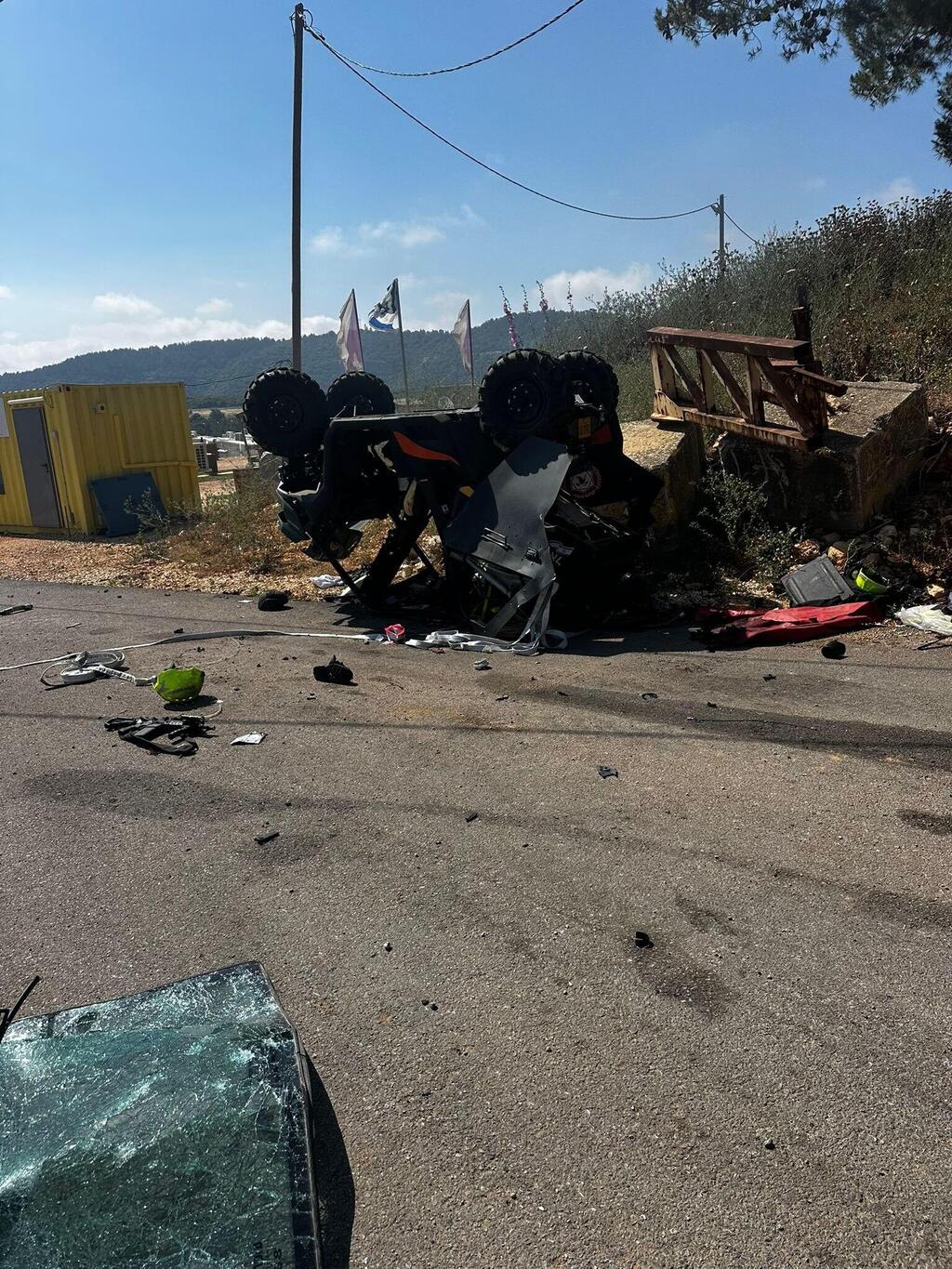
On Wednesday, a Hezbollah drone struck a vehicle carrying members of a local emergency squad who had been called to help extinguish a fire after another drone exploded. Sgt. Rotem Yanai, a Givati Brigade conditions-of-service noncommissioned officer, was killed in the incident. Two reservists were moderately and seriously wounded; the helmets they were wearing saved their lives.
Moran Dadush, a resident of Moshav Goren in the Western Galilee and one of the leaders of Lobby 1701, a northern residents’ group named after UN Security Council Resolution 1701, refuses to get used to what he calls the “laundered language” of official IDF and Home Front Command statements. Those statements often say a Hezbollah drone or UAV “fell near the border with Lebanon” or that “contact was lost” with an aircraft. Speaking to ynet, Dadush says many residents feel such wording blurs the scope and danger of the attacks.
When a UAV explodes in his region, about two hours by car from Tel Aviv, he knows life elsewhere in Israel is continuing almost normally. Most Israelis, he says, have returned to beaches, schools and workplaces, while the north is left facing what he calls “total abandonment.”
“The army’s attempt to normalize this and say Hezbollah UAVs hit, for example, a ‘military area’ or ‘near the Lebanese border’ is not true,” Dadush told ynet. “Shomera is Israeli territory, and the border communities are still inside Israel. They returned to our territory after the prolonged evacuation, when they were abandoned here by IDF order for more than a year and a half. This is the way all the systems whose job is to give us security normalize and blur reality.”
With visible pain, he adds: “We feel here as if we have no mother and no father. We have become invisible. Everyone is living their lives, wanting to go back to the beaches and school and work and to live in an imaginary quiet, but it cannot be that we live in this reality and everyone looks away from us. Why does no one care even a little when a drone hits a children’s bus stop in Shomera, compared with if that same drone had, God forbid, hit a children’s bus stop in Tel Aviv? Are our children a different kind of people? Is this the state’s way of making them develop ‘resilience’? Is this the life waiting for them here?”
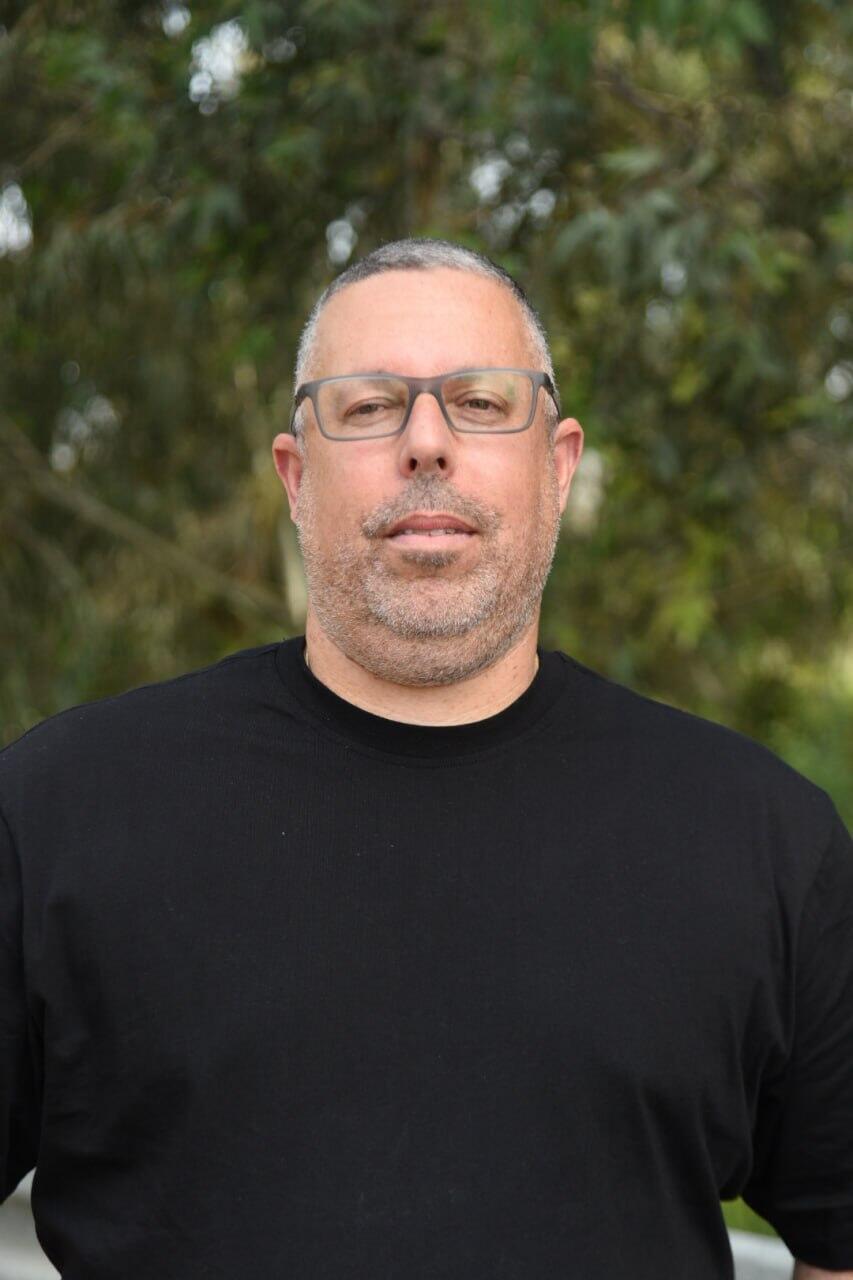
Moran Dadush
(Photo: Avihu Shapria)
Dadush’s anger is widely shared across northern Israel. Residents say official attempts to describe the incidents as local border events have deepened the disconnect between the front-line communities and central Israel, where public attention has largely shifted elsewhere.
In Shlomi, a town of about 9,000 residents near the Lebanese border, the economic and social picture has changed sharply since residents returned from evacuation. The town had once pointed proudly to the fact that nearly all residents who left after October 2023 had come back. Now, residents say that confidence is beginning to crack.
“We have more than 15 businesses owned by residents who were evacuated and opened them in 2025,” says Shlomi resident Matan Davidian. “They believed in security and in the future here and opened businesses, and now they are on the verge of collapse. We returned home with 100% of the residents, and today close to 20% of the homes here are up for sale.”
Davidian says “the feeling is that Hezbollah’s attacks on this area are treated as ‘fire toward the northern border,’ or as the IDF writes, ‘fell near the Lebanese border.’ That is a way of distancing the meaning of this war from the rest of the country, and no one is interested. When Israel is fired on, that should set off a red light for every resident, not only those on the line of confrontation. I know that once residents in the center wake up, the Israeli government will wake up too.
“In the government’s eyes, we are a handful and not important enough. We are getting UAVs and drones nonstop and everyone keeps watching ‘Big Brother’ as if nothing is happening. We feel like air. There is an entire region here taking hits from morning to night, children who are not going to school or day care and people who have been fired because they cannot leave their terrified children home alone.”
Davidian believes noisy protests or burning tires by northern residents will no longer bring the attention they need. Nor is he impressed by politicians who visit the area, pose near the border fence, speak about government failures and then praise residents for their strength.
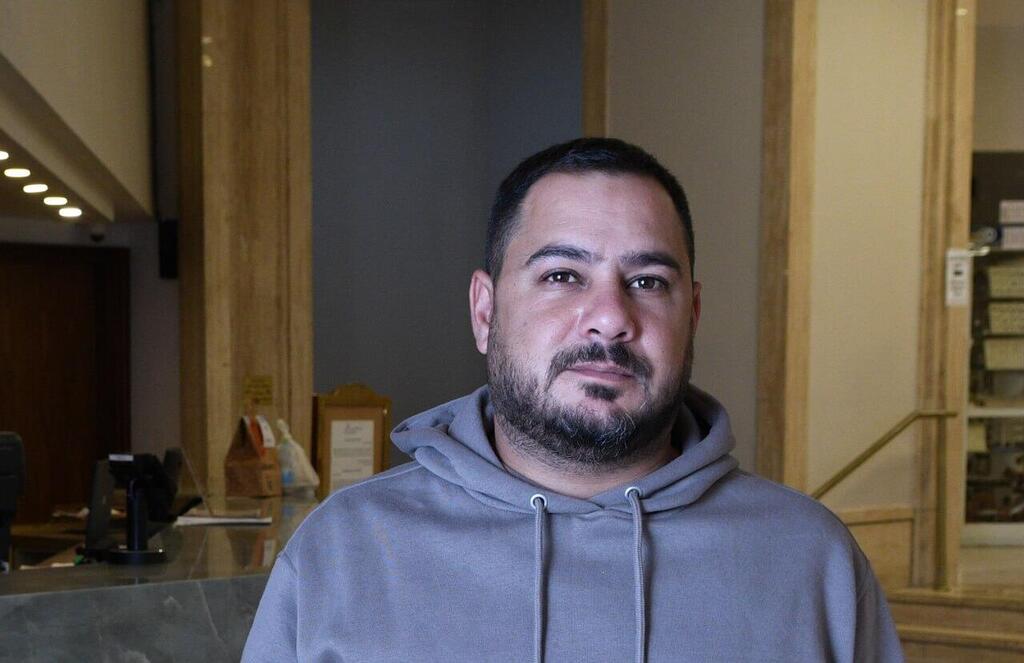
Matan Davidian
(Photo: Rafi Kutz)
“Resilience is a prehistoric word. It no longer exists here. Saying about us that we are strong and heroic and have resilience — that is over for us. Stop saying it about us. No one is strong here. The spirit is broken.
“The lack of trust between the resident and the IDF and the Israeli government is not something I know can be repaired with words and a hug in a TikTok video. We are not interested in right and left, who is rising and who is falling, or elections. We are dealing with life itself. Politicians come here to be photographed, but then they leave, and they certainly have no solutions for what they would do differently.”
Against what residents describe as institutional indifference, calls for solidarity are also coming from Israelis who experienced the October 7 massacre in the south. Menachem Kalmanson, an Israel Prize laureate who entered Kibbutz Be’eri during the Hamas attack on October 7 together with his late brother Elhanan and their nephew Itiel Zohar, helping rescue dozens of residents, says Israelis must not accept the north’s reality as normal.
Kalmanson, who lost his brother in the fighting at Be’eri, published a Facebook post this week about the situation in the north, alongside a list of northern businesses collected by Tel Aviv social activist and influencer Maayan Rabinovich.
He criticized the treatment of attacks on northern Israel as a tolerable routine.
“This ‘as usual’ was a disgrace that lasted more than 20 years in the south. Years in which the State of Israel got used to an inconceivable reality. Years in which we argued over trifles, over the Milky protest and endless fights, while our brothers lived under continuous fire — and we must not return to this frightening ‘as usual.’ Not in the north and not in the south. Not in Sderot and not in Kiryat Shmona. Not anywhere in the State of Israel,” Kalmanson wrote.
He added: “This pace is killing the north. It is wearing down business owners, emptying communities and creating an absurd reality in which people are not even entitled to compensation because on paper this is ‘routine.’ This is not routine. This is slow national erosion. And we must not get used to it again. First of all, we do not stay silent. We make our voices heard, so that those who knew how to declare that they would fight in Gaza even with their fingernails, and have not finished there, will know how to stand firm on this now. Second, and this is here and now, buy from the north and strengthen the businesses.”
Speaking to ynet, Kalmanson sharpened his demand of Israeli society and decision-makers.
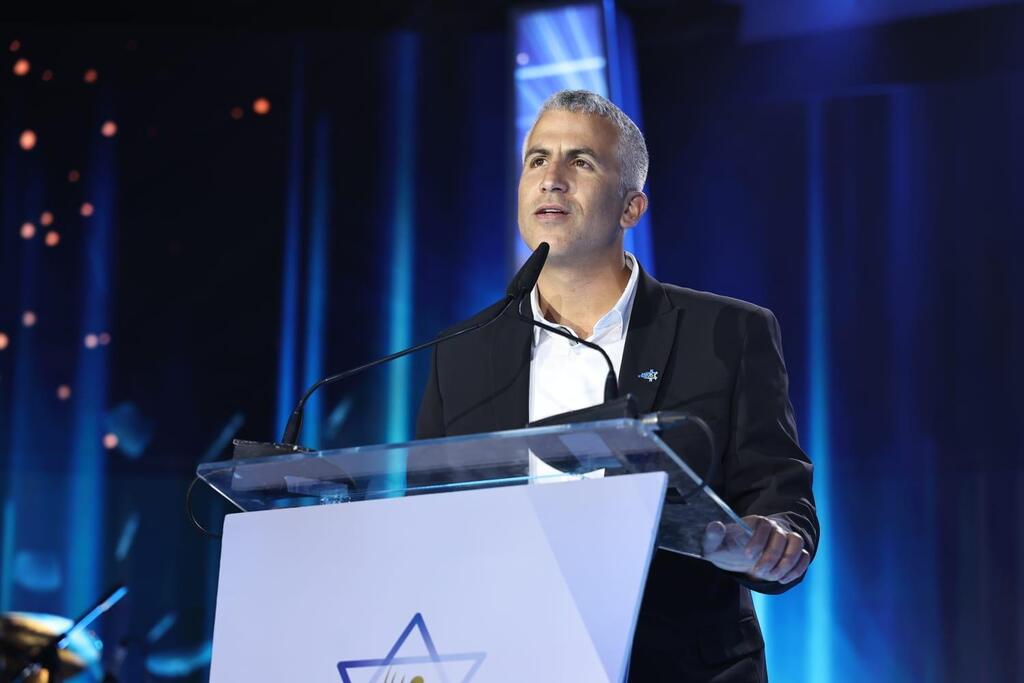
Menachem Kalmanson
(Photo: GPO)
“What a citizen in the center is entitled to, a resident in the north is also entitled to. That should be so obvious. We know in how many areas this is not the case, from the economy to health care, but security is a red line. What we learned in recent decades is that when you think it is limited to the West Bank or Gaza, the enemy knows how to expand the threat, and it is absolutely not only their problem. People who knew how to take to the streets for the hostages must also go out for tens of thousands under fire.”
Kalmanson also argues that there is room to increase military pressure. “The IDF can act faster, and we see that it knows how to apply pressure, so why did you wait two months? We have decision-makers who for years chose procrastination, and they are counting on the public’s patience. We can demand things from them. Our role is to make our voices heard, apply pressure and help economically.”
He adds: “We are a bereaved family four times over. The same embrace we received — we want to give to the residents of the north. The same place that led my brother and me to go south is the same place here. The people of Israel are built on this, that we are there for one another. Whoever thinks this will remain only in the north has learned nothing from the past 30 years.”
Amid the relative media silence and repeated reports of “fire toward the northern border,” independent civilian initiatives are trying to create moments of hope. Shlomi Yisrael, a painter and street artist, decided to gather artists from across the country and travel next month to Kiryat Shmona, a northern city near the Lebanese border that was largely evacuated during the war, to decorate public spaces.
Yisrael knows despair personally. A decade ago, he managed to get off the streets after 14 years living on public benches, in parks and in neighborhood gardens. “I know what despair is and where it leads. It leads to terrible places,” he says of the voices now being heard in the north.
In a post he published in recent days, Yisrael wrote: “I decided to gather male and female painters and go north to Kiryat Shmona to decorate the city a little and show them love and mutual responsibility. Art has the power to change and plant hope in people’s hearts, and in such a dark period we all must increase the light.”
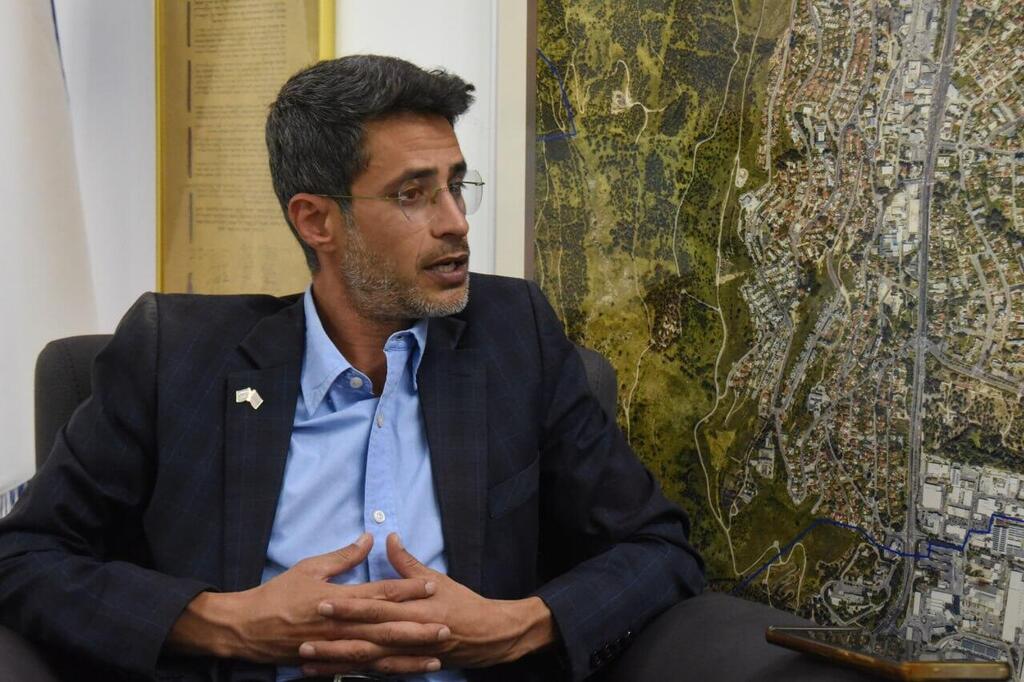
Kiryat Shmona Mayor Avichai Stern
(Photo: Avihu Shapira)
He said Kiryat Shmona Mayor Avichai Stern immediately agreed and allocated sleeping accommodations for the volunteers, while the paint companies Tambour and Nirlat joined in to donate paint.
“We can sit at home and continue with our lives and watch the north slowly collapse and residents leave out of pain and frustration, or we can roll up our sleeves, get up and show our real strength: mutual responsibility. I will go up to decorate Kiryat Shmona even if I am alone, but I have a feeling you will join this colorful act of kindness in your masses, because you, too, are made of love,” he wrote.
Speaking to ynet, he described the immediate response.
“Seventy-two male and female painters contacted me who are ready to go north, for a day or two or up to two weeks, and work from morning and paint on protected structures. My people are bleeding, and how can I and others just move on? How can I sleep at night if I know there is a part of our people sitting at home in anxiety? I am doing this because the meaning of terrorism is to impose fear on a population, and that is exactly what they are doing, and I do not want them to win. A mother who is afraid to send her children to school is terrorism, and a business that does not open is terrorism — not just a drone.”
It turns out these are not the only initiatives. “I am receiving more and more messages from people who want to lend a hand,” he says. “If not with painting, then with transportation and in any way. Every day I experience mutual responsibility. In other people’s reality, they live in a divided nation. I see something completely different and encounter our people.”