

Ali Larijani, secretary of Iran’s Supreme National Security Council who Israel assassinated on Tuesday, has for years been a target not only of Israeli security officials but also of Iranian opposition groups, which have accused him of orchestrating corrupt financial dealings.
One estimate published by Al Arabiya in 2020 put Larijani’s personal wealth at around $70 million, making him one of the wealthier figures within Iran’s ruling clerical elite. More recent estimates from 2026 place his net worth in a lower range of $5 million to $20 million, although opposition sources cite significantly higher figures. In any case, due to the opacity of Iran’s system and the lack of free media and investigative reporting, it is difficult to determine Larijani’s true personal wealth.
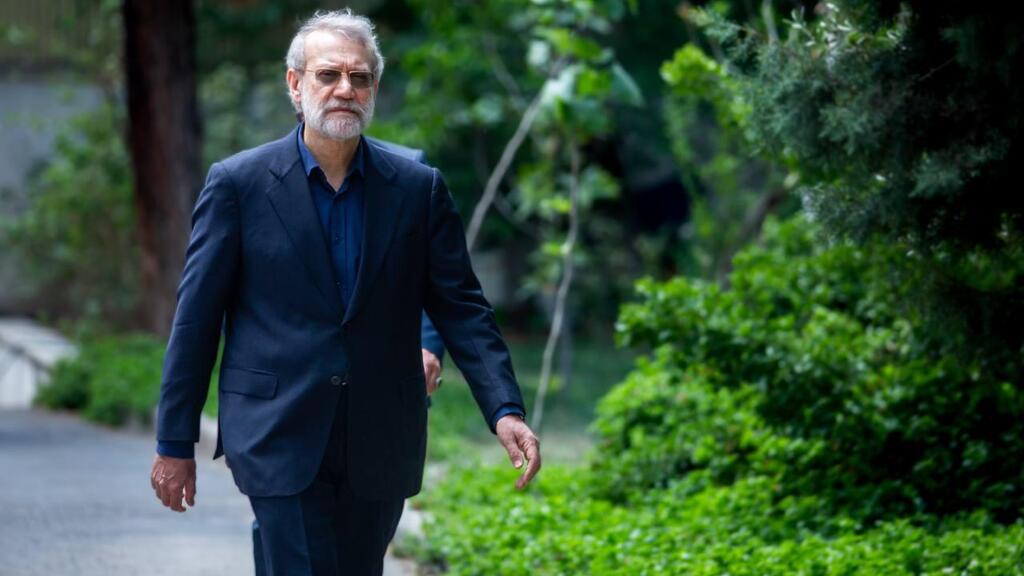
Questions about the source of that wealth have persisted. In the early 2020s, the Larijani brothers were linked to corruption allegations, including land seizures, bribery and the ownership of 63 personal bank accounts holding billions of Iranian rials. These accounts were primarily attributed to his brother Sadiq Larijani, the former head of the judiciary.
Amid internal political rivalries, then-president Mahmoud Ahmadinejad presented a video in the Iranian parliament on February 3, 2013, allegedly tying the heads of both the legislative and judicial branches to a documented financial corruption case involving the Larijani brothers. In response, Ali Larijani used his position in parliament to block investigations into internal corruption and prevent further scrutiny.
A comprehensive report by the human rights website Iran HRM alleged that Larijani was involved in multiple corruption schemes, including embezzlement within the banking system, land takeovers, and money laundering, particularly through the purchase of assets abroad. Among other holdings, Larijani was said to own properties in Dubai and Malaysia, as well as businesses in the Iranian city of Qom.
Did China pay him?
In 2021, Larijani was appointed to lead negotiations on a sweeping 25-year strategic agreement with China worth billions of dollars. This central role fueled further corruption allegations. Various sources have suggested that the deal generated commissions and payments for the family, although these claims were never proven.
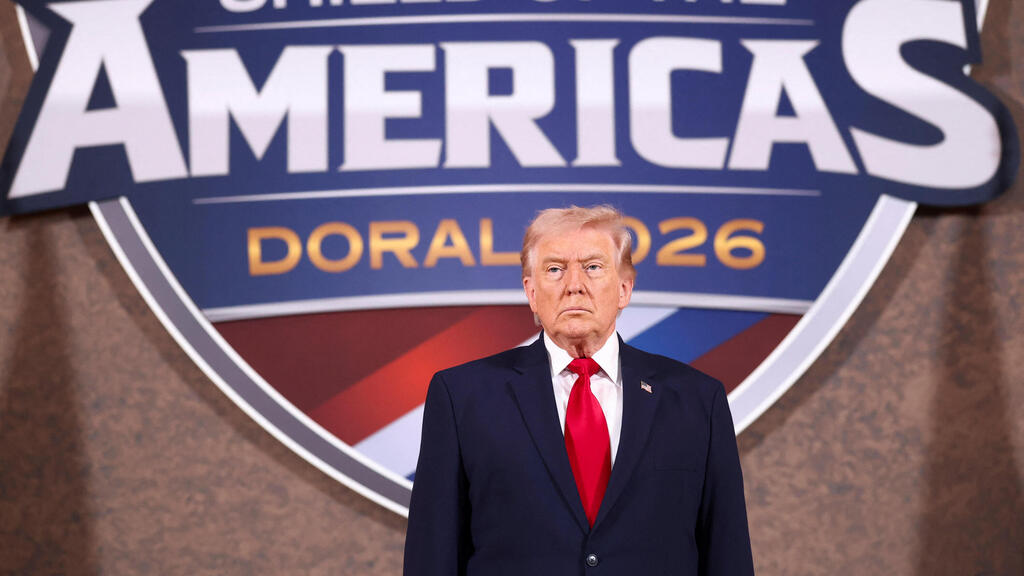
Sanctions on Larijani were part of President Donald Trump’s 'maximum pressure' campaign against Iran
(Photo: Kevin Lamarque/Reuters)
In January 2026, the U.S. Treasury Department imposed sanctions on Larijani, stating that instead of using Iran’s revenues for the benefit of its people, funds were directed toward financing state repression and supporting terrorist organizations abroad. The Treasury noted that Larijani was among the first senior officials to publicly endorse the use of force to suppress protests that spread across Iran in December.
Alongside sanctions on Larijani, measures were also imposed on 18 individuals and entities accused of operating “shadow banking” networks used to launder proceeds from Iranian oil and petrochemical sales. The sanctions were issued under a presidential order authorizing action against those linked to serious human rights violations by the Iranian government.
These measures were part of President Donald Trump’s “maximum pressure” campaign against Iran, initiated even before the outbreak of the current war. Since the start of his second term, the Treasury Department has imposed dozens of sanctions targeting Iran’s oil revenues in an effort to curb what Washington views as Tehran’s primary source of funding.
First published: 11:00, 03.18.26