

U.S. President Donald Trump said Thursday that the United States intends to play a role in choosing Iran’s next leader following the assassination of Supreme Leader Ali Khamenei, signaling an extraordinary level of U.S. involvement in the political future of a longtime adversary.
“We want to be involved in the process of choosing the person who is going to lead Iran into the future,” Trump said in a phone interview with Reuters, comparing the situation to what he described as U.S. influence over leadership developments in Venezuela after the capture of former president Nicolás Maduro by U.S. special operators last month.
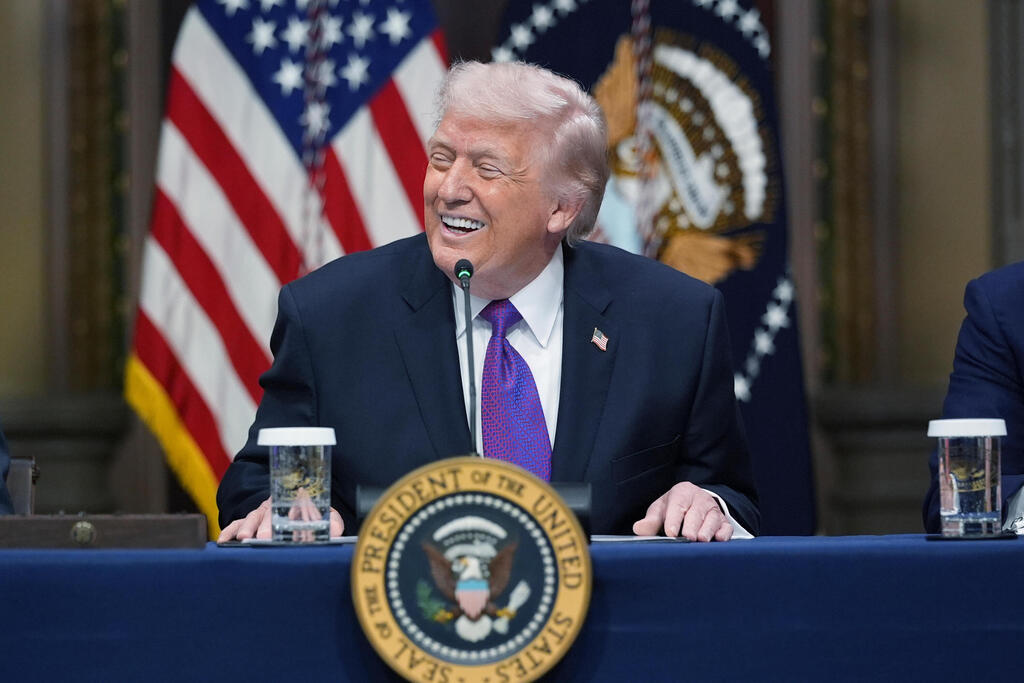
Trump said it was still “very early” in the process of selecting a successor to Khamenei but suggested that Mojtaba Khamenei, the slain leader’s son who is widely regarded as his potential successor, was unlikely to be acceptable to Washington. “Khamenei’s son is unacceptable to me,” Trump said, adding that the United States wants someone who would bring “harmony and peace to Iran.”
Khamenei, who ruled Iran for more than three decades, was killed Feb. 28 in a series of Israeli airstrikes in Tehran that were part of a broader U.S.-backed campaign against Iran’s leadership during the ongoing regional war. The strikes targeted senior officials and key power centers in what Israeli officials described as a “decapitation” operation aimed at crippling Iran’s command structure.
Following his death, Iran established a temporary leadership council — including President Masoud Pezeshkian, the judiciary chief and a senior cleric — to run the country until a new supreme leader is chosen under the country’s constitution. The decision ultimately rests with the powerful Assembly of Experts, a clerical body tasked with selecting and overseeing the supreme leader.
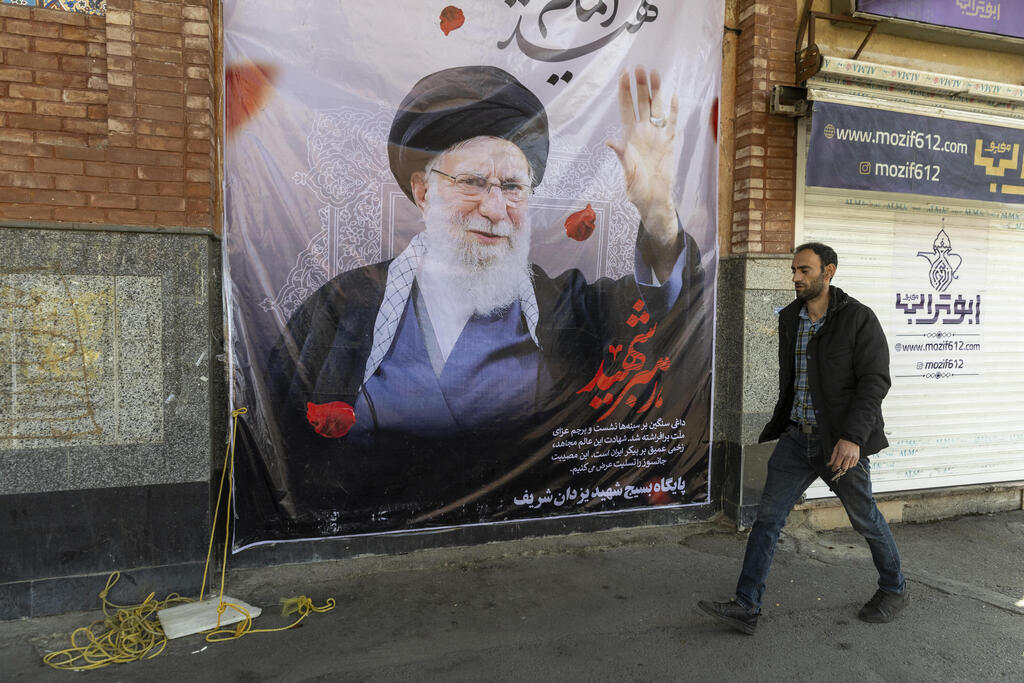
A banner with the picture of slain Iranian supreme leader Ali Khamenei hanging in Tehran
(Photo: Majid Saeedi/Getty Images)
Israeli strikes during the opening days of the war also targeted several sites linked to Iran’s leadership structure, including locations connected to the Assembly of Experts, the body expected to choose Khamenei’s successor, according to regional reports.
Among the names discussed as a potential successor is Khamenei's son, Mojtaba, a mid-ranking cleric with strong ties to the Islamic Revolutionary Guard Corps and long rumored to wield significant influence behind the scenes.
Trump’s comments come as the U.S.-led military campaign against Iran continues. In the interview, he said operations were “moving along ahead of schedule,” though he declined to provide a timeline for their completion.
He also said the United States had “tremendous amounts of ammunition” and that the defense industry was increasing production but that he did not see a need to invoke the Defense Production Act to accelerate manufacturing.
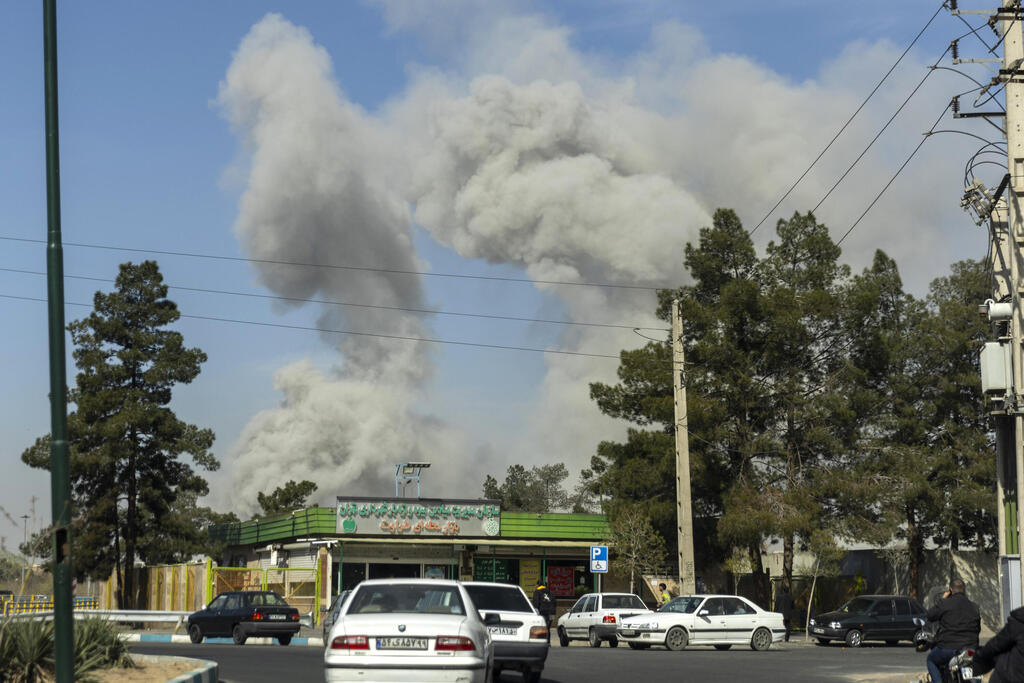
Airstrikes across Tehran this week
(Photo: Majid Saeedi/Getty Images)
Trump said he supported Kurdish groups launching an offensive into Iran if they chose to do so, saying, “I think it’s wonderful if they want to do that.”
He added that he expects global energy markets to remain stable despite the conflict, noting that gasoline prices had not risen significantly so far and that the strategic Strait of Hormuz would remain open to shipping.
Trump also said he had not personally approved a $200 million U.S. border security advertising campaign featuring Homeland Security Secretary Kristi Noem.