

While the defense establishment is still waiting for the implementation of agreements reached more than a month ago with the National Security Council and Prime Minister Benjamin Netanyahu to immediately transfer 15 billion shekels ($4.1 billion) to its budget, as well as an additional 25 billion shekels ($6.9 billion) by the end of the year, inter-ministerial tensions continue to escalate, further straining the already fraught relationship between the Defense and Finance ministries.
At a meeting Netanyahu held Thursday evening with senior officials from both ministries, he demanded expanding by about 50 billion shekels ($13.7 billion) the planned "buildup package" to be added to the base defense budget over the coming decade, raising it from about 350 billion shekels ($96 billion) over 10 years to about 400 billion shekels ($110 billion), while extending the period over which it would be spread to more than 10 years.
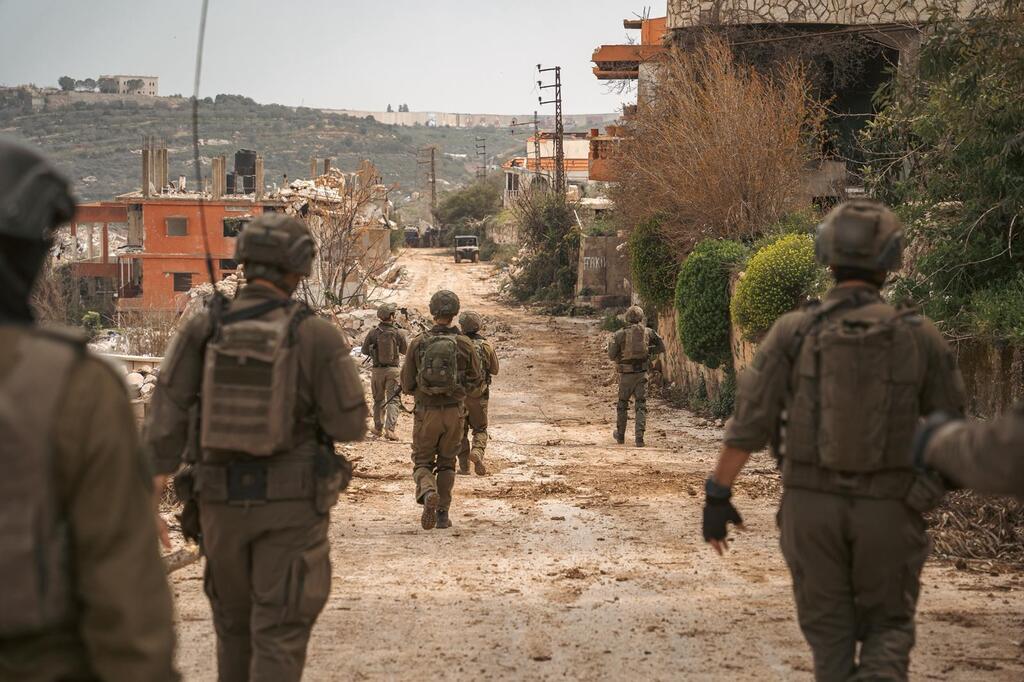
Sources close to the Finance Ministry view the emerging move as the prime minister giving in to repeated budgetary demands from the Defense Ministry, which they say remain insatiable even as its budget could reach 183 billion shekels ($50 billion) by the end of the year. Defense officials, meanwhile, argue that the new addition is intended to fund expenses unrelated to its planned operations.
Defense officials also said the additional funding includes about 7 billion shekels ($1.9 billion) for protecting northern communities, about 12 billion shekels ($3.3 billion) for the Foreign Ministry to strengthen Israeli public diplomacy around the world and tens of billions of shekels that would be used to purchase weapons from the United States. The funds would serve as a safeguard in case the next U.S. security assistance agreement with Israel does not include annual transfers of billions of dollars, as has been the case in assistance agreements over recent decades. The current aid agreement, under which Washington provides Israel with about $3.8 billion annually, expires at the end of 2028.
Sources close to the Finance Ministry claimed that the proposed increase to the buildup package reflects warnings raised in recent months that the defense establishment is pushing to expand its budgets in a way that would severely harm the basic services provided to Israeli citizens in coming years, without any significant efficiency measures or responsible financial management by the IDF and Defense Ministry.
While in recent weeks figures amounting to tens of billions of shekels for defense have been discussed, defense officials clarified in recent days that the ministry has yet to receive even a single shekel. They are still waiting for the 15 billion shekels ($4.1 billion) drawn from Finance Ministry reserves, intended to fund urgent orders for weapons production in Israel’s defense industries and cover part of the ministry’s debt to those companies, which has surged to an unprecedented level of more than 15 billion shekels ($4.1 billion).
In addition, more than a month ago the National Security Council and Netanyahu instructed the Finance Ministry to grant the Defense Ministry authorization to commit to future defense procurement worth about 130 billion shekels ($35.6 billion), based on the planned multiyear addition of 350 billion shekels ($96 billion) starting in 2027. That authorization has not yet been granted due to the Finance Ministry’s need to amend the fiscal framework and obtain Knesset approval.
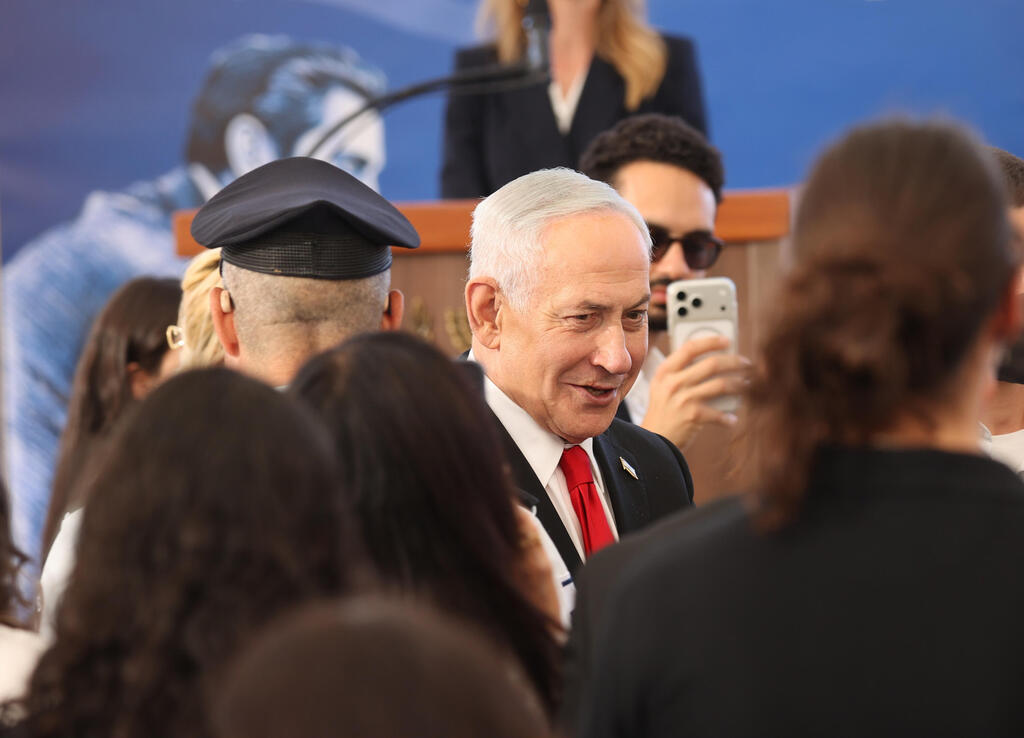
Netanyahu made the decision on the 350 billion shekels ($96 billion) budget increase himself
(Photo: Alex Kolomoisky)
The prime minister’s instruction to increase the addition by another 50 billion shekels ($13.7 billion) could further complicate the defense establishment’s budgetary outlook and the already tense relations between the Finance and Defense ministries, which are characterized by mutual suspicion and accusations.
At the same time, the feasibility of increasing defense spending in the coming years remains unclear, amid the approaching Knesset elections scheduled for October 27. Netanyahu made the decision on the 350 billion shekels ($96 billion) budget increase himself, and it remains unclear what preparatory work preceded the decision. He is now seeking to expand the addition by another 50 billion shekels ($13.7 billion). Such an increase could lead to tax hikes, economic officials fear.
In recent weeks, Finance Minister Bezalel Smotrich addressed the growing budgetary tensions with the Defense Ministry, saying in an interview with the "he Bull and the Bear" podcast that taxes should not be raised.
"There were attempts to agree on a decade-long budget, at a scale of 350 billion shekels ($96 billion), including 250 billion shekels ($69 billion) from the state budget," he said. "(Another 100 billion shekels ($27.5 billion) was supposed to come from internal IDF efficiency measures, expanded defense exports and a future public offering of state-owned defense industries.) I stopped it because it is not right during an election period and not during wartime."
He added: "I have a hard time with the Defense Ministry. It has been accustomed for years to operating this way in its contracting practices with defense industries, and I keep telling them that a small slice of a large cake is better than a large slice of a small cake."
Regarding the defense establishment’s conduct, he said: "It reminds me of a child who sees his father putting a card into a wall, receiving money and thinking it is free."