

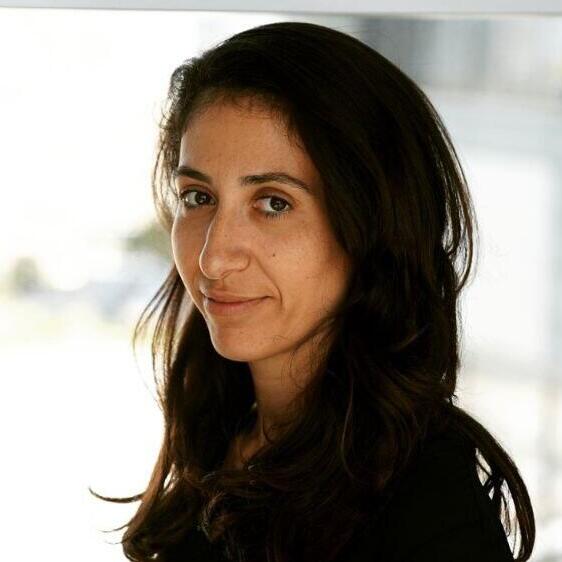
Israeli researcher Elizabeth Tsurkov returned to Israel on Wednesday after nearly two and a half years in captivity in Iraq, with much mystery still surrounding the circumstances of her release – as well as what was given in exchange.
Saudi newspaper Asharq Al-Awsat revealed on Friday further details about the conditions of her release and her final days in the hands of the powerful pro-Iranian militia Kataib Hezbollah.
Gallery
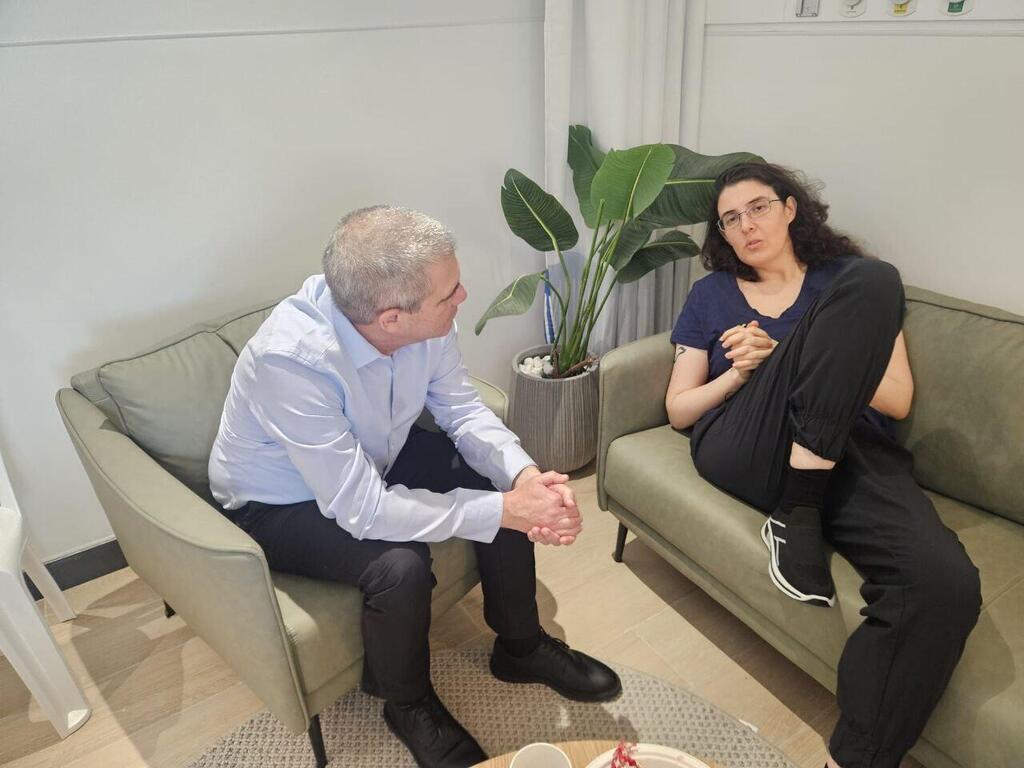
Elizabeth Tsurkov (right) and government coordinator for hostages and missing people Gal Hirsch
According to Asharq Al-Awsat, Kataib Hezbollah reached the realization in the first week of September that it had to release Tsurkov, even if it meant a deal that would be seen as a loss from its perspective.
Sources told the newspaper that Iraq launched what was described as a “security campaign” against the kidnappers, alongside messages from the United States regarding the “consequences of continuing the abduction” — leading the militia to feel it had exhausted its options for holding Tsurkov any longer, and thus decided to hand her over.
The sources added that the arrangements for her release were complex, involving communications between security officials and militia representatives, as well as her transfer between two locations.
Armed militia sources told the newspaper that Kataib Hezbollah was forced to hand her over after negotiations and a “political siege” that had escalated since August, due to pressure from both the Iraqi government and Washington.
A source within Kataib Hezbollah told the paper that the militia made a “concession for the sake of public security,” in order to avoid embarrassing the Iraqi government and instead to support it. A spokesperson for the U.S. State Department told the paper that her release came after cooperation with Iraqi Prime Minister Mohammed Shia’ al-Sudani.
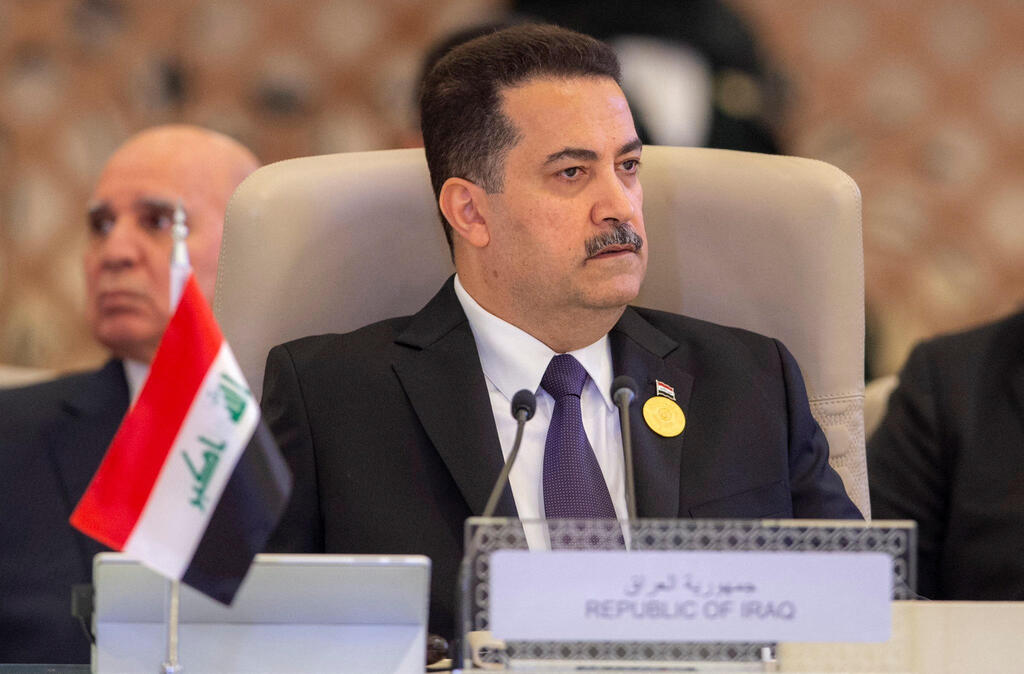
Iraqi Prime Minister Mohammed Shia’ al-Sudani
(Photo: Reuters)
In the first hours following her release and transfer to the U.S. Embassy in Iraq, sources close to Kataib Hezbollah circulated rumors that the deal included a commitment to a full American withdrawal from the country in order to spare Iraq from entering a new conflict.
On Thursday, Iran’s Tasnim News Agency reported that Tsurkov was freed in exchange for two members of the so-called “Resistance,” one from Iraq and one from Lebanon, one of them being Lebanese national Imad Amhaz, a naval commander and Hezbollah operative captured by Israel in a daring commando operation in northern Lebanon last year.
However, political sources told Asharq Al-Awsat that Lebanon had received no notice of any of its citizens returning, and a commander of an Iraqi militia told the paper that Tsurkov was handed over without any exchange.
A politician active in the “Coordination Framework” — the coalition that leads Iraq’s government and includes groups from the Iran-led so-called "Axis of Resistance" — said that Tsurkov’s release signaled “the beginning of an unprecedented split” within a coalition of militias that had previously acted together under the guidance of Iran's Islamic Revolutionary Guards Corps.
'It took her time to realize she was no longer in the kidnappers’ hands'
Tsurkov, 38, was abducted in Baghdad on March 26, 2023, during a visit for her academic research. She also holds Russian citizenship and had been living in the United States before her abduction while pursuing her PhD at Princeton University. Her visit to Iraq was not her first, and she apparently entered the country using her Russian passport.
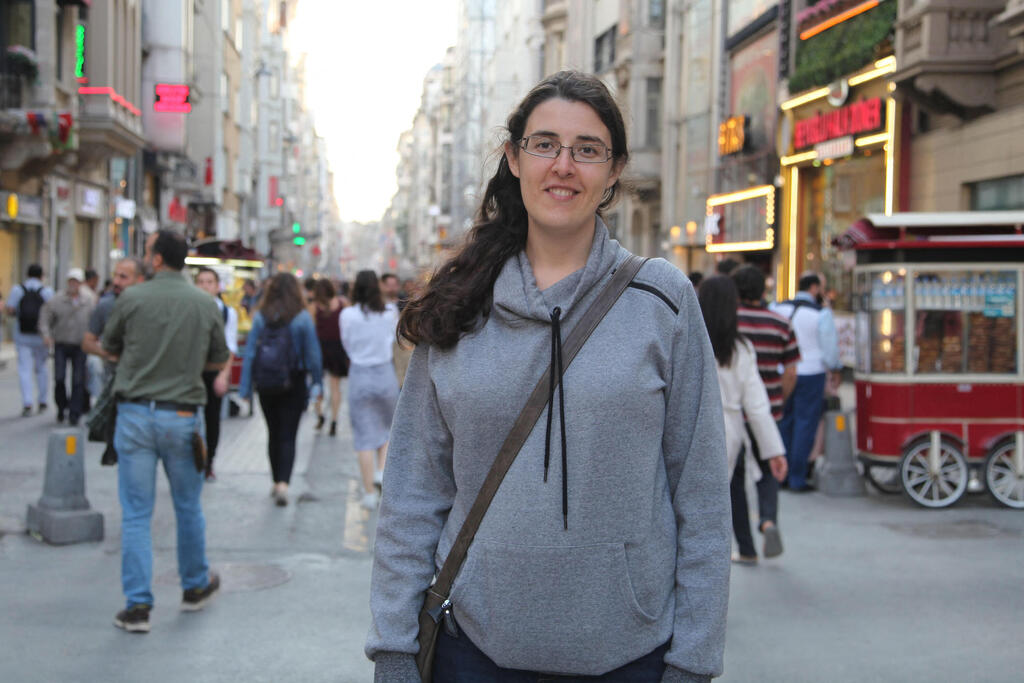
Elizabeth Tsurkov
(Photo: AFP PHOTO / Ahmad Mohamad)
The Saudi newspaper noted that there are conflicting reports regarding Tsurkov’s final hours in Baghdad, but according to sources, she was left alone in a rented house for four hours before the government force tasked with transferring her to the U.S. Embassy arrived.
According to the sources, on the day of her release, the kidnappers moved her to a house in the al-Jadriya neighborhood in central Baghdad, near the Central Bank of Iraq's new building. The report added that the upscale neighborhood, located by the Tigris River, is home to luxury villas and commercial complexes, and is the preferred residence of many leaders of Shiite parties and militias.
According to the sources, the house in question belonged to a former politician, who rented it to the leader of an armed militia for “special missions and meetings with officials.” The newspaper reported that the gunmen left the house, abandoned Tsurkov inside and then informed security officials of her location. She was later found alone in the house.
The paper reported that Tsurkov was moved between different locations during her time in captivity, and that U.S. forces identified her whereabouts twice but were unable to reach her. A senior government official also noted that “security operations were carried out at different intervals during her abduction, based on intelligence information, in attempts to free her, but none succeeded.”
The report also mentioned a surgery she had undergone before arriving in Iraq and the deterioration of her health in captivity. Tsurkov is limping, has difficulty sitting and suffers from severe back pain.
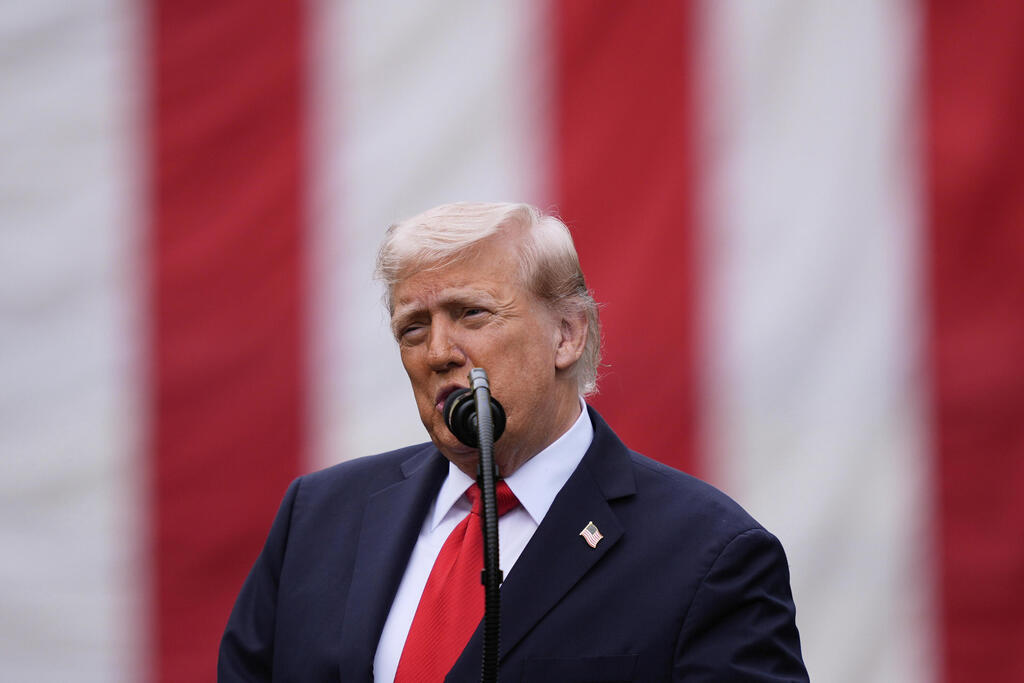
US President Donald Trump
(Photo: AP Photo/Julia Demaree Nikhinson)
According to Asharq Al-Awsat, government security officials, together with senior figures from the Prime Minister’s Office, arrived on Tuesday evening to receive her. She was exhausted as she listened to one official explain the protocol for her transfer. “You are free now, you can trust the people in this room. We will move you to a suite in a hotel near the Green Zone,” he told her.
Sources said that Tsurkov only responded to the government team after receiving assurances from English speakers, as at first she believed she was still in the hands of her captors.
According to Iraqi sources, the authorities verified Tsurkov’s identity using her official documents and conducted a medical examination to assess her health.
“The Iraqi government asked the U.S. Embassy in Baghdad to carry out an additional examination upon receiving her,” a senior official told the paper.
While staying at the hotel, Tsurkov refused to meet with Iraqi officials who wanted to speak with her and present her with gifts. “At that moment, the U.S. Embassy hesitated to take custody of Tsurkov, due to the need to coordinate with the American administration in Washington,” the report noted.
The report also said that U.S. President Donald Trump surprised Iraq when he announced her release on Truth Social. A senior official close to Prime Minister al-Sudani said that the latter “resented the American haste, but ultimately preferred to let Trump reap the political benefits.”
In addition, it was reported that the prevailing view is that the Iraqi government and Shiite parties are seeking to secure a communication channel with the U.S. administration, as suspicions grow about Washington’s intention to withdraw from Iraq and leave it vulnerable to sanctions. A senior official said that Tsurkov’s release operation “demonstrates Iraq’s commitment to international cooperation, even on the most complex and sensitive issues.”
The article noted that before returning home, Tsurkov retrieved books and other items she had purchased in Baghdad’s markets prior to her abduction.