

Israeli researcher Elizabeth Tsurkov returned to Israel on Wednesday after spending two and a half years in the custody of Iran-backed Shiite militias in Iraq, but the circumstances surrounding her release remain murky, with no official word on whether a deal was brokered by Israel, the United States or both.
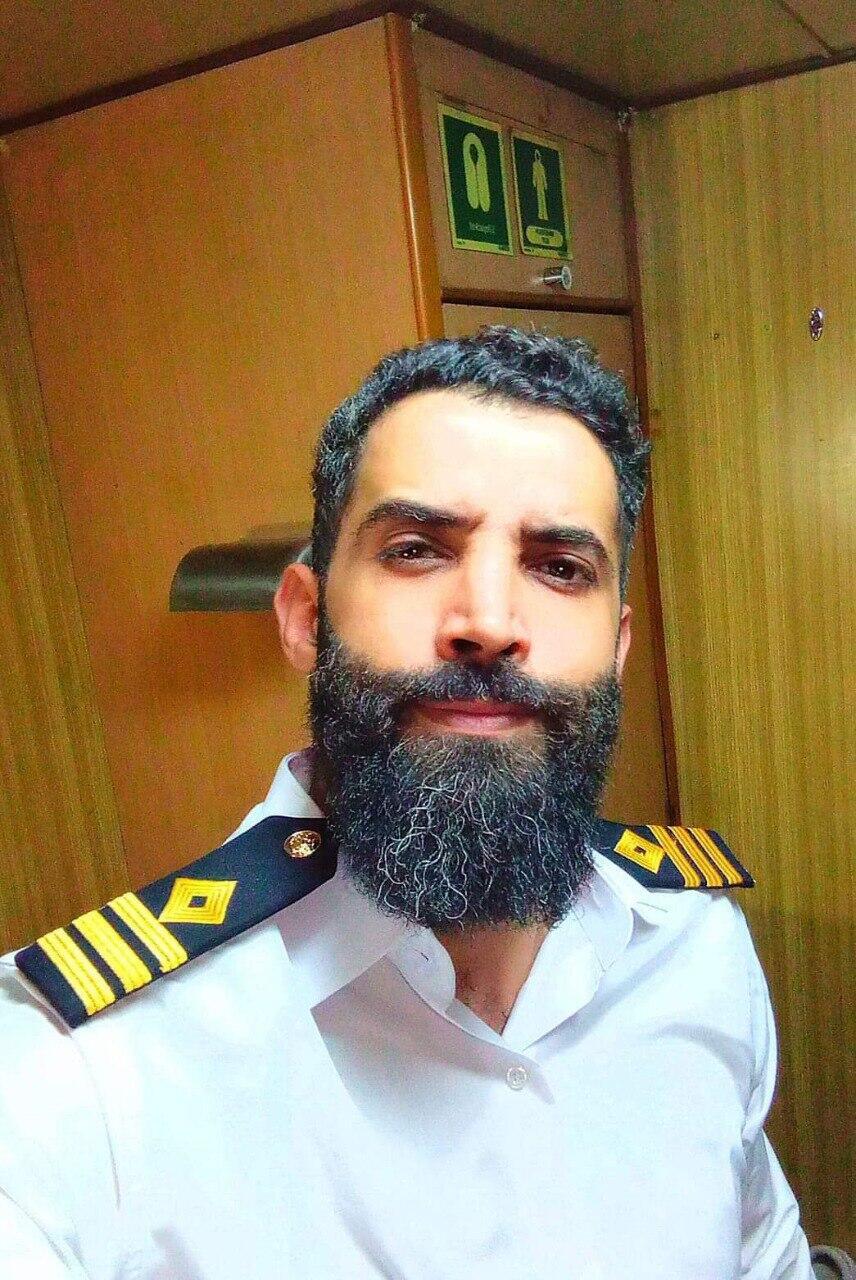
Iran’s state-run Tasnim News Agency reported Thursday that Tsurkov was freed in exchange for two members of the “resistance,” including Imad Amhaz, a Lebanese naval officer and senior Hezbollah operative reportedly captured by Israeli commandos in northern Lebanon last year.
Imad Amhaz, a Lebanese naval officer and senior Hezbollah operative, captured by Israeli commandos in northern Lebanon, November 2024


Amhaz was apprehended in November 2023 during a covert nighttime operation by the Israeli Navy’s elite Shayetet 13 unit in the Lebanese town of Batrun, about 140 kilometers north of the Israeli border. According to Arabic-language media, more than 25 Israeli naval commandos landed on the Lebanese coast and extracted Amhaz, who was described as a key expert in his field.
Lebanon’s Hezbollah-affiliated Al-Akhbar newspaper claimed Tsurkov’s release was not part of a traditional security exchange, but rather the outcome of what it called “complex understandings” involving influential intermediaries. The report stated that the deal was orchestrated under the direction of Iraqi Prime Minister Mohammed Shia' al-Sudani.
According to one unnamed source cited by the newspaper, the understandings included guarantees that Iraq would not become a target of Israeli or U.S. military action, and possibly laid the groundwork for additional prisoner swaps in the region. The source added that Baghdad feared Israeli retaliation, and suggested that Israel's strike in Qatar on the same day Tsurkov was released—reportedly targeting senior Hamas figures—may have accelerated the deal. There were also unconfirmed reports that Israel had compiled a list of 26 targets inside Iraq it could strike if Tsurkov was not freed.
A representative of the Shiite militias told Al-Akhbar that the release came in the context of "de-escalation agreements." He denied that the militias had made any real concessions, stating, “The resistance's weapons remain.” However, he acknowledged that “recent Israeli messages—whether via the Qatar strike or direct threats to Iraq—pushed all sides to show greater flexibility in negotiations.”
While Tsurkov's ordeal appears to have ended, analysts say the episode may not offer Iraq long-term immunity from future Israeli actions. Iraq continues to face pressure from armed Iranian-backed militias integrated into its security forces—groups that oppose any U.S. military presence and have demanded a full American withdrawal. Following Tsurkov’s release, some reports suggested assurances were given toward such a withdrawal, though those claims have not been independently confirmed.
Limping and visibly in pain
Tsurkov, 38, an Israeli researcher with Russian citizenship who had been living in the United States while pursuing her PhD at Princeton University, was released from captivity in Iraq after two and a half years and landed in Israel on Wednesday.
Elizabeth Tsurkov arrives at Sheba Medical Center after her release from captivity in Iraq
(Video: Mickey Schmidt)
From Ben-Gurion Airport, she was taken to Sheba Medical Center in Tel Hashomer, where she was admitted to an isolated ward—following a protocol similar to that used for hostages freed from Gaza.
Tsurkov spent the night at the hospital with her family, after arriving limping and visibly in pain. She is reportedly suffering from back pain that makes it difficult for her to sit, and is receiving assistance from medical staff.
According to various media reports, she had undergone spinal surgery shortly before her abduction, and her condition may have worsened in captivity. She is currently undergoing a gradual series of medical examinations. During part of her time in captivity, Tsurkov was allowed to follow Israeli media.
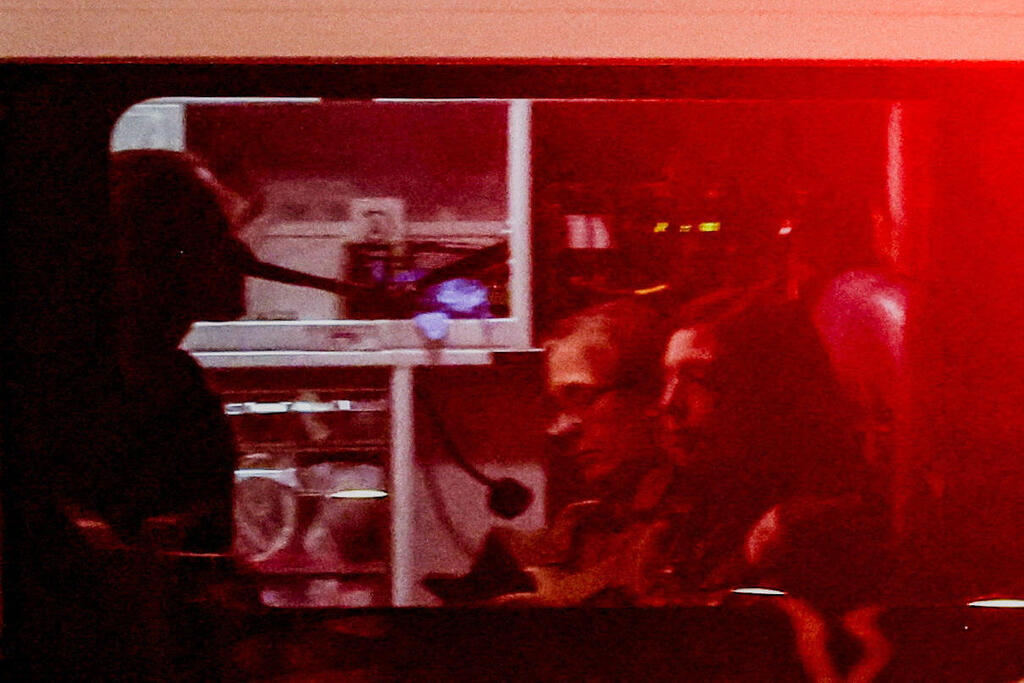
Elizabeth Tsurkov arrives at Sheba Medical Center after her release from captivity in Iraq
(Photo: REUTERS/Ronen Zvulun)
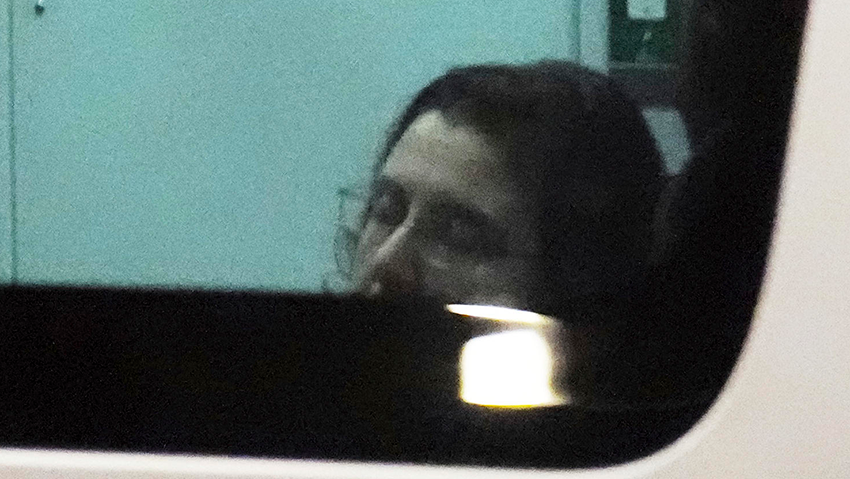
(Photo: AP Photo/Ariel Schalit)
The Israeli scholar was abducted in Baghdad on March 26, 2023, while visiting Iraq for academic research. It is believed that she was held by the Iran-backed militia Kataib Hezbollah, although the armed group has denied responsibility. This was not her first visit to Iraq, and she likely entered using her Russian passport.
U.S. President Donald Trump announced her release earlier this week, posting on Truth Social: “I am pleased to report that Elizabeth Tsurkov, a Princeton Student, whose sister is an American Citizen, was just released by Kata’ib Hezbollah (MILITANT Hezbollah), and is now safely in the American Embassy in Iraq after being tortured for many months."
He also issued a message to Hamas: “I will always fight for JUSTICE, and never give up. HAMAS, RELEASE THE HOSTAGES, NOW!"