

The US deputy ambassador to the United Nations, Tammy Bruce, sharply criticized members of the UN Security Council, accusing them of applying “double standards” toward Israel. “Israel has the right to recognize the independence of Somaliland,” the US envoy said, even though President Donald Trump has voiced reservations about the move and expressed open skepticism about it. Bruce compared Israel’s decision to the recognition of a Palestinian state by several European countries, drawing an angry response from Slovenia’s ambassador, who said, “Palestine is illegally occupied.”
“Earlier this year, several countries, including members of this council, made the unilateral decision to recognize a nonexistent Palestinian state. And yet, no emergency meeting was called to express this council’s outrage,” Bruce said during the Security Council’s emergency session, whose members oppose formal recognition of Somaliland. She stressed that US policy on Somaliland has not changed, but added that “Israel has the right to conduct diplomatic relations like any sovereign state.”
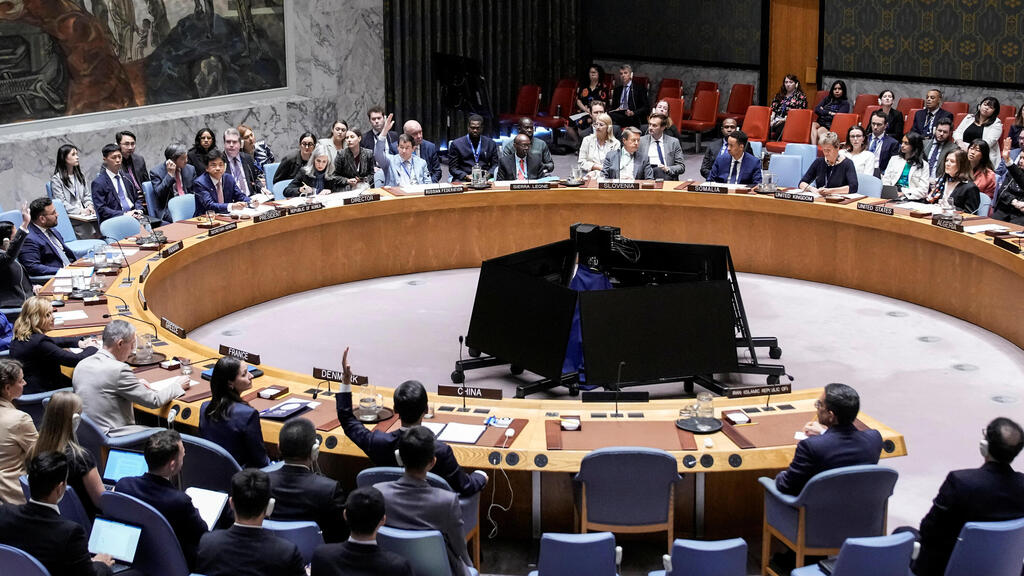
Slovenia’s ambassador to the UN, Samuel Zbogar, whose country has recognized a Palestinian state, said angrily that “Palestine is not part of any state. It is illegally occupied territory.” By contrast, he said Israel’s recognition of Somaliland violates the UN Charter. “It is part of a UN member state, Somalia. This is a violation,” he said.
Algeria, Ghana and Sierra Leone, represented at the council by Somalia’s UN ambassador, Abukar Dahir Osman, rejected Israel’s recognition of Somaliland. The Somali ambassador said he opposed “any steps aimed at advancing this objective, including any attempt by Israel to relocate the Palestinian population from Gaza to the northwestern region of Somalia,” where Somaliland is located. Israel’s deputy ambassador to the UN, Jonathan Miller, told him that “this is not a hostile act against Somalia.”
The Arab League’s ambassador to the UN also criticized Israel, accusing it of seeking to forcibly displace the Palestinian population or of trying to exploit Somalia’s ports to establish military bases, hinting at Yemen across the sea. Arab League members and Somalia’s ambassador deliberately avoided using the name Somaliland, instead referring to it as “northern Somalia.” Pakistan’s UN ambassador, Muhammad Osman, said Israel’s recognition of Somaliland was “deeply troubling.”
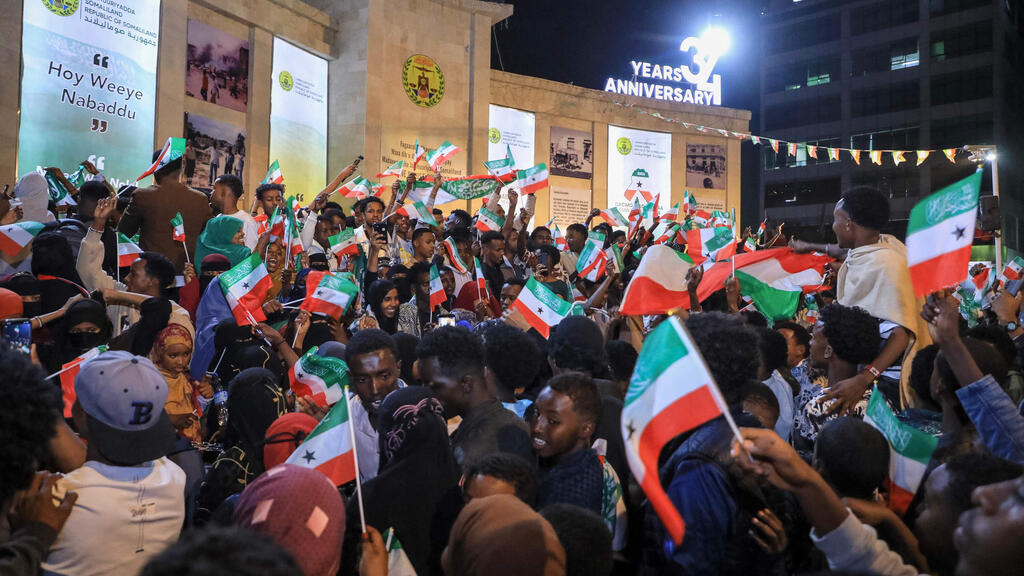
Celebrations in Somaliland after Israel's recognition
(Photo: Farhan Aleli / AFP)
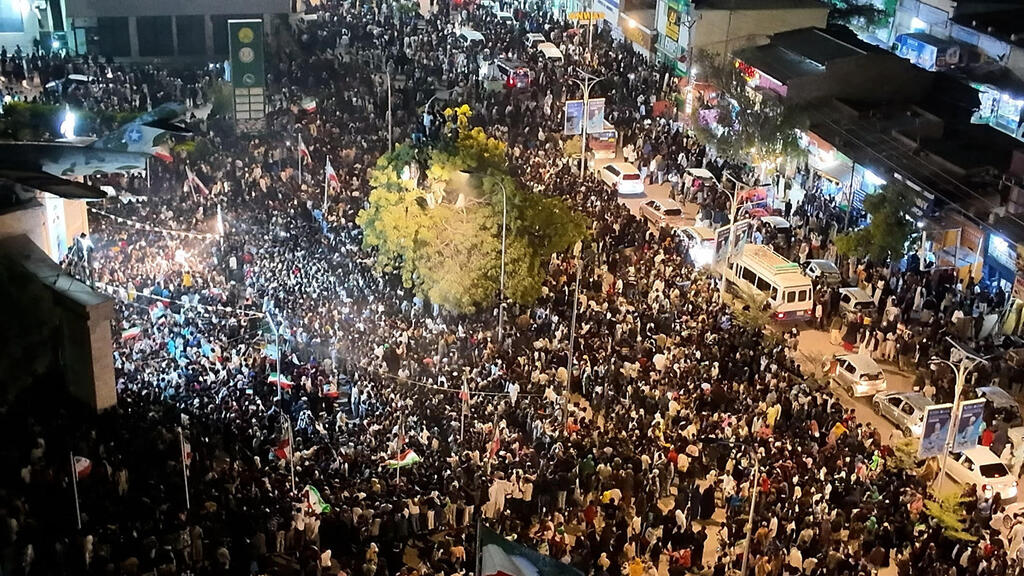
(Photo: Farhan Aleli / AFP)
Israel announced Friday that it had formally recognized Somaliland after 34 years of de facto independence in the northern Horn of Africa, becoming the first country to do so openly and fully. The move does not come in isolation and coincides with internal escalation in southern Yemen, where separatist forces backed by the United Arab Emirates are advancing, a development that has also heightened tensions with Saudi Arabia over control of the world’s most sensitive maritime corridor.
Somaliland lies in northwestern historic Somalia, stretching along hundreds of kilometers of coastline on the Gulf of Aden, directly opposite Yemen. The area sits astride a critical shipping route leading to the Bab el-Mandeb Strait, a chokepoint through which a significant share of maritime trade between Asia and Europe passes via the Suez Canal. Since the Houthis began attacking vessels in the Red Sea following Hamas’ October 7 attack and the ensuing war, many shipping companies have rerouted around the Cape of Good Hope, at heavy economic cost that has also affected the Israeli market.
Israel’s recognition of Somaliland is more than an unusual diplomatic step. It links an unrecognized democracy in the Horn of Africa with power struggles inside Yemen, Saudi-Emirati competition for regional influence and the Houthi threat to global trade. For Somaliland, it marks a historic breakthrough. For Israel, it is a calculated gamble in a volatile arena that could expand its influence but also draw it deeper into one of the world’s most sensitive fault lines.