


IDF Military Intelligence chief Maj. Gen. Shlomi Binder presented Morgan Ortagus, the U.S. special envoy to the Middle East and deputy to Steve Witkoff, with intelligence on Hezbollah’s rearmament and the Lebanese army’s inability to confront it. Against the backdrop of tensions on the northern border and the end of Pope Leo XIV’s historic visit to Lebanon, Israeli officials assess that the Lebanese army is neither willing nor able to disarm the terror group, in part because many of its soldiers are Shiite.
The intelligence briefing was delivered Tuesday during a meeting in Jerusalem between Prime Minister Benjamin Netanyahu and Defense Minister Israel Katz with Ortagus at the Prime Minister’s Office. Israeli officials told the American envoy that Hezbollah is smuggling large numbers of short‑range rockets across the Syrian border and moving infrastructure to areas north of the Litani River. More than a year after the ceasefire took effect, Israel said, Hezbollah operatives are still staffing villages in southern Lebanon.
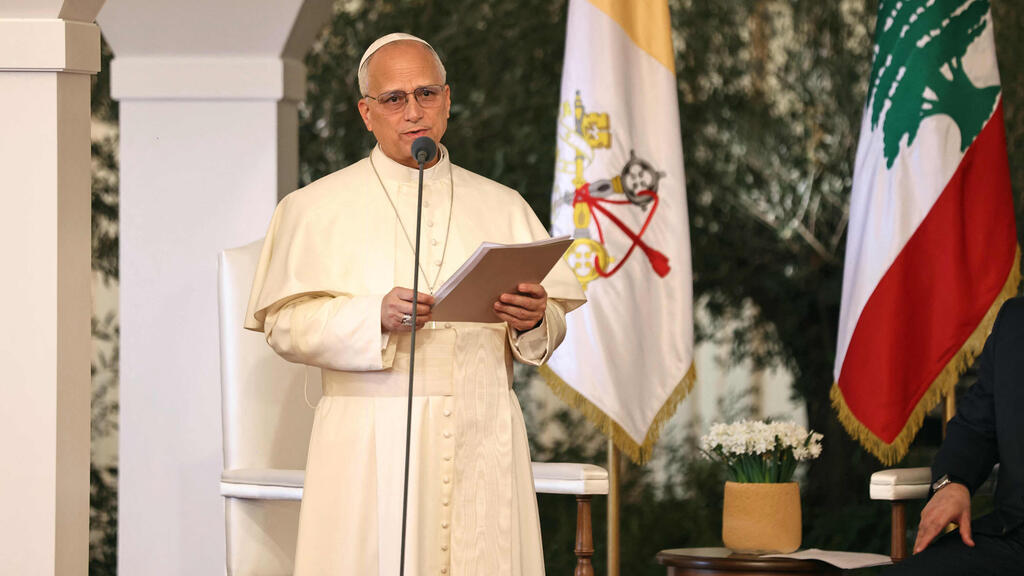
Pope Leo in Beirut
(Photo: Ibrahim Amro / AFP)
'Heading for escalation'
Following the information passed to Washington, a senior Israeli official spoke bluntly, saying: “We do not see Hezbollah disarming under an agreement, so there is no point in continuing with this agreement. We are heading for escalation. We will decide when, according to our interests.”
The meeting took place ahead of a session scheduled for Wednesday in Naqoura in southern Lebanon of the ceasefire monitoring mechanism, which includes French representatives in addition to Americans. In Washington, officials are trying to prevent a full collapse of the ceasefire.
The White House is deeply concerned that the agreement is unraveling and that Lebanon’s government is too weak to order the Lebanese army to enforce Hezbollah’s disarmament, despite a government decision in August to concentrate all weapons in state hands and President Joseph Aoun’s pledge that this would be implemented. Hezbollah, meanwhile, continues to rebuild its arsenal and is receiving Iranian funds, including through Turkey.
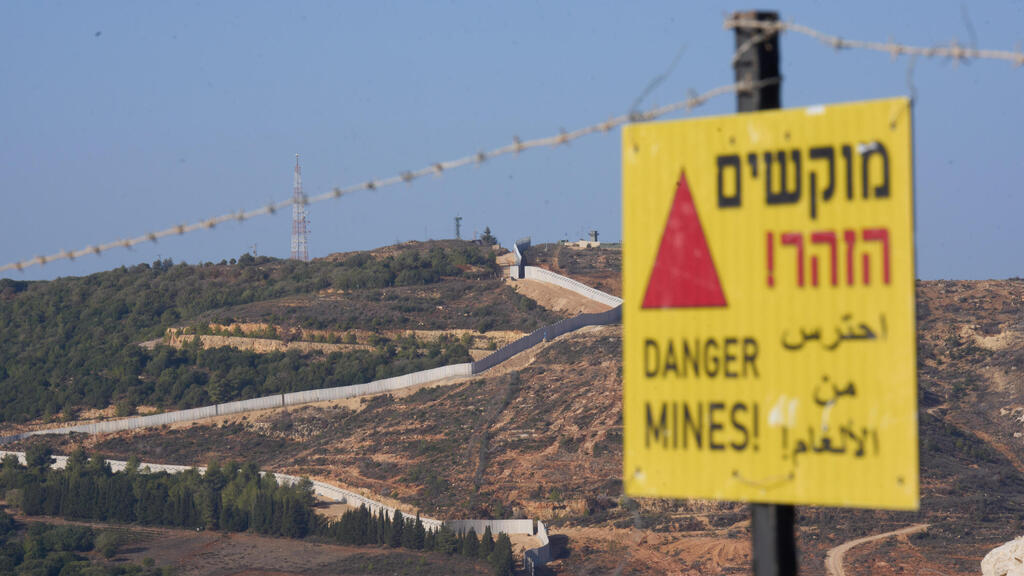
A sign warning of mines near the Lebanese border
(Photo: Ariel Schalit/AP)
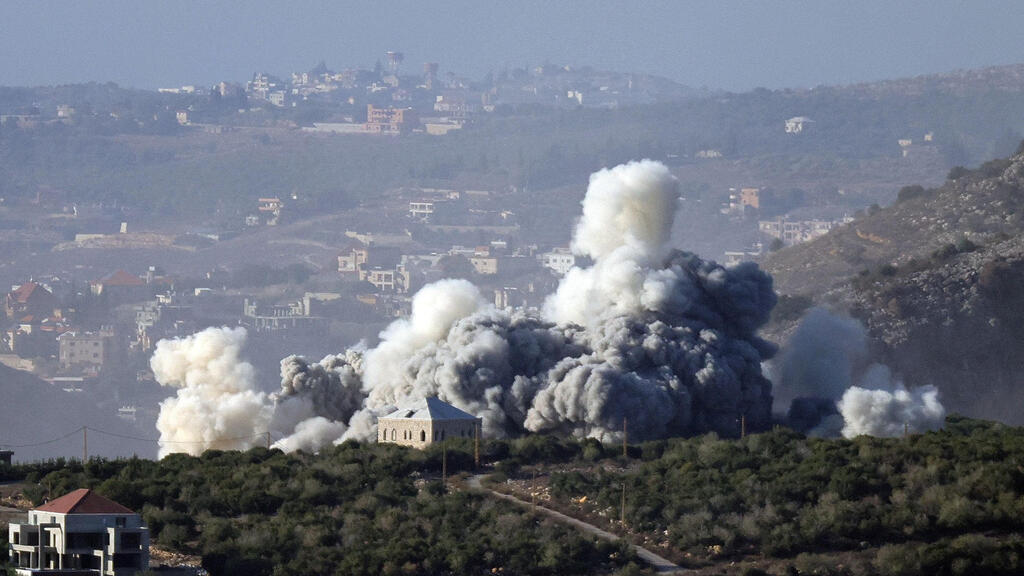
IDF attacks in southern Lebanon
(Photo: Rabih Daher / AFP)
After her visit to Israel, Ortagus is expected to travel to Lebanon as well. Through her, Israel sent sharp messages to Beirut warning that, if Lebanon does not act against Hezbollah, Israel will be forced to act on its own. Unlike the management of the Gaza agreement, U.S. officials are not restraining Israel on the Lebanon front. Western diplomats confirmed that the situation in Lebanon is “coming to a boil,” after Israel agreed to pause attacks there until the Pope’s visit ended. They said this is now a last‑ditch effort to keep the ceasefire from collapsing.
During his historic Lebanon trip, the pope’s first foreign visit since taking office in May, Leo XIV held a massive seaside Mass in Beirut that drew about 160,000 people. Many in Lebanon fear that once the visit is over, a new escalation with Israel is only a matter of time. Israel did not strike in Lebanon during the pope’s stay. But on Tuesday night, hours after he left, Lebanese reports said Israeli artillery fire hit areas between the villages of Beit Lif and Ramiyeh in the south.
At the Mass, the pope delivered a message of peace and called for an end to attacks on Lebanon. “May the attacks and acts of hostility cease. We must recognize that armed struggle brings no benefit. While weapons are lethal, negotiation, mediation and dialogue build,” he said. Despite Leo XIV’s words, the Shiite terror group continues to oppose being disarmed and has vowed to thwart any such move. That stance could lead to a clash between Hezbollah and the Lebanese army, or, as Israeli officials warn, between Hezbollah and Israel.
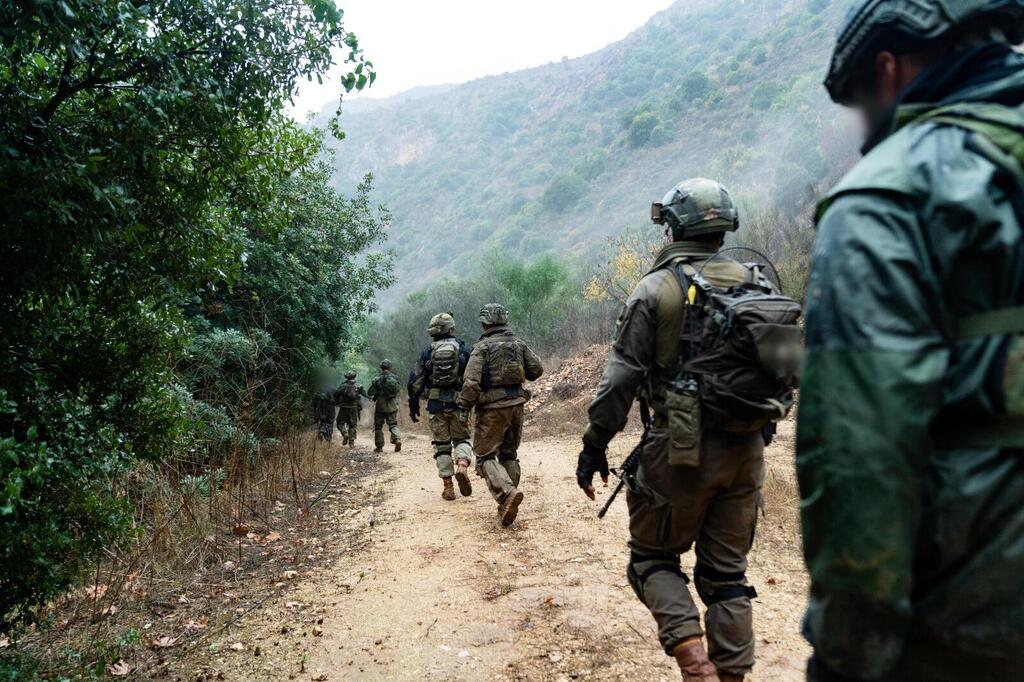
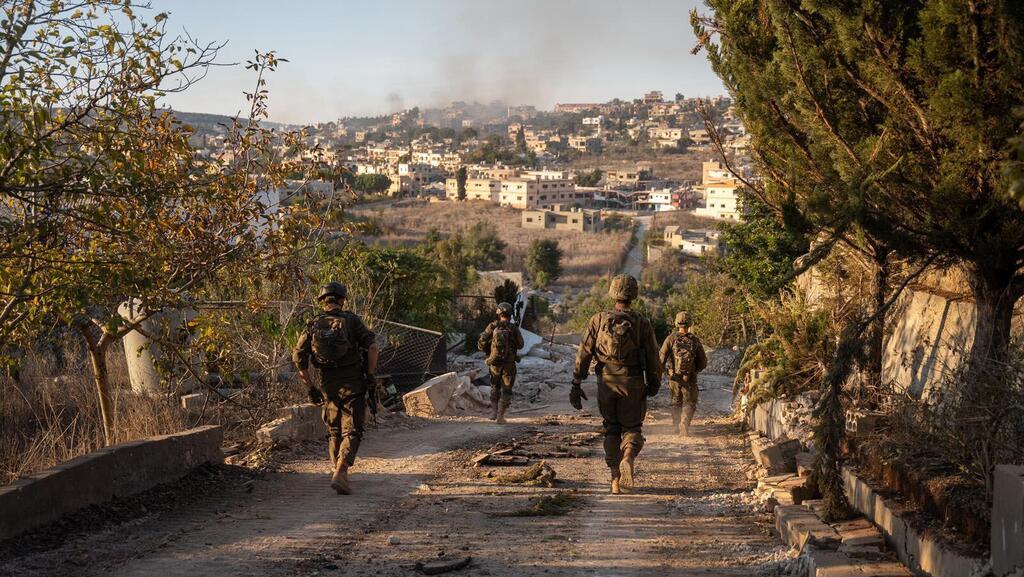
IDF forces in Lebanon during Operation 'Northern Arrows'
(Photo: IDF Spokesperson's Unit)
Even before the pope arrived in Lebanon, the Saudi newspaper Asharq Al‑Awsat reported Saturday on mounting tension there and the question of what would happen after his departure. It said these are “decisive” weeks for Lebanese residents, who are also alarmed by reports that Washington has set a final timeline for addressing Hezbollah’s weapons, through the end of the year.
In any case, Hezbollah secretary‑general Naim Qassem on Friday threatened to retaliate against Israel for the killing of the group’s military chief, Haytham Ali Tabatabai. Qassem said he hoped the pope’s visit would help end the near‑daily Israeli strikes in Lebanon over the past year since the ceasefire was declared.