



UN Secretary-General António Guterres on Tuesday called for the immediate release of dozens of humanitarian aid workers, including UN personnel, who were arbitrarily detained by the Houthi rebels in Yemen more than a year ago.

In June 2024, the Houthis—who control large areas of Yemen—detained 13 UN staff members and over 50 aid workers.
Guterres has demanded their unconditional release. “UN personnel and humanitarian partners must not be attacked or detained while performing their duties,” he said Tuesday. In addition to those arrested last year, the UN reported in late January that several more of its staff members had been detained by the Houthis.
The Iranian proxy has attempted to justify the arrests by accusing the aid workers of conducting “espionage missions.” These actions actually amount to kidnappings by the terrorist group, which had previously hijacked the crew of the Galaxy Leader cargo ship in the Red Sea at the start of the Gaza war. That crew was only released early this year during a now-collapsed ceasefire in Gaza.
The detention of UN personnel has forced the organization to suspend operations in parts of Yemen. This follows an incident in February in which an employee of the UN World Food Program died after being arrested by the Houthis.
The Houthis’ crackdown goes far beyond the UN and aid workers. They routinely intimidate civilians under their rule, economically exploit them through taxes and price hikes, and monitor their movements to prevent leaks that could “harm” the group. Recent reports indicate the Houthis are increasingly concerned about potential leaks of sensitive information about their leadership and recent Israeli and American strikes in Yemen.
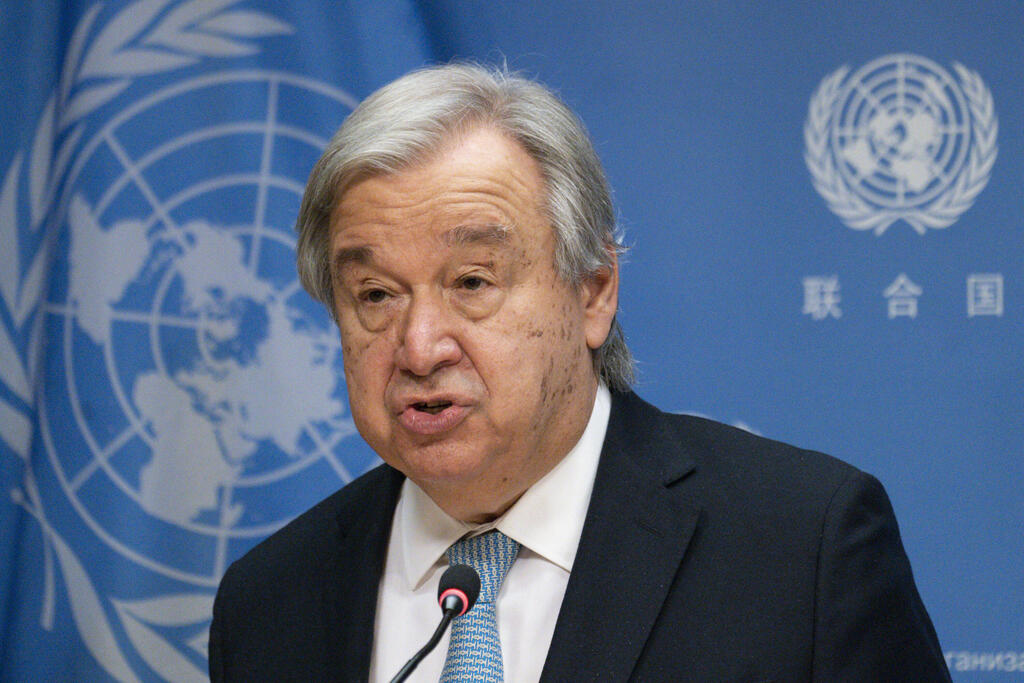
UN Secretary General António Guterres
(Photo: AP )
Yemen has suffered one of the worst humanitarian crises in the world, triggered by the civil war that began when the Houthis seized power in the previous decade, including control of the capital, Sanaa. Conditions in areas under their rule are significantly worse than in southern Yemen, where the internationally recognized government operates.
Last week, UN Special Envoy to Yemen Hans Grundberg met in Oman with senior Houthi leaders as well as top Iranian officials. According to reports, Grundberg reiterated the call for the unconditional release of the UN and aid workers, stressing that their prolonged detention is unjustified and undermines the ability of the UN and the international community to deliver humanitarian aid to millions of Yemenis.
Get the Ynetnews app on your smartphone: Google Play: https://bit.ly/4eJ37pE | Apple App Store: https://bit.ly/3ZL7iNv
Guterres’ appeal follows similar calls by human rights organizations Amnesty International and Human Rights Watch in recent days, urging the Houthis to release detained UN and civil society personnel.
According to a report by Saudi newspaper Asharq Al-Awsat, published in London, the Houthis have continued for the second year in a row to detain dozens of aid workers from international, UN and local organizations—cutting them off from their families and the outside world. The report stated that detainees were only allowed four five-minute phone calls to their families over the entire past year.
The whereabouts of the detainees remain unknown. No clear charges have been presented, and the Houthis have refused all visitation requests. Families of the detainees have condemned the injustice and expressed hope that international pressure—particularly from countries influential with the Houthis’ allies—may bring an end to their suffering.
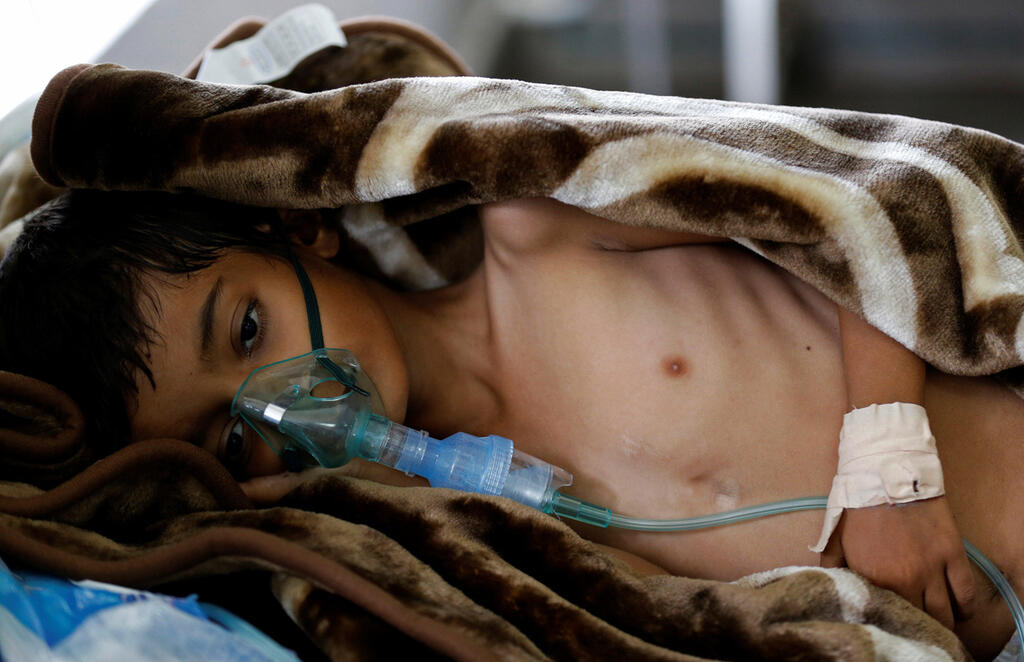
A starving child in the height of the crisis in 2016
(Photo: Reuters)
Conditions in Houthi detention centers are reportedly dire. A recent Asharq Al-Awsat article described outbreaks of diseases including cholera, malaria and skin conditions among female detainees. The women are held in squalid conditions with inadequate hygiene, and their families have been barred from visiting.
A relative of a 36-year-old woman from Sanaa said the family fears for her safety and that she was falsely accused of incitement against the Houthis. Human rights advocates in Sanaa are demanding information on the fate of hundreds of women believed to have been abducted and forcibly disappeared. Some are allegedly being held in secret detention centers based on fabricated charges.