


Less than 100 hours remain until polling stations open for Israel's election at 7 a.m. Tuesday, October 27, and the country's leading political parties are entering the final stretch of a campaign in which voter turnout could prove decisive. With most polls showing neither political bloc securing the 61 seats needed for a majority in the 120-member Knesset, party leaders are concentrating their efforts on undecided voters and areas where even relatively small shifts in turnout could make a difference.
Prime Minister Benjamin Netanyahu, Yashar leader Gadi Eisenkot and Beyachad chairman Naftali Bennett are adopting different approaches to the closing days of the race, but their campaign maps increasingly overlap. Cities traditionally associated with Likud have become key battlegrounds, with Netanyahu seeking to mobilize loyalists while his rivals try to win over wavering voters or reduce the incentive for Likud supporters to turn out.
Gallery
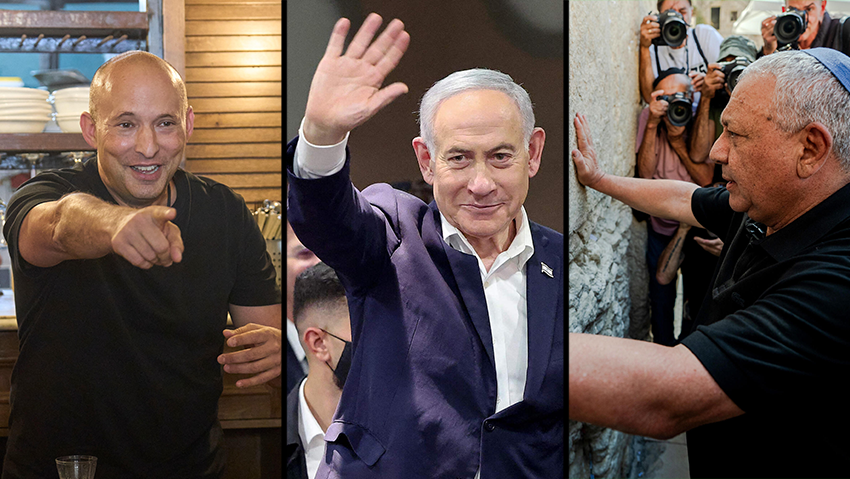
Gadi Eisenkot, Benjamin Netanyahu and Naftali Bennett
(Photo: Erik Marmor/Getty Images, JACK GUEZ / AFP, AP Photo/Ohad Zwigenberg)
The competition is also reflected in movements on Polymarket, an online prediction market where participants wager on political outcomes. Prices associated with Netanyahu's prospects have declined over the past two weeks, while those associated with Bennett have risen. Unlike public opinion polls, prediction-market prices reflect trading activity rather than representative voter surveys.
Netanyahu targets 20 cities to mobilize Likud voters
Likud plans to concentrate its final campaign efforts on approximately 20 major cities, with Netanyahu and government ministers expected to make five or six campaign appearances each day. The party has intensified its grassroots operations over the past week, seeking to energize its traditional base and increase participation in areas where it has historically performed strongly.
Among Netanyahu's priority cities are Ashkelon, Ashdod, Be'er Sheva, Ofakim, Netanya and Holon. In recent days, his aides have been coordinating with local Likud branches to organize visits to shopping malls, commercial centers and gatherings with residents. Ministers have been assigned separate schedules to maintain a continuous party presence in the targeted cities.
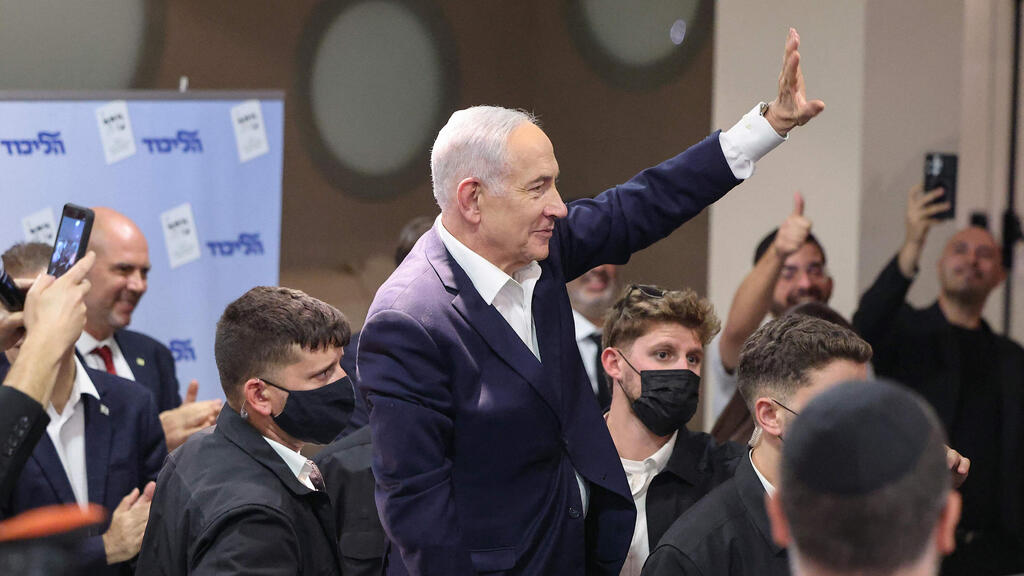
Prime Minister Benjamin Netanyahu campaigning in Netanya, one of the cities at the center of Likud's final turnout drive
(Photo: JACK GUEZ / AFP)
Much of the operation relies on cooperation with local mayors and party activists. On Election Day, the focus will shift to a dedicated campaign operations center established jointly by Likud and Religious Zionism. Hundreds of volunteers will work from detailed maps of neighborhoods and streets in targeted cities, contacting supporters and encouraging them to vote.
Eisenkot takes the fight to Likud strongholds
Eisenkot, meanwhile, is concentrating on some of the very same places where Netanyahu is seeking a particularly strong turnout. The contrast between the two campaigns is striking: While Likud is trying to generate enthusiasm among its voters, Eisenkot's strategy is also aimed at reaching people who might otherwise support Netanyahu but are not firmly committed to voting.
Eilat, where Eisenkot spent part of his childhood, has received special attention and one of the largest city-specific allocations in his campaign budget. His Yashar party is also investing heavily in development towns and peripheral communities that Israel's liberal political camp has traditionally regarded as difficult territory.
Eisenkot's Mizrahi background has become part of that outreach. This week, billboards appeared across numerous peripheral cities bearing the slogan "Rosh Memshala Diyalna," meaning "a prime minister of our own" in Moroccan Arabic. The message seeks to establish a cultural connection with voters in communities long associated with Likud.
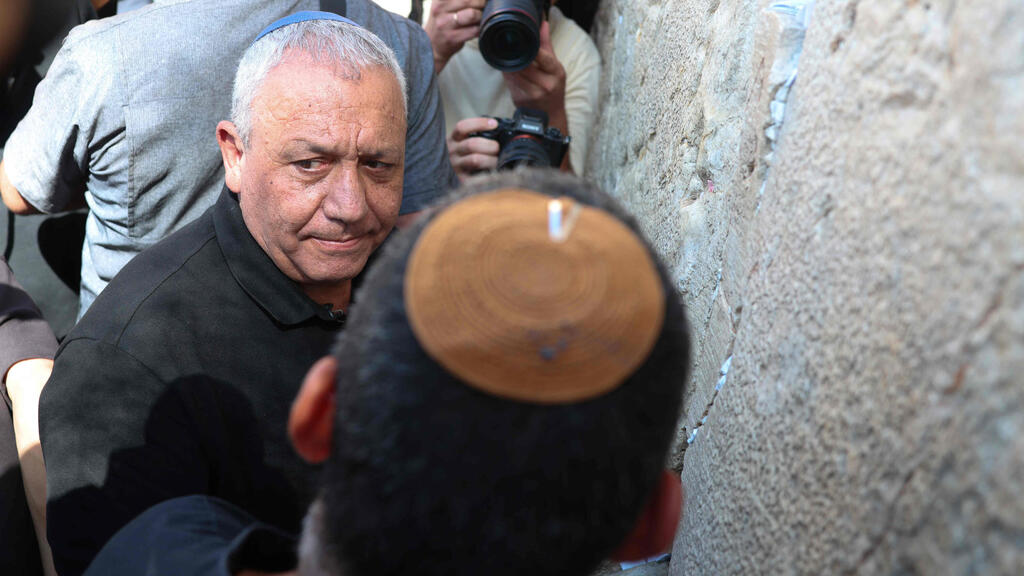
Gadi Eisenkot at the Western Wall in Jerusalem. His campaign is also seeking support among religious Zionist voters
(Photo: Menahem KAHANA / AFP)
According to internal polling conducted by Eisenkot's campaign, he does not necessarily attract substantial support among traditional Likud voters, but neither does he provoke particularly strong negative reactions. Campaign strategists believe that even voters who are unwilling to switch their allegiance could decide to stay home rather than turn out specifically to support Netanyahu.
Eisenkot is completing visits to 40 designated "golden cities," including Eilat, Dimona, Beersheba, Netanya, Hadera, Afula and Holon. The campaign has identified these locations as particularly important for reaching undecided voters, including those who may consider switching between the two main political camps.
He is also making a targeted effort to appeal to religious Zionist voters. In Givat Shmuel, for example, Eisenkot held a large campaign event aimed at religiously observant Israelis. At the same time, his campaign has invested relatively little in liberal strongholds where support for the anti-Netanyahu bloc is already considered high.
That approach is shaping Election Day preparations as well. Most Yashar activists and polling station representatives will be deployed to peripheral cities traditionally associated with Likud. Tel Aviv, by contrast, has received relatively limited campaign resources, reflecting the party's assessment that support there is already secure.
Bennett's final push: from family WhatsApp groups to right-wing voters
Bennett is approaching the final 100 hours with momentum of his own, having significantly narrowed the polling gap with Eisenkot, his principal competitor for leadership within the anti-Netanyahu camp. His campaign is concentrating on direct contact with undecided voters, including those who previously supported Netanyahu.
In an unusual outreach effort, Bennett published a dedicated phone number and invited Israelis to add him to their family WhatsApp groups. He also plans to continue holding informal public meetings with Netanyahu supporters, alongside campaign events and appearances in city centers.
For months, Bennett's Beyachad party has been collecting and analyzing information about people who participated in those meetings, attended campaign gatherings or engaged with its social media activity. The resulting network of supporters is intended to form the backbone of its Election Day operation, supplementing the existing organizational infrastructure of Yesh Atid, particularly in liberal-leaning communities.
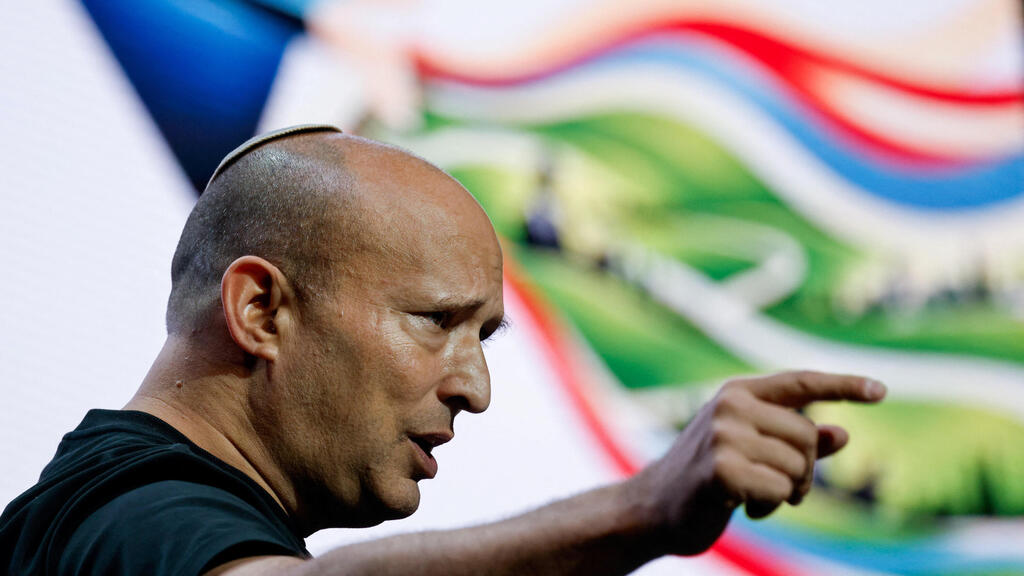
Naftali Bennett
(Photo: REUTERS/Amir Cohen)
Unlike parties that distributed much of their campaign spending over several months, Bennett's team reserved a substantial portion of its budget for the closing stretch, when many undecided voters are expected to finalize their choices. The party has now updated its priority map to concentrate funding, activists and candidate visits in selected areas.
Those include the Krayot suburbs near Haifa, Hadera, Netanya, Rosh Haayin, Modi'in, Petah Tikva, specific Jerusalem neighborhoods, Ashdod, Ashkelon, Yavne, Rehovot and Ness Ziona. The campaign is also targeting communities in the West Bank, including religious Zionist voters who feel politically unrepresented by the existing right-wing parties.
Beyachad officials say Bennett's willingness to engage directly with people who criticize his previous tenure as prime minister has generated positive momentum. According to party figures, approximately 20% of the new supporters recruited over the past two months come from cities traditionally regarded as Likud strongholds.
With just days remaining, the three campaigns are preparing for the transition from persuasion to mobilization. Netanyahu is counting on a surge in participation from his established base, Eisenkot is challenging assumptions about the political loyalties of peripheral cities, and Bennett is hoping that months of personal outreach will translate into votes.
The last campaign appearances, neighborhood operations and polling station preparations now carry heightened importance. On Tuesday, the organizational battle will move from campaign headquarters and shopping malls to the ballot box, where turnout will determine how many of those efforts translate into Knesset seats.