

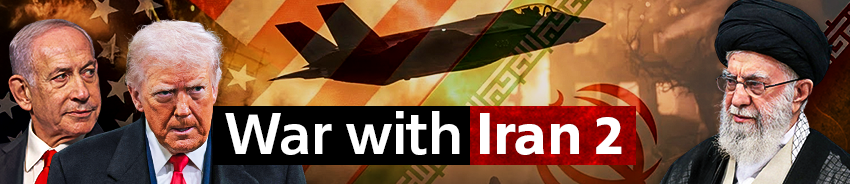
The CIA is working to arm Kurdish forces in an effort to promote a renewed popular uprising inside Iran, CNN reported early Wednesday, citing several sources familiar with the plan. According to the sources, the Trump administration is currently in contact with Iranian opposition groups and with Kurdish leaders in neighboring Iraq, discussing the provision of military assistance.
The Wall Street Journal reported Tuesday that President Donald Trump is “open” to the possibility of supporting armed militias in Iran, and that such support could turn them into ground forces fighting the ayatollah regime. CNN has now revealed additional details about the discussions taking place within the U.S. administration regarding the emerging plan. An Iranian-Kurdish source described as senior told the network that a ground operation by Kurdish opposition forces could begin in the coming days in western Iran.
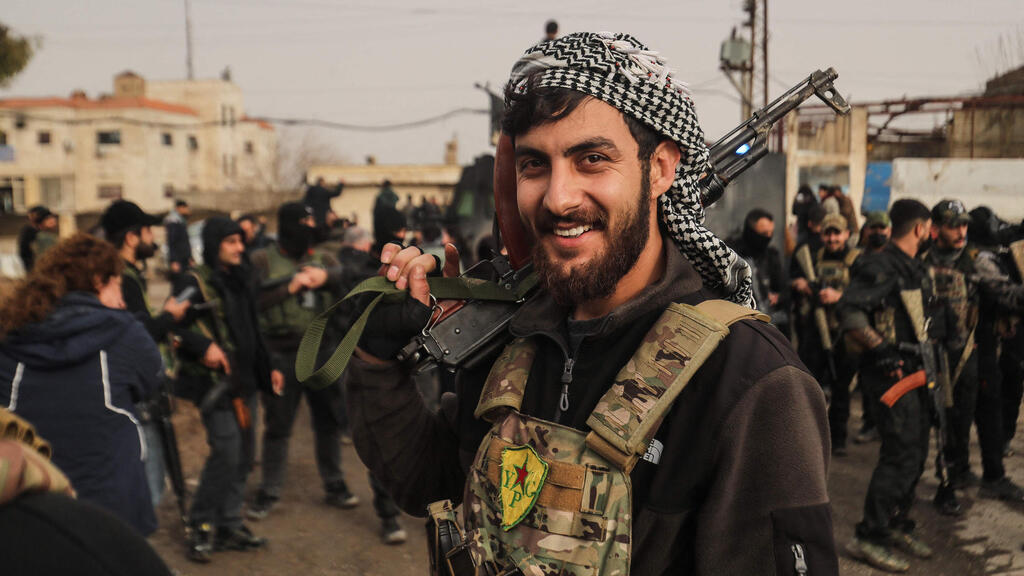
“We believe we have a great opportunity right now,” the senior Iranian-Kurdish official said, referring to the timing of the operation amid the ongoing Israeli and American strikes in the war against the Islamic Republic. He added that the militias expect American support as well as Israeli backing.
The Kurdish militias have thousands of fighters operating along the Iran-Iraq border, mainly in Iraqi Kurdistan. In recent days, there have been reports of strikes in western Iran — where Iran’s Kurdish population is concentrated — targeting regime security sites. The strikes are said to be aimed at weakening the regime’s ability to prevent an armed uprising there.
One source who spoke with CNN said the strikes were carried out by Israel and noted that it is “likely” they will intensify in the coming days. According to the source, the attacks are targeting Iranian military and police positions along the border, with the aim, among other things, of preparing the ground for a possible incursion by armed Kurdish forces into northwestern Iran.
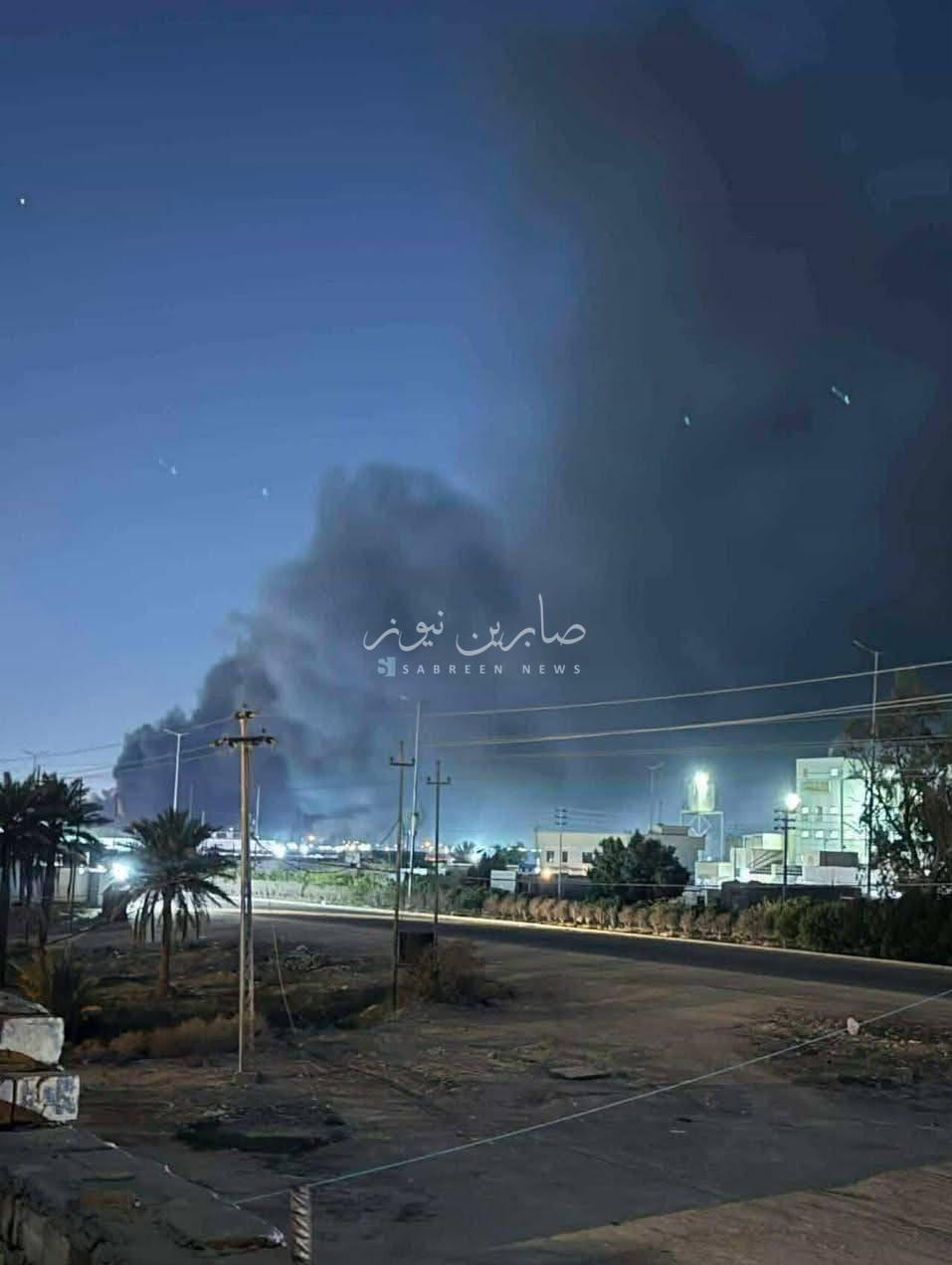
Israeli attack on the city of Samawa in southern Iraq
The Iranian regime appears to be well aware of these plans. The Islamic Revolutionary Guard Corps claimed overnight that it had targeted “separatist groups in Iraqi Kurdistan that were planning to infiltrate the border and carry out operations.” At the same time, an Israeli strike was reported overnight in Diyala province in eastern Iraq, which borders Iran.
According to CNN, Trump spoke Sunday with Kurdish leaders in Iraq and discussed the war with Iran and how the United States and the Kurds could cooperate as the operation advances. CNN noted that any attempt to arm Iranian Kurdish groups would require support from Iraqi Kurds, both in transferring weapons across the border and in using Iraqi Kurdistan as a base for launching operations.
One source said the idea raised in administration discussions is that Kurdish forces attacking Iranian regime forces could “tie them down,” thereby making it easier for unarmed Iranian civilians in major cities to take to the streets without fearing a mass slaughter, as occurred during the suppression of mass protests in January. A U.S. source said the Kurds could also “help sow chaos” in the region, stretching the regime’s security forces thin. Another option reportedly discussed is that Kurdish forces would seize territory in northern Iran and create a “buffer zone” for Israel. CNN did not elaborate on what that would entail.
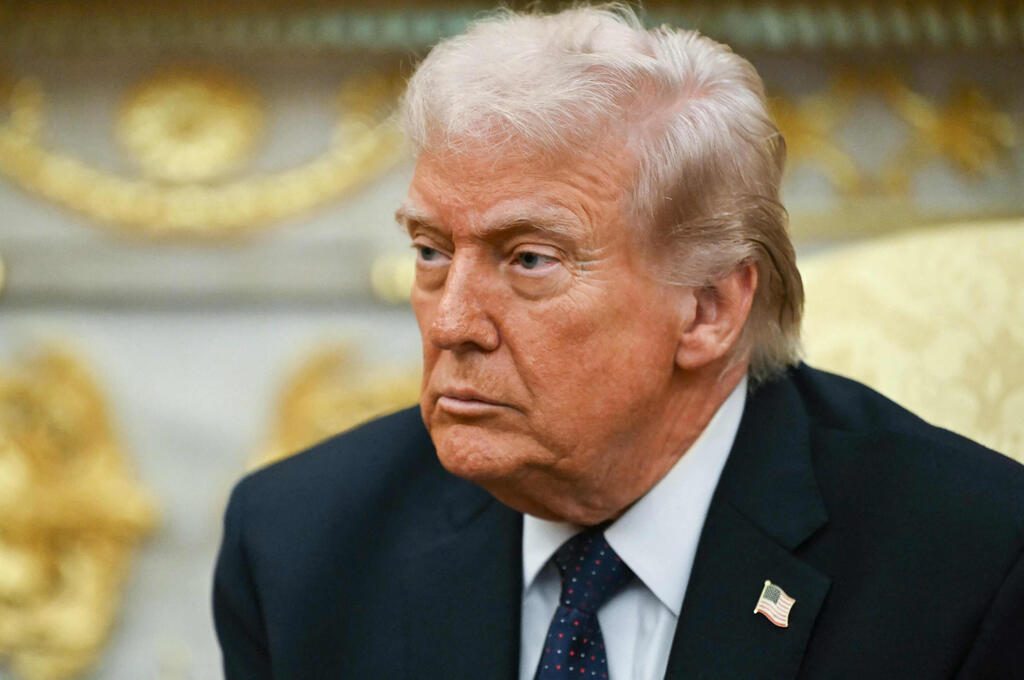
US President Donald Trump spoke with Kurdish official
(Photo: Andrew Caballero-Reynolds / AFP)
The CIA, which has previously cooperated extensively with Iraqi Kurds during the Iraq War, now has a “presence” in Iraqi Kurdistan near the Iranian border, according to the report. Sources who spoke to CNN stressed that any U.S. and Israeli effort to assist Kurdish forces in striking the Iranian regime would require substantial support. One source emphasized that U.S. intelligence assessments have repeatedly indicated that Iranian Kurds currently lack sufficient influence or resources to mount a successful uprising against the regime.
Another source said Iranian Kurds want “political guarantees” from the Trump administration before committing to any operation against the ayatollah regime. In the background is the Kurds’ troubled history with the Trump administration. During his first term, Kurdish forces felt abandoned when Trump ordered a partial withdrawal from Syria, where Kurdish fighters had served as a critical ground force in the international coalition’s fight against ISIS.
That sense of abandonment reportedly deepened last month when Syrian President Ahmad al-Sharaa launched a campaign to seize territories that had been under Kurdish autonomous rule, and the United States did not stop him and even encouraged the agreement under which the Kurds were effectively forced to relinquish their autonomy.
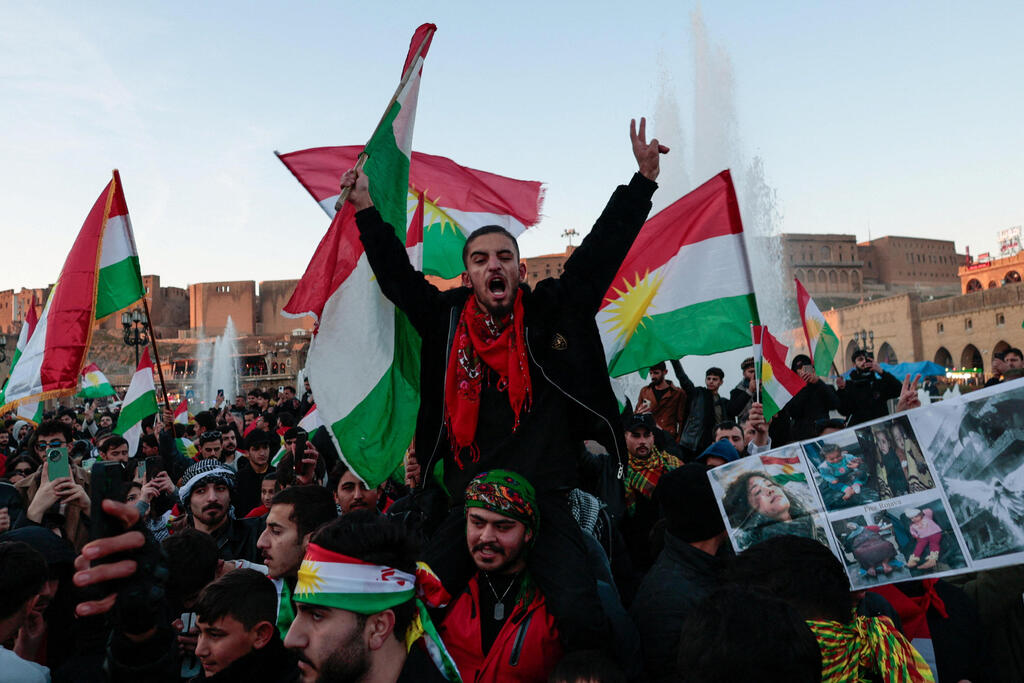
Kurds protest in the city of Erbil in Iraqi Kurdistan, Iraq, amid fighting in Syria between al-Sharia forces and Kurdish forces from the SDF
(Photo: Khalid al-Mousily/Reuters)
The sources added that Kurdish forces are divided, and tensions sometimes exist among their organizations due to competing agendas. Some officials in the Trump administration have expressed concern, according to the report, about the motivation of these groups to assist the United States. They also voiced concern that the “working relationship” between the Americans and the Kurds could suffer if the plan moves forward, given the high level of trust required for its implementation.
“It may not be as simple as Americans convincing a proxy force to fight for them,” one Trump administration official said. “You have people thinking about their own interests, and the question is whether bringing them in aligns with those interests.”
Alex Plitsas, a CNN national security analyst and former senior Pentagon official, said the United States is “clearly trying to restart” the process of regime change by Iranians themselves by arming the Kurds. “The Iranian people are largely unarmed, and as long as the security services do not collapse, it will be difficult for them to take control unless someone arms them,” Plitsas told CNN. “I assume the U.S. hopes this will inspire others inside Iran to act similarly.”
Jen Gavito, a former State Department official who specialized in the Middle East during the Biden administration, said she is concerned about whether the consequences of arming the Kurds have been fully considered. “We are already dealing with a volatile security situation on both sides of the border,” Gavito said. “Such a move has the potential to undermine Iraqi sovereignty and effectively empower armed militias without accountability and with little understanding of what that could unleash.”