


With all scenarios for escalation in the war against Iran still on the table, The New York Times reported that U.S. President Donald Trump held a meeting Friday with his senior advisers and members of his Cabinet to decide whether to escalate strikes against Iran. It is unclear at this stage what decision, if any, was reached.
Trump said Friday evening in remarks from the Oval Office that he has not yet made a decision, adding that the U.S. is currently in talks with Iran and that Tehran is becoming "more serious" by the day.
Gallery
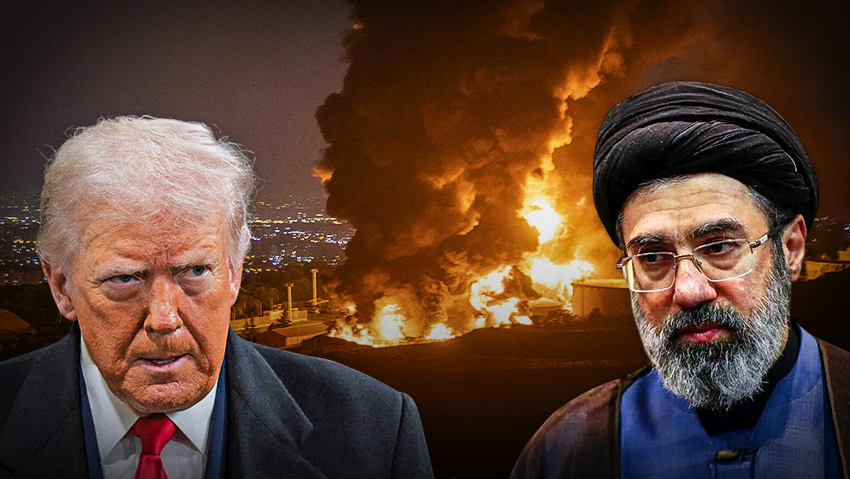
Trump is questioning diplomacy and is in a 'revenge mode'
(Photo: Anna Moneymaker / AFP, Stringer / Getty Images)
At the same time, The Wall Street Journal reported, citing a senior U.S. administration official, that Trump is questioning diplomacy and is in a “revenge mode.” According to a person familiar with the matter, during a recent White House meeting Trump lashed out at Iranian officials, calling them “scum” and “crazy.”
Trump said the U.S. is "locked and loaded" and ready to act but that he wants to see what comes out of the talks. He said there are two paths forward: continuing the current course or escalating the campaign, which he said could be taken "at much higher levels."
Trump added that Iran could surrender, give up or retreat into underground facilities. "Maybe they will cry uncle, or maybe they'll just give up, or maybe they'll just go into a cave and hide" He also said that if he believed Iran was close to obtaining a nuclear weapon before he was elected, "Israel would no longer exist" because it would have been hit by a nuclear weapon
According to administration officials and others close to the president, Trump is frustrated that the confrontation — which he believed would end within weeks — has continued with no clear end in sight. Some of Trump’s advisers are now concerned that the war, which has led to rising prices, declining approval ratings and the deaths of U.S. military personnel, is harming the already slim prospects of Republicans in the upcoming midterm elections.
Although Trump has been trying to slow the war for months, in recent days he has grown increasingly doubtful that negotiations with Iran will lead to peace, sources familiar with the matter told the Journal. A senior administration official said Trump believes the only thing Iran understands is military force and therefore sees few good options other than continuing the strikes.
US military strikes on Iran for the 13th consecutive night
(Credit: CENTCOM)


In practice, the longer the war continues, the less Trump believes in a diplomatic path to ending it. According to people familiar with the details, Trump has complained to advisers that it is difficult to know who speaks on behalf of Iran’s senior leadership and that every time the U.S. believes it has made progress at the negotiating table, Iran continues its attacks.
Meanwhile, amid two weeks of exchanges of strikes, the U.S. is deploying forces, medical teams and weapons to the Middle East to give Trump stronger military options if he chooses to escalate. However, a prolonged U.S. military campaign could further deplete ammunition stockpiles and erode public support.
The war has also increased tensions between Israel and the U.S., despite their close partnership in confronting Iran. According to a senior U.S. administration official, Trump has expressed frustration with Prime Minister Benjamin Netanyahu and has at times told aides that he does not want to speak with him. The Journal reported that despite this, Trump agreed to meet with Netanyahu next week.
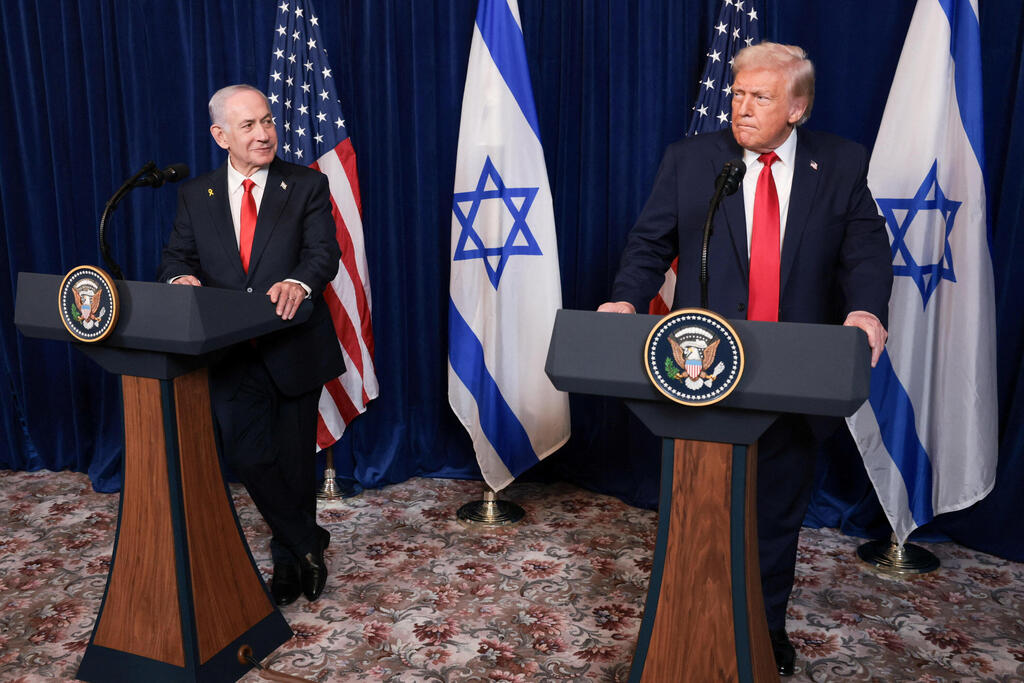
Steve Bannon, who served as an adviser to the US president and is considered close to Trump, accused Netanyahu of having 'led us into a horrible conflict filled with lies'
(Photo: REUTERS/Jonathan Ernst)
Steve Bannon, who served as an adviser to the U.S. president and is considered close to Trump, accused Netanyahu of having “led us into a horrible conflict filled with lies.” He said: “People can see with their own eyes what’s going on.”
US warning and Iranian threat
Meanwhile, the Iranian news agency Fars reported Friday evening, citing an “informed source,” that “the U.S. military attacked a gas tanker with two missiles.” According to the source, the vessel attempted to enter the area from the Gulf of Oman and was targeted by U.S. forces because they believed it was intended to transport Iranian gas. The source claimed that two crew members were killed in the U.S. strike and that the vessel was immobilized due to damage to its engine room.
Earlier Friday, the U.S. Embassy in Israel issued another warning to American citizens, calling on them to “exercise increased caution, stay alert, and be prepared for possible flight cancellations, airspace closures, and other travel disruptions.”
At the same time, Iranian Foreign Minister Abbas Araghchi said Tehran “will not surrender to pressure” and claimed: “We will continue until the goals and demands of the Iranian people are met.”
Araghchi added that Iran “will not accept a temporary ceasefire,” saying: “This issue will not be on the table unless our demands regarding the Strait of Hormuz are met. The current problem between Tehran and Washington is not a lack of mediators. Pakistan and Qatar are still playing their roles. Every time Washington tests Iran, it receives a firm response from us, yet it continues with the same approach.”
Reuters reported Friday evening that Pakistan and Iran are exploring a path toward renewed talks with the U.S. as part of an effort initiated by China, according to sources. Reuters reported that Iran’s interior minister made two visits to Islamabad within 10 days and that Pakistan’s foreign minister discussed a new Middle East initiative with Chinese officials last week.
“Stopping the attacks on Saudi Arabia and other Gulf states is a necessary condition,” a Pakistani official said.
The official added that “the Chinese are not satisfied that Iran’s attacks on Gulf states and the closure of the Strait of Hormuz are harming their interests.” China’s Foreign Ministry said that “China supports the mediation efforts of Pakistan and other parties.” It added that China would continue “to play an active role in restoring peace and stability in the Gulf region.”
First published: 22:45, 07.24.26