


After months of negotiations, leaks and leadership changes, Columbia University reached a landmark agreement with U.S. President Donald Trump’s administration to resolve a crisis over frozen federal research grants, prompted by allegations the university failed to protect Jewish students from harassment.
The settlement requires Columbia to pay over $221 million, including a $200 million fine in three installments, and $21 million for a compensation fund for Jewish employees facing discrimination after the October 7 massacre.
Gallery
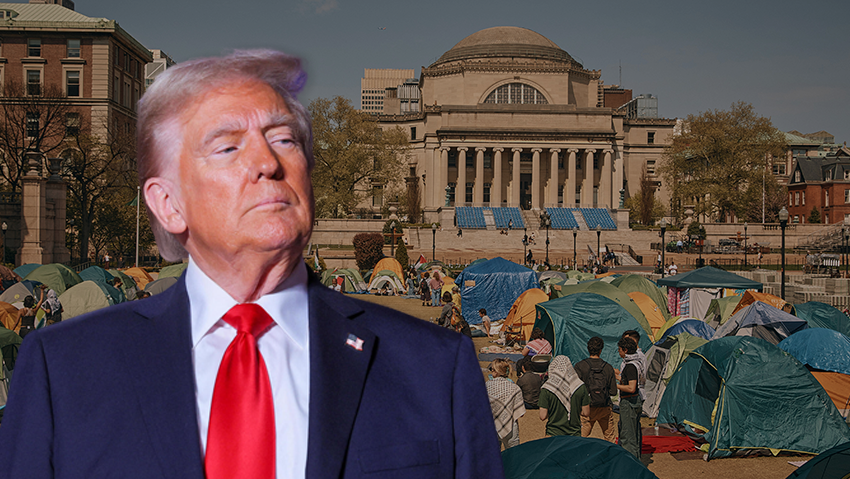
U.S. President Donald Trump, Columbia Univeristy
(Photo: AP Photo/Andres Kudacki, REUTERS/Brian Snyder)
The deal ends seven federal investigations into the university, mandating reforms such as merit-based admissions and hiring, eliminating diversity, equity and inclusion (DEI) practices, appointing an external monitor with biannual government reports and imposing stricter limits on campus protests and foreign funding oversight.
Columbia must submit detailed admissions data to prove no ethnic considerations, halt programs promoting “unlawful diversity goals,” and comply with Supreme Court rulings banning affirmative action. The university will also report detained foreign students and question international applicants’ motives for studying in the U.S., a move critics say may deter students, including those from Israel.
Get the Ynetnews app on your smartphone: Google Play: https://bit.ly/4eJ37pE | Apple App Store: https://bit.ly/3ZL7iNv
Columbia reiterated commitments to its Jewish community, including appointing a senior Jewish liaison, adding faculty to the Institute for Israel and Jewish Studies and adopting the International Holocaust Remembrance Alliance (IHRA) antisemitism definition.
It will also audit Middle East studies and global campuses in Tel Aviv and Amman for “academic balance,” sparking debate over research freedom. The university will maintain at least 36 security officers with arrest powers and enforce strict protest rules, banning face masks except for medical or religious reasons, with penalties like funding cuts or suspensions for non-compliant student groups.
Pro-Palestinian rioters sieging Columbia University's library


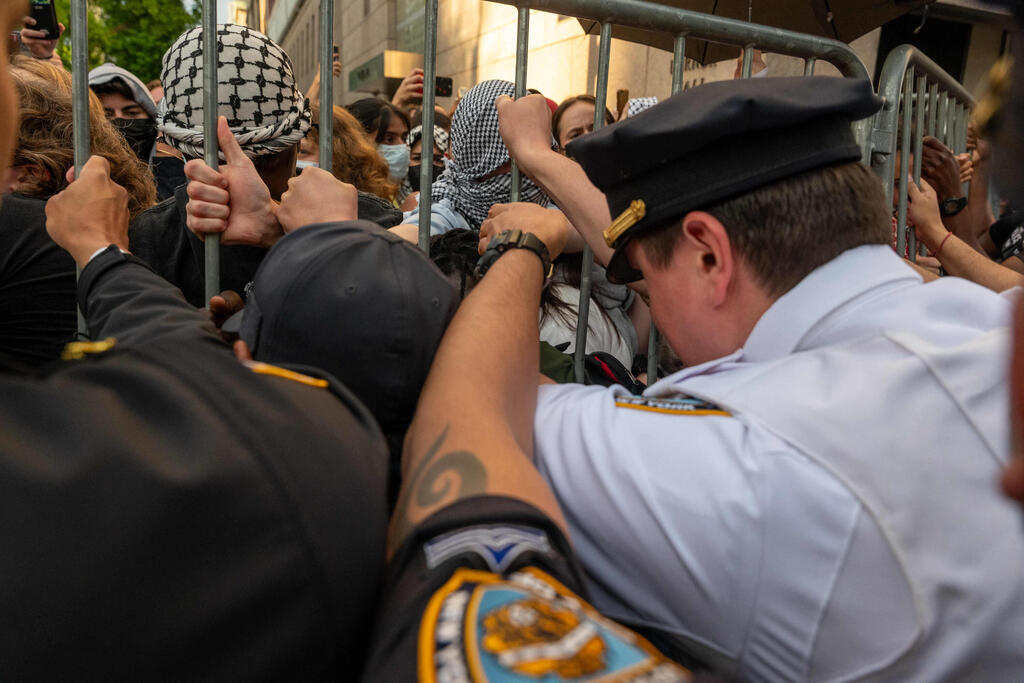
Pro-Palestinian rioters at Columbia University
(Photo: AFP, SPENCER PLATT)
This week, Columbia suspended or expelled over 70 students and revoked degrees for protest activities, including library occupations and encampments, signaling commitment to the agreement. Trump hailed the deal as “historic,” saying Columbia pledged to “ending their ridiculous DEI policies, admitting students based ONLY on MERIT, and protecting the Civil Liberties of their students on campus.”
He added, “It’s a great honor to have been involved. I look forward to watching them have a great future in our Country, maybe greater than ever before!” He warned other institutions misusing federal funds face similar measures, hinting at actions against Harvard, which has sought court intervention.
Columbia’s interim president, Claire Shipman, called the decision critical to avoid losing billions in research funding. “This agreement marks an important step forward after a period of sustained federal scrutiny and institutional uncertainty,” she said, emphasizing that there was no compromise on academic independence.
“Antisemitism at Columbia has existed, perhaps less overtly, for a long time and rooting it out will take sustained effort,” she acknowledged.

Pro-Palestinian rioters at Columbia University
(Photo: Alex Kent / GETTY IMAGES NORTH AMERICA / AFP)
Brian Cohen, CEO of Hillel International at Columbia, welcomed the move, saying: “I welcome these steps taken by Columbia including the unequivocal recognition that there is an antisemitism problem on campus and that it has had a tangible impact on Jewish students’ sense of safety and belonging.”
U.S. Education Secretary Linda McMahon called it “a seismic shift in our nation’s fight to hold institutions that accept American taxpayer dollars accountable for antisemitic discrimination and harassment,” offering a roadmap for other universities to regain public trust.
The reforms, effective for at least three years under external oversight, may set a precedent, with observers noting that if Columbia, a hub of pro-Palestinian protests, agreed, other institutions may follow.