

After two consecutive nights of exchanges of fire, the overnight hours between Thursday and Friday Israel time were quiet. No renewed fighting between the United States and Iran was reported Friday morning after a U.S. official said Washington had decided to let diplomacy take the lead.
By midday, The New York Times reported that regional mediators, particularly Qatar, were working hard to prevent a renewed war between the United States and Iran. Two officials told the newspaper that Qatar is currently in contact with both sides.
Gallery
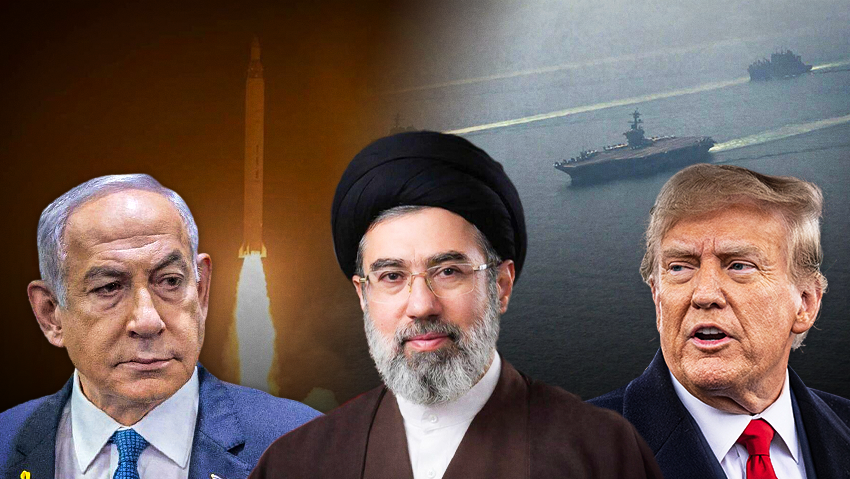
Iran issued an explicit threat of further escalation, including toward Israel
(Photo: lev radin/shutterstocל, חיים גולדברג/פלאש 90)
At the same time, however, Iran issued an explicit threat of further escalation, including toward Israel.
According to Iranian media, Mohammad Bagher Zolghadr, secretary of Iran's Supreme National Security Council, said: "The most hated figure in the world" — referring to President Donald Trump — "has once again directed at the great Iranian nation the very words that truly describe himself. He is enraged by the powerful historical epic created by the peoples of Iran and Iraq during the funeral procession of the martyred leader. As we have stated before, any attack on our infrastructure will be met with retaliation, and the criminal Zionist regime, which stands behind these evil acts, will not be immune from the response of the fighters."
The renewed diplomatic contacts come as Iran's leadership continues to reject compromise on any of its demands, raising questions over what happens next in what increasingly appears to be a deadlock. Even before renewed nuclear talks have begun, the two sides have failed to agree on the implementation of a memorandum of understanding that has already been signed. Trump said this week that, in his view, the memorandum is no longer valid.
"If Mr. Trump and his aides now have a Plan C — after bombing and a preliminary accord failed — they have not described it," New York Times columnist David Sanger wrote in an analysis of what he described as Trump's current predicament.
"Instead, it appears that they are returning to the oil sanctions and bombing runs that Mr. Trump describes as devastating, but that so far have only led to the current tangle," Sanger wrote. He was referring, among other things, to the administration's decision to revoke Iran's oil sanctions waiver under the memorandum of understanding, although Trump has not, for now, reinstated a naval blockade.
Sanger also cited remarks made Wednesday by Vice President JD Vance: "So, the deal is very simple. If they shoot at ships, we’re going to knock the hell out of them"
"In other words," Sanger wrote, "carrots are out. Sticks are back. But the administration has yet to answer why it believes this combination of economic warfare and bombing will yield a different result this time."
Richard N. Haass, a veteran former State Department diplomat who served under President George W. Bush, was quoted in Sanger's analysis as saying the United States is now facing a " strategic dead-end."
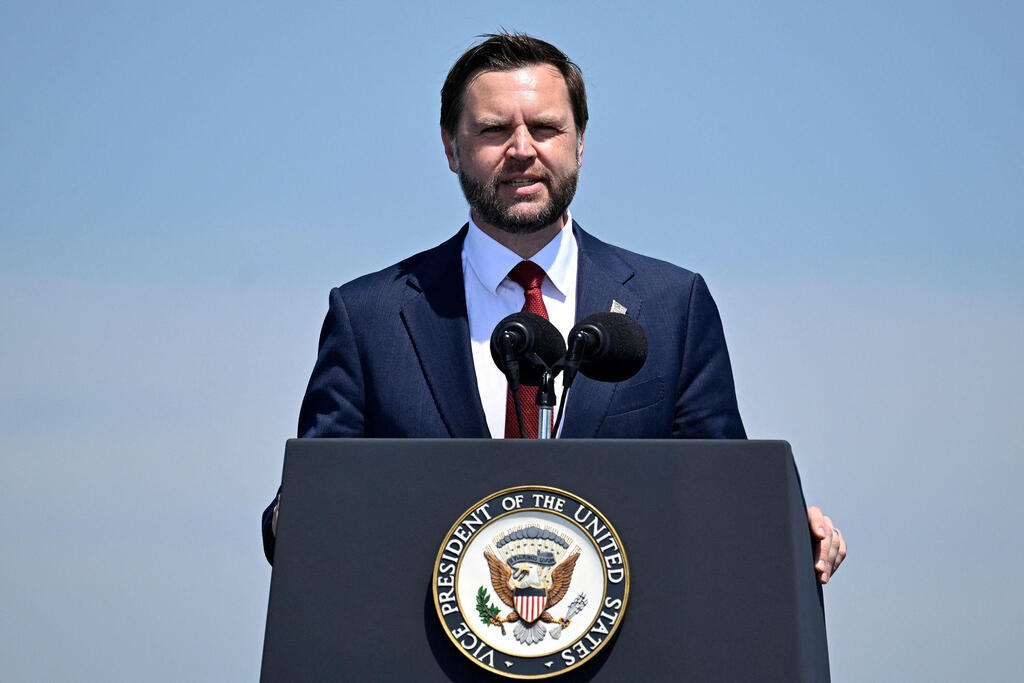
Vice President JD Vance. 'If they shoot at ships, we’re going to knock the hell out of them'
(Photo: Vincent Alban / GETTY IMAGES NORTH AMERICA / AFP)
"The dilemma here," Haass said, "is that the more we attack, the more the Iranians attack the Gulf oil and energy infrastructure. And the administration still has not figured out how to defend those sites."
The disp
ute that triggered the latest round of escalation is the same one that has fueled previous flare-ups since the memorandum was signed. Iran insists on controlling traffic through the Strait of Hormuz, a vital artery for global oil shipments, and refuses to restore navigation to the prewar status quo, when maritime traffic moved freely through the waterway.
Article 5 of the memorandum, drafted in deliberately vague language, states that Iran and Oman will hold discussions on the strait's future management, leaving the door open for Tehran to press its sovereignty claims.
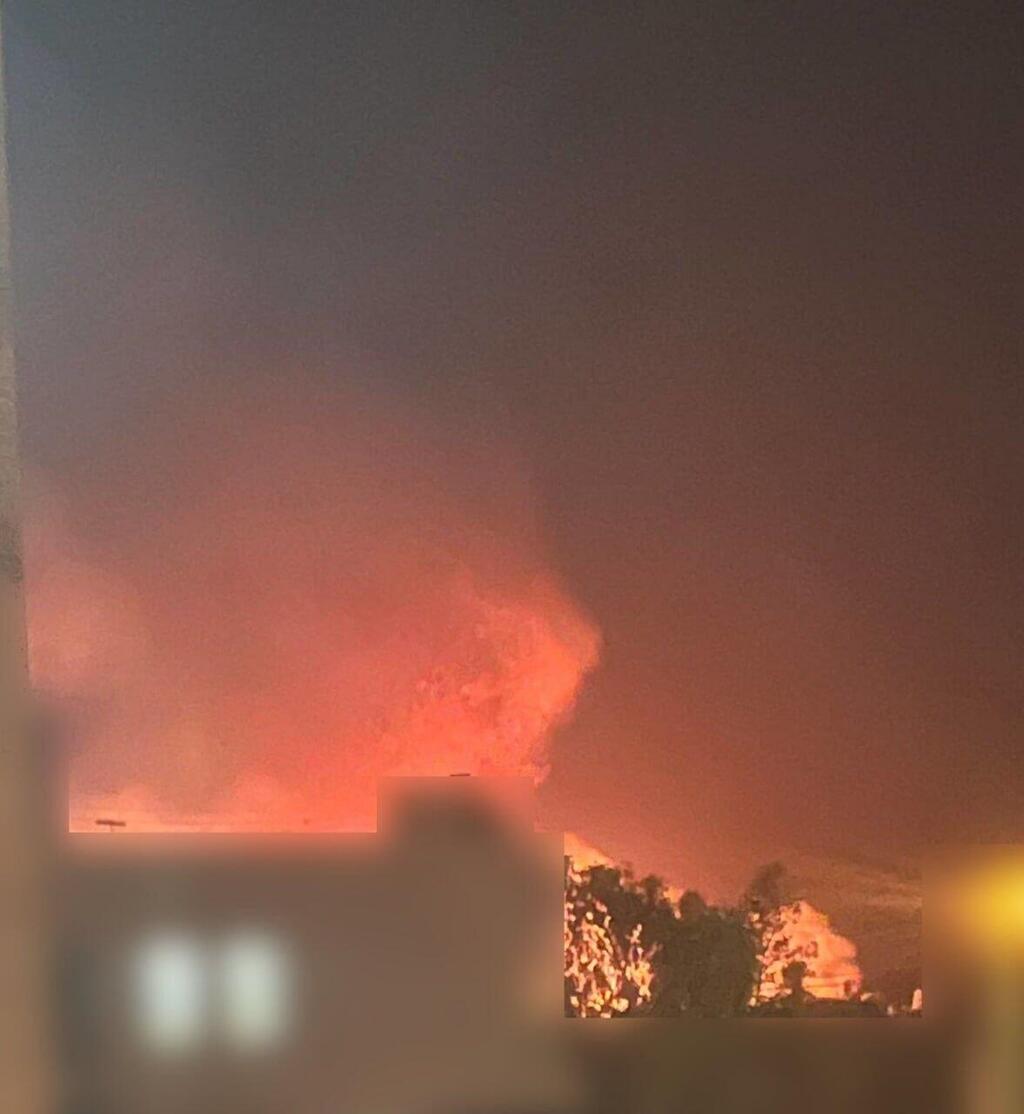
'The predicament is of Trump’s own making'. The attack on Bushehr this week
The latest escalation began after Iran, as in previous incidents, attacked oil tankers and commercial vessels sailing through the southern shipping lane of the Strait of Hormuz, the route closer to Oman. Tehran insists that ships use only the lane adjacent to Iranian waters, which is under its direct control.
On Thursday, as the latest escalation was still unfolding, CNN also published an analysis examining Trump's options.
"HWhat options does Trump have now in Iran? Not many, and they’re all bad," the headline read.
CNN described Trump's predicament — after he acknowledged when signing the memorandum last month that even weeks of additional bombing were unlikely to change the situation significantly while global oil reserves continue to shrink — as follows:
"President Donald Trump’s Iran entanglement is beginning to resemble a visual illusion known as the Penrose stairs, which endlessly climb and descend but always end up in the same place."
"The predicament is of Trump’s own making," CNN concluded, "after he launched a war that never promised a definitive exit and crafted a memorandum of understanding that failed to address the reasons for the conflict."